REVIEW · ISLAND OF HAWAII
Big Island: Evening Volcano Explorer From Kona or Kohala
Book on GetYourGuide →Operated by KapohoKine Adventures · Bookable on GetYourGuide
A long day on the Big Island can be a lot. This one strings together Kona coffee and real volcano country, so you get variety without wasting time. I especially like how the day mixes hands-on food stops with structured crater/ lava-tube walking, and how guides like Hawaiian Ryan and Diego are able to turn scenery into story. One watch-out: weather can change what you see, including whether you get the lava glow.
You’ll also appreciate the practical pacing: you drive the south side, stop for food and shoreline time, then shift into volcano mode with a clear set of sights. The trade-off is that it’s still a full 12-hour day with walking on uneven ground, so you’ll want to show up ready for comfort.
In This Review
- Quick reasons to go
- Kona Coffee County Before the Volcano
- South Kona Drives: Picture Windows and Changing Ground
- Punalu’u Bake Shop for a Sweet Break
- Punalu’u Black Sand Beach: Turtles, Palms, and Quiet Scale
- Hawaii Volcanoes National Park: Kilauea Sights You Can Actually Use
- Mauna Ulu: Photo Stops With Real Cultural Care
- Volcano House and the Possibility of Lava Glow
- Meals, Snacks, and Entrance Fees: Why the Price Works
- What the Best Guides Bring to This Day
- Practical Tips for a Comfortable 12 Hours
- Who This Evening Volcano Explorer Suits Best
- Should You Book This Evening Volcano Explorer?
- FAQ
- How long is the tour?
- Where does pickup happen?
- What meals are included?
- Is lava glow viewing guaranteed?
- What sites are visited inside Hawaii Volcanoes National Park?
- Is the coffee stop a tasting only, or do you see the farm?
- What should I wear?
- What language is the guide?
- Can I cancel if plans change?
Quick reasons to go
- Working Kona Coffee farm visit with samples of 100% Kona coffee and views over Kealakekua Bay
- Punalu’u Black Sand Beach with a good chance to spot green sea turtles offshore
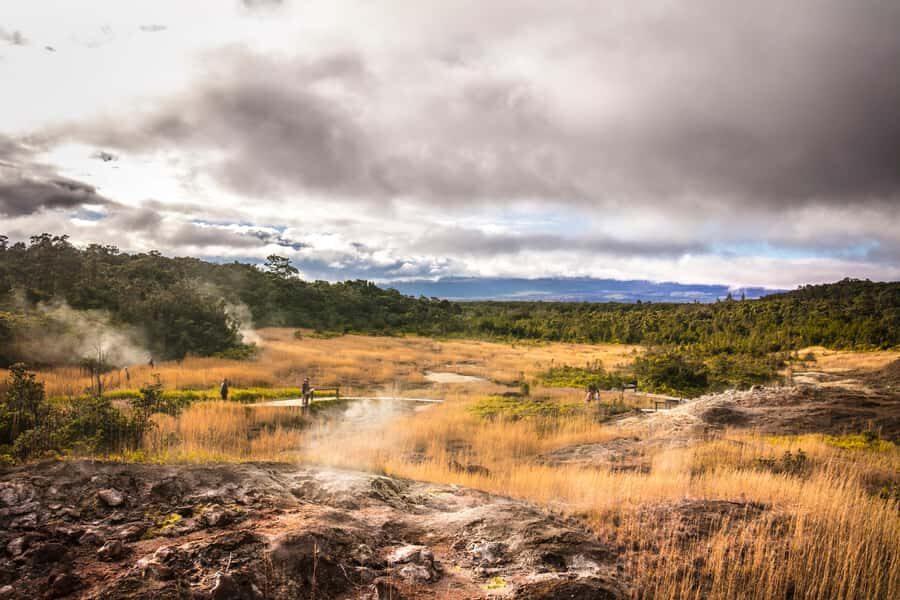
- Hawaii Volcanoes National Park highlights like Kilauea Visitor Center, Kilauea Iki overlook, and the Nahuku lava tube walk
- Mauna Ulu photo stop in a culturally sensitive area with dramatic volcanic shapes
- Included meals (lunch + BBQ dinner) that make a long day feel doable
- Lava glow viewing if conditions allow, adding a true evening payoff
Kona Coffee County Before the Volcano

This tour starts by easing you into the Big Island’s geography. Before you ever reach the volcano, you head through Kona coffee country, where the slopes of Mauna Loa meet the ocean. That matters because the rest of your day is all about seeing how land is built and rebuilt. Coffee and lava look like opposites, but both come from the same volcanic backbone.
Your first major stop is a working coffee farm at Bay View Farm, a 24-acre operation on the slopes of Mauna Loa above Kealakekua Bay. You’ll see coffee growing right on the trees, not just a display or a plantation-style photo op. Then you learn how the farm’s steps and processes fit together, since all of it happens right there on site.
What I like most is that the coffee tasting is tied to the scenery you’re looking at. You sample 100% Kona coffee from an overlook with views of Kealakekua Bay and the Captain Cook monument. There’s even that fun geography detail here: the monument sits on what’s described as the only sliver of British land in the United States. It’s a small fact, but it gives your brain a hook while you take in the coastline.
If you’re a coffee person, this stop is more than a caffeine break. It’s a way to understand why Kona coffee commands attention at all: it’s grown in a specific place with a specific climate, and the farm experience makes that real.
Other Kohala and North Big Island tours

South Kona Drives: Picture Windows and Changing Ground
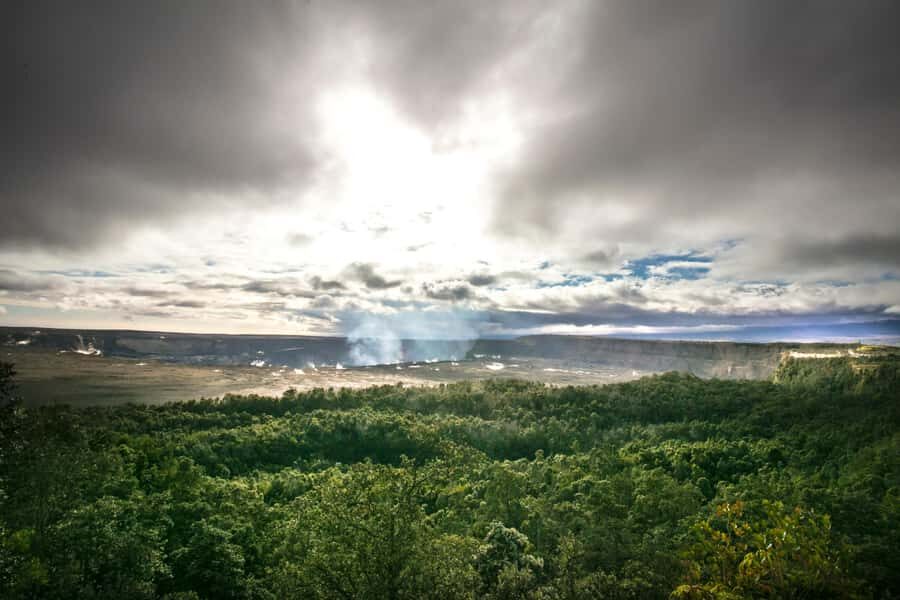
Between coffee and the shoreline, you’ll travel through the South Kona and Ka’u districts. The vehicle has huge picture windows, so the drive doesn’t feel like dead time.
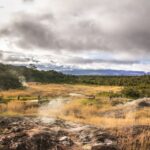
One of the neat things about this stretch is the contrast. You’ll see alternating patches of stark lava flows and Hawaiian dry forest. In other words, you get to watch the island’s textures shift as you move south. It’s the kind of visual lesson you can’t replicate by staring at a map.
This is also where the tour feels “smart.” You’re not driving yourself and guessing which viewpoints are worth pulling over for. A guide is also better at timing the stops so you’re not stuck in the wrong place at the wrong moment.
Punalu’u Bake Shop for a Sweet Break
Right after you pass through the southern districts, you stop briefly at Punalu’u Bake Shop. It’s described as the southernmost bakery in America, and it’s been serving time-honored Hawaiian sweetbreads since 1991. If your energy level is running on airport-adjacent snacks, this stop is a helpful reset.
What you should take from this stop is not only sugar. It’s a chance to taste something local and comforting before you switch gears to longer walks and park viewpoints. Since lunch is later, a quick warm pastry can help you stay happy through the heavier part of the day.
Punalu’u Black Sand Beach: Turtles, Palms, and Quiet Scale
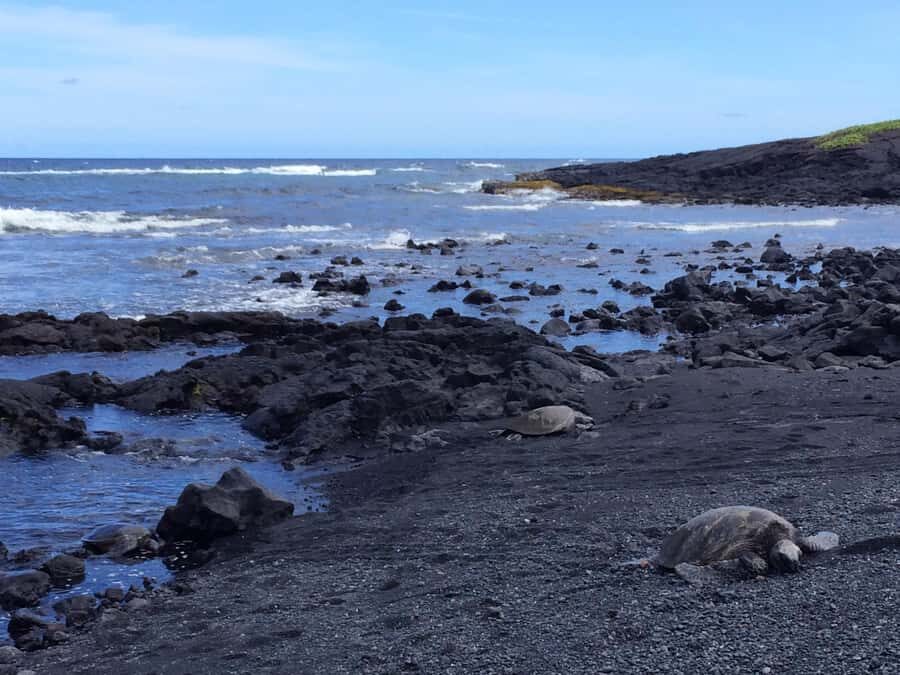
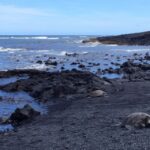
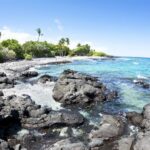
Then comes the shoreline payoff: Punalu’u Black Sand Beach. This is one of the best black sand beaches on the island, lined with swaying coconut palms. Those palms matter at this beach because they break up the stark volcanic look with a softer, tropical rhythm.
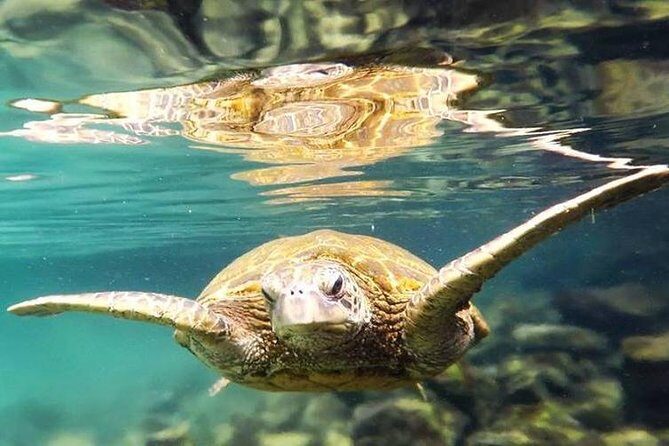
A big reason people remember Punalu’u is the wildlife possibility. Look for honu, green Hawaiian sea turtles, feeding just offshore or sun-worshipping on the sand. You’re not guaranteed sightings, but the guide-led approach helps you know what to watch for without bothering animals.
Strolling here also gives your body a needed change of pace. After coffee and driving, you’ll likely appreciate the slower tempo. Just keep your expectations honest: even with black sand beauty, this isn’t a long beach day. It’s a stop that gives you time to walk, look, and reset.
Hawaii Volcanoes National Park: Kilauea Sights You Can Actually Use
Now you move into the crown-jewel section of the day: Hawaii Volcanoes National Park. This is where the tour turns from sightseeing into something more grounded.
You’ll visit the Kilauea Visitor’s Center. You’ll also stop at the Volcano Art Center, which is a nice counterpoint to the geology-heavy parts of the day. Art here isn’t random decoration—it’s another way the park’s volcanic story finds expression.
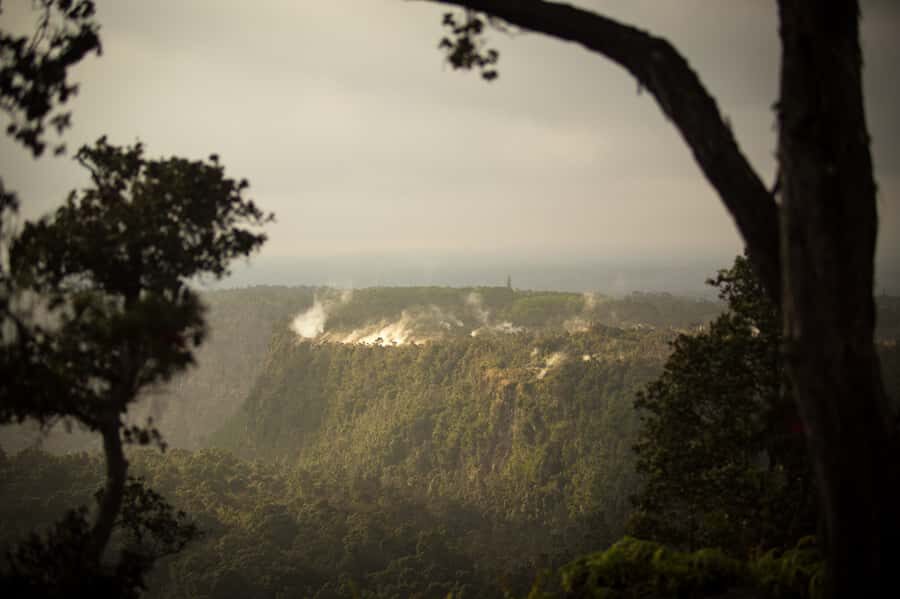
Next, you’ll reach the Kilauea Iki overlook. That overlook is useful because it frames what you’re seeing in a big picture way—so later, when you walk closer to crater terrain and lava-tube areas, you understand where you are in the story.
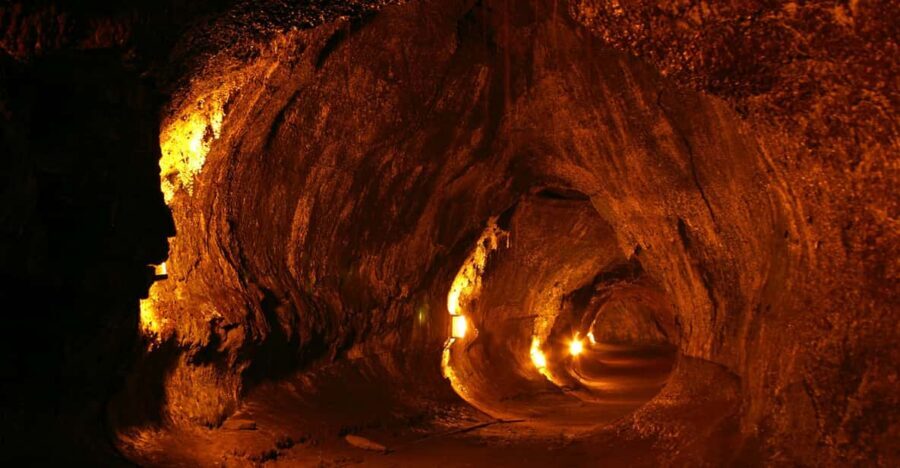
Then you’ll walk along the crater to Nahuku (the lava tube) and back. This is one of the more physically active parts of the day, and it’s also one of the most memorable. Standing near a lava tube lets you visualize how molten rock behaved and hardened—suddenly the island’s violence becomes something you can read with your eyes.
A quick note: the walk is still a walk, so closed-toe shoes matter. Uneven ground plus evening conditions equals a simple rule: wear something you can trust.
Other evening experiences in Island Of Hawaii

Mauna Ulu: Photo Stops With Real Cultural Care
After the crater/lava tube walk, you head to Mauna Ulu. This is described as one of the most culturally sensitive locations in the park, and that’s more than a warning sign. It’s a reminder to behave with intention—where you stand, how you move, and how you take photos.
The view here is the kind of volcanic scene you can’t “read” from a distance. The tour description emphasizes that the closer you look, the more unusual and striking shapes and fascinating colors appear. That’s believable because Mauna Ulu terrain is known for its dramatic, close-range textures. From a human comfort standpoint, you’ll likely take more photos than you expect because there’s just a lot to notice.
Photo opportunities are built into this stop, but the important part is your mindset. Treat it like a viewpoint you’re visiting, not a set you’re controlling. If you keep your pace respectful, you’ll get the best results.
Volcano House and the Possibility of Lava Glow
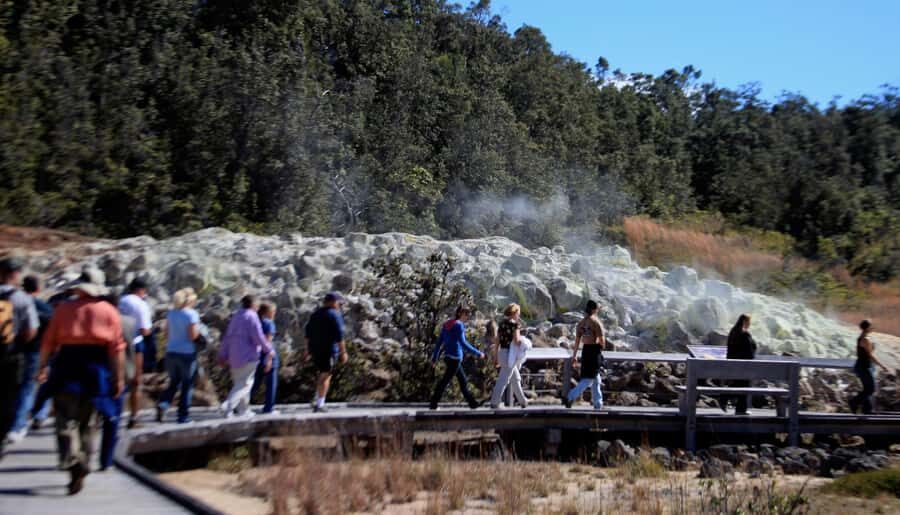
At some point during the park section, you’ll stop at Volcano House. It’s described as welcoming guests such as Mark Twain and Jack London since 1864. That gives the building a classic “Big Island institution” feel, and it’s a helpful place to pause.
You’ll enjoy the views, and you can also check out their gift shop if you want something small to mark the trip.
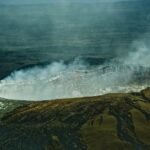
Then comes the evening highlight: lava glow viewing if weather and lava conditions permit. Two things to know so you don’t set yourself up for disappointment:
- Lava glow is conditional. Even with the best planning, nature sets the rules.
- The tour is still worth it without glow because you’ve already spent your time on major park stops that don’t depend on one specific visual moment.
If the glow does happen, though, it’s the kind of payoff that turns a long day into a core memory.
Meals, Snacks, and Entrance Fees: Why the Price Works
Let’s talk value, because $229 for a 12-hour tour can either feel like a splurge or feel like smart budgeting. Here’s what makes it add up.
You get:
- Lunch and BBQ dinner
- Snacks and beverages
- All entrance fees
- Hotel pickup from Kona or Waikoloa
- A live English-speaking tour guide
- Guided stops where timing and access matter (especially inside Hawaii Volcanoes National Park)
When you add up those pieces on your own, it’s not just the ticket cost. It’s the cost of entry fees, meal planning, and the hassle of coordinating a long, multi-stop day on a remote island road network.
Is it “cheap”? No. But it’s priced like a day tour should be priced: organized, guided, and full-service. If you hate spending your vacation doing logistics, this one earns its keep.
What the Best Guides Bring to This Day
A volcano tour lives or dies based on interpretation. It’s one thing to see lava-like scenery. It’s another to understand what you’re looking at and why it matters.
The reviews you shared highlight guides who combine friendliness with serious preparation. Names like Kenneth, John, Diego, and Hawaiian Ryan show up with the same pattern: clear explanations, practical guidance, and effort to keep the day enjoyable even when conditions don’t cooperate.
One of the most useful things I take from that is attitude. Weather at the volcano can be a moving target, and the guide’s job is to make sure you still leave informed and impressed. If you get the same kind of guiding spirit, you’ll get more out of every stop, even on a cloudy night.
Practical Tips for a Comfortable 12 Hours
This is where you can make your day easier.
- Wear closed-toe shoes. Open-toed footwear is not allowed.
- Bring a light jacket. Even in warmer months, evening at elevation can feel cool.
- Expect a day with both driving and walking. The crater/lava tube walk means you should dress for traction and comfort.
- Use your photo pauses wisely. Mauna Ulu and the park overlooks are the places where you’ll want steady footing and a calm pace.
Also, plan your energy. You’ll have meals included, but you’ll still want to avoid showing up hungry and exhausted. This itinerary is packed, and it’s much nicer when you start the day with decent sleep.
Who This Evening Volcano Explorer Suits Best
This tour is a strong match if you want a one-day blend of:
- Kona coffee culture
- South-coast black sand scenery
- Hawaii Volcanoes National Park highlights
- An evening chance at lava glow
It’s especially good for first-timers on the Big Island who don’t want to drive between far-flung areas. It also works for couples or friends who like being guided and want an efficient route.
It may not be ideal if you:
- Want lots of beach time with no other stops
- Dislike walking on crater/lava tube terrain
- Are sensitive to changing weather and the possibility that lava glow won’t happen
Still, even when conditions aren’t perfect, this tour is designed so you don’t waste your whole day waiting for one moment.
Should You Book This Evening Volcano Explorer?
I’d book it if your goal is a structured, high-impact evening that combines coffee country + black sand + volcano highlights without you playing navigation roulette. The included meals and entrance fees make it feel like a complete day, not a half-day with add-ons.
I’d hesitate only if you’re the type who needs guaranteed lava glow or you really dislike active walking. For most people, the conditional lava viewing doesn’t matter much because you’re also getting Kilauea Visitor Center, Volcano Art Center, Kilauea Iki overlook, the Nahuku lava tube walk, Mauna Ulu, and Volcano House.
If you can show up with closed-toe shoes, a light jacket, and a flexible attitude about weather, you’ll have a genuinely well-rounded Big Island evening.
FAQ
How long is the tour?
The tour runs for 12 hours.
Where does pickup happen?
Pickup is included from your hotel in Kona or Waikoloa.
What meals are included?
Lunch and a BBQ dinner are included, plus snacks and beverages.
Is lava glow viewing guaranteed?
Lava glow viewing is only available if weather and lava conditions permit, so it can’t be guaranteed.
What sites are visited inside Hawaii Volcanoes National Park?
You visit the Kilauea Visitor’s Center, the Volcano Art Center, the Kilauea Iki overlook, walk to Nahuku (lava tube) and back, and see Mauna Ulu. You also stop at Volcano House.
Is the coffee stop a tasting only, or do you see the farm?
You’ll visit a working Kona Coffee farm, see coffee growing on the trees, learn about the process, and sample 100% Kona coffee.
What should I wear?
Wear closed-toe shoes. Open-toed shoes are not allowed. Bring a light jacket.
What language is the guide?
The live tour guide speaks English.
Can I cancel if plans change?
Yes. You can cancel up to 24 hours in advance for a full refund.