REVIEW · ISLAND OF HAWAII
Big Island: Volcano Adventure
Book on GetYourGuide →Operated by Polynesian Adventure · Bookable on GetYourGuide
Volcanoes and waterfalls in one long day. This Hilo-based trip strings together Hawai‘i Volcanoes National Park, Nāhuku lava tube, big coastal stops, and Hilo town sights in about 11 to 12 hours. It’s a great way to see how the Big Island’s drama works, from steaming craters to underground lava plumbing.
I love the guided part most: your driver-guide ties what you’re seeing to the island’s volcanic history, so the day feels more than just photo stops. I also love the variety—after the park and lava, you get rainforest and waterfalls at ʻAkaka Falls, then gentler Hilo scenery and gardens before ending on black sand.
One consideration: it’s a long, packed day with a lot of driving and multiple walking moments. If you’re the type who hates rushing between stops, you’ll want to set expectations for an active itinerary and bring comfortable shoes.
In This Review
- Key things to know at a glance
- From Hilo to Kīlauea: how the 11–12 hour day works
- Hawai‘i Volcanoes National Park and Halema‘uma‘u Crater: your first big reality check
- Nāhuku (Thurston Lava Tube) and Chain of Craters Road: where the geology becomes tangible
- ʻAkaka Falls and the Hāmākua Coast: rainforest power with a 442-foot moment
- Hilo highlights: Rainbow Falls, Banyan Drive, and Lili‘uokalani Gardens
- Black sand beach finale: end on the island’s dramatic contrast
- What’s included in the $186 price—and why it can be good value
- Who this tour suits best (and who should think twice)
- Should you book the Big Island Volcano Adventure?
Key things to know at a glance
- Hilo pickup and round-trip transport: Most Hilo hotels are covered, and you’ll ride with a driver/guide for the whole day.
- Hawai‘i Volcanoes National Park time: You’ll see the ever-changing Halema‘uma‘u Crater area and steaming Kīlauea surroundings.
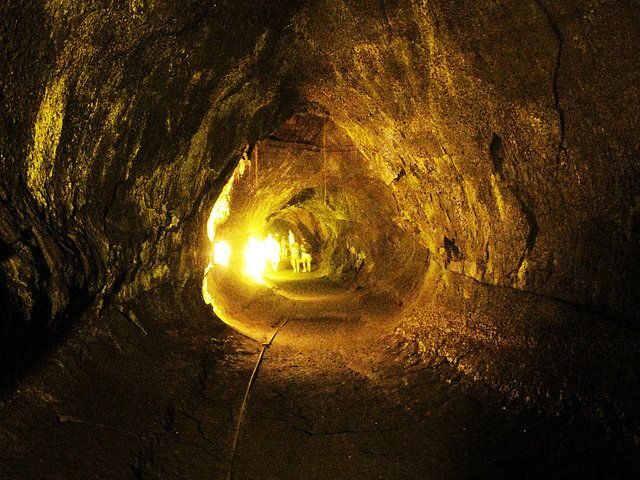
- Nāhuku (Thurston Lava Tube) walk: You get a real, walk-through look at what flowing lava left behind.
- Chain of Craters Road drive: Old lava flows meet coastal viewpoints for a strong visual payoff.
- ʻAkaka Falls + Hāmākua Coast: A 442-foot waterfall stop in dense tropical foliage.
- Hilo finale stops: Rainbow Falls, Banyan Drive, Lili‘uokalani Gardens, and a black sand beach.
From Hilo to Kīlauea: how the 11–12 hour day works
This is designed as a full-day sampler. You start in Hilo, then spend hours moving between volcanic terrain, rainforest waterfalls, and classic Hilo sights, ending back on the black sand shore. Because the tour runs about 11–12 hours (start times vary by availability), you’ll want to plan for a day that’s more “program” than “wander.”
Transportation is part of the value. Round-trip pickup from many Hilo hotels keeps you from dealing with car logistics for a day that includes different terrain and walking. The driver-guide format also matters: it helps the stops feel connected, not like you’re jumping between unrelated postcards.
You’ll also want to treat the itinerary like a warm-up and a finish line. The first half leans harder on geology. The later stops slow down a bit with waterfalls and gardens—still scenic, but with more “take your time and look around” energy.
Other Volcanoes National Park tours in Island Of Hawaii

Hawai‘i Volcanoes National Park and Halema‘uma‘u Crater: your first big reality check
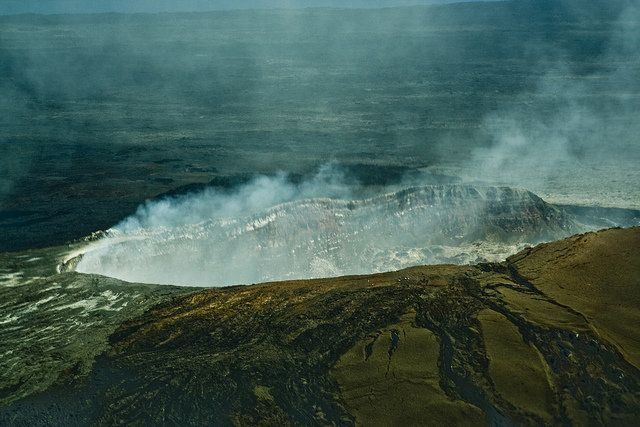
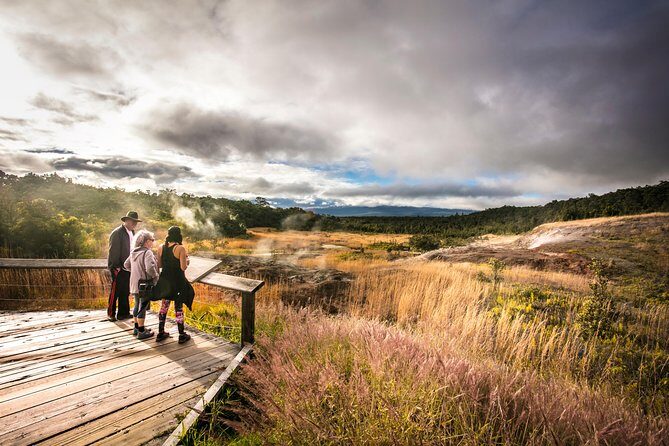
Your day kicks off at Hawai‘i Volcanoes National Park, where you’ll get a front-row look at ever-changing volcanic scenery. The focus is on Halema‘uma‘u Crater and the Kīlauea area—both tied to the idea that this island is alive, geologically speaking.
What I like about this start is how it sets the tone fast. You’re not just learning vocabulary like lava, vents, and craters; you’re seeing what those words look like in real life. Kīlauea’s steaming landscapes are mentioned as part of what you’ll encounter, and that detail is important: steam changes how the air feels and how the scenery looks from different angles.
If you’re the type who cares about good photos, this is where you’ll likely want to pay attention to timing within the park time you have. Steam, lighting, and the look of rock surfaces can shift quickly. Even if the schedule feels brisk, the park is the anchor stop, so try to stay mentally present here rather than saving all your attention for later.
Nāhuku (Thurston Lava Tube) and Chain of Craters Road: where the geology becomes tangible
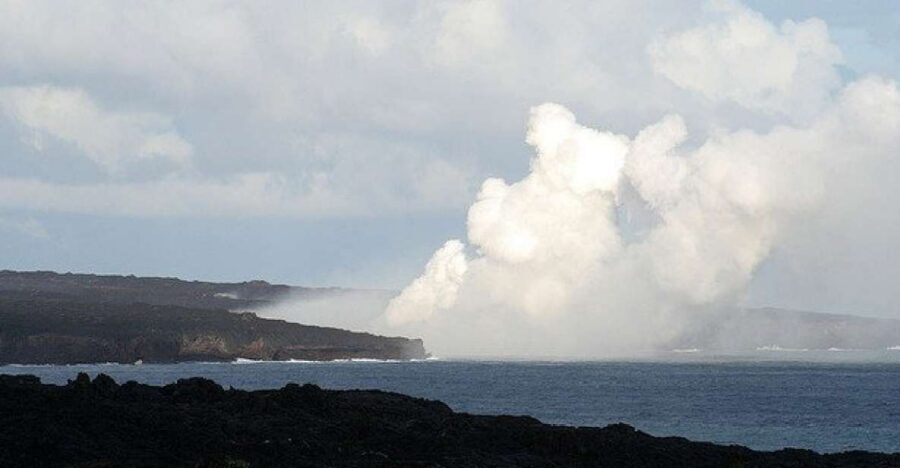
After the crater area, you’ll walk through Nāhuku (Thurston Lava Tube)—an underground tunnel created by flowing lava long ago. A lava tube walk is different from simply looking at rocks. You’re moving through the kind of structure that makes volcanic activity feel physical, like you’re stepping inside the Big Island’s past.
This stop is also where comfortable shoes matter most. Lava tube walking can involve uneven footing and surfaces that feel different from open-air trails. The good news: you’re on a guided day, so you’re not left guessing where to go or what to look for.
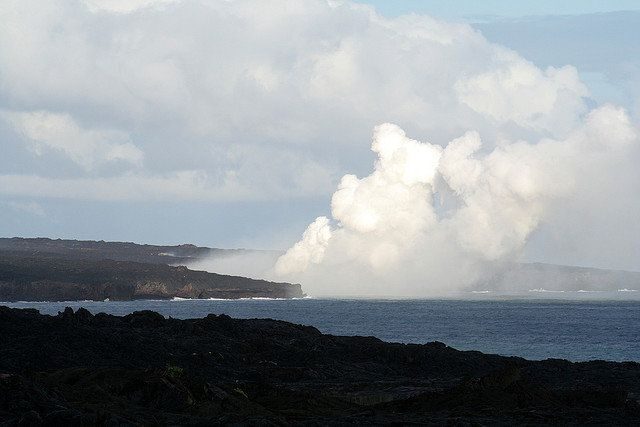
Then you’ll drive Chain of Craters Road, where old lava flows meet rugged coastal scenery. The value here is perspective. Up in the park you’re seeing volcanic features up close. On the drive, you see how those flows shape what comes next—how lava turned the terrain into something built for future coastlines and viewpoints.
If you’re prone to getting motion-sick, take this as a gentle heads-up: there’s plenty of road time between stops, and it’s a long day overall. Otherwise, it’s one of the most visual ways to understand the island’s layout without needing to plan your own driving route.
ʻAkaka Falls and the Hāmākua Coast: rainforest power with a 442-foot moment
Next comes the Hāmākua Coast region and ʻAkaka Falls, described as a spectacular 442-foot drop surrounded by dense tropical foliage. This is a different flavor from the volcanic start. The big theme becomes sound, mist, and the lush feeling of being in a rainforest environment.
I like waterfall stops that actually come with a sense of place, not just a quick look. Here, the framing is clearly rainforest-first: dense greenery surrounds the falls, so you’re not only seeing height—you’re experiencing how the area “holds” the waterfall. It’s a strong mid-day reset after the geology.
Because you’ll be out and around outdoors, bring yourself back to basics. Pace your breathing, keep an eye on slippery spots, and take your time even if the itinerary keeps rolling. Your guide can help you make smart choices on when to stop for photos versus when to keep moving so you don’t feel rushed at the falls.
Hilo highlights: Rainbow Falls, Banyan Drive, and Lili‘uokalani Gardens
Once you leave the heavier natural stops, the tour shifts into Hilo’s more human-scale highlights. This is where you’ll see how the Big Island’s scenery extends into town life.
Rainbow Falls is one of the signature stops. It’s specifically described as a waterfall where sunlight can create rainbows in the mist. That’s a great detail to know in advance: rainbows depend on conditions, so it helps to stay open-minded. Even without a visible rainbow, you still get a classic waterfall moment.
Then you’ll drive Banyan Drive, where famous figures planted towering banyan trees decades ago. This kind of stop is more about atmosphere than altitude. It’s a reminder that Hilo is not just a launch point for volcanos—it has its own long timeline of landmarks and stories tied to the town.
After that, you’ll stroll Lili‘uokalani Gardens, described as a manicured Japanese-style garden with scenic bridges, koi ponds, and views of Hilo Bay. This is one of the more relaxed parts of the day, and it balances the earlier “rough and wild” energy. It’s also a great place to slow down and look at smaller details, like how water features and pathways guide your views toward the bay.
If you enjoy mixing nature with well-kept gardens, this portion is a solid payoff. If you’re mostly there for volcanos, think of these stops as the calming chapters between the big geology pages.






Black sand beach finale: end on the island’s dramatic contrast
The last stop is a black sand beach, finishing the day with a strong visual contrast. Volcanic sand against deep Pacific blue water is exactly the kind of ending that makes the day feel complete: you started with volcanic heat and underground lava forms, and you end with volcanic material meeting open ocean.
This is a good moment for a reset. You’ve hit crater areas, tube walking, scenic drives, and waterfall watching. A beach stop is different. It’s often easier on the legs, and it’s great for soaking in a view without constant “new location” pressure.
If the timing is late-day for your schedule, the lighting can be gorgeous over water. Even if you don’t get long beach time, just take a few minutes to walk and look. On the Big Island, the contrast between sand, rock, and ocean is part of the island’s story—and it lands best when you’re not rushing.
What’s included in the $186 price—and why it can be good value
At $186 per person, this is priced as a full-day guided outing rather than a DIY drive. The value isn’t just the number on the ticket. It’s what’s bundled.
You get:
- Round-trip transportation from most Hilo hotels
- Hawai‘i Volcanoes National Park entry fee
- Driver/guide
- Bottled water
- Local treats
- To-go lunch
That adds up fast when you think about costs and time. Park entry can’t be skipped, and car rentals plus fuel plus parking plus coordinating multiple stops can be a hassle—especially for a day that’s already tight at 11–12 hours. The guide also reduces “thinking work” on your part. You spend your brain on enjoying rather than figuring out.
One more value point: lunch is handled as a to-go option. That means you’re less likely to lose time trying to find food at the right moment in remote areas. It’s not presented as a restaurant meal experience, so don’t expect a sit-down gourmet pause, but it’s practical.
And if you’re wondering about aerial views: a helicopter tour is not included here. If you want that style of experience, you’d need a separate option.
Who this tour suits best (and who should think twice)
This tour is a great fit if you:
- Have limited time on the Big Island and want a structured full-day with major highlights
- Prefer having a guide explain what you’re seeing, especially for volcanic sites
- Want more than just park time—this adds waterfalls, Hilo landmarks, and a black sand beach
- Like the comfort of pickup and transportation instead of planning your own driving day
Think twice if you:
- Don’t handle long days well. This runs 11–12 hours, with multiple stops and road time.
- Want free-form pacing at every location. The itinerary is built to cover a lot, so you’ll be moving.
- Are very sensitive to walking on uneven or changing surfaces. You’ll be walking in the lava tube and around outdoor areas.
Also, if you use a wheelchair, the tour is listed as wheelchair accessible, but you should still mentally plan for a day with transfers and outdoor elements.
Should you book the Big Island Volcano Adventure?
I’d book it if you want a single day that covers the Big Island’s best contrast: volcanic power, a lava tube walk, a major waterfall, Hilo garden and town highlights, and a black sand beach landing. The strongest part of the experience for me is the combination of scenery and an actually useful guide, so the day feels connected rather than random.
Skip—or at least reconsider—if you want a slow, flexible day or if long itineraries wear you out fast. This tour is built for momentum, not lingering.
If your priority is seeing the volcanic highlights from Hilo without planning a complex route, this is a solid value choice at $186—especially because the park entry and transport are already included.