REVIEW · ISLAND OF HAWAII
Big Island: Native Bird Watching & Hiking Tour
Book on GetYourGuide →Operated by Hawaii Forest & Trail · Bookable on GetYourGuide
Hakalau is one of those places where patience pays off. This 12-hour native bird watching and hiking day centers on the Hakalau Forest National Wildlife Refuge and the species that call it home, including endangered forest birds.
What I love most is the mix of real searching and real learning: you’re not just standing around, you’re getting guided bird tracking with a focus on how Hawaiian ecosystems work. I also love that the tour includes both effort and access, thanks to a 4WD Mercedes Sprinter and a hike up to 4 miles through uneven terrain.
One thing to consider: the roads and off-road routes can be a little bumpy, especially on a short-wheelbase vehicle. If motion sickness is an issue for you, this tour isn’t a good fit.
In This Review
- Key takeaways before you go
- Hakalau Forest National Wildlife Refuge: the real reason to schedule this day
- How the day flows: pickup, the long van stretch, then five focused hours in the refuge
- The 4WD Mercedes Sprinter rides: access without racing on foot
- Birding targets at Hakalau: what you might spot and why the guide’s tracking matters
- The hike: up to 4 miles, uneven ground, and how to handle it
- Lunch, snacks, and water: a “keep moving” setup that’s easy to plan around
- What the guide adds beyond spotting birds
- Who this tour is best for (and who should skip it)
- Price and value: what you’re really paying for at $287 per person
- Planning checklist: the stuff you’ll thank yourself for bringing
- Should you book this native bird watching and hiking tour?
- FAQ
- How long is the Big Island Native Bird Watching & Hiking Tour?
- How big is the group?
- Where do pickups and drop-offs happen?
- Is hotel pickup included?
- How much hiking do you do?
- What birds and wildlife does the tour focus on?
- What transportation is provided?
- What food and drinks are included?
- What should I bring and wear?
- Who should not book this tour?
- What are the cancellation terms?
Key takeaways before you go
- Hakalau Forest National Wildlife Refuge access focused on forest birds in a protected setting
- Up to 4 miles of hiking on uneven or rocky terrain with hiking sticks provided
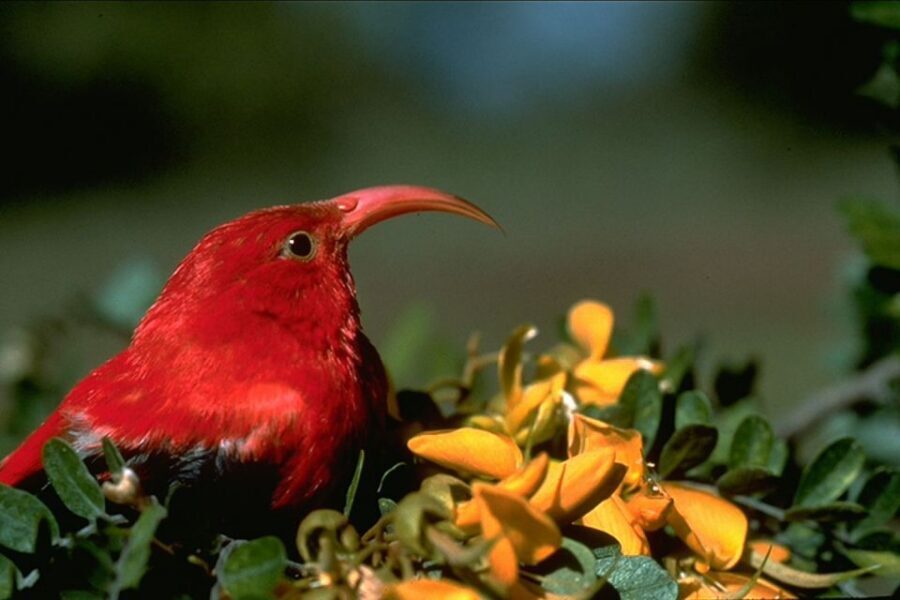
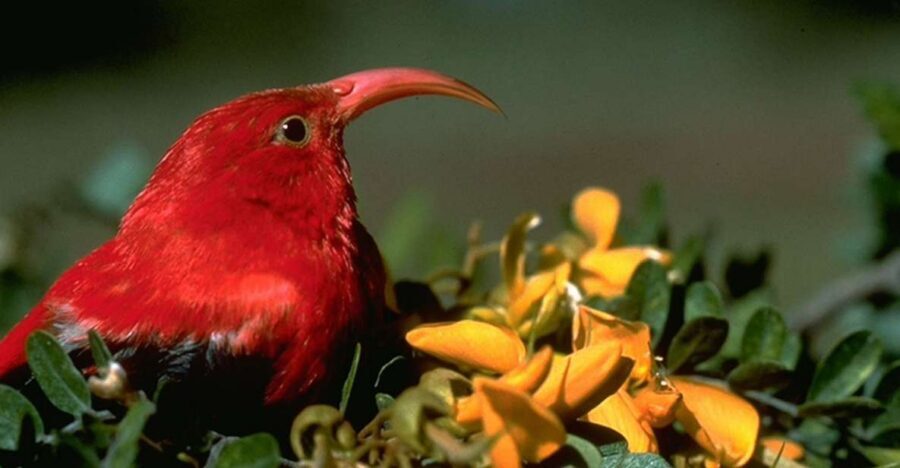
- Target species list includes I‘iwi, ‘Apapane, Pueo, ‘Akiapōlā’au, Amakihi, Elepaio, ‘Ōma’ō, and ‘Io
- 4WD Mercedes Sprinter rides to reach off-the-beaten-track birding spots
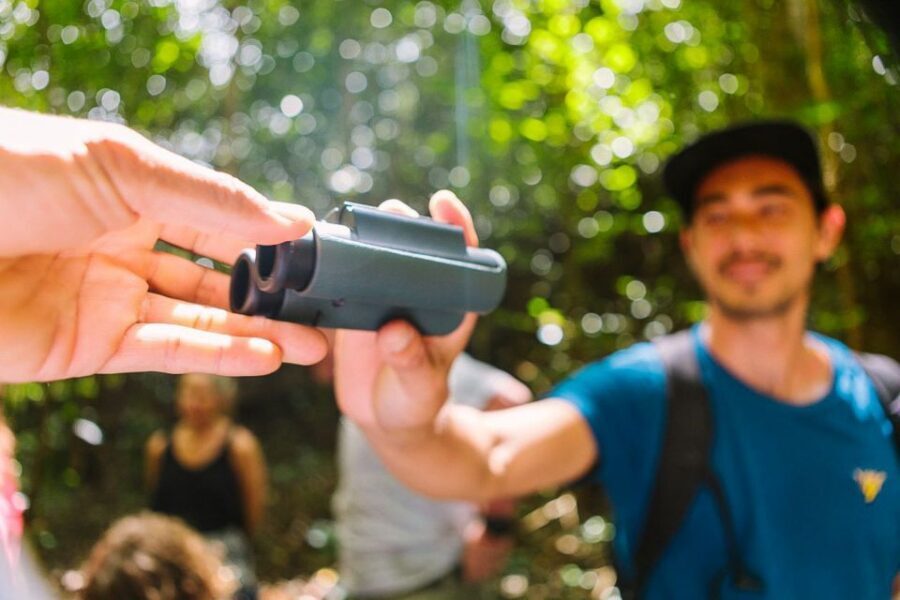
- Gear and comfort items included like binoculars, rain gear, daypacks, reef-safe sunscreen, and reef-safe sunscreen
- Small group size (up to 9) so the guide can keep eyes on birds and make viewing easier for everyone
Hakalau Forest National Wildlife Refuge: the real reason to schedule this day
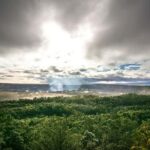
If you want Hawaiian birds, Hakalau is the type of place you plan around, not just pass through. This tour is designed for forest-bird habitat, in the first refuge established for forest birds, and it uses a guided approach that treats birding like a skill, not a hope.
The experience is also built around the idea that birds don’t float free of their environment. In addition to searching for endangered and native birds, you’ll spend time looking at rare native plants and other wildlife. Even carnivorous caterpillars are on the radar, which is a nice reminder that the refuge is a whole system, not a bird show with a soundtrack.
The group’s pace matters here. The tour is limited to 9 participants, which helps keep the day from feeling like a stampede. You’re hiking and scanning, but you’re not constantly fighting for space around the guide.
Other hiking tours in Island Of Hawaii


How the day flows: pickup, the long van stretch, then five focused hours in the refuge
The tour runs about 12 hours total, and it starts with pickups in the Kona and Waikoloa area. Your pickup options include Waikōloa Plaza, Hawaii Forest & Trail Kona Headquarters, Queens’ Marketplace, and Four Seasons Resort Hualalai. Drop-off is at select central points again, including those same areas.
A practical note: your pickup time may be different from the tour start time you see online. That mismatch is worth double-checking with the provider so you don’t end up waiting at the wrong hour.
The first van ride is roughly 2 hours. Then you reach Hakalau, and the day’s main block is about 5 hours inside the refuge, with lunch and guided time mixed in.
After that, you head back by van for another 2 hours and end where you started from, based on your selected drop-off location. That structure is one of the tour’s strengths: you get enough time on-site to actually search and learn, but you’re not stuck out there so long that everyone burns out.
The 4WD Mercedes Sprinter rides: access without racing on foot
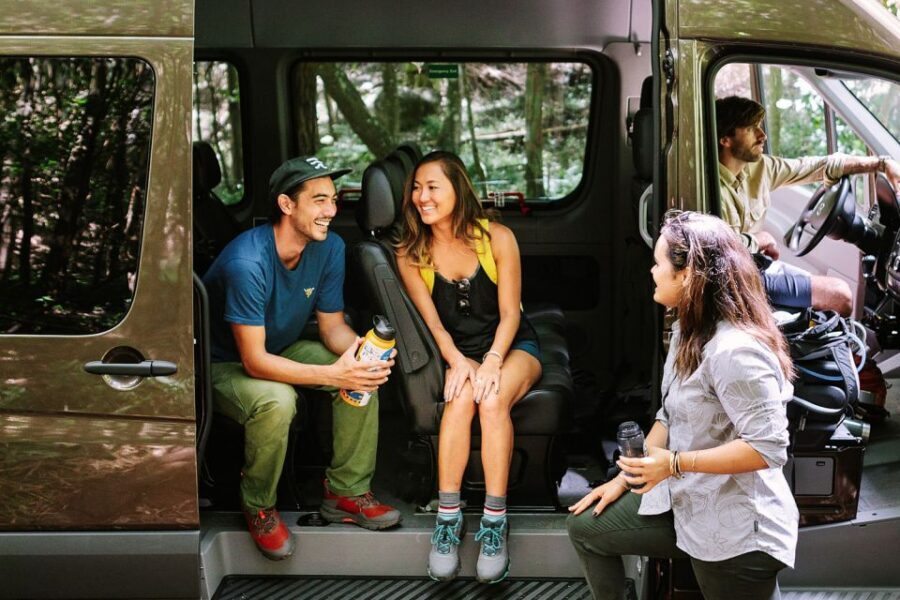
A lot of Big Island birding efforts end up being a tradeoff between comfort and reach. This tour solves it with transportation that can go where you want to look. You cross the refuge in a 4WD short-wheelbase Mercedes Sprinter to reach off-the-beaten-track spots.
That matters because forest birds often show up where you’re not likely to stumble into by accident. The vehicle access helps put you near productive areas so you can spend your energy scanning rather than guessing.
The potential downside is the ride itself. One participant thought the off-road portions were a bit rougher than ideal. That aligns with reality: short-wheelbase vehicles can feel more jostly on uneven ground. If you’re sensitive to motion, take the tour’s suitability rules seriously. Motion sickness is specifically listed as a no-go.
Birding targets at Hakalau: what you might spot and why the guide’s tracking matters
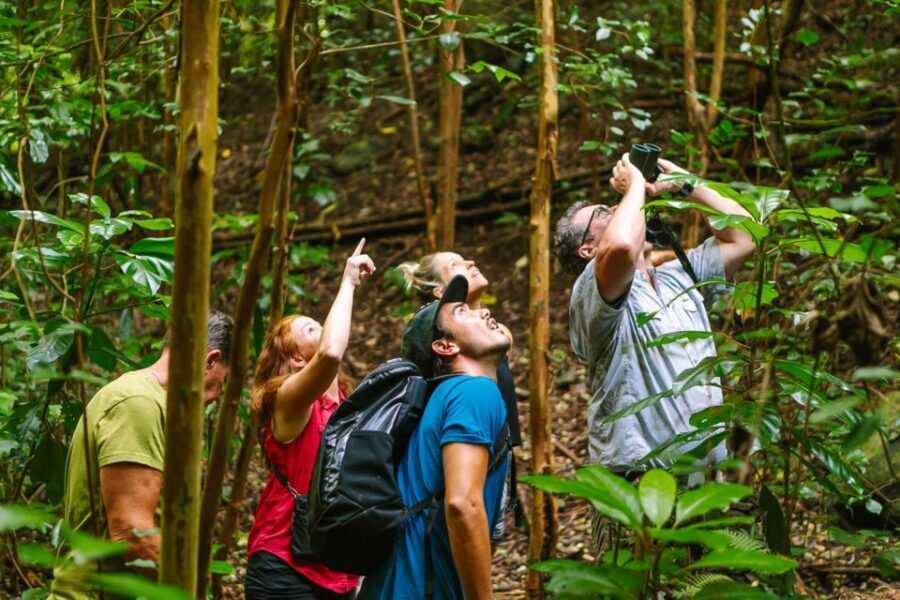
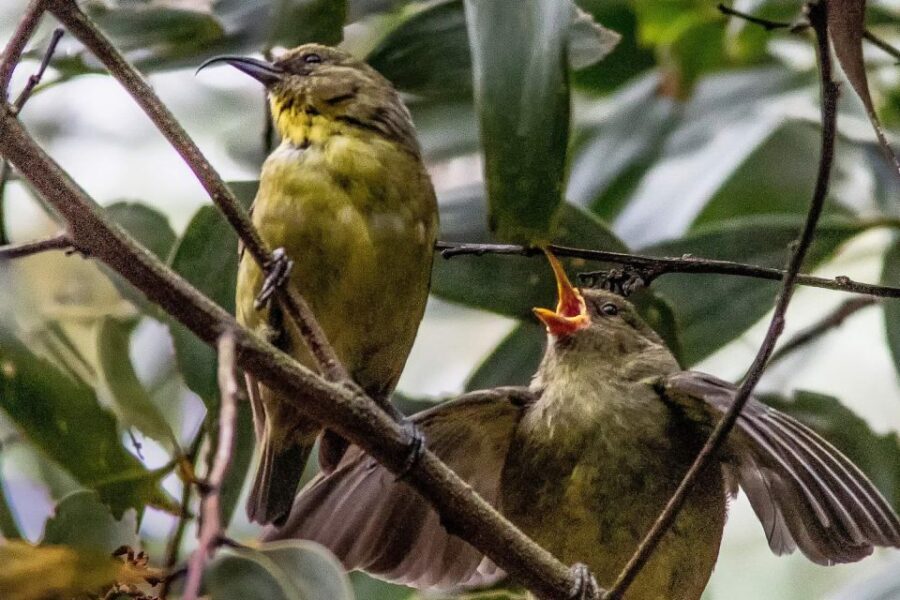
The heart of this tour is searching for native and endangered forest birds. Instead of treating sightings as random luck, the guide uses bird tracking skills to improve your odds and to help you understand what you’re seeing when you do find them.
Here’s the tour’s target set, which gives you a clear idea of the day’s focus:
- I‘iwi
- ‘Apapane
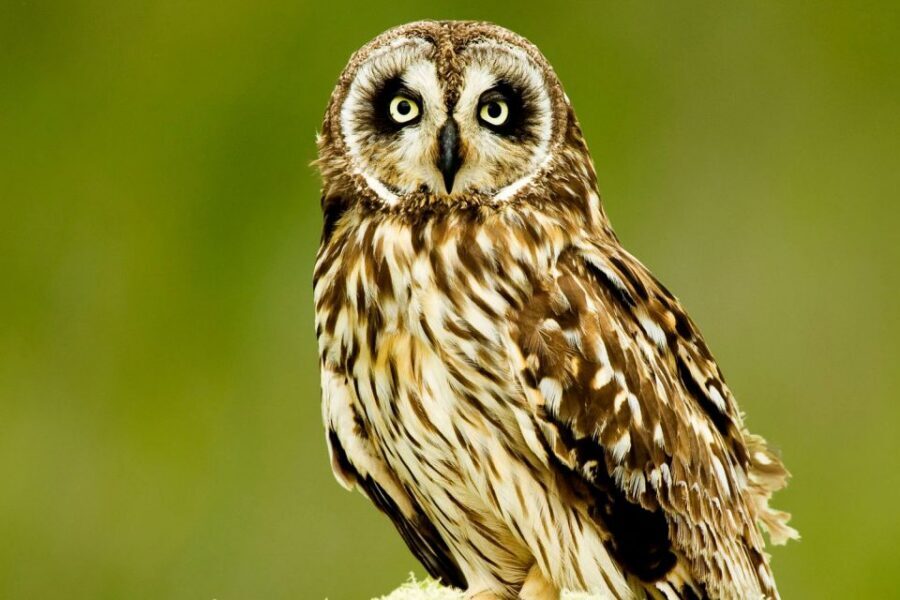
- Pueo
- ‘Akiapōlā’au
- ‘Amakihi
- Hawai‘i Creeper
- Elepaio
- ‘Ōma’ō
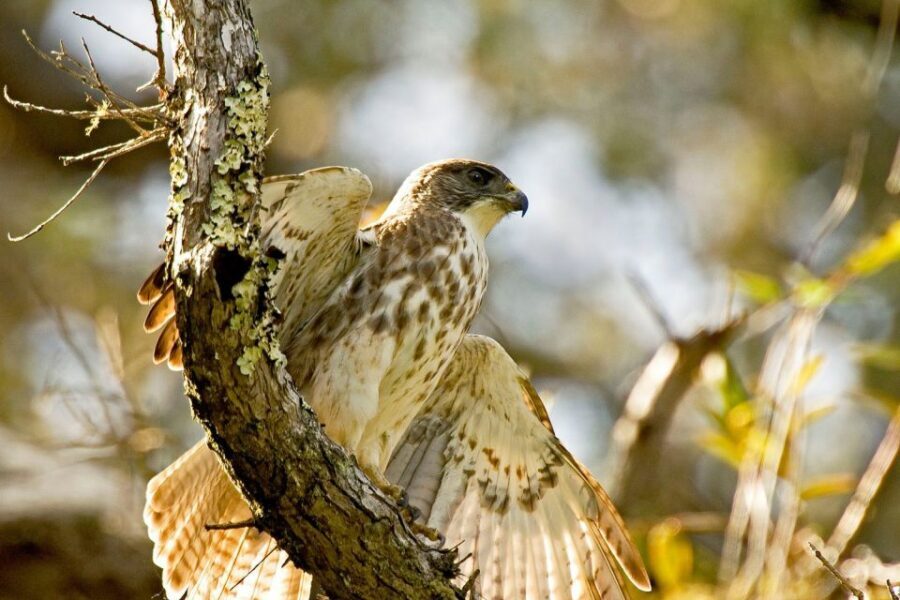
- ‘Io (Hawaiian hawk)
A tour like this is valuable even when you don’t see every listed bird. The point is that you’re learning how to read the habitat. You’ll start noticing feeding habits, movement patterns, and where birds tend to show themselves in forest conditions. That knowledge is what turns one-off sightings into a repeatable skill.
One detail I really like: the guide works to make sure everyone gets viewing opportunities. That turns a group nature day into something more fair. Smaller group size helps, but so does the guide’s effort to keep the whole crew positioned for good looks.
The hike: up to 4 miles, uneven ground, and how to handle it
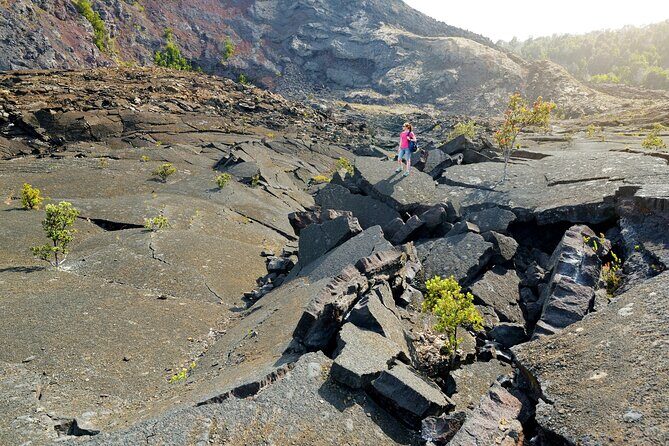
Even with the vehicle access, you’ll still hike. The tour includes an up-to 4-mile hike, and the terrain can be uneven or rocky. Closed-toe shoes aren’t optional here, and the tour is explicit: bring footwear that can handle rough ground.
This is where the included hiking supports help. You’re given hiking sticks, which are useful for balance on uneven footing. If your knees don’t love downhill, take it slow and treat this as a steady walking day, not a workout.
Dress for wet and cool conditions. The refuge area can be cool, wet, or muddy, and temperatures can shift. You’ll be happier if you wear layers that you don’t mind getting dirty. The tour does include rain gear, which helps, but layers still matter because rain and mist can change fast.
Also keep in mind what you’re not allowed to wear: sandals or flip flops and open-toed shoes are prohibited, and shorts aren’t allowed. Long pants are part of the rules, so pack accordingly.



Lunch, snacks, and water: a “keep moving” setup that’s easy to plan around
This is a full day, so the food plan has to keep energy stable while you’re hiking and searching. You get breakfast snacks, plus snacks throughout the day. Lunch is a deli-style lunch.
Water is also part of the setup, but with a specific twist. There’s a water station for refills, and you should bring your own reusable bottle. The tour notes that bottles aren’t provided, so leaving home without one is a common mistake.
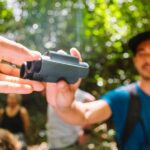
The daypack approach is practical. You receive daypacks and other gear, which helps you carry what you need without improvising. The inclusion list also covers your sun and weather needs with reef-safe sunscreen and a rain gear kit.
If you’re the type who likes to snack constantly while scanning, this plan should suit you well. You won’t be stuck waiting for one long break.
What the guide adds beyond spotting birds
Birding tours can vary a lot in how much they teach. This one is built around a professional guide with bird-tracking skills and a focus on Hawaiian nature.
You’ll learn not only the names on the bird list, but also how the refuge is managed for forest birds. That management angle is important because it explains why certain areas are accessible and why the tour follows a structure designed around conservation.
In the same spirit, the guide’s storytelling seems to be part of the value. In previous departures, guides like Gary or Garry brought both expertise and story to the walk. That’s a small detail, but it changes the vibe: instead of a quiet scramble, you get a day with context while you’re listening and watching.
And because the tour time inside the refuge is limited, the guide has to keep moving intelligently. You get the feeling that the day is planned so you spend time where it counts.
Who this tour is best for (and who should skip it)
This is a strong fit for:
- Nature-lovers who enjoy walking but want a guided focus on wildlife
- Birdwatchers who are happy when the day is about habitat and skills, not just a checklist
- People who want a small group pace and a guide who helps everyone see
It’s not a fit for several groups, and the rules are clear:
- Children under 8
- Pregnant women
- People with back problems
- People with mobility impairments
- People with motion sickness
If you’re unsure, consider the hike length, the rocky/uneven ground, and the vehicle ride. Even if you’re physically capable, motion sensitivity and uneven terrain can make the day miserable.
Price and value: what you’re really paying for at $287 per person
At $287 per person for a 12-hour day, this isn’t a cheap impulse outing. The value comes from what’s included and what the tour is trying to accomplish.
You’re paying for:
- Access and movement within the Hakalau Forest National Wildlife Refuge area, using a 4WD Mercedes Sprinter
- A licensed/professional bird tracking guide focused on endangered native species
- Small-group handling (max 9 participants)
- Equipment that reduces your planning stress: binoculars, hiking sticks, daypacks, rain gear, and reef-safe sunscreen
- Food and basic supplies: breakfast snacks, deli-style lunch, and snacks, plus refill water via station access
So yes, you could spend less on a general hike. But those tours often don’t provide the same level of habitat-focused bird tracking, the same specific target list, or the same gear support. Here, you’re buying a structured day that’s designed to make your time count inside the refuge.
Planning checklist: the stuff you’ll thank yourself for bringing
If you follow the tour rules, your day will feel smoother and more comfortable.
Bring:
- A hat
- A jacket and weather-appropriate layered clothing
- Long pants
- Clothes you can get dirty
- Closed-toe shoes
- A reusable water bottle
Don’t bring:
- Sandals or flip flops
- Pets
- Smoking
- Alcohol and drugs
- Open-toed shoes
- Shorts
If you want one simple strategy: dress for mud and mist, even if the morning looks fine. In forest conditions, conditions can change fast.
Should you book this native bird watching and hiking tour?
Book it if you want a guided, conservation-focused forest bird day where the guide’s tracking and habitat knowledge are the point. The small group size and the combination of vehicle access plus up-to-4-mile hiking make it a smart choice if you’re active but don’t want to spend the whole day guessing where birds might be.
Skip it if you’re likely to struggle with uneven, rocky terrain, or if motion sickness is an issue. Also skip it if your ideal pace is totally flat, totally cushioned, and totally flexible. This is a structured nature outing with rules for a reason.
If you’re the kind of traveler who loves learning as you walk, and you’re excited by species like I‘iwi, ‘Apapane, Pueo, and ‘Io, this tour fits your mindset.
FAQ
How long is the Big Island Native Bird Watching & Hiking Tour?
The tour duration is 12 hours.
How big is the group?
The tour is a small group limited to 9 participants.
Where do pickups and drop-offs happen?
Pickup and drop-off are included from select meeting locations in the Kona and Waikoloa areas. Pickup locations include Waikōloa Plaza, Hawaii Forest & Trail Kona Headquarters, Queens’ Marketplace, and Four Seasons Resort Hualalai. Drop-offs are at select central points including those same areas.
Is hotel pickup included?
Hotel pickup and drop-off are not included. You use the select meeting locations.
How much hiking do you do?
You hike up to 4 miles. The terrain can be uneven or rocky.
What birds and wildlife does the tour focus on?
You’ll search for native and endangered birds such as Amakihi, Apapane, Elepaio, I‘iwi, Pueo, ‘Akiapōlā’au, Hawai‘i Creeper, ‘Ōma’ō, and ‘Io, plus rare native plants and animals like carnivorous caterpillars.
What transportation is provided?
You travel in a 4WD short-wheelbase Mercedes Sprinter to access locations within the refuge.
What food and drinks are included?
You get breakfast snacks, a deli-style lunch, and snacks. There is a water station for refills, but no water bottles are provided.
What should I bring and wear?
Bring a hat, jacket, long pants, weather-appropriate clothing, clothes that can get dirty, and closed-toe shoes. Bring a reusable water bottle.
Who should not book this tour?
It is not suitable for children under 8, pregnant women, people with back problems, people with mobility impairments, or anyone who experiences motion sickness.
What are the cancellation terms?
You can cancel up to 24 hours in advance for a full refund.