REVIEW · ISLAND OF HAWAII
Big Island: Off the Beaten Path Volcano Crater Hike
Book on GetYourGuide →Operated by Hawaii Forest & Trail · Bookable on GetYourGuide
Fissures up close on Hawaii’s quieter side. This exclusive Hualalai Volcano hike takes you into areas that feel a lot like Hawaii Volcanoes National Park, but without the crowds and the long slog of getting there. You’ll walk through cloud forest, volcanic craters, and fissures, then stand where the ground drops away into the earth below.
What I love most is the mix of access and geology: you get private entry onto Hualalai’s upper slopes, plus that spine-tingling crater-edge moment. I also like that the hike is made beginner-manageable with walking sticks, rain gear, and a real nature guide who explains what you’re seeing and why it matters. One thing to consider: there’s no lunch included, so if you don’t plan snacks, the day can feel longer than the 5-hour schedule.
In This Review
- Key things that make this hike worth it
- Starting at Hawaii Forest & Trail in Kona
- The 35-minute van ride up Hualalai: why it’s part of the payoff
- Private access on Hualalai Volcano: what you’re really buying
- Entering the cloud forest: the hike that feels calm but isn’t easy
- The crater edge and fissures: the moment your brain goes quiet
- Lava tube option: when the tour adds an extra level of hands-on
- What’s included makes a difference on this kind of day
- The included gear list: what to wear and what to bring
- Pacing and how to get the best experience with the group
- Price check: is $198 a fair deal for 5 hours?
- Who should book this hike
- Should you book the Off-the-Beaten-Path Hualalai Crater Hike?
- FAQ
- FAQ
- How long is the full tour?
- How many miles will I hike?
- Is lunch included?
- What’s included in the price?
- Do I need to bring a water bottle?
- What kind of shoes should I wear?
- Is there an optional lava tube segment?
- What’s the group size?
- What are the age and mobility limits?
- Are there any rules about what I can bring or do?
Key things that make this hike worth it
- Exclusive private access on Hualalai, into areas not open to the general public
- A 3–4 mile hike through cloud forest, craters, and fissures with guided interpretation
- Crater-edge views that show just how far volcanic activity can drop into the earth
- Optional lava tube segment, for an extra hands-on way to see volcanic plumbing
- Small group size (max 10), which usually means more attention and fewer “lost in the crowd” moments
- Smart included gear like walking sticks and rain protection, so you’re not scrambling at the last minute
Starting at Hawaii Forest & Trail in Kona
Your day begins at the Hawaii Forest & Trail Kona Headquarters, which is directly across from Home Depot, below the Hawaii Community Federal Credit Union. Parking is available in the unmarked stalls in their lot, so you’re not circling the area with your daypack and your patience.
Timing matters here. The tour runs about 5 hours total, and a big chunk is travel plus hiking. Plan on being ready to move when you arrive, because this is an active walk, not a scenic drive with occasional photos.
The good part: the organization is geared toward hikers. You’ll show up, get sorted, and then the focus becomes the terrain—uneven, rocky, and real enough to keep you awake in a good way.
Other hiking tours in Island Of Hawaii


The 35-minute van ride up Hualalai: why it’s part of the payoff
After you meet up, you’ll ride by van for about 35 minutes toward Hualalai’s upper slopes. That ride doesn’t feel like wasted time. It’s the transition from Kona’s rhythm to a more remote volcanic world.
This also helps you avoid the two most common problems with volcano sightseeing: crowds and drive time. The hike gives you access to restricted-feeling areas without needing to commit your whole day to long lines or endless transfers.
When you get out, you’re not just “visiting a viewpoint.” You’re stepping into the kind of ground where the rules change: footing gets uneven, weather can shift, and the scenery isn’t generic. It’s geology up close.
Private access on Hualalai Volcano: what you’re really buying
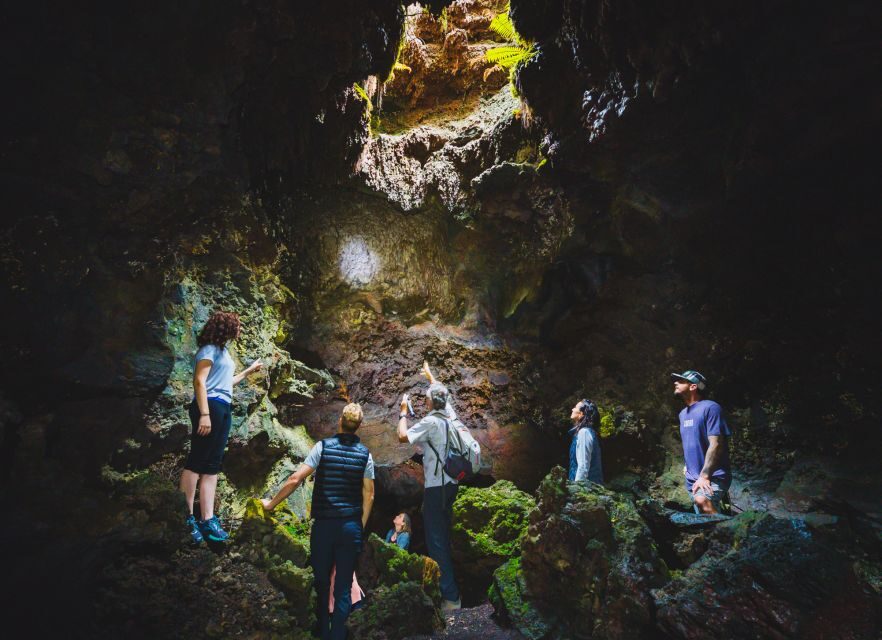
This tour’s headline is exclusive private access onto Hualalai Volcano. That means you’re not following the standard public-route patterns. Instead, you’re guided onto upper slopes and into parts that are restricted to the public—areas that share a “Hawaiian Volcanoes National Park” style of features.
I like what that does for your mindset. You feel like you’re getting information and access, not just walking past the same lookouts everyone else uses. And because you’re moving through the terrain, you see relationships: forest to crater, fissure to view, and how the land formed rather than just how it looks.
The guide piece is big here. You’re not left with a trail map and guesswork. Nature guides on this route explain volcano formation and the environment around you, and they also bring in Hawaiian tradition and context. In particular, people have singled out guides like Toro for sharing Hawaiian tradition stories along the hike, and Rob for being ready for any weather and keeping the day running smoothly.
Entering the cloud forest: the hike that feels calm but isn’t easy
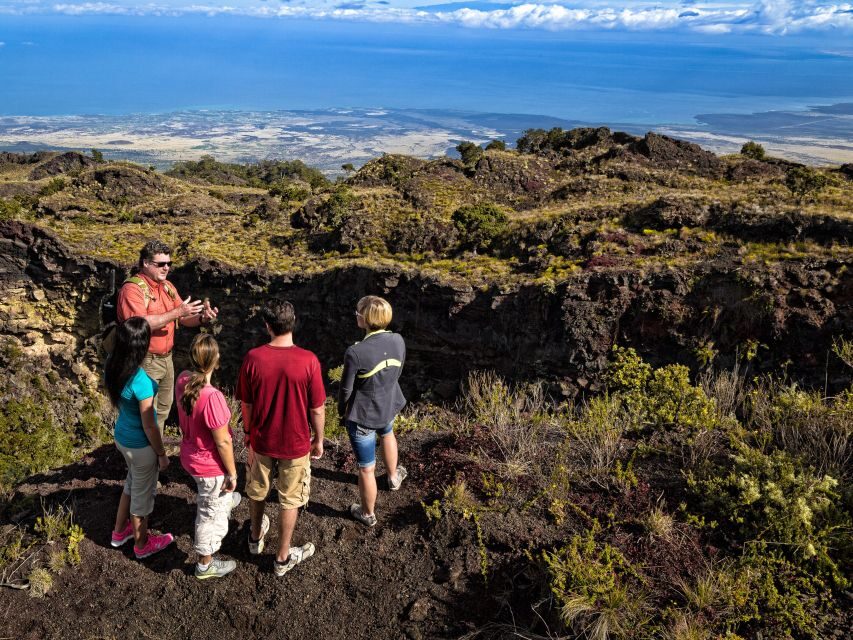
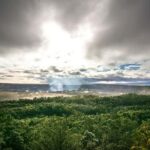
Once you’re on the route, you’ll hike about 3–4 miles over roughly 4 hours of walking at Hualālai. The terrain mixes volcanic ground with native Hawaiian cloud forest. That usually means you should expect damp patches, uneven footing, and a lot of time with your eyes on both the trail and the ground detail.
A key detail: this isn’t a flat nature stroll. The tour expects you to be comfortable on uneven or rocky terrain. You’ll be given walking sticks, which helps. Still, you should treat this as a hike with real footing demands, not a casual stroll.
You’ll also get the kind of pacing that makes sense for crater geology: stop, look, listen, move on. People who went as first-timers have noted it can work well if you pay attention to the requirements and wear good hiking gear.
Practical note for photos: the best views come after some movement. If you only stop to shoot, you’ll feel rushed. If you accept a few slower moments for crater-edge views, you’ll come away with better memories than just images.
The crater edge and fissures: the moment your brain goes quiet
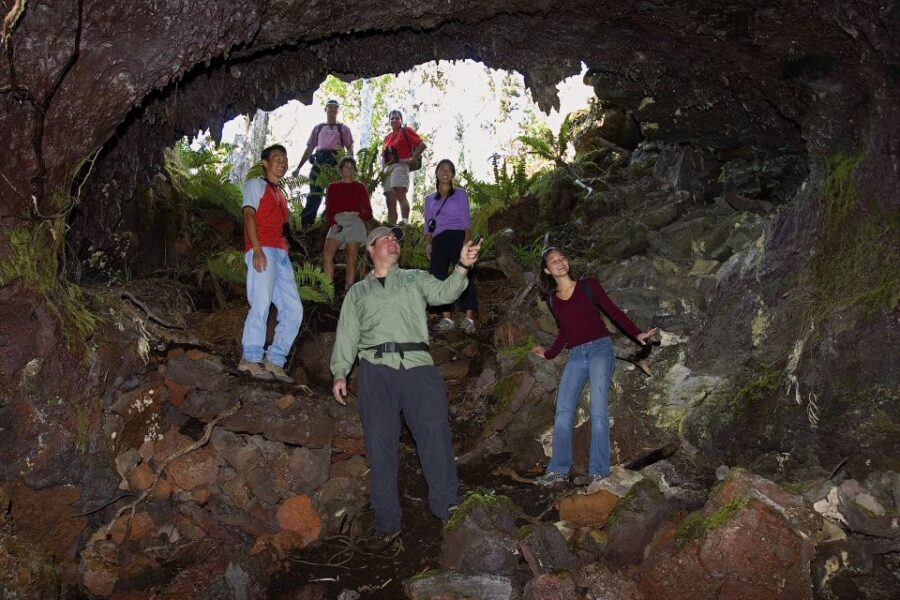
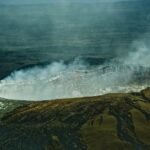
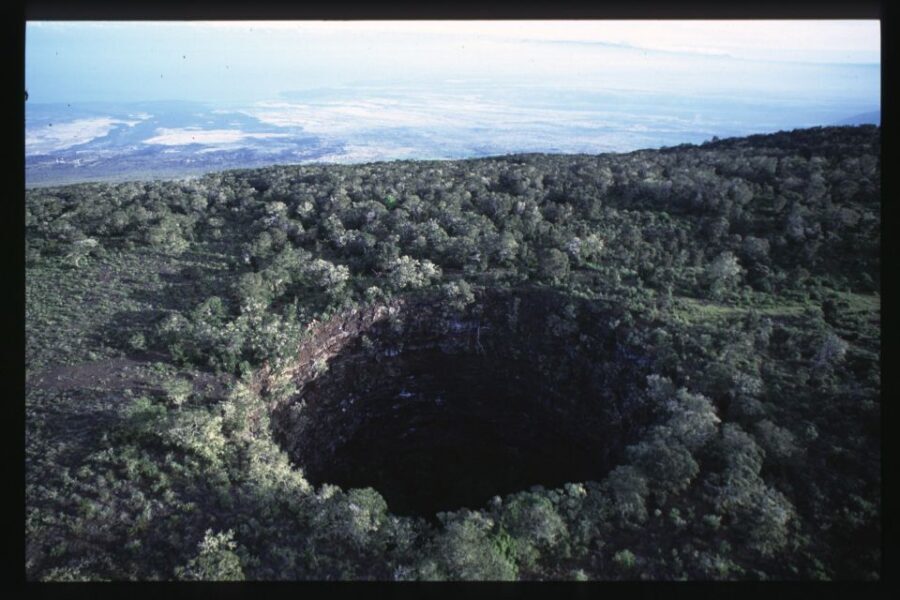
The big wow factor is standing near massive craters and fissures formed by Kona’s most recent eruption. The tour includes time to stand at the edge of volcanic craters that plunge deep into the earth below, and that sight is not subtle.
It changes how you experience the landscape. You stop thinking of it as “a volcano.” You start thinking of it as a set of processes—cracking, shifting, breaking, cooling—visible in layers. The fissures are especially interesting because they’re not only scenic. They’re functional clues to what happened and how the land broke open.
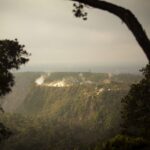
I also love how the view connects to location. You can see panoramic areas over 5,000 feet above the Kona coastline, which gives you scale fast. It’s one thing to know Hawaii has active geology. It’s another to stand above it and feel the vertical distance in your body.






Lava tube option: when the tour adds an extra level of hands-on
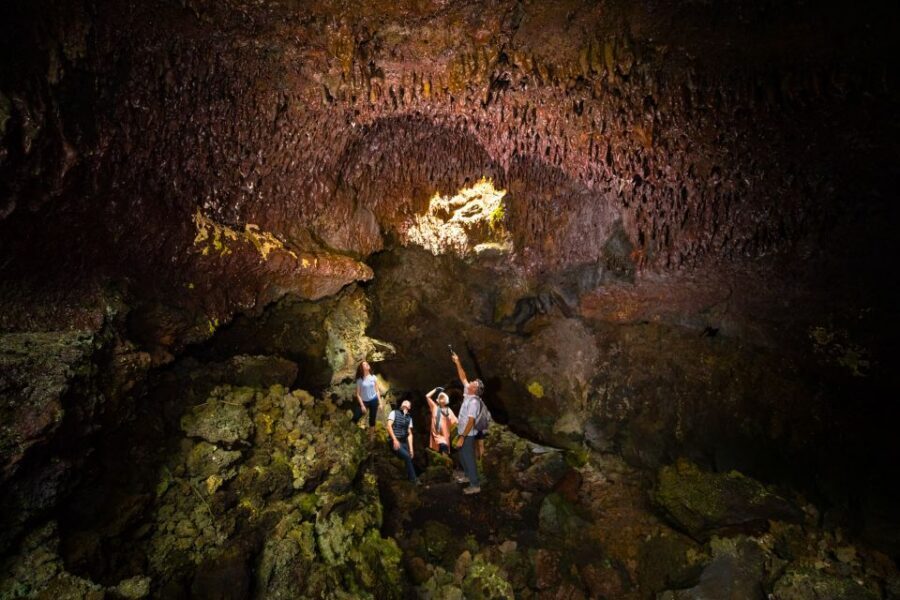
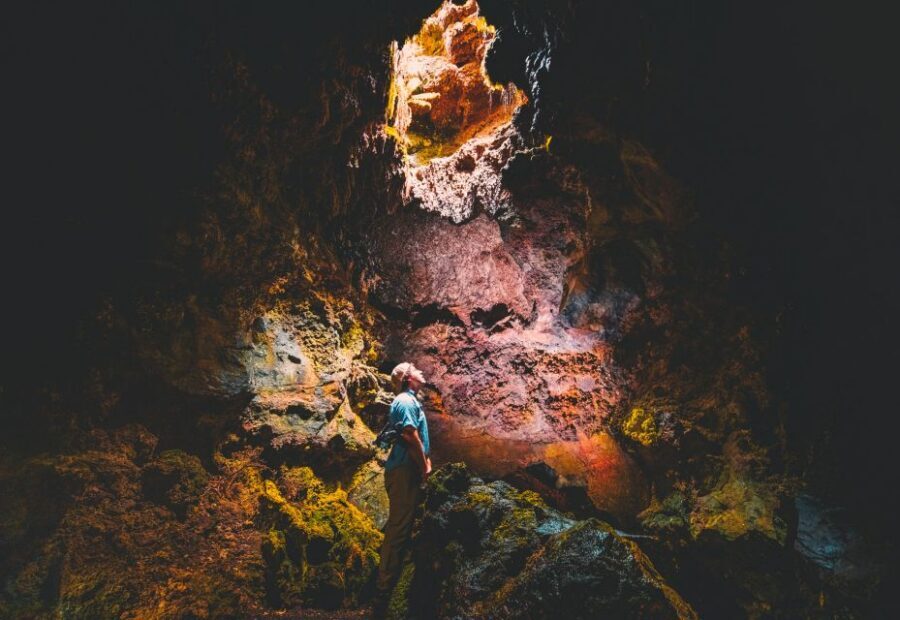
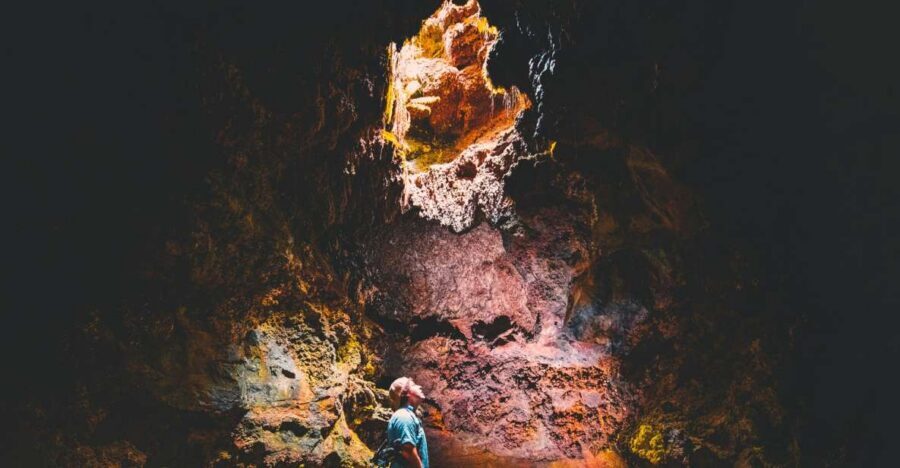
There’s an optional segment where you can climb through part of a lava tube. If you’re the kind of traveler who likes to see how lava moved, this is the best add-on on the route.
One of the strongest reactions in the reviews was from a family who said their 11-year-old especially loved the lava tube segment. That makes sense. A lava tube is immediate. You’re not just looking at a formed feature—you’re moving through the space created by volcanic action.
This option matters for value because it can turn a great hike into a “now I get it” experience. Still, keep in mind you’ll need to be comfortable with the physical demands of that segment, since the tour overall is not aimed at people who need mobility accommodations.
What’s included makes a difference on this kind of day
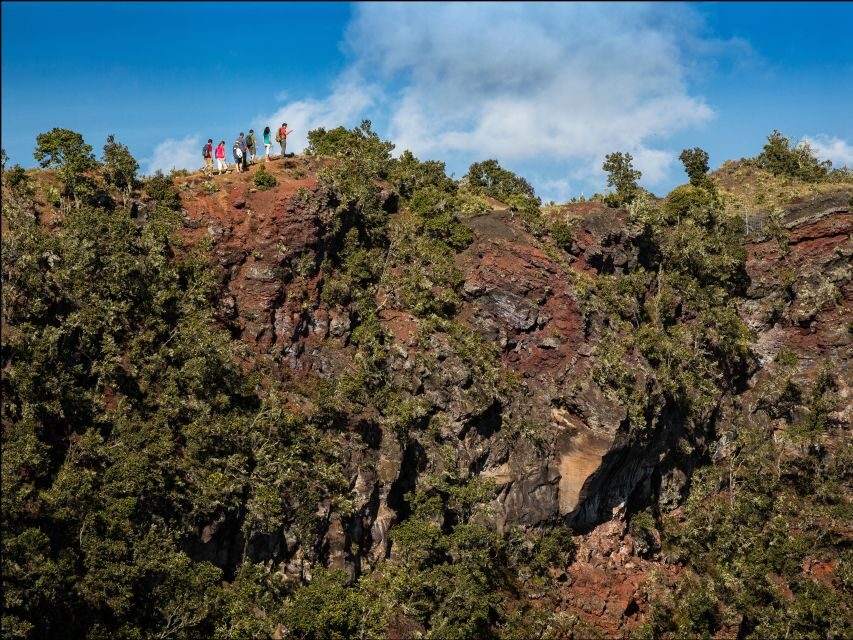
A hike like this lives or dies by what you don’t have to manage yourself. Here, you get walking sticks, day packs, and rain gear. You also get sunscreen and bug repellent, plus filtered water, sparkling water, and juices.
That’s a smart mix. Rain gear matters because you’re walking in a cloud forest environment where weather shifts can happen. Sunscreen and bug repellent matter because you’re hiking for hours. Water and drinks matter because there’s no lunch included, so hydration and small energy breaks become your responsibility.
You should still bring a reusable water bottle if you can. The tour notes this as a requirement, and it’s also the easiest way to stay hydrated without juggling a bottle-less system.
The included gear list: what to wear and what to bring
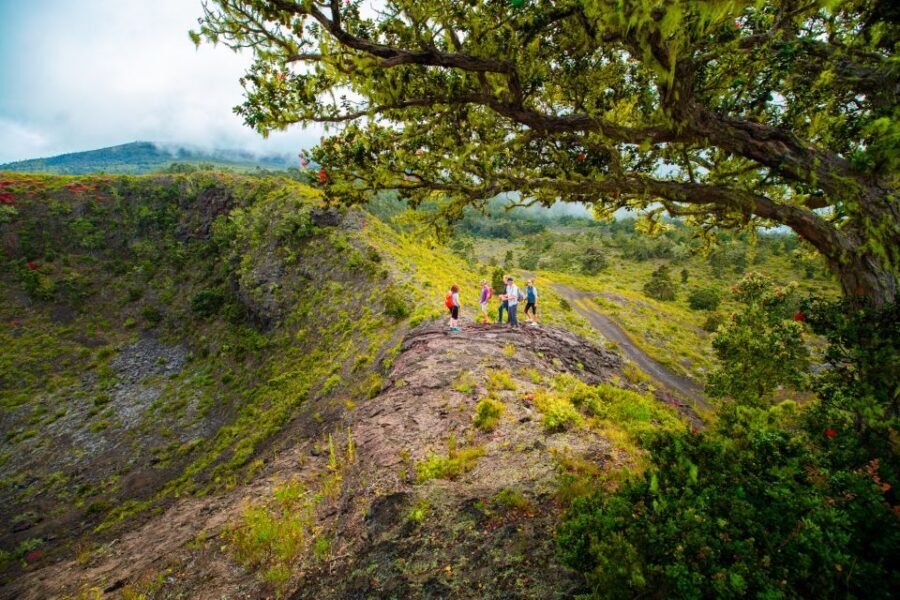
You’ll get the guided part, the nature interpretation, and key hike support. You provide the essentials.
What to bring:
- Closed-toe shoes with grip for rocky ground
- Reusable water bottle
- A hat and sunscreen are strongly recommended
- A light sweatshirt or jacket, since conditions can change
The tour also says no luggage or large bags, plus no alcohol or drugs, and no smoking. That’s not just rules for fun; it helps keep the group moving and keeps gear compact in a tight hiking schedule.
Small but useful tip: if you hate stopping to adjust clothing mid-hike, wear layers you can tolerate when it’s cooler and damp, then still breathe when the pace picks up.
Pacing and how to get the best experience with the group
Small group means you’re not stuck behind a wall of strangers. This is limited to 10 participants, which generally helps the guide keep eyes on everyone.
That said, hiking through craters and fissures takes attention. One feedback note was that the guide could have gone slower and that adults sometimes couldn’t see the group ahead. In practical terms, this means you should plan to move steadily and keep up early rather than assuming there’ll be frequent short breaks.
If you want maximum photo time or you’re a slower hiker, start by being honest with yourself about your pace. You’ll likely enjoy the tour more if you let the guide’s rhythm set the tempo.
Also remember: you don’t just need to “finish.” You need to be able to navigate uneven ground safely, especially near crater edges where you’ll be looking outward and down.
Price check: is $198 a fair deal for 5 hours?
At $198 per person, you’re paying for more than a hike. You’re paying for:
- Private access onto Hualalai Volcano and into restricted-feeling areas
- A live nature guide (English) who handles safety, pacing, and interpretation
- Included hike support: walking sticks, rain gear, day packs
- Drinks and hydration support during the hike
Where the math shifts for you is lunch. No lunch is included, so you’ll need snacks. In exchange, you get drinks like sparkling water and juices, which can take the edge off long stretches.
So here’s how I’d decide if it’s worth it for your trip: if you want the volcano experience without big crowds and you care about getting deeper into the geology than a quick viewpoint, this price starts to feel reasonable. If you only want an easy scenic walk with minimal effort, it’s probably steeper than you need.
Who should book this hike
This tour fits best if you:
- Want volcano scenery with access that feels off the standard tourist circuit
- Are comfortable hiking 3–4 miles over rocky terrain
- Like guided interpretation, not just photo stops
- Enjoy geology enough to pay attention during crater and fissure moments
It’s not suitable for:
- Children under 8
- People with mobility impairments
If you’re a first-time hiker, the route can still work, but you must follow the footwear and terrain expectations. Think of it as beginner-friendly in concept, not beginner-flat.
Should you book the Off-the-Beaten-Path Hualalai Crater Hike?
Book it if you want a volcano day that feels more personal than the usual big-name route. The big reasons are the exclusive Hualalai access and the combination of cloud forest walking plus crater-edge geology you can actually stand next to.
Skip it if you’re looking for a low-effort outing or you don’t want to plan snacks and energy for a half-day hike with no lunch.
If you want my simple rule: if you’re the type who enjoys learning while you move, and you’re willing to watch your footing for a few hours, this is a strong choice on the Big Island.
FAQ
FAQ
How long is the full tour?
The full experience is about 5 hours, including time to travel by van and hike on Hualalai.
How many miles will I hike?
You’ll hike about 3–4 miles through cloud forest, volcanic craters, and fissures.
Is lunch included?
No. Lunch is not included, so you’ll want to bring or plan snacks.
What’s included in the price?
You’ll get a nature guide, walking sticks, day packs and rain gear, sunscreen and bug repellent, filtered water plus sparkling water and juices, and local taxes.
Do I need to bring a water bottle?
Yes. A reusable water bottle is recommended, and it’s listed as what to bring.
What kind of shoes should I wear?
Closed-toe shoes are required. The terrain is uneven or rocky, so good traction helps.
Is there an optional lava tube segment?
Yes. There’s an optional climb through a segment of a lava tube.
What’s the group size?
The tour is a small group, limited to 10 participants.
What are the age and mobility limits?
The hike is not suitable for children under 8, and it’s not suitable for people with mobility impairments.
Are there any rules about what I can bring or do?
Smoking is not allowed, luggage or large bags are not allowed, and alcohol and drugs are not allowed.