REVIEW · HILO
From Big Island Hilo – Enchanting Mauna Kea & Waterfalls Tour
Book on Viator →Operated by BARBIL TOURS · Bookable on Viator
Mauna Kea in a single day sounds wild. This tour strings together Rainbow Falls in Hilo, the Onizuka Astronomy Complex, and a high-altitude run to the Mauna Kea summit area so you can catch views above the clouds when weather allows. It’s one of those days where the island changes its mood fast—from rainforest waterfall energy to thin-air silence.
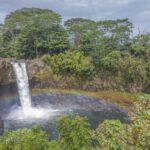
I especially like the way the itinerary starts with something local and easy: Rainbow Falls plus a Monkeypod tree moment, where you might even spot the rainbow effect known as the Anuenue. The tour also feels thoughtfully paced for a half-day, with time built in for exhibits and for acclimation at elevation rather than rushing straight to the top.
One consideration: summit access can shift with conditions. If it’s windy up there, you may be stopped short and have some waiting or extra time at the visitor-area level, so go with a flexible mindset (and bring your warm layers).
In This Review
- Key highlights worth knowing
- Rainbow Falls in Hilo: the easy start to a high-altitude day
- Onizuka Astronomy Complex: elevation, exhibits, and real context
- Mauna Kea summit drive: cloud line views and telescope passes
- Timing and pacing: a 6-hour half-day that moves
- Price and value: is $450 per person worth it?
- What’s the tour like on the ground?
- Who should book this Mauna Kea from Hilo day?
- Should you book this Mauna Kea from Hilo waterfalls tour?
- FAQ
- How long is the Mauna Kea & waterfalls tour from Hilo?
- What does the tour cost?
- Are pickups available?
- Is the tour offered in English?
- How many people are on the tour?
- What stops are included on the itinerary?
- Is food included?
- What is included in the ticket price?
- Are admission tickets included?
- Can you see sunset at Mauna Kea?
Key highlights worth knowing
- Rainbow Falls first: a free, close-up Hilo stop with a good shot at the Anuenue rainbow
- Onizuka acclimation time: elevation-focused exhibits before the summit drive
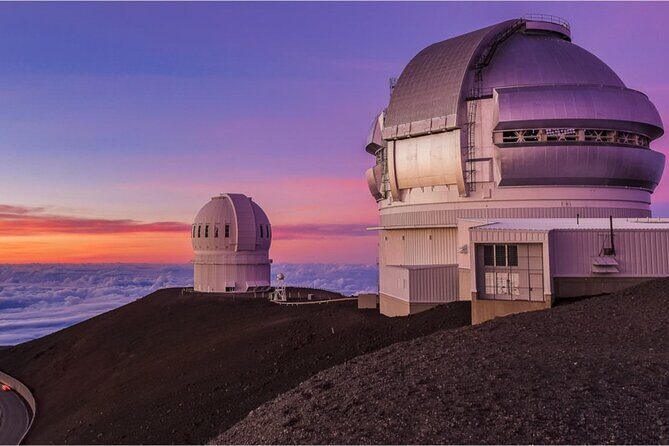
- Mauna Kea telescopes on the way: you pass major international instruments as you climb
- Small group limit (max 6): easier conversations and less chaotic timing
- Sunset only if conditions cooperate: plan for weather-driven changes
Rainbow Falls in Hilo: the easy start to a high-altitude day
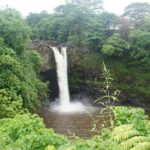
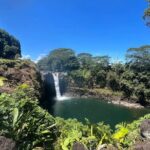
Your day begins in Hilo, and that matters. Instead of starting with a long, exhausting drive right away, you get a gentle first stop: Rainbow Falls. It’s a simple, low-effort way to stretch your legs and get your bearings in town, especially if you’re coming in from an earlier flight.
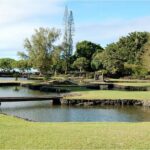
This isn’t just a waterfall-and-go stop. You’ll also see a Monkeypod tree nearby, and if you’re lucky you’ll catch the Anuenue rainbow effect. Even when the rainbow doesn’t show up, the falls still give you that classic Hawaii rhythm—moving water, tropical light, and a spot that’s popular with locals for a reason.
Why I like this order: it sets the tone for the day without wasting precious hours. By the time you’re climbing toward Mauna Kea, you’re already warmed up mentally and physically.
Other Mauna Kea stargazing and summit tours in Hilo
Onizuka Astronomy Complex: elevation, exhibits, and real context
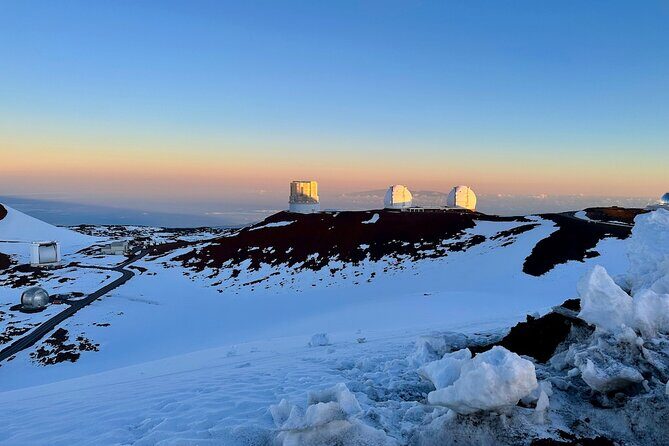
Next you’ll head to the Onizuka Astronomy Complex, where the tour builds in two key things: time for exhibits and an acclimation moment at around 9,000 feet / 2,743 meters. That altitude detail isn’t trivia—it’s practical. Coming from near sea level, you’ll feel the difference fast, and the stop helps you adjust instead of blasting upward immediately.
The Onizuka complex itself is described as a cozy station with exhibits. Plan to take your time here. This is where the day stops being just a bus ride and starts becoming a story you can understand: why Mauna Kea matters to astronomers, how the summit is used, and what it means to visit a sacred, heavily studied landscape.
Tip that will help you: slow down your breathing while you’re up there. If you feel “winded” early, that’s normal at that elevation. Take a slower pace, sip water, and don’t treat this like a hike. It’s an adjustment stop as much as it is an attraction.
Mauna Kea summit drive: cloud line views and telescope passes
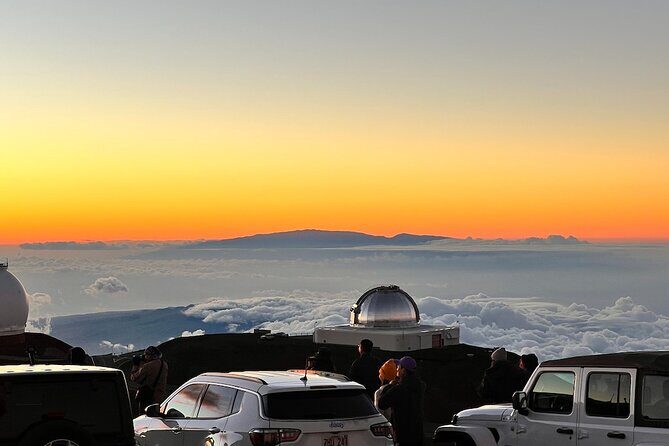
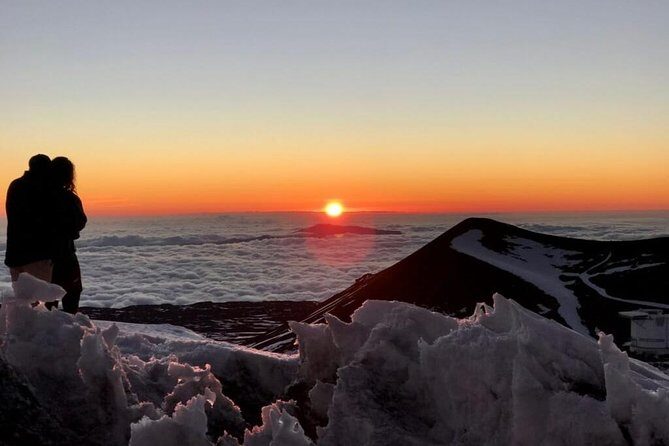
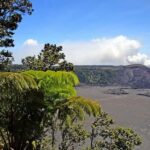
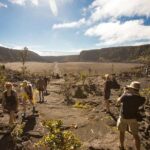
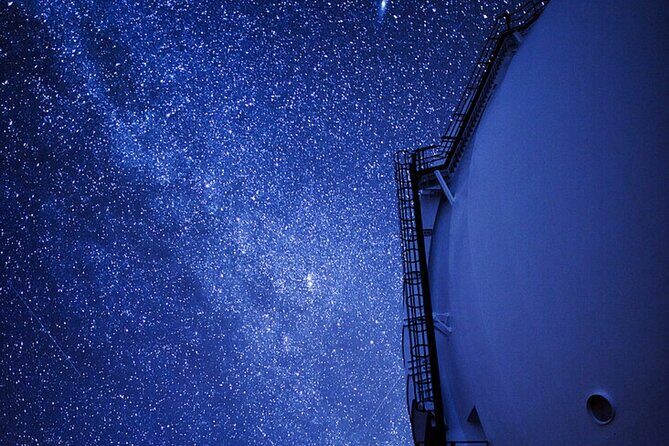
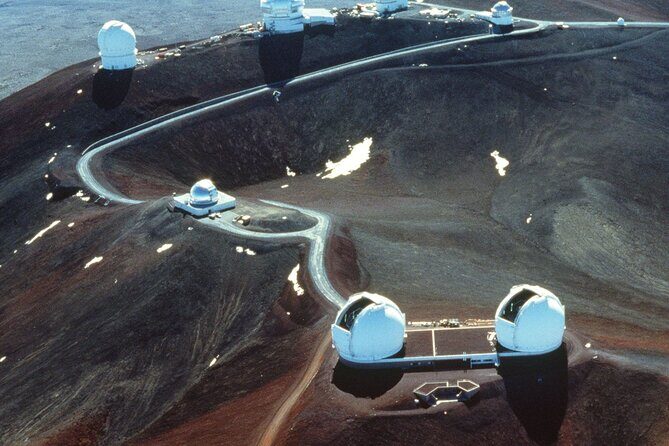
Then comes the main event: the Mauna Kea summit area at 13,796 feet / 4,205 meters. At this height, you’re above a lot of the lower cloud layer on clear days—so if conditions line up, the views can feel unreal. The tour is timed so you can potentially watch sunset, but the key phrase here is if the weather is permitting.
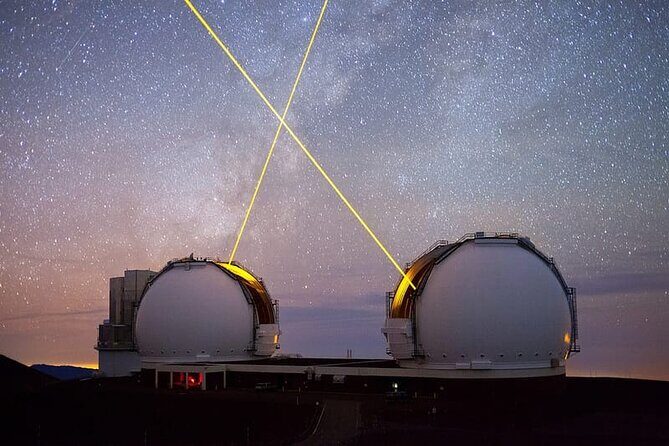
On the way up, you’ll also see international telescopes. This is one of the best parts of a summit tour because you’re not stuck staring at one viewpoint. You’re climbing through a working astronomy environment where the instruments sit on the slopes like quiet giants.
Now, let’s talk about the part that can frustrate people: summit conditions. Mauna Kea weather can be unpredictable, and wind is a known spoiler for road access. If the road is closed or conditions are unsafe, you might not be able to go as far up as you hoped. In that case, expect possible waiting at the visitor-area level and potentially some walking around before you can proceed (or simply before the route changes). That’s not a reason to avoid the tour—it’s a reason to go in with realistic expectations.
What you should do to avoid disappointment: dress for cold. Even if the hike-free day sounds relaxing, the summit environment runs chilly. Pack layers you can pull on and off as the temperature changes. Comfortable shoes help too, since you may be asked to walk around if road access is restricted.
Timing and pacing: a 6-hour half-day that moves
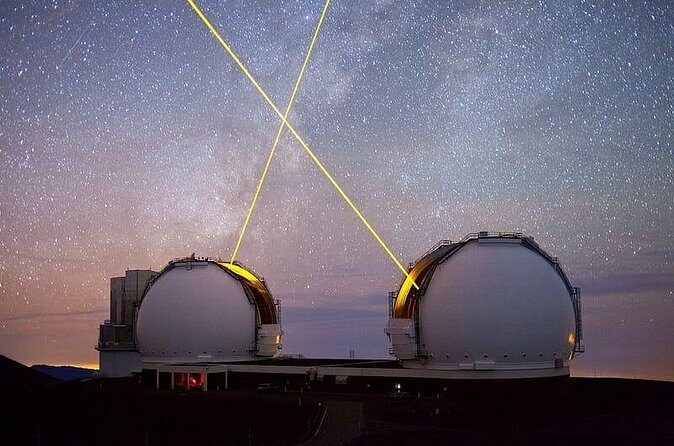
This is listed as about 6 hours total, and it really behaves like a half-day: you’re moving through multiple locations without long, lingering stretches. There’s about 30 minutes at Rainbow Falls, then drive time and an extended stop for exhibits before the summit push.
Here’s how the day tends to “feel” in practice:
- First hour: easygoing start in Hilo
- Midday: Onizuka exhibits + acclimation time
- Second half: summit drive + viewing window (weather-dependent)
- End: drop-off back in Hilo (around 1.5 hours for the return segment)
If you’re the type who hates being on a schedule, this tour might test your patience. But if you like a day that hits the highlights without wasting time, you’ll probably enjoy the structure.
Food note that matters: breakfast and lunch are not included. The tour includes bottled water, but you should still plan a snack strategy. If you start hungry, altitude can make it worse—your brain already works slower up high, and you’ll want something steady in your stomach.
Price and value: is $450 per person worth it?
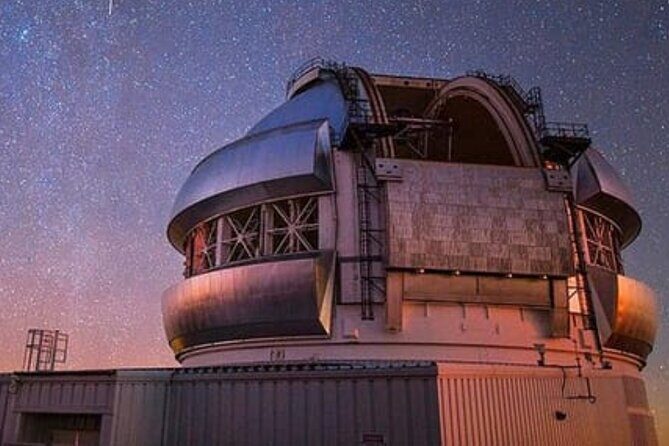
At $450 per person, this isn’t a budget outing. So what are you paying for?
You’re paying for three things that often drive the price on island specialty tours:
- Transportation in an air-conditioned vehicle, with the kind of routing that gets you from Hilo to the summit area efficiently
- Entrance value, including admission at the Onizuka Astronomy Complex (and other stops are listed as ticket-free where applicable)
- A small group size with a maximum of 6 travelers, which usually means less crowd stress at viewpoints and more flexibility to handle pacing changes
Also, the tour includes all fees and taxes and bottled water. Those details matter because they reduce the number of surprise add-ons you deal with later.
So is it worth it? If your priority is a day that combines a real local waterfall stop with a legitimate Mauna Kea summit visit—without you needing to coordinate the timing yourself—then the price can make sense. If you only care about one of the two major experiences (waterfalls or Mauna Kea), you might want to compare against simpler, single-focus options.
Other waterfall tours in Hilo

What’s the tour like on the ground?
This is a pickup-based tour. You can select your own pickup location, and you’ll also be dropped back in Hilo at the end. The tour is offered in English and is described as near public transportation, so it’s not a remote, “only accessible by special transfer” situation.
The vehicle is air-conditioned, which helps because Hawaii heat can stick to you before you reach cold temperatures on Mauna Kea. Having that comfort on the drive is a small detail, but it makes the day smoother.
One more practical point: the tour is capped at 6 travelers, which tends to mean you won’t feel lost in a huge crowd when you’re trying to hear your guide or line up for photos. That’s a real quality-of-life factor on tours that involve elevation changes.
Who should book this Mauna Kea from Hilo day?
This tour fits best if you want:
- a one-day Mauna Kea summit experience from Hilo without planning the logistics yourself
- a day that starts with something close to town (Rainbow Falls) before going high
- a smaller group setting so the day doesn’t feel like a stampede
You might skip it if:
- you strongly dislike schedule uncertainty (the summit portion depends on wind and weather)
- you’re trying to do a budget day with lots of free time
- you need breakfast and lunch provided as part of your tour structure
Also, if you’re sensitive to altitude, take it seriously. The tour builds in an acclimation stop at 9,000 feet, but you’ll still be ascending to much higher elevations.
Should you book this Mauna Kea from Hilo waterfalls tour?
I’d book it if your goal is a classic Big Island mix: Hilo’s Rainbow Falls in the morning mood, then Onizuka Astronomy Complex context, then a genuine shot at Mauna Kea summit views above the clouds. The small group size and the included astronomy stop make the day feel more “intentional” than a purely scenic drive.
I would hesitate only if you can’t handle weather-driven changes or you expect the summit drive to always proceed exactly as planned. If windy conditions force a road closure, the day may shift—usually with more waiting or less access than people pictured.
If you go in prepared with warm layers, a snack plan, and a flexible attitude about weather, this tour can be a strong value for what you get: two very different Hawaii experiences welded into one smooth half-day.
FAQ
How long is the Mauna Kea & waterfalls tour from Hilo?
It’s listed as approximately 6 hours.
What does the tour cost?
The price is $450 per person.
Are pickups available?
Yes. You can select your own pickup location.
Is the tour offered in English?
Yes, it’s offered in English.
How many people are on the tour?
The maximum group size is 6 travelers.
What stops are included on the itinerary?
You’ll stop at Rainbow Falls, the Onizuka Astronomy Complex, and reach the Mauna Kea summit area, then be dropped back in Hilo.
Is food included?
No. Breakfast and lunch are not included.
What is included in the ticket price?
All fees and taxes are included, along with bottled water and an air-conditioned vehicle.
Are admission tickets included?
Admission is included for the Onizuka Astronomy Complex. Rainbow Falls and the Mauna Kea summit are listed as ticket-free.
Can you see sunset at Mauna Kea?
Sunset is possible if weather conditions are permitting.