REVIEW · HILO
Hilo: Walking Ghost Tour
Book on GetYourGuide →Operated by American Ghost Walks · Bookable on GetYourGuide
Hilo’s streets do strange things at night. I love how this tour blends Hawaiian and Japanese supernatural accounts into a walk through real, pre-World War II Hilo streets. I also like the small-group format (10 people max), which makes it easier to hear the details and ask questions as you stop for photos and stories.
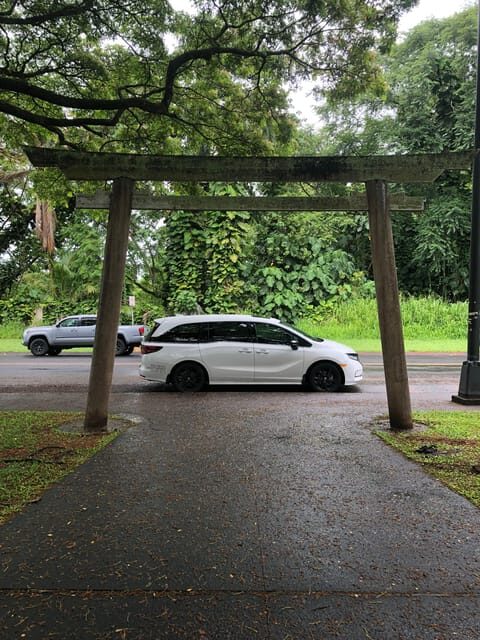
One thing to think about: this is a rain-or-shine stroll, so plan for damp sidewalks and bring warm layers. If you’re hoping for a jump-scare performance, this tour is more slow-burn storytelling than scare tactics.
In This Review
- Key things I’d circle before you go
- Why Hilo Ghost Stories Feel Different Than Other Tours
- Price and What You Actually Get for $64
- Getting Started at Day-Lum Properties: Where the Walk Begins
- Stop-by-Stop: From Kamehameha Ave to Coldwell Banker Day-Lum
- A quick drawback to keep in mind
- The Wailuku River Area and the Mo’o Moment
- Pacific Tsunami Museum: Where the Ocean Leaves Footprints
- Why this stop is valuable
- What could be less ideal
- Kress Building and Palace Theatre: Old Town Backdrops for Myths
- Small caution
- Exhibit Gallery of Art and Events / Hilo Town Tavern: Stories in Public Spaces
- The Naha Stone and Kalakaua Park: When Spiritual Influence Gets Specific
- Why Mauna Kea matters in a ghost tour
- Jackie Rey’s Ohana Grill Hilo: Ending With ’Uhane, ’Aumakua, and Akualele
- Practical note
- Weather and Walking Tips That Actually Matter
- Who This Tour Fits Best
- Should You Book the Hilo Walking Ghost Tour?
- FAQ
- Where does the tour start?
- How long is the Hilo Walking Ghost Tour?
- Is the tour walking only, or is there pickup included?
- What is the tour like in bad weather?
- What should I bring?
- Is it wheelchair accessible?
Key things I’d circle before you go
- Mauna Kea spirituality in the middle of town stories (not just generic ghosts)
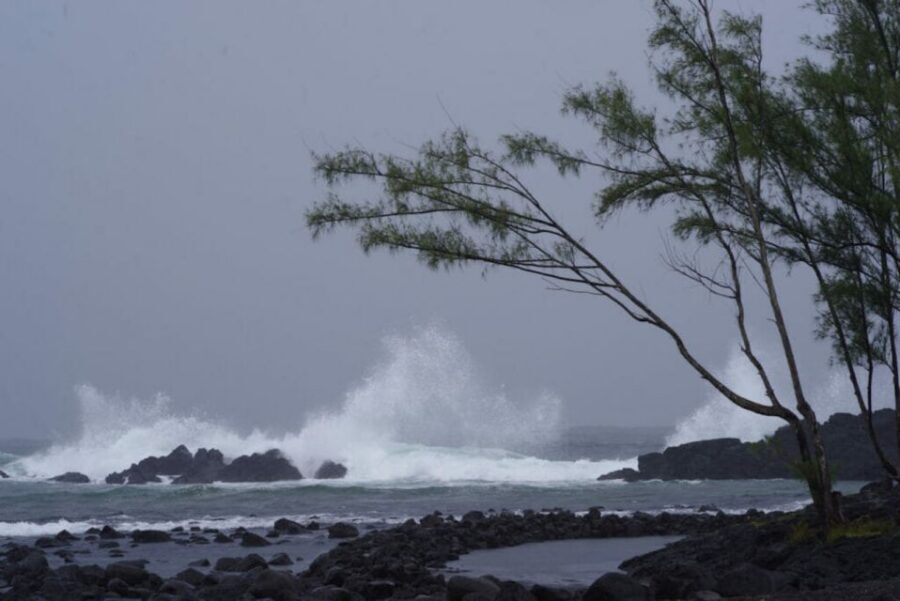
- Tsunami history paired with wandering spirits at the Pacific Tsunami Museum
- The mo’o and other local entities like ’uhane, ’aumakua, and akualele
- Landmark photo stops that turn Hilo’s architecture into clues
- English live guide pacing that works for most walkers
Why Hilo Ghost Stories Feel Different Than Other Tours
Hilo doesn’t do ghosts the way some tourist towns do. On this walk, the paranormal comes with place. The guide keeps pulling you back to specific corners of town—river, museum, theaters, old storefront-adjacent blocks—so the stories feel tied to daily geography, not just spooky sound effects.
What makes it interesting is the mix of belief systems and narrative sources. You’ll hear Hawaiian supernatural concepts alongside Japanese accounts, with the guide explaining how these stories show up in local memory and meaning. The result feels less like horror and more like cultural storytelling with supernatural vocabulary.
And then there’s the tone: you’re not rushing from one “scary” spot to the next. You’re taking short stops, listening carefully, and connecting themes—ancestors, sacred places, tragic events, and the idea that certain forces keep moving through the world.
If you're still narrowing it down, here are other tours in Hilo we've reviewed.


Price and What You Actually Get for $64
At $64 per person for a 2-hour walking tour, you’re paying for two things: a live guide and a tightly planned route through central Hilo. Since the group is limited to 10 participants, you’re not stuck in a huge line of people being whispered over.
Is $64 cheap? Not really. But it’s also not a pricey, long-haul experience—you’re getting a compact, high-information evening (or daytime, depending on your start time) that turns multiple landmarks into one connected story. If you like guided walking tours, this price makes more sense because you’re paying for explanation and context, not just standing near a building and reading a sign.
Also, because this is a walking tour with stops built in, the value is in the pacing. The guide gives you time at each location (about 10 minutes per photo stop), so you’re not sprinting between trivia facts.
Getting Started at Day-Lum Properties: Where the Walk Begins
You meet at the historical marker near Day-Lum Properties, on Kamehameha Ave. That’s a practical advantage: it’s a simple start point in the middle of things, not a complicated “meet in a back alley” situation.
The tour does not include hotel pickup and drop-off, so plan on getting there under your own steam. This is usually fine in Hilo’s compact town center, but it matters if you’re relying on taxis or buses.
Group size is small—10 people max—which changes the whole experience. It’s easier to hear the guide when you’re close, and it’s less awkward to ask for clarification. The guide is working in English, and the tour is described as wheelchair accessible, which is helpful if you need that option.
Stop-by-Stop: From Kamehameha Ave to Coldwell Banker Day-Lum
After meeting near Day-Lum Properties, you begin with a short photo stop outside the Coldwell Banker DAY-LUM Properties area (about 10 minutes). This isn’t where the ghost stories peak—it’s more about setting your bearings. Think of it as the warm-up: you’re orienting yourself to the geography that the guide will keep referencing later.
The practical benefit here is that the guide can anchor what you’re about to learn to what you can see right away: street layout, building age, and the feeling of historic Hilo in the pre–World War II era. If you arrive a few minutes early, take a quick look around so the first story lands faster.
A quick drawback to keep in mind
Because it starts with a town-and-streets orientation, if you’re arriving with zero interest in local history, the beginning may feel more “walking and context” than “spooky payoff.” If you’re open to history as part of the ghost narrative, you’ll enjoy the flow.


The Wailuku River Area and the Mo’o Moment
In the lead-up to the Pacific Tsunami Museum, the tour focuses on the Wailuku River area. This is where you might glimpse a fierce sacred being called a mo’o as part of the storytelling framework.
Even if you don’t see anything literal (and you shouldn’t expect to), the idea matters. A mo’o isn’t presented as a random monster. It’s woven into tragic occurrences and powerful supernatural forces, which gives the stories more meaning than simple folklore entertainment.
I like this part because it reminds you that in these traditions, the “supernatural” isn’t always about frightening you. It can be about explaining relationships between land, water, and unseen presences.
Pacific Tsunami Museum: Where the Ocean Leaves Footprints
Next up is the Pacific Tsunami Museum, again with a short photo stop and visit time (about 10 minutes). If you’re a history-minded traveler, this is one of the smartest stops on the route because it ties local supernatural ideas to real events.
You’ll learn about wandering spirits left in the wake of deadly tidal waves. That phrasing is important: it connects disaster history with the concept that something endures—memory, presence, and unfinished sorrow.
Why this stop is valuable
It gives you context for why Hilo’s stories can feel heavy and specific, not vague. The paranormal themes make more sense when you understand what kind of tragedies shaped the community’s worldview.
What could be less ideal
If you’re sensitive to disaster history, keep that in mind going in. The tour isn’t built to be cheerful, and the museum content naturally pulls the tone toward the serious.
Kress Building and Palace Theatre: Old Town Backdrops for Myths
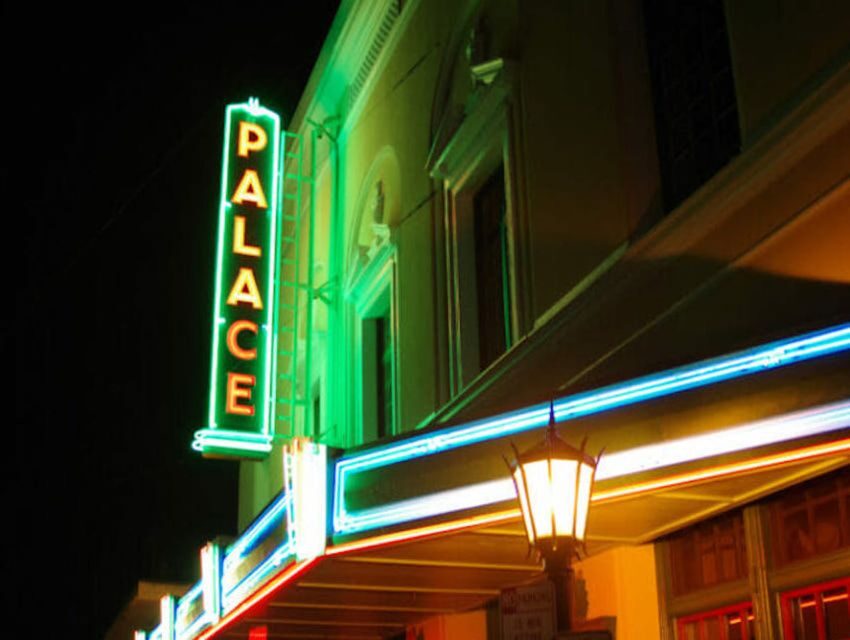
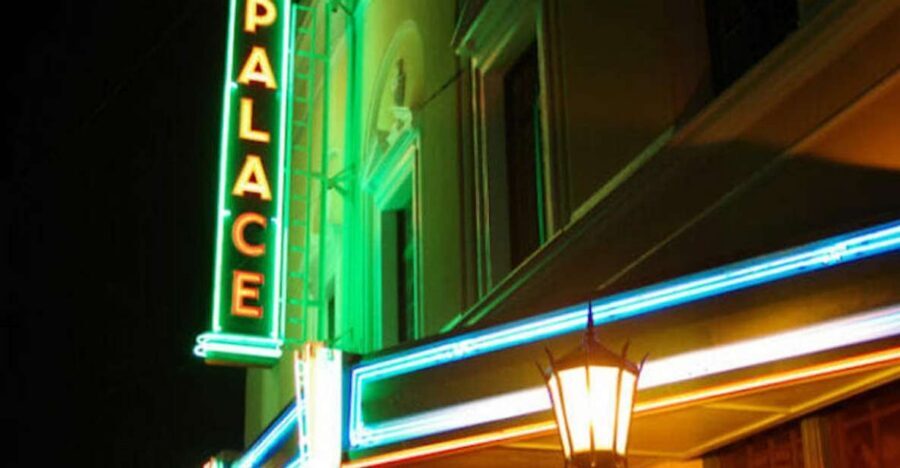
Two classic downtown landmarks come next: the Kress Building and then the Palace Theatre, Hilo. Each gets about a 10-minute stop for photos and listening.
These are the kind of places where architecture invites stories. You’re in historic Hilo, walking past recognizable faces of the town—buildings with long lifespans in a place where the past is never far away. The guide’s job is to attach supernatural themes to those details, so you start seeing the street as more than scenery.
You might also hear about the annual Merrie Monarch Festival in the context of local legends. Even if you’ve never planned a festival visit, this reference helps show how tradition and the spiritual side of community life show up alongside ghost stories.
Small caution
Because the stops are short, you won’t get a full building tour of the Kress or the Palace Theatre. You’ll get the guide’s interpretation and the story associated with the spot, but not deep interior access.
Exhibit Gallery of Art and Events / Hilo Town Tavern: Stories in Public Spaces
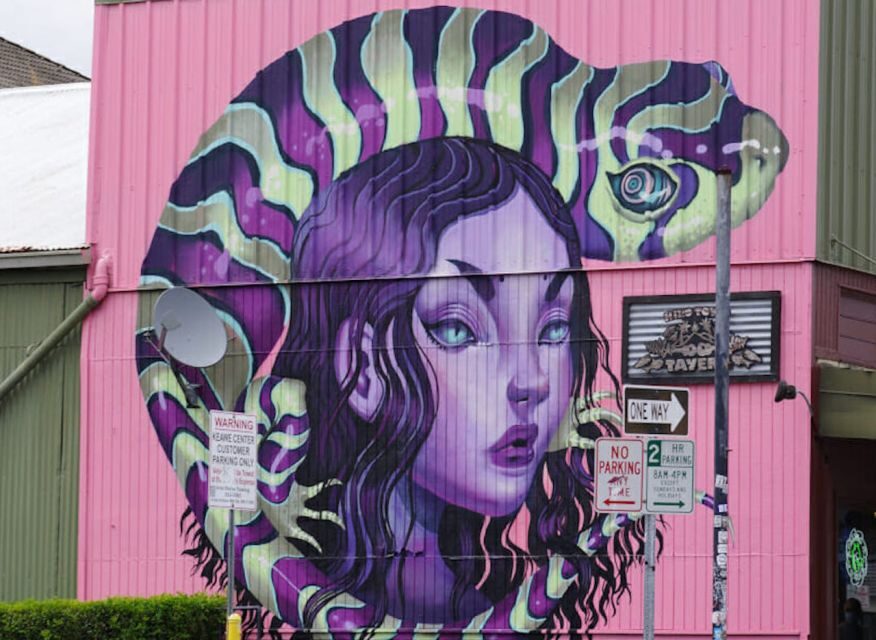
You then move to the Exhibit Gallery of Art and Events / Hilo Town Tavern area. Again, the rhythm stays consistent: photo stop, brief time to look and listen (about 10 minutes).
This stop matters because it highlights how supernatural stories live in everyday places—art spaces, local taverns, community gathering points. You’re not only hearing about far-off sacred mountains or tragic museums. You’re hearing how local entities might be talked about in the same neighborhoods where people hang out, eat, and pass time.
In other words, the tour doesn’t treat the paranormal as a separate world. It treats it like part of how Hilo thinks.
The Naha Stone and Kalakaua Park: When Spiritual Influence Gets Specific
The next two stops are the Naha Stone, Hilo, and then Kalakaua Park, Hilo. Each is a short photo stop with guide storytelling time (about 10 minutes).
The Naha Stone stop is where physical landmarks begin to act like anchors for meaning. Stones, old town features, and specific sites often show up in supernatural storytelling because they’re permanent. They outlast moods, weather, and even generations—so they become natural reference points for legends.
Then Kalakaua Park connects the dots to sacred geography. This is where you’ll learn about the spiritual influence of Mauna Kea. Even though you’re walking in town, the tour makes the mountain feel present—like a cultural north star shaping how people interpret the unseen.
Why Mauna Kea matters in a ghost tour
This is what makes the tour feel distinct from generic haunted walks. The supernatural themes connect to spirituality and ancestry rather than just spooky folklore. If you want ghost stories with grounding in place-based belief, this is a highlight.
Jackie Rey’s Ohana Grill Hilo: Ending With ’Uhane, ’Aumakua, and Akualele
The tour finishes at Jackie Rey’s Ohana Grill Hilo. This is your closing scene: a place where the guide wraps the themes you heard into a final set of entities and ideas.
You’ll hear about:
- ’uhane (wandering spirits)
- ’aumakua (ancestors transformed into family gods)
- akualele (mysterious fireballs associated with curses and the dead)
What I like about the ending is that it turns the tour’s vocabulary into something you can carry with you. You’re not just leaving with “that was spooky.” You’re leaving with a local framework for how people talk about spirits, ancestors, and other unusual phenomena.
Practical note
Because it ends at a restaurant, it’s a natural moment to keep the conversation going over food. The tour itself includes no meal, but the ending spot is built to let you transition easily into a relaxed post-walk bite.
Weather and Walking Tips That Actually Matter
This is a walking tour, and it runs rain or shine. That changes what you should wear more than almost anything else.
Bring:
- Comfortable shoes (you’ll want grip on wet pavement)
- Warm clothing (even if it’s not cold, Hawaii evenings can feel cool once you’re moving outdoors)
If you run hot, dress in layers anyway. The guide’s pacing keeps you outside, but you’re stopping often enough that you may get brief breaks from wind and rain.
Also, the tour is limited to 10 participants. With fewer people, it usually feels smoother, but it still helps to arrive on time so you don’t compress the group during the first photo stop.
Who This Tour Fits Best
I think this fits you if you like ghost tours that feel like cultural storytelling and local history, not just dark-room theatrics. It’s also a good choice if you enjoy walking tours where each stop has a specific reason to exist.
You’ll likely enjoy it more if you’re:
- curious about Hawaiian supernatural concepts (not just generic “haunted house” vibes)
- interested in how Japanese accounts and local beliefs show up in shared stories
- the type who likes a guide explaining terms like ’aumakua in plain language
It’s less ideal if you want a short, easy stroll with zero history content, or if you’re looking for jump-out scares.
Should You Book the Hilo Walking Ghost Tour?
Yes, with two conditions.
Book it if you want a 2-hour guided walking experience that turns Hilo’s landmarks into story anchors, and you’re excited by local entities like mo’o, ’uhane, ’aumakua, and akualele. The small-group limit and live English guide make it feel personal rather than crowded.
Skip it only if weather discomfort or walking isn’t your thing, since this runs rain or shine and you’ll be on your feet for the full duration. If you show up with warm layers and comfy shoes, you’re set.
FAQ
Where does the tour start?
You meet at the historical marker near Day-Lum Properties on Kamehameha Ave.
How long is the Hilo Walking Ghost Tour?
The tour lasts about 2 hours.
Is the tour walking only, or is there pickup included?
It’s a walking tour with a guide, and hotel pickup and drop-off are not included.
What is the tour like in bad weather?
The tour takes place rain or shine.
What should I bring?
Wear comfortable shoes and bring warm clothing.
Is it wheelchair accessible?
Yes, the tour is listed as wheelchair accessible.