REVIEW · HILO
Hilo: Waterfall Hike and Swim with Native Hawaiian
Book on GetYourGuide →Operated by Kalaninuimehameha · Bookable on GetYourGuide
Hilo waterfalls feel alive on this hike. A guided walk through Hilo’s waterfall area turns a simple swim day into a cultural lesson, led by Christian and his Hawaiian language storytelling. I love that this is a small group setup, so you actually hear the lore and get time to ask questions.
I also love the chance to swim at Waiale Falls, not just stand and take photos. You’ll move along two different trail routes that connect Waiʻale’s base and a forested ridge route to her sister falls, Waiʻlima, with time to learn about endemic plants and river life. The one drawback to plan for: it’s moderate but real physical work, with steep sections and wet, uneven ground near deep water.
In This Review
- Key things you should know before you go
- Meeting at the King Kamehameha statue in Hilo
- Entering the Wai‘ale waterfall system on two alawai trails
- What you’ll likely notice on the trail
- Waiānuenue, Peʻepeʻe, and Waiale: more than one photo stop
- The swim at Waiale Falls: cool water, real rules
- Hawaiian language and cultural practice that actually changes your focus
- How to get the most from the cultural part
- Walking conditions: wet, steep in places, and not for fragile knees
- Simple gear checklist that makes the day easier
- Price and value: what $150 buys in a 4-hour water-and-culture day
- Small group size (6 max) and what that means for you
- Who this tour is best for
- Should you book the Hilo Waterfall Hike and Swim with Native Hawaiian?
- FAQ
- Where is the meeting point?
- How long is the tour?
- Is swimming included?
- What is included in the price?
- What should I bring?
- What is not allowed during the tour?
- Who is the tour not suitable for?
Key things you should know before you go
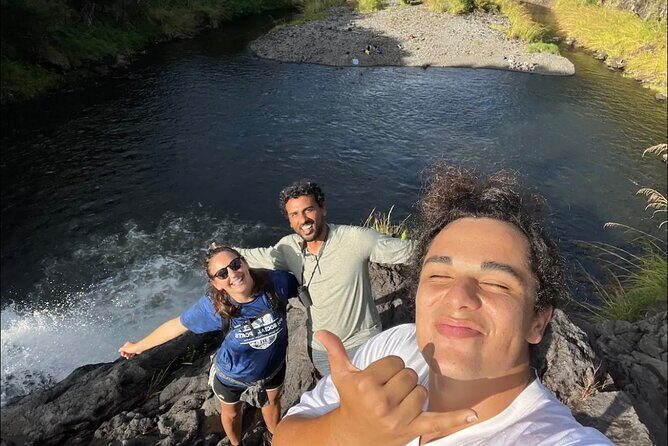
- Small group (up to 6) so the guide can explain and watch footing
- Two trails to the same waterfall system: Waiʻale plus the sister falls Waiʻlima
- Swim time at Waiale Falls with a chance to cool off during the hike
- Hawaiian language moments plus cultural practice tied to the place
- Expect wet conditions and bring waterproof footwear and a waterproof bag
- No touching plants and you’ll want to keep phones and glasses secure
Meeting at the King Kamehameha statue in Hilo

Your tour starts where lots of Hilo visitors orient themselves: the Statue of King Kamehameha. It’s a practical meeting spot because you can build your day around it. The tour runs 4 hours, which makes it a nice “active-but-not-all-day” choice if you’re already planning to explore Hilo afterward.
Because this is no hotel pickup, you’ll want to arrive a few minutes early and be ready to move. You’re also starting with the right mindset: this isn’t a drive-by waterfall stop. You’re going to hike, get wet, and spend time near water and rocks.
The guide is English-speaking, and the experience intentionally includes Hawaiian language and local cultural explanations. That matters because it shifts the day away from a generic nature outing and toward a place-based story you can remember.
Other waterfall tours in Hilo
Entering the Wai‘ale waterfall system on two alawai trails
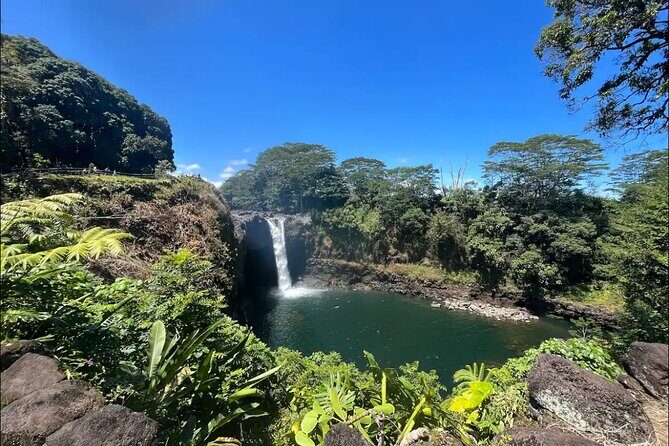
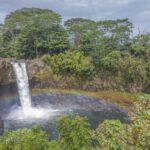
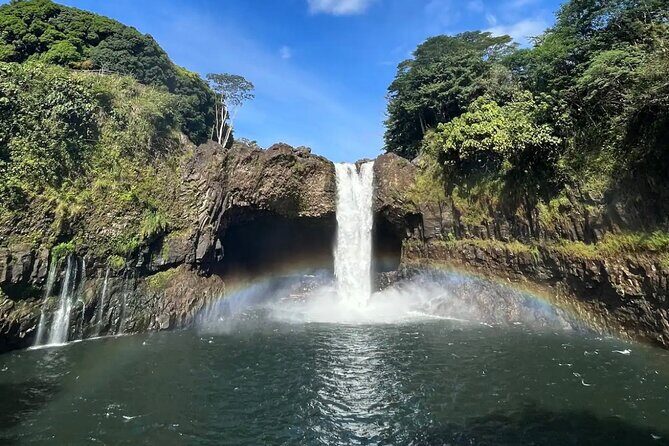
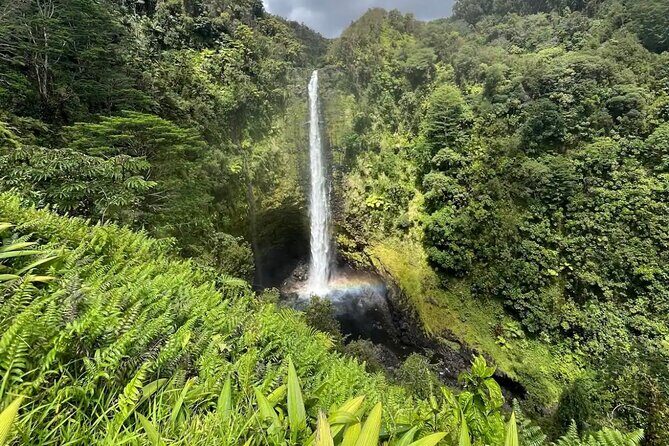
The big idea here is simple: learn how water shapes the land in Hilo, then see it in motion—at close range. The hike focuses on Waiʻale Falls, plus her sister falls Waiʻlima, along with other named falls in the area including Waiānuenue and Peʻepeʻe.
What makes this setup interesting is the two alawai trail approach. One route takes you toward the base of Waiʻale Falls, where you can experience the power of the falls and a small stone beached island feature at the base. The other route travels through a forested ridge above, giving you a different angle and a different kind of walking challenge. Think: lower trail is more about being near the water; upper trail is more about roots, rocks, and the feel of moving through the forest layer.
Along the way, you’re not just looking at scenery. You’ll be shown endemic plants and animals connected to the river systems. Even if you don’t know the names yet, this kind of guidance helps you notice the connections—how a waterfall area supports certain life, and how those river pathways shaped human use over time.
What you’ll likely notice on the trail
- The ground can be slippery and uneven once you’re moving near water.
- You may see or pass sections that feel more technical than you expected (especially if you’re used to flat paved paths).
- You’ll want to pay attention to where you place your feet, even when the view looks like it can wait.
Waiānuenue, Peʻepeʻe, and Waiale: more than one photo stop
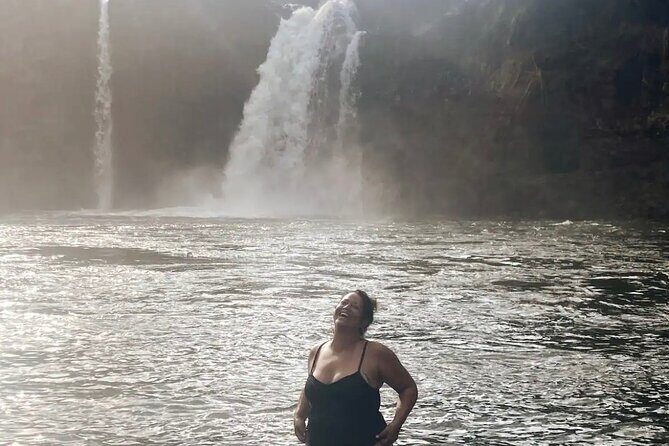
This isn’t a one-falls-and-done situation. The included stops mention Waiānuenue, Peʻepeʻe, and Waiale, which is helpful if you want variety during the 4 hours. You’ll also learn how these places fit together as part of the same water story.
Here’s why that’s valuable: a lot of waterfall tours focus on the obvious viewpoint. This one pushes you closer to how the water actually behaves and where people historically paid attention to those water sources. Even without a map in front of you, you start to get a sense of why this region became culturally important.
And because you’ll be hearing cultural lore tied to the region, the names you see on signs or in conversation become more meaningful. That’s where this tour earns its premium: it’s not only the waterfall visuals—it’s the explanation that helps you understand what you’re seeing.
The swim at Waiale Falls: cool water, real rules
The highlight is the opportunity to swim at Waiale Falls. A lot of tours say you can swim, but fewer actually build it into a hike where you also learn what makes the place special. Here, swimming feels like part of the river’s rhythm, not a side activity.
Practically, you should assume you’ll be wet even before you enter the water. The tour’s guidance is clear: expect wet conditions and plan accordingly. That means:
- Swimwear on arrival (or at least quick-changing options)
- A towel you’re not afraid to get dirty
- Sturdy, waterproof footwear you trust on wet rock
- A waterproof bag for electronics
One more real-world tip: water hikes love to steal small items. Keep eyewear secured (a strap is a lifesaver), and avoid relying on pockets that may shift when you step or wade.
The cultural side is also present around the swim. You’ll hear Hawaiian cultural practice connected to the area, and you’ll learn associated terms such as Wai (water), Hua ‘ai (fruit), and Lei (garland). That language context helps the swim feel less like a random dip and more like a respectful interaction with a living place.
Other hiking tours in Hilo
Hawaiian language and cultural practice that actually changes your focus
This tour stands out for me because the cultural piece isn’t just a brochure line. You’ll hear Hawaiian language, and you’ll witness Hawaiian cultural practice while the guide connects it to the waterfall region.
From a traveler’s point of view, this is where you get your money back in attention. When your guide ties a plant, a water source, or a river path to Hawaiian meaning and history, you start looking differently. Instead of only thinking about where to take a picture, you think about why people value this water and how the natural system supports life.
The guide, Christian, is also praised for being enthusiastic and for speaking Hawaiian fluently. That matters because it keeps the experience from feeling like a scripted lecture. You get the sense that language and meaning are part of how he sees the land—not something tacked on at the end.
How to get the most from the cultural part
- Ask short questions as you walk. The pace is slow enough that curiosity works.
- Listen for the meaning behind the terms (water, fruit, lei) and connect it to what you’re seeing.
- Don’t focus only on the falls; watch what the guide points out in the river system and forest edge.
Walking conditions: wet, steep in places, and not for fragile knees
This is an active tour. The physical level is described as moderate, but the terrain can still surprise you—especially if you’re used to easy trails. The info you’re given beforehand (wet conditions, sturdy waterproof shoes, moderate physical activity) is spot on.
From practical experience, you should plan as if you’ll deal with all of these:
- Steep trail sections at points
- Rocky crossings and uneven footing
- Wet areas where you might step near deeper water
- A forest path that can feel more technical than a simple boardwalk
If you have back or knee issues, this is where you need to be honest with yourself. The tour isn’t designed for mobility limits, and it’s not suitable for children under 5 years. Also, the tour says it is not suitable for people with mobility impairments, so don’t bank on “maybe I’ll manage.”
Simple gear checklist that makes the day easier
- Comfortable, waterproof footwear
- Swimwear
- Towel
- Waterproof bag for your phone and any electronics
- Possibly a strap for glasses
And follow the clear behavior rules: no smoking, no littering, and don’t touch plants. Those rules protect the place and keep the ecosystem healthy for the next people.
Price and value: what $150 buys in a 4-hour water-and-culture day
At $150 per person for 4 hours, this isn’t a bargain. But it does buy real value in three ways.
First, you get a live guide with cultural knowledge and Hawaiian language delivery. That’s not a generic “here’s a waterfall” explanation. The guide connects the water to endemic life and cultural practice, and the small-group size helps that knowledge land.
Second, you’re getting access to a swimming moment at Waiale Falls, not just viewing from a distance. Swimming requires the guide to plan safe movement and timing through wet conditions.
Third, you’re paying for the structure: this is a guided hike that takes you to multiple named spots and uses the two-trail approach to show different parts of the Waiʻale system. That’s more time on the ground than many short tours, without turning it into a whole-day ordeal.
What you don’t get: food and drinks, and no hotel pickup. So factor in a snack plan before or after, and plan your own transport to the meeting point.
Small group size (6 max) and what that means for you
Limited to 6 participants, this tour feels different from large-group waterfall treks. When fewer people are on the trail, you get:
- more time for questions
- better guidance on footing
- a calmer rhythm during cultural explanations
- a better chance to actually hear Hawaiian language moments clearly
There’s also a safety angle. Wet terrain plus rocks means the guide can help more directly when you need a quick adjustment. That becomes important when you’re near water and the terrain demands attention.
Who this tour is best for
You’ll love this tour if you want all three of these:
- A real Hilo waterfall hike where you learn as you walk
- A chance to swim at Waiale Falls
- A guide who brings Hawaiian language and cultural practice into the hike, not as background noise
It’s also ideal if you like nature experiences that feel human-scale. A small group and a focused route means you’re not trapped in a rush.
Less ideal if:
- you’re looking for a fully easy stroll
- you have knee/back problems or mobility limits
- you want a dry, casual outing with minimal movement
Should you book the Hilo Waterfall Hike and Swim with Native Hawaiian?
If you’re choosing between a generic waterfall walk and something that adds Hawaiian language and cultural meaning, I’d lean toward booking this one. The combination of Waiale Falls swimming, multiple named waterfalls in the system, and a guide like Christian who shares Hawaiian language and cultural practice gives you more than just views.
But be honest about the physical side. This is wet, can be steep, and involves rocky paths near water. If that sounds manageable with the right shoes and gear, it’s a strong choice for a memorable half-day in Hilo.
If you want, tell me your travel month and whether you have any knee/back issues. I can help you decide if the trail style fits your comfort level and suggest how to schedule the rest of your Hilo day.
FAQ
Where is the meeting point?
The meeting point is the Statue of the King Kamehameha.
How long is the tour?
The tour duration is 4 hours.
Is swimming included?
Yes. The tour includes an opportunity to swim at Waiale Falls.
What is included in the price?
Included are a guided tour of Hilo’s waterfalls, visits to Waiānuenue, Peʻepeʻe, and Waiale falls, historical and cultural lore explanations, and the Hawaiian cultural elements Wai (water), Hua ‘ai (fruit), and Lei (garland).
What should I bring?
Bring comfortable shoes, swimwear, and a towel. You should also be prepared for wet conditions and bring a waterproof bag for electronics.
What is not allowed during the tour?
Smoking and littering are not allowed, and you’re not allowed to touch plants.
Who is the tour not suitable for?
It is not suitable for children under 5 years, and it is not suitable for people with mobility impairments.