Somewhere between jungle and ocean rock, you find peace.
This private Secret Tide Pool Hike mixes lush greenery, boulder fields, and a coastline finish where swimming is sometimes possible. It’s one of those experiences that feels off-the-beaten-path, yet it’s run with clear guidance and a calm pace.
I especially like how the hike delivers variety in a short window: jungle walking, then the real test—lava-rock footing—then the payoff at the water. I also like that you’re not battling bugs: there are no ticks and very few mosquitoes. The main drawback is simple: the terrain is rocky and can be slippery, especially in rain, so you need solid balance and footwear that grips.
In This Review
- Key Points I’d Plan Around
- Secret Tide Pools Come With a Real Lava Rock Walk
- What Happens During the 2.5 Hours: Jungle, Boulder Fields, Coast
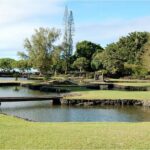
- Hilo Stop: A Sense of Island Rhythm Before the Trail Turns Rugged
- Pahoa Stop and Trailhead: Where You Start, How You Arrive
- Tide Pool Time: Swimming Might Happen, or the Guide Finds a Plan B
- Safety on Volcanic Rock: The Difference Between Fun and Stress
- Wildlife and Comfort: No Ticks, Few Mosquitoes
- Footwear, Swim Gear, and Reef-Safe Sunscreen
- Private Tour Value: Why $100 Can Make Sense Here
- Who Should Book This (and Who Should Skip It)
- Weather Matters More Than You Think
- Should You Book This Secret Tide Pool Hike?
- FAQ
- How long is the Secret Tide Pool Hike?
- Where does the tour start and end?
- Is the hike private?
- What footwear should I bring?
- Can I swim in the tide pool?
- Are there bathrooms at the tide pool?
- Are ticks and mosquitoes a problem?
- What happens if weather is bad?
Key Points I’d Plan Around
- Lava-rock footing is the whole game: you’ll want good grip and careful hand use.
- Swimming depends on tide and conditions: sometimes you can enter fully, sometimes only parts.
- No tick hassle, low mosquito risk: fewer bug distractions than many hikes.
- No bathrooms at the tide pool: plan for water, snacks, and timing.
- Private format, your group’s pace: you get guidance plus space to explore.
- If swimming isn’t safe, you still get a backup spot: the guide pivots to another nearby area.
Secret Tide Pools Come With a Real Lava Rock Walk
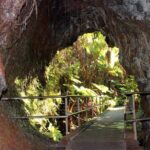
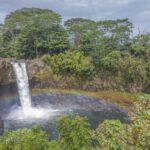
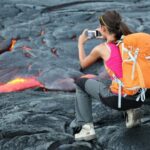
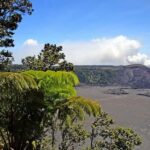
This hike on the Big Island feels like Hawaii’s “two-sided coin.” One side is green and humid, with jungle-style trail and coastal plants. The other side is raw geology—boulder fields and lava rock that looks dramatic and, in wet weather, acts dramatic too.
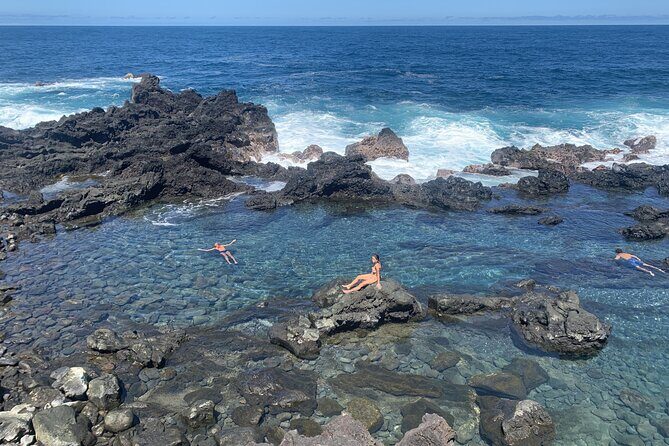
The tide pool itself is often reachable and sometimes fully accessible. But it’s not a flat, easy beach pool. The rocks around it are very rocky and can be slick, and the boulder fields on the way in/out can turn treacherous when it rains. That’s why this isn’t for everyone, even if the length of the outing is only about 2 hours 30 minutes.
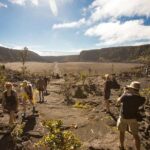
The guides on this tour matter. People mention guides like Josh and Kat by name, and the common theme is practical help: where to step, how to handle slippery lava, and local explanations of what you’re seeing. If you want a hike that’s quiet, focused, and outdoors-first—not a loud lecture—this matches that vibe.
Other private tours in Hilo
What Happens During the 2.5 Hours: Jungle, Boulder Fields, Coast
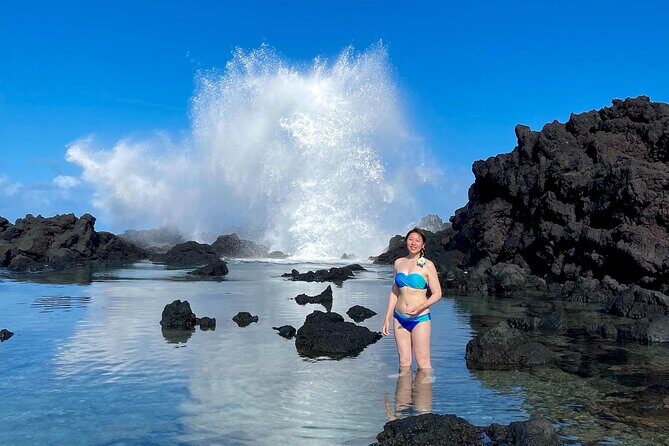
You’ll be moving through two distinct environments.
First, you walk the jungle portion. Reviews describe it as easier early on, and the feel is more “trail” than “climb.” This part is where you get oriented to the area and the guide’s approach: slow enough to notice plants, but steady enough to keep momentum.
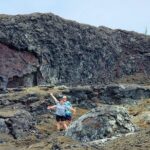
Then comes the transition: the boulder and lava rock section. Several reviews point out that this is the toughest part, and it takes focus. One reviewer put it bluntly: you should be physically able to do it yourself—don’t expect the guide to pull you through. Another mentioned that lava is jagged and sharp, so hands and balance matter.
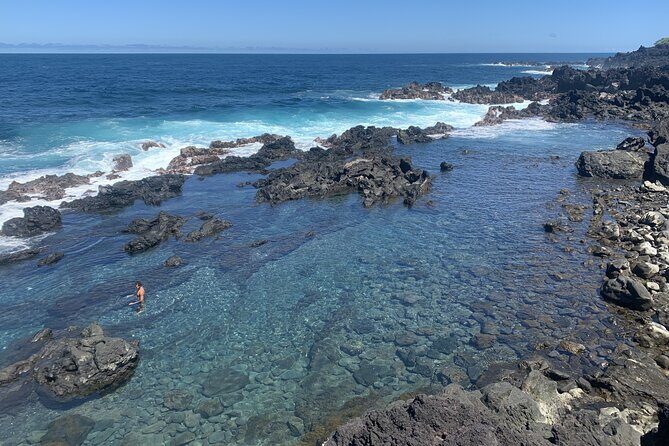
Finally, you reach the coast and the tide pool area. This is when you slow down. Even if you don’t swim, you can usually explore nearby rock pools and crevices, where you may spot sea life and tide-pool residents.
Hilo Stop: A Sense of Island Rhythm Before the Trail Turns Rugged
The tour route includes a stop in Hilo before you’re fully committed to the hike. I treat that as a good sign for your mental setup. Hilo is where the trip shifts from “driving around the island” to “walking into the ocean’s edge.”
What you can expect here is mostly logistical: you’re getting routed along the way and getting a smooth start rather than scrambling to find the trail on your own. It’s also a reminder that this isn’t a hike starting at the most famous viewpoint parking lot. If you like doing something that feels local and slightly less common, that Hilo-to-tide-pool flow supports it.
Pahoa Stop and Trailhead: Where You Start, How You Arrive
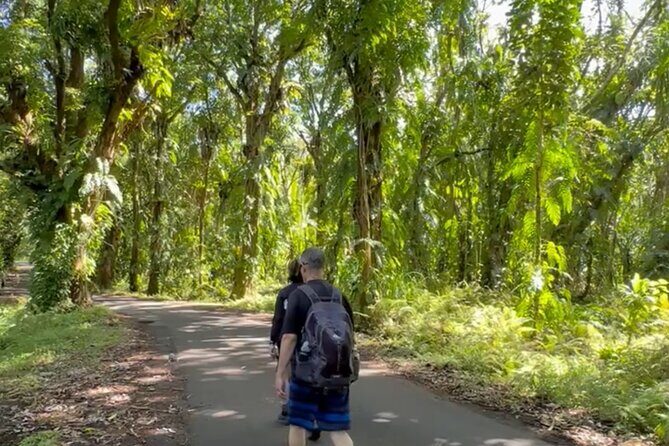
The starting point listed for this activity is 15-121 Kahakai Blvd, Pāhoa, HI 96778, USA, and the tour ends back at the meeting point. There’s also a Pahoa stop as part of the route.
Why that matters: the vibe changes once you’re in the Pahoa area. You’re closer to the kind of terrain where lava rock and jungle textures show up quickly. That’s also where footwear decisions pay off. If you arrive wearing shoes that grip wet rock poorly, the hike will feel harder than it needs to.
This is also a private tour, meaning only your group participates. That changes the experience. You’re not squeezed between other people who move at a different pace. You can ask questions, rest when you need to, and spend longer soaking in the tide pool—when conditions allow.
Tide Pool Time: Swimming Might Happen, or the Guide Finds a Plan B
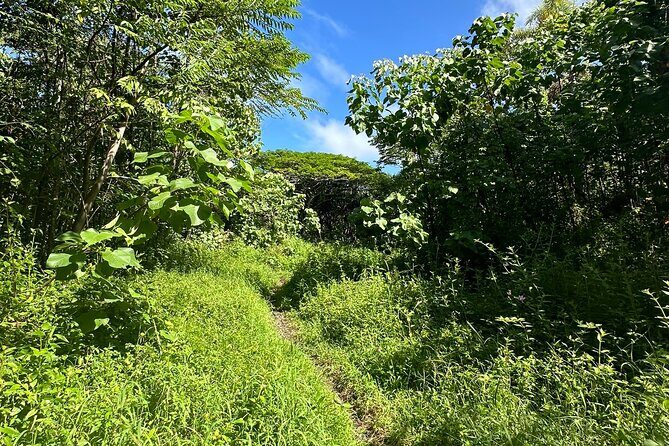
Here’s the honest truth: tide pools are tide-dependent. The tour notes that the tide pool is often fully accessible, but sometimes only certain parts are. Rarely, levels are too low or conditions too rough for swimming.
When swimming works, it can be a highlight. People describe the pool as peaceful and surreal, and the water as refreshing after the rock walk. Some even say the pool is more beautiful than they expected.
When swimming doesn’t work, the guide doesn’t just stop the experience. The tour states that if you can’t enter, the guide will take you to explore a nearby area that is magical and beautiful. So you should think of the tide pool as the destination, but also accept that the “exact moment” might shift with nature.
One more key detail: the rocks are especially slippery during rainy conditions. That means the guide’s call on whether swimming is safe isn’t just about the tide chart—it’s about grip, stability, and the actual conditions at ground level.
Other hiking tours in Hilo
Safety on Volcanic Rock: The Difference Between Fun and Stress
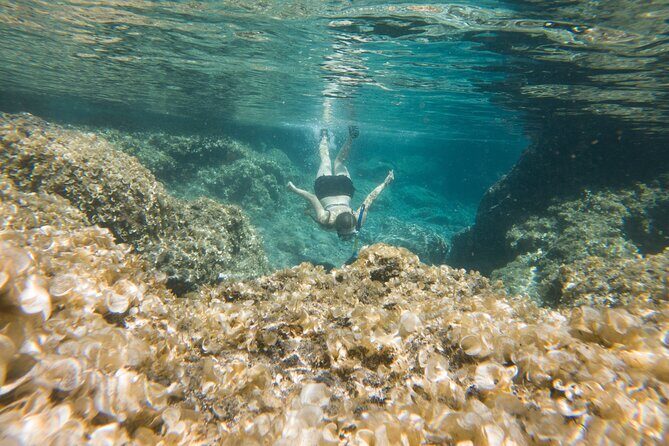
This is the section you should read even if you’re excited. Lava-rock hikes are fun until you rush.
The tour recommends hiking shoes, hiking sandals, or athletic shoes, with hiking shoes most ideal. If you wear sandals, closed-toe is best. For the tide pool itself, you’ll want water shoes with durable, closed-toe soles. Flip-flops are a bad idea here.
Pay attention to how the rocky terrain behaves:
- Boulder fields and surrounding rocks can be slippery when it rains.
- The pool area is very rocky, so you’re watching both footing and timing.
- You might need to use hands for balance in certain spots, especially where lava is jagged or uneven.
A few reviews mention the hike is doable but challenging in places, and one even compared it to a medium/difficult experience depending on how you feel that day. Another said the trail is hidden but well traveled by the guide.
My practical advice: if you’re tired, slow down even more. Wet rock + fatigue is a bad combo.
Wildlife and Comfort: No Ticks, Few Mosquitoes
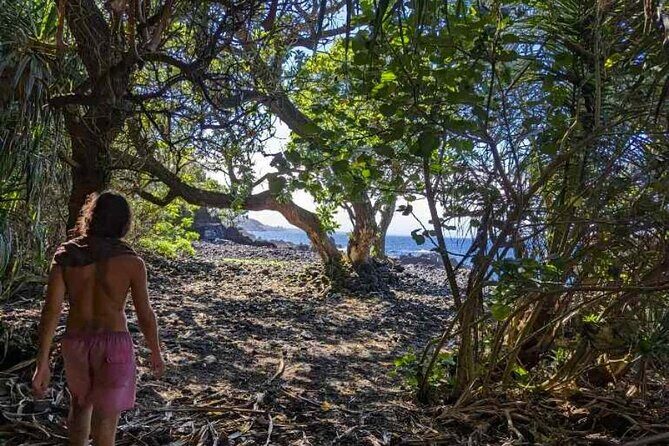
If you’re planning this for comfort, this part is a big win.
The tour says there are no ticks and very few mosquitoes. That changes the feel. You can focus on the plants, the rocks, and whatever pops out in the tide pool.
Wildlife sightings vary, but the reviews mention things like snails, hermit crabs, sea urchins, crabs, and several types of fish. Some people also mention observing coral near the pool edge, plus the general magic of seeing life in crevices and rock walls.
One fun touch from a review: mangos falling from a long-standing tree, which the guide helped point out during the hike. That kind of small local detail is exactly why I like guided nature trips.
Footwear, Swim Gear, and Reef-Safe Sunscreen
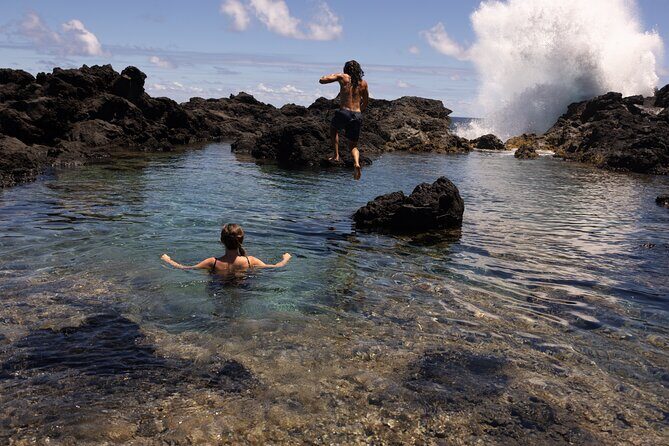
You’ll enjoy this hike more if you treat packing like part of the adventure.
Here’s the practical checklist the tour recommends:
- Wear hiking shoes (most ideal) or closed-toe footwear with grip.
- Bring water shoes for the tide pool; avoid flip-flops.
- Wear a bathing suit and bring a towel.
- Plan for no bathrooms at the tide pool.
- Many people bring a snorkeling mask or goggles.
Sunscreen: apply reef-safe sunscreen before the hike to minimize contact with the tide pool water. The tour also notes bug spray is unnecessary because ticks are absent and mosquitoes are very few.
A small planning tweak: bring your towel and mask so you can change or rinse without scrambling. People tend to forget how quickly the hike fills the time once you’re on the lava rocks.
Private Tour Value: Why $100 Can Make Sense Here
At $100 per person for about 2 hours 30 minutes, this isn’t a budget stroll. But it can still be good value—because you’re paying for guidance where footing is tricky and conditions matter.
You’re getting:
- A guide who helps you navigate lava-rock terrain safely.
- Tide-pool interpretation, so the place becomes more than just scenery.
- Photo support in some cases, plus the option to explore at your own pace after advice.
- A plan that adapts if swimming isn’t possible.
Also, because it’s private, you’re not stuck behind strangers or waiting while others take forever. Reviews mention the guide’s calm style—friendly, patient, and not overly pushy with conversation.
If you’re traveling as a couple or small group, the private setup often feels worth it. It’s the difference between “I found this place” and “I found this place with someone who can tell me where the safe steps are.”
Who Should Book This (and Who Should Skip It)
This tour is for people who want an outdoor, slightly adventurous day on Hawaii that feels more real than a typical beach excursion.
It’s not recommended for:
- Anyone with a disability
- Children under 5
The exact lower age cutoff depends on the child and the parent, so you should be careful and honest about your group’s balance and comfort on uneven rock.
There’s no upper age cutoff stated, and no strict fitness requirement, but the guidance still asks for moderate physical fitness. Reviews include people around their 50s who found it beautiful but a little longer than expected, and even families with kids who were athletic enough to enjoy the lava-rock part.
My rule: if you’re comfortable moving carefully on wet, uneven surfaces, you’ll probably do well. If the idea of slipping on slick rocks scares you, pick a different experience.
Weather Matters More Than You Think
This hike requires good weather. The tour notes that it’s canceled in poor weather, and then you’re offered a different date or a full refund.
That matters because the lava-rock and boulder fields can become slick in rain. So think of weather not as a small inconvenience, but as part of the safety setup.
Also remember: even on a decent day, tide and conditions determine whether swimming is fully available. So you should be mentally ready for the possibility that the experience is still amazing, even if you don’t get your full swim plan.
Should You Book This Secret Tide Pool Hike?
Book it if you want a guided hike that’s truly off the main routes, you like nature details, and you’re willing to take the lava-rock part seriously. You’ll likely love the mix of jungle-to-coast scenery, the low bug hassle, and the calm private pace once you reach the water.
Skip it if your group can’t handle rocky footing, if rain makes you nervous, or if you’re going with very young kids. This isn’t a stroller-friendly setting, and the tide pool area can be slippery.
If you’re on the fence, choose based on your shoes and your comfort level with balance. This experience pays off when you’re prepared to move carefully—and when you treat the tide pool as a living place that sets the terms.
FAQ
How long is the Secret Tide Pool Hike?
It lasts about 2 hours 30 minutes.
Where does the tour start and end?
It starts at 15-121 Kahakai Blvd, Pāhoa, HI 96778, USA and ends back at the same meeting point.
Is the hike private?
Yes. It’s a private tour, so only your group participates.
What footwear should I bring?
Wear hiking shoes (most ideal) for the hike. For the tide pool, bring closed-toe water shoes with durable soles. Avoid flip-flops.
Can I swim in the tide pool?
Often yes, but not always. Tide and conditions affect access. Sometimes you can enter the pool fully, sometimes only parts, and sometimes swimming isn’t safe.
Are there bathrooms at the tide pool?
No. There are no bathrooms at the tide pool.
Are ticks and mosquitoes a problem?
The tour notes there are no ticks and very few mosquitoes.
What happens if weather is bad?
The experience requires good weather. If it’s canceled due to poor weather, you’ll be offered a different date or a full refund. The booking is non-refundable for other reasons.