REVIEW · HILO
Hilo: Kilauea Fissure 8 Hiking, Volcanoes and Waterfalls
Book on GetYourGuide →Operated by Aloha Aina Tours LLC · Bookable on GetYourGuide
Somewhere between lava and waterfalls, you get answers fast. This 8-hour day trip pairs a guided hike across the Fissure 8 lava field with a full “volcano to crater rims” scenic route through Hawai‘i Volcanoes National Park. I like that it explains what you’re seeing—lava, craters, and the island’s natural history—so the terrain feels less random. I also like the variety: Hilo town stops (like Rainbow Falls and classic gardens) plus the big-name volcanic viewpoints.
One possible drawback to plan for: Fissure 8 access can be affected by road and construction closures. On those days, the route may shift to other sights, so you still get a strong day—but it’s smart to stay flexible about the exact lava-field hiking outcome.
In This Review
- Key Highlights You’ll Actually Care About
- Hilo and Kīlauea in One Day (and Why That Mix Works)
- Price and Value: What $239 Really Buys
- How the Pickup Works (and the Kona Time Trap)
- Hilo Discovery: Classic Town Stops Before the Volcano
- The Volcano Explorer Drive: Chain of Craters Road to Crater Rim Stops
- Kīlauea Viewpoints That Help You Read the Ground
- Thurston Lava Tube: Why This Stop Works Without Being Intimidating
- Fissure 8 Hiking at Leilani Estates: The Main Event
- If Fissure 8 Access Is Limited
- Food, Drinks, and Safety Style on This Tour
- What to Bring (and What Will Make Walking Easier)
- Who This Tour Fits Best
- Should You Book This One?
- FAQ
- FAQ
- What’s included in the tour price?
- How long is the tour?
- Are there pickup locations in both Hilo and Kona?
- Is alcohol served on the tour?
- Is there a walking requirement for the lava hike and stops?
- Can I bring a drone?
Key Highlights You’ll Actually Care About
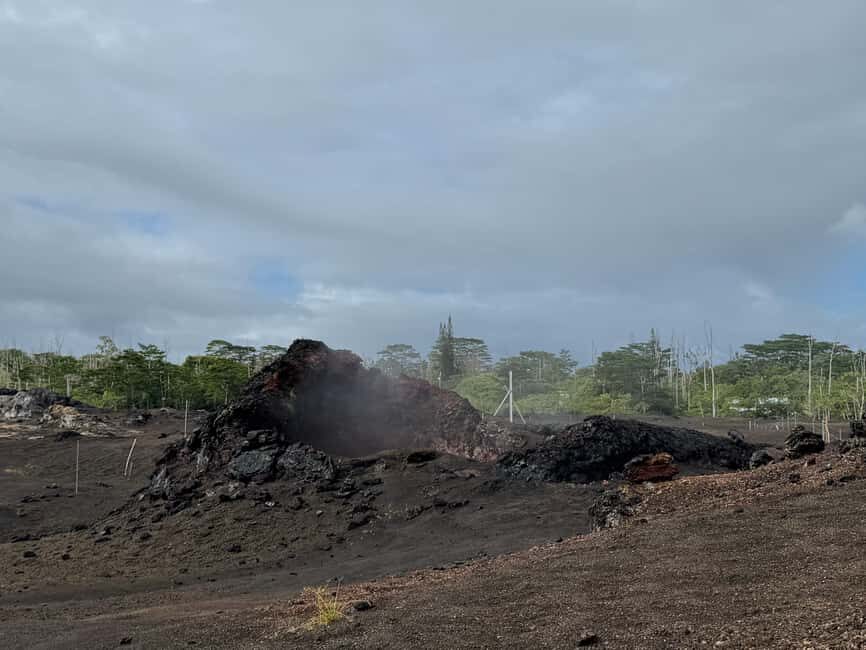
- Fissure 8 hike on a lava field where you can walk across ground tied to real, lived-in change
- A local guide with story-driven explanations, with some groups led by Steve known for local insight
- Volcano Explorer route via Chain of Craters Road and Crater Rim Drive with multiple scenic pull-offs
- Kīlauea Visitor Center intro so the viewpoints make sense instead of just looking cool
- Hilo Discovery stops built around gardens, bays, statues, and Rainbow Falls
- Food included (juices, water, grab-n-go snacks, and a lunch choice of sandwiches)
Hilo and Kīlauea in One Day (and Why That Mix Works)
This is a classic “big island” combo day. You start in Hilo with the kind of stops that make the town feel warm and human—gardens, a famous banyan-tree lane drive, and a proper waterfall break. Then the day shifts into geology mode as you head toward Hawai‘i Volcanoes National Park for crater viewpoints and lava features.
Why that mix matters: many volcano trips focus only on the park. Here, the Hilo portion gives you context for daily life on the island—then the hike and viewpoints show you how that life is shaped by the ground itself. If you want a day that teaches while it entertains, this format fits.
Other waterfall tours in Hilo

Price and Value: What $239 Really Buys
At $239 per person for an 8-hour tour, you’re paying for more than transport and sightseeing. The value is in the package structure and what’s included:
- Guided experiences at both the lava-field hike and the volcano sightseeing route
- Entrance to Hawai‘i Volcanoes National Park and access to Fissure 8
- Two themed drives: the Volcano Explorer package inside the park area, plus the Hilo Discovery package around town
- Food included: Hawaiian-style juices and water, grab-n-go snacks, and lunch (sandwich choice)
Also, you’re not just dropped at viewpoints. The tour includes an introduction at the Kīlauea Visitor Center, plus frequent stops like Uēkahuna Look Out at Halemaʻumaʻu Crater, Steamy Haʻakulamanu (Sulphur Banks), and Kīlauea Iki Overlook. That means your time is spent seeing and understanding, not only driving.
The one “cost” to consider isn’t money—it’s commitment. You’re doing a full day, so if you’re traveling with slower mobility needs, you’ll want to read the walking notes closely (more on that later).
How the Pickup Works (and the Kona Time Trap)
You have two starting options: Kailua-Kona or Hilo. Pickup is included, but Kona pickup can add extra travel time on the way back—listed as about 1.5–2 hours, plus an additional charge.
If you choose Kona, keep this in mind: that added time can change what the rest of the day feels like. If your goal is to maximize time at the lava hike and park stops, Hilo pickup is the cleaner option.
Look for the Aloha Aina Tours bus or a guide with an Aloha Aina Tours sign. That detail matters when you’re meeting at a port or busy pickup area.
Hilo Discovery: Classic Town Stops Before the Volcano
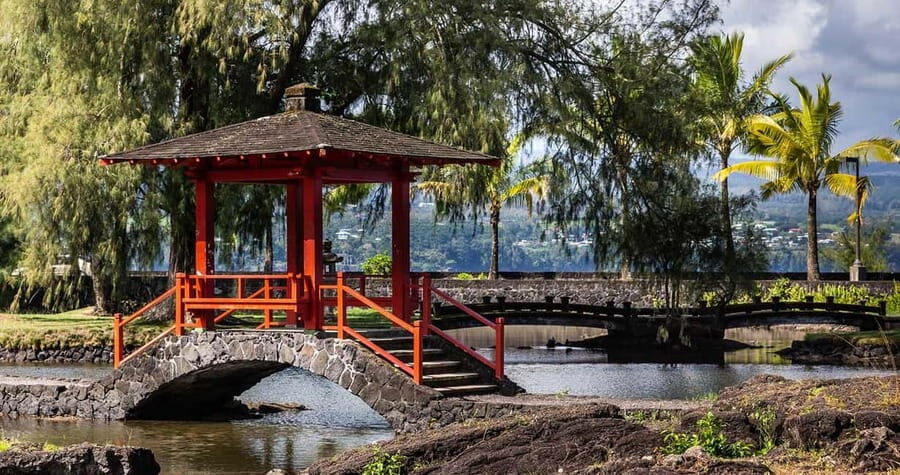
The Hilo portion is designed like a gentle warm-up. You’ll drive through historic Hilo town with stops that are easy to enjoy, even if you’re coming straight off a long flight or a cruise day.
Stops you’ll get include:
- Reed’s Bay
- Banyan Tree Lane Scenic Drive
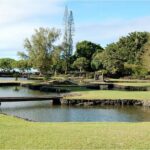
- Queen Liliuokalani Gardens
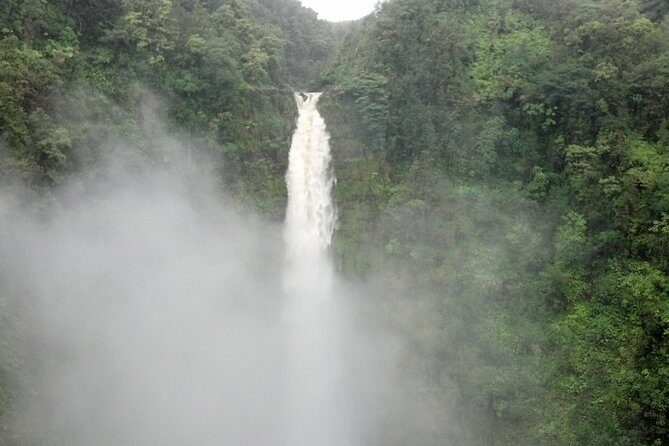
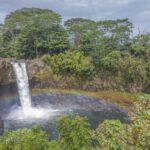
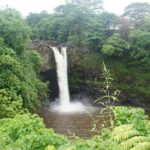
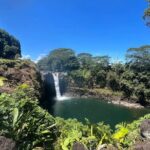
- Waiānuenue (Rainbow Falls) with a walk and time to view
- King Kamehameha Statue
- Nāha Stone
This part of the day is valuable because it anchors you. You’re not going from hotel to crater in a straight line. You get small moments: water and greenery, a recognizable statue, and gardens where the island feels lived-in. Then when the volcano scenery starts, it lands harder because you already feel the island’s mood.
One practical note: you should still plan for walking. The tour is described as mostly level and easy walking overall, but it’s not a zero-footprint day. You’ll want closed-toe shoes.
The Volcano Explorer Drive: Chain of Craters Road to Crater Rim Stops
Once you’re in the Volcano Explorer flow, the day turns scenic and technical at the same time.
The route includes a drive through Chain of Craters Road and Crater Rim Drive, plus multiple scenic stops inside the park area. A big reason this works: the tour isn’t only about one view. You’re seeing the park as a system—different craters, different lava-form terrain, and different angles on how the landscape developed.
Early in the park segment you’ll visit:
- Kīlauea Visitor Center for an intro to the park’s geology and Hawaiian cultural heritage
- Volcano House (a named stop along the way)
- Halemaʻumaʻu Crater (Uēkahuna Look Out)
Then the stops continue with features that connect to what you’re hiking later:
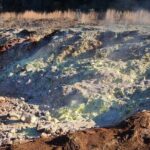
- Steamy Haʻakulamanu (Sulphur Banks)
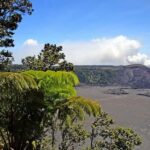
- Kīlauea Iki Overlook
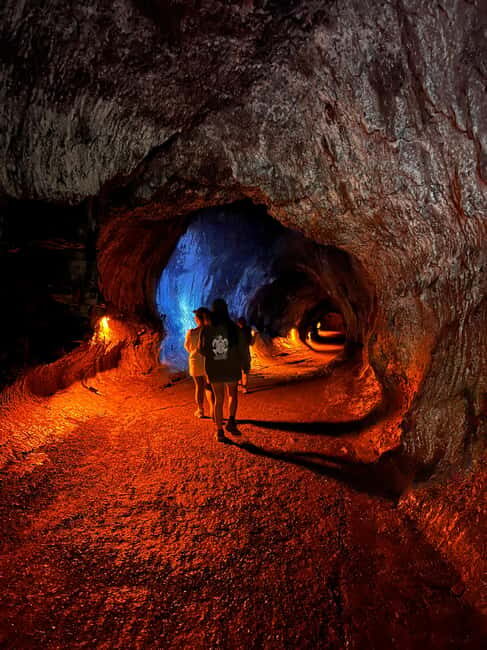
- Thurston Lava Tube
If you’re the kind of person who likes your sightseeing with explanations, this route is built for you. If you just want the biggest photo moments, you still get them—but the guide helps you see patterns instead of random spots.
Other hiking tours in Hilo
Kīlauea Viewpoints That Help You Read the Ground
A lot of volcanic viewpoints can feel like postcards unless someone gives you a way to interpret them. That’s where the Kīlauea Visitor Center stop and the guided narration matter.
Here’s what you’re likely to get from the guide in practice: a mental map of the park’s volcanic activity and how those features relate to one another. When you stand at Halemaʻumaʻu Crater at Uēkahuna Look Out, you’ll have a better idea of why the view looks the way it does. When you move toward Sulphur Banks and Kīlauea Iki Overlook, the stops aren’t only scenic—they’re stepping stones.
Also, you’ll get plenty of built-in viewpoint time. The itinerary lists multiple guided and free-time moments throughout the drive, so you can take photos, ask questions, and not feel rushed between pull-offs.
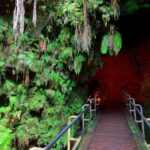
Thurston Lava Tube: Why This Stop Works Without Being Intimidating
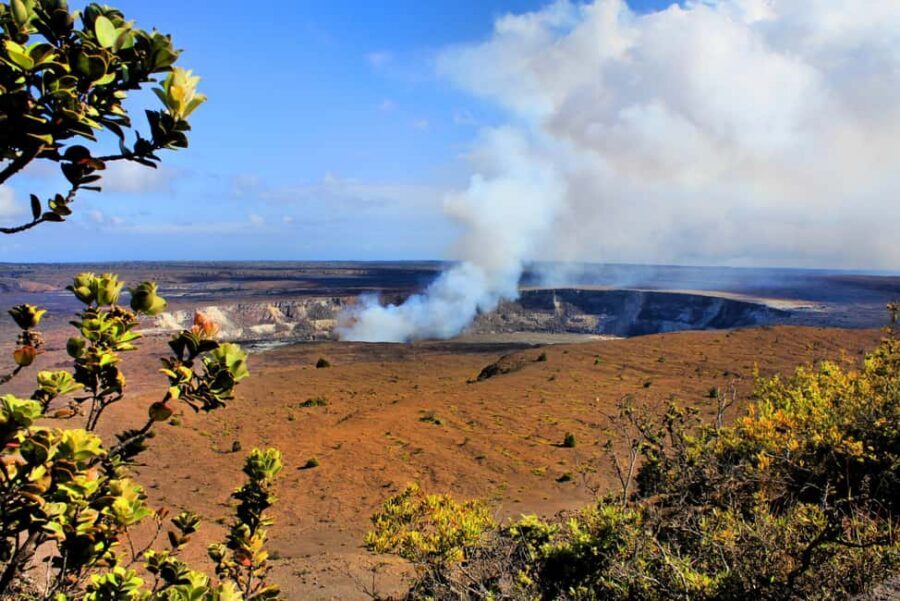
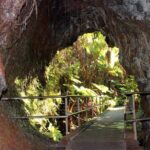
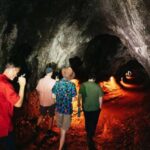
The itinerary includes Nāhuku – Thurston Lava Tube as a guided stop with time to explore and walk.
Even if you’re not a “hiking person,” lava tubes are a neat way to experience volcanic activity with less physical strain than rougher trails. You also get a different kind of terrain story: instead of only seeing hardened lava as ground underfoot, you’re looking at it as a shaped feature.
It’s a smart stop to include because it breaks up the day. After crater viewpoints and rim drives, the lava tube gives you something tactile and different—still connected to volcanic activity, but less about height and more about structure.
Fissure 8 Hiking at Leilani Estates: The Main Event
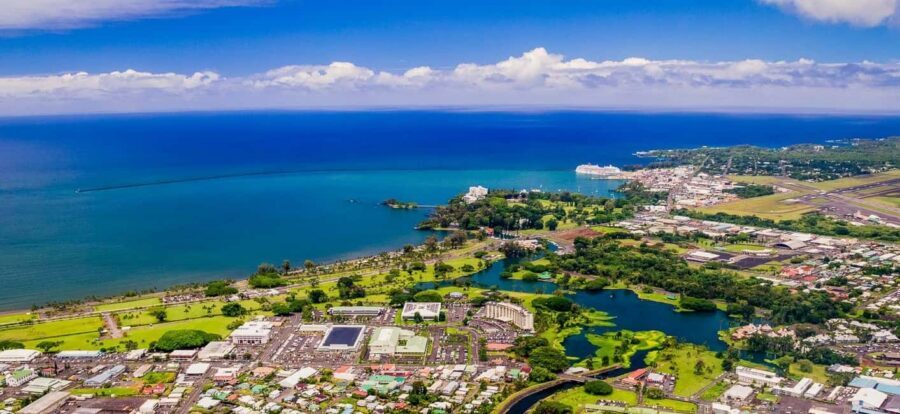
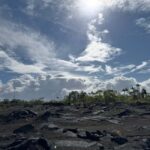
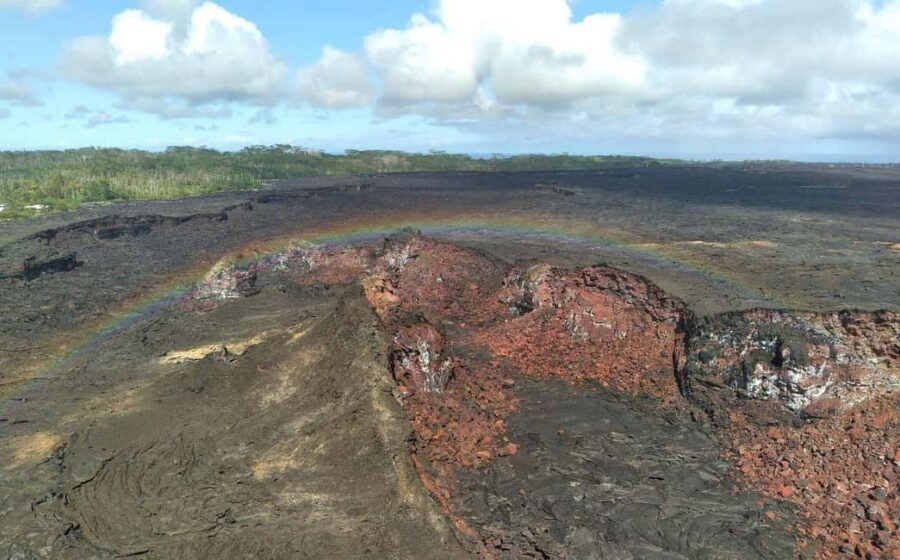
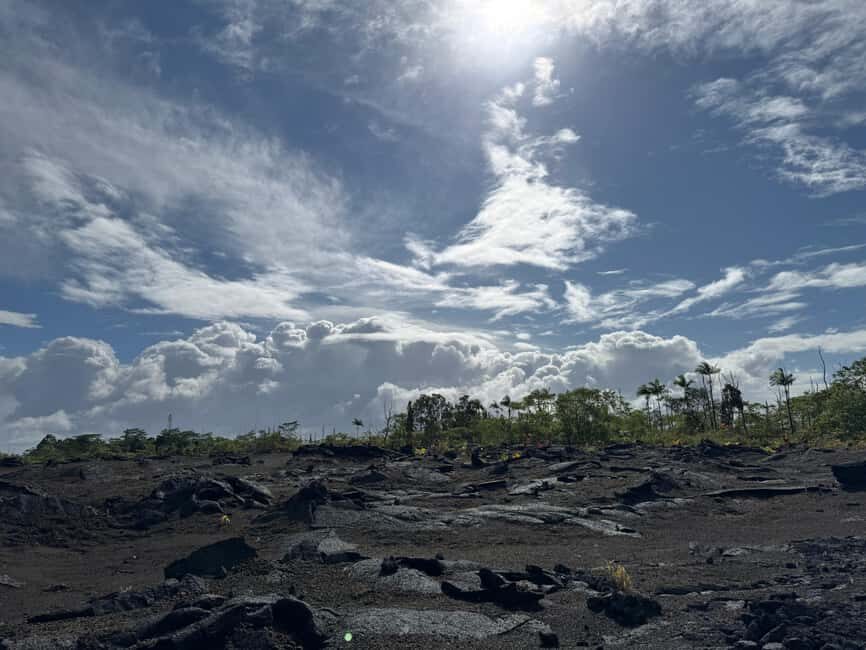
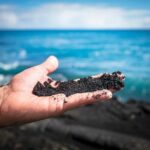
This tour centers on walking the Fissure 8 area at Leilani Estates. The expectation is clear: you’ll walk across surreal lava fields where older ground once supported communities before volcanic activity reshaped the area.
What you’ll be looking at and learning:
- hardened lava rivers
- the towering Fissure 8 cone
- an area formed by months of relentless volcanic activity
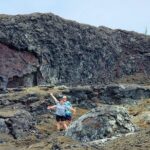
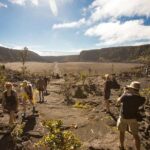
Why this is such a big deal: walking on lava fields changes your sense of scale. You can’t fully grasp it from a viewpoint. Your own steps make the terrain feel real. And with a guided component, you’re not only looking—you’re being taught what to notice.
The tour is described as easy walking, mostly level, but with uneven surfaces and loose gravel. That’s normal for lava terrain. So don’t plan on slick-soled shoes or short “look” footwear. Bring closed-toe shoes and use extra care during slower footing sections.
If Fissure 8 Access Is Limited
Here’s the honest planning reality: access can change. One group’s hike at Fissure 8 wasn’t possible due to road blocks from construction, and the day adapted with a partial refund and a shift to a beautiful waterfall instead.
What that means for you: don’t treat the hike outcome as a guarantee of exact timing or exact location. But do trust the tour to keep the day meaningful even when access changes.
Food, Drinks, and Safety Style on This Tour
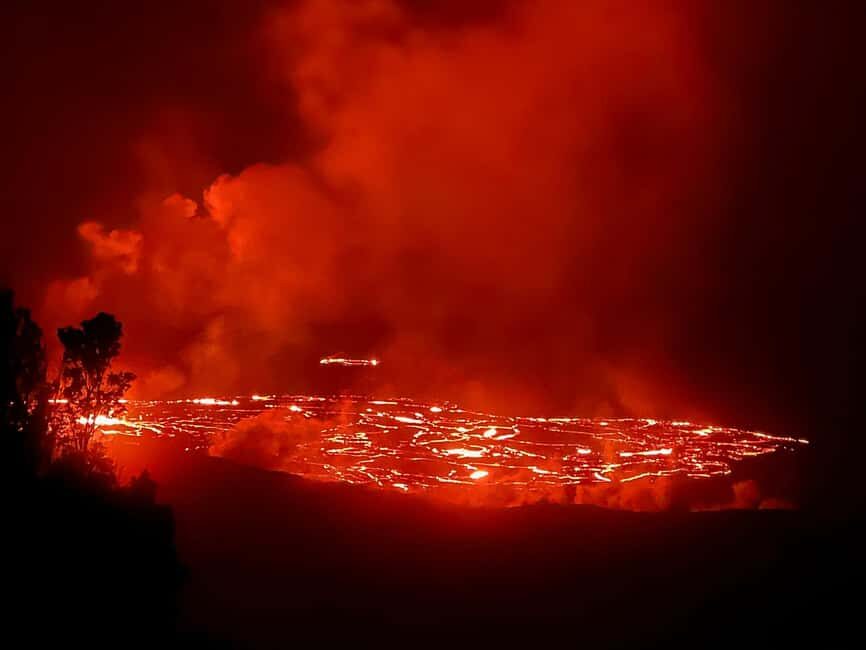
You’re covered on basic needs. Food is included with:
- Hawaiian-style juices and water
- grab-n-go snacks
- lunch with a choice of sandwiches
That’s practical on an 8-hour day. It prevents the classic “volcano tour hunger panic,” especially when you’re spending time away from town.
Two more safety details matter:
- No alcohol is served and alcohol is prohibited on the van for safety and enjoyment.
- The tour recommends sunscreen and water, plus a camera for the scenic views.
Also, drones are not allowed at Hawai‘i Volcanoes National Park. So if you’re tempted to bring one for crater shots, leave it at home. You’ll have plenty of other photo opportunities without needing aerial gear.
What to Bring (and What Will Make Walking Easier)
You don’t need a mountain kit, but you do need comfort and grip.
Bring:
- comfortable closed-toe shoes (important for loose gravel)
- sunscreen
- a camera if you want to capture the viewpoints
- water is recommended by the tour guidance (and you’ll have water and juices provided)
Plan for:
- easy walking overall, but expect uneven ground
- time outside, especially during viewpoint stops and the lava-field hike
If you’re someone who hates slippery surfaces, you’ll be happier with shoes that have traction.
Who This Tour Fits Best
This is a good match if you want:
- a full-day mix of Hilo + volcano park
- a guided explanation of geology and cultural heritage, not just photos
- an 8-hour plan that doesn’t force you to coordinate multiple stops yourself
It also suits photographers and people who like variety—waterfall breaks in Hilo, then crater rims and lava terrain in the park.
If your day is limited to one volcano-focused activity, this one gives you more “connected” viewing than a single stop trip.
Should You Book This One?
I’d book it if your ideal day looks like this: morning in Hilo, waterfalls and gardens, then a guided route through the park where you learn what you’re seeing and finish with the main hike at Fissure 8 (when access is open).
Skip it (or at least think twice) if:
- you’re very inflexible about specific hiking access, since construction or road blocks can affect Fissure 8 availability
- you don’t handle loose gravel well, even though the walking is described as mostly level
If you choose Hilo pickup instead of Kona, you’ll also feel less rushed and have more energy for the walking parts of the day.
FAQ
FAQ
What’s included in the tour price?
Food is included, including Hawaiian-style juices and water, grab-n-go snacks, and lunch with a choice of sandwiches. You’ll also get a guided tour with a local guide, entry to Hawai‘i Volcanoes National Park, and access to Fissure 8, plus the Volcano Explorer and Hilo Discovery packages.
How long is the tour?
The tour duration is listed as 8 hours.
Are there pickup locations in both Hilo and Kona?
Yes. Pickup is included from various locations in Hilo and also from Kailua-Kona (Kona pickup has an additional charge and adds about 1.5–2 hours of travel time back).
Is alcohol served on the tour?
No. Alcohol is not served, and possession of alcohol on the van is prohibited for safety.
Is there a walking requirement for the lava hike and stops?
Expect easy walking with mostly level terrain, but with some uneven surfaces and loose gravel.
Can I bring a drone?
No. Drones are not allowed at Hawai‘i Volcanoes National Park.