REVIEW · HILO
Elite Volcano Hike From Hilo
Book on Viator →Operated by Kapohokine Adventures · Bookable on Viator
Lava changed everything, and you can still see it. This all-day hike from Hilo strings together Kaumana Caves and a real walking route through Kilauea Caldera, with 2018 eruption evidence and big-crater views. It’s the kind of day where the island’s story feels physical, not just scenic.
I especially like the chance to get up close to Kilauea’s story on foot, including the Sulphur Banks area and viewpoints over Halema’uma’u. The included Volcano Winery dinner with complimentary drinks also turns a long hiking day into something that feels like a reward, not an extra expense.
The one catch: you need strong physical fitness for a full day with time on your feet and a hike portion that’s about 2 miles roundtrip. If you’re sensitive to weather, pack for rain and mud—the route can still be rewarding, but you’ll want traction.
In This Review
- Key highlights that make this day worth your time
- From Hilo to the Volcano: Why This Order Works
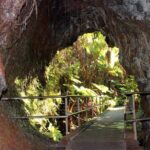
- Kaumana Caves Park: A Lava Tube That Feels Like a Natural Cathedral
- Hawaii Volcanoes National Park: The Caldera Walk That Tells a Full Story
- Halema’uma’u and the 2018 Story: What You’re Actually Seeing
- Volcano House: Views, Rest, and a Taste of the Classic Crater Scene
- Food and Drinks at Volcano Winery: Building the Day Around Real Fuel
- Price and Value: What $275.28 Buys You (and What It Spares You)
- Who This Tour Fits Best on the Big Island
- Small-Group Feel and the Role of the Guide
- Booking Decision: Should You Book Elite Volcano Hike From Hilo?
- FAQ
- FAQ
- What is the duration of this Hilo volcano hike?
- Where is the tour located?
- Does the tour include pickup?
- What time does the tour start?
- Is lunch and dinner included?
- Are admission tickets included?
- How much walking is there?
- What is the group size limit?
- What fitness level do I need?
- What happens if weather is poor?
Key highlights that make this day worth your time
- Kaumana Caves Park: a cathedral-like lava tube close to downtown Hilo’s edge
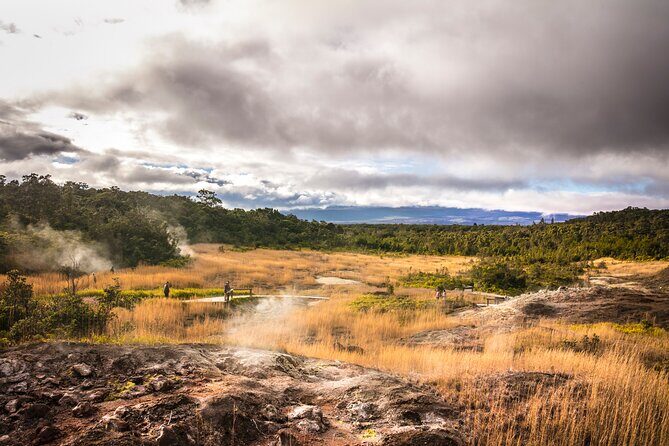
- Kilauea Caldera walking route: past Sulphur Banks and through ancient tree ferns
- 2018 eruption evidence: road changes you’ll see from the overlook, plus rock slide views
- Birdlife stops: watch for native species like ’amakihi and ’apapane during the walk
- Volcano House viewpoints: a quick breather with classic crater views
- Food that’s included: deli-style lunch plus dinner at Volcano Winery with drinks
From Hilo to the Volcano: Why This Order Works
Starting at 9:30 am and moving from Hilo’s lava-adjacent sites into Hawaii Volcanoes National Park makes sense. You begin in the calmer, easy-to-understand “how lava moved” zone at Kaumana Caves, then you graduate to the big dramatic crater country.
The day is about 9 hours, and it’s designed around a clear rhythm: short stops for awe, then a focused walking section where you can actually experience the terrain. Because this is a small group (maximum 72), you can get questions answered without feeling like you’re in a cattle chute. Pickup is offered, but you’ll need to contact the operator for the pickup spot and time that fit your location.
One more practical win: the tour uses a mobile ticket, which keeps you from hunting for printouts. And because site admission is included at the stops, you don’t spend time at ticket counters figuring out what’s covered.
Other hiking tours in Hilo
Kaumana Caves Park: A Lava Tube That Feels Like a Natural Cathedral
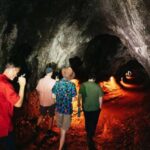
Your first real wow moment is Kaumana Caves Park, tied to the lava tube system that brought lava close—about 1.5 miles—to downtown Hilo back in 1881. This is not just a quick photo stop. You get about 20 minutes here, including admission.
What makes Kaumana special is the scale and shape. Lava tubes form long underground passages, and the caves here give you that cathedral vibe: tall, dramatic space created by ancient molten rock. It’s one of those places where your brain starts imagining the flow patterns rather than just admiring a view.
Practical tip: if it’s been raining, cave areas can be damp. If you’re prone to slippery footing, wear shoes with solid grip. Also, plan to take your time looking up and around—this stop rewards paying attention more than rushing.
Hawaii Volcanoes National Park: The Caldera Walk That Tells a Full Story
After Kaumana, you head straight into the heart of Hawaii Volcanoes National Park—the part that most people picture when they think Big Island volcano. The tour includes a brief visit at the Kīlauea Iki Overlook, then you transition to a walk on foot down a paved road toward Keanakakoi.
This is where the planning matters. The overlook gives you the “big picture” of what changed, especially related to the 2018 eruption, when activity buckled parts of the road and left visible sinkholes and damage. Then the walk brings you into a route that has been used for generations—there’s mention of the trail being established in 1846 and even tied to a classic rescue story involving Mark Twain and a guide named Alex Lancaster.
The hike portion is about 2 miles roundtrip, and it’s paced to include key sights along the way:
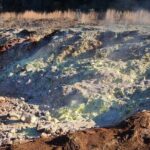
- Sulphur Banks as you move through the area
- Ancient tree ferns, including some described as around 1,000 years old
- Native birds you might spot, like ’amakihi and ’apapane
- Evidence of older geology: huge boulders resting from ancient rock slides and eruptions
- Marks left by earlier visitors, including Benjamin Boyd (a Scot) and John Webster (a California artist) in 1851
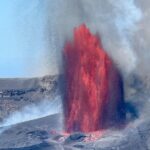
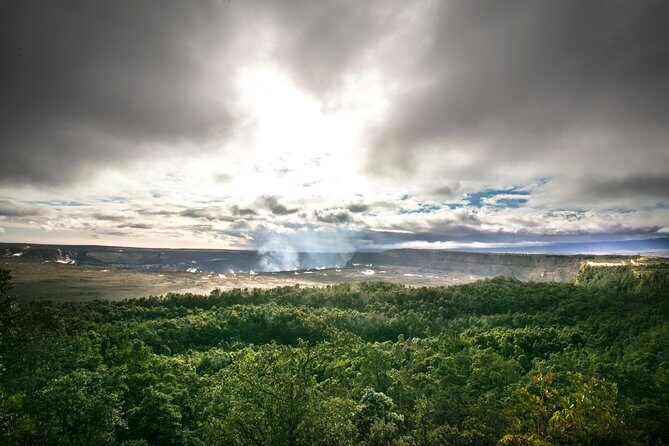
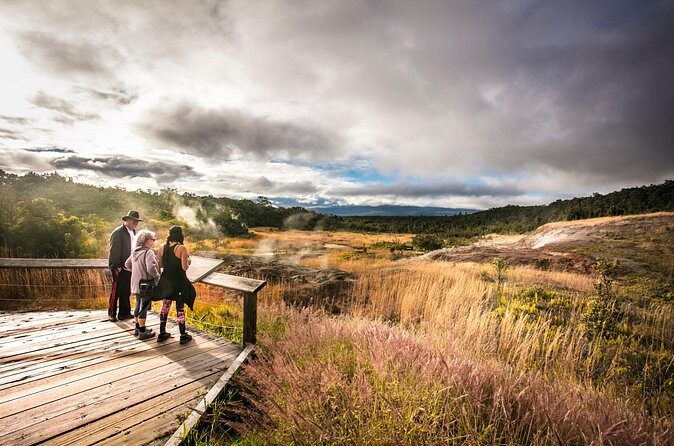
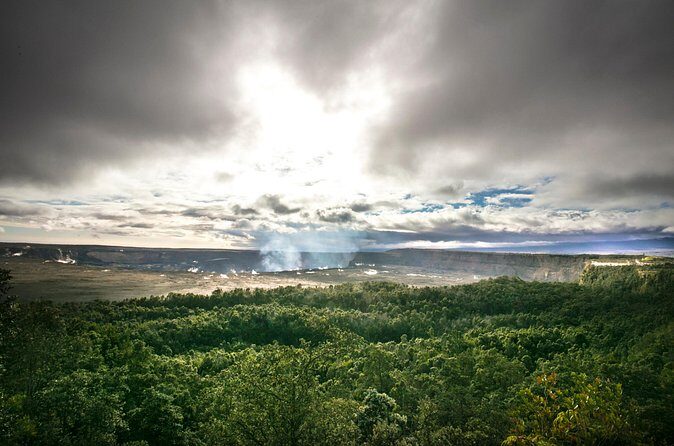
Reaching the floor of the caldera is the punchline. You’ll be looking out toward Halema’uma’u Crater, and you’ll also see a rock slide to the left—described as evidence of the 2018 eruption. During that eruption, lava activity changed the crater dramatically, leaving behind a deep pit described as about 1,000 feet deep after the lava lake drained.
Possible drawback to keep in mind: this is a “real walk day.” Even though the distance isn’t huge on paper, the volcanic ground can be uneven, and the day runs long. If you go in expecting an easy stroll, you’ll be disappointed. If you go in expecting a solid, guided nature walk with big payoffs, you’ll be happy.
Halema’uma’u and the 2018 Story: What You’re Actually Seeing
It’s easy to think of volcano travel as a set of dramatic viewpoints. This tour treats it more like a living textbook. You start with lava-tube evidence from the late 1800s, then you move into Kīlauea’s present-day drama, focusing on how the eruption physically reshaped land.
From the overlook, you get a sense of scale—crater depth, caldera layout, and the geography that makes the 2018 event so visible. Then on the walk, the 2018 story becomes physical: buckled road areas (seen from the earlier drive/overlook context), sinkhole impacts you can understand visually, and the rock slide marks that help you connect cause to result.
The trail angle is also important. This isn’t just a random circuit. You’re traveling a route that has existed since the mid-1800s, which means you’re walking paths shaped by both geography and human curiosity over time. That adds depth without turning the day into museum mode.
One more thoughtful note: you’ll be moving through areas tied to sulfur activity (Sulphur Banks). Even if you don’t smell anything strongly, you’ll notice that the setting feels different than a “normal forest” hike—this is a place where geology is the main character.
Volcano House: Views, Rest, and a Taste of the Classic Crater Scene
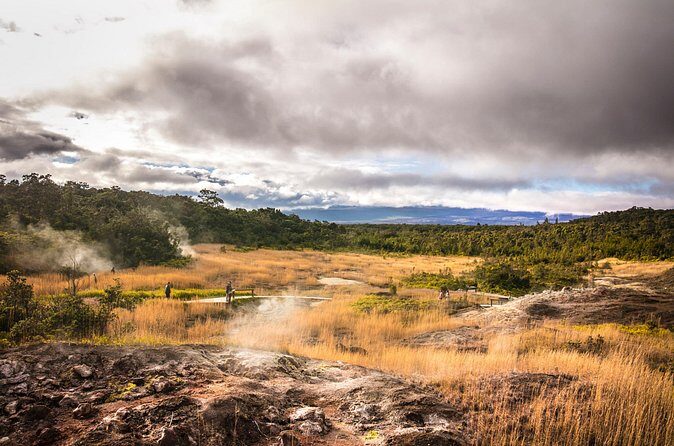
After the caldera hike, the itinerary slows down with Volcano House. You get about 30 minutes here, with admission included.
This stop matters because it breaks up the day. You’ve been walking and concentrating on the terrain and the eruption evidence; Volcano House gives you a chance to regroup, look out across the crater country again, and decide what you want to remember most.
If it’s raining, this is also the sort of place where you can still get value. You can shelter while staying connected to the views. Some people find the crater-area weather even more dramatic in wet conditions—so you might get a mood shift compared to clear, sunny days.
Practical advice: treat Volcano House as your reset point. Hydrate here, tighten your socks if they got wet earlier, and check your footing for any slick spots after your hike portion.


Food and Drinks at Volcano Winery: Building the Day Around Real Fuel
A long volcanic day can wreck you if food is an afterthought. Here, lunch and dinner are handled for you, including deli-style lunch and dinner.
The highlight for the meal portion is dinner at Volcano Winery, paired with complimentary drinks. That’s a clever touch for value and comfort. You’re not just finishing with a snack; you’re getting a proper sit-down meal after time outdoors. It also makes the day feel less like a tour checklist and more like an actual experience with an end point that feels satisfying.
One practical reason this matters: volcanic weather and walking can make your appetite unpredictable. Knowing you’ll have dinner planned reduces stress. And the winery setting gives you a calmer environment to enjoy the stories you just saw in the field—lava tubes, caldera views, and crater-scale changes.
Price and Value: What $275.28 Buys You (and What It Spares You)
At $275.28 per person, this isn’t a budget “hop on a bus and snack” kind of outing. But it also doesn’t feel like paying extra for basic logistics.
Here’s the value case as I see it:
- Admissions are included for Kaumana Caves Park, Hawaii Volcanoes National Park, and Volcano House.
- You get a guided day built around specific geological stops, not generic crater photos.
- Food is included (deli-style lunch and dinner), which can be expensive if you’re buying meals separately in the area.
- Dinner includes complimentary drinks at Volcano Winery.
- There’s a pickup option, which reduces time spent driving and parking.
The big “cost you avoid” is decision fatigue. When admissions and meals are handled, you can focus on the experience rather than solving problems on a tight schedule. For a full-day hike, that’s worth real money.
If you already have a car, love solo navigation, and don’t need meals included, you could potentially piece together parts of the day yourself. But you’ll likely spend time figuring out what’s worth your energy. This tour is built to match time on foot with the sites that explain the island’s volcanic changes.
Who This Tour Fits Best on the Big Island
This tour is best for you if:
- You want a guided experience with a clear route through volcanic features.
- You enjoy walking with a purpose, not just standing at viewpoints.
- You’re curious about the human stories tied to these places, like the historic trail use and the Mark Twain rescue connection involving Alex Lancaster.
- You appreciate that the day includes time to slow down (like Volcano House) rather than rushing nonstop.
It’s also a good match if you’re a first-timer in Hilo and want a structured day that doesn’t leave you guessing. The itinerary is built to give you a connected narrative: caves near Hilo’s edge, then the caldera’s present-day scale, then a final crater-view breather.
You’ll want to think twice if:
- You struggle with longer days and stepping on uneven ground.
- You’re extremely weather-sensitive and don’t like rain conditions. The experience is described as requiring good weather, and if weather forces a change, you’ll be offered a different date or a full refund.
Small-Group Feel and the Role of the Guide
One of the strongest reasons to pick this tour is the guiding style. The guides referenced for this experience—like Henry, Kyle, and Scott—are praised for being fun and patient, with facts that land in a way that helps you understand what you’re seeing.
In practical terms, that matters because volcanic scenery can be confusing if you don’t know what to watch for. The guide’s job here is to connect the dots: why lava tubes look the way they do, what the caldera route is revealing, and how 2018 changes show up on the ground.
If you do this type of hike without interpretation, you’ll still enjoy it. But with a good guide, you get the “why” as well as the “wow.”
Booking Decision: Should You Book Elite Volcano Hike From Hilo?
If your goal is a full, guided volcano day that mixes geology, wildlife, history, and good included meals, I’d book it. This is especially attractive when you want both crater-scale views and a real walking experience through the caldera area, plus the convenience of admission and food handled.
I’d skip it or at least reconsider if you’re not confident in your ability to handle a long day and a hike portion of about 2 miles roundtrip, especially on uneven volcanic terrain. And if your schedule is tight and you’re counting on a specific weather window, know that the operator plans around good conditions and adjusts if the weather won’t cooperate.
If you book, do yourself a favor: plan for wet-weather traction, bring layers, and treat Volcano House as your reset moment before dinner.
FAQ
FAQ
What is the duration of this Hilo volcano hike?
The tour is listed as approximately 9 hours.
Where is the tour located?
It runs on the Big Island of Hawaii, starting from Hilo and visiting stops like Kaumana Caves Park, Hawaii Volcanoes National Park, and Volcano House.
Does the tour include pickup?
Pickup is offered, but you must contact the operator for your pickup location and time.
What time does the tour start?
The start time is 9:30 am.
Is lunch and dinner included?
Yes. The tour includes deli-style lunch and dinner.
Are admission tickets included?
Yes. Admission tickets are included for Kaumana Caves Park, Hawaii Volcanoes National Park, and Volcano House.
How much walking is there?
There’s a hiking portion in the caldera area described as about 2 miles roundtrip.
What is the group size limit?
The maximum group size is 72 travelers.
What fitness level do I need?
Strong physical fitness is recommended for this tour/activity.
What happens if weather is poor?
This experience requires good weather. If it’s canceled due to poor weather, you’ll be offered a different date or a full refund.