REVIEW · ISLAND OF HAWAII
Kalaoa: Big Island & Kona Midday Whale Watching Tour
Book on GetYourGuide →Operated by Iruka Hawaii Dolphin · Bookable on GetYourGuide
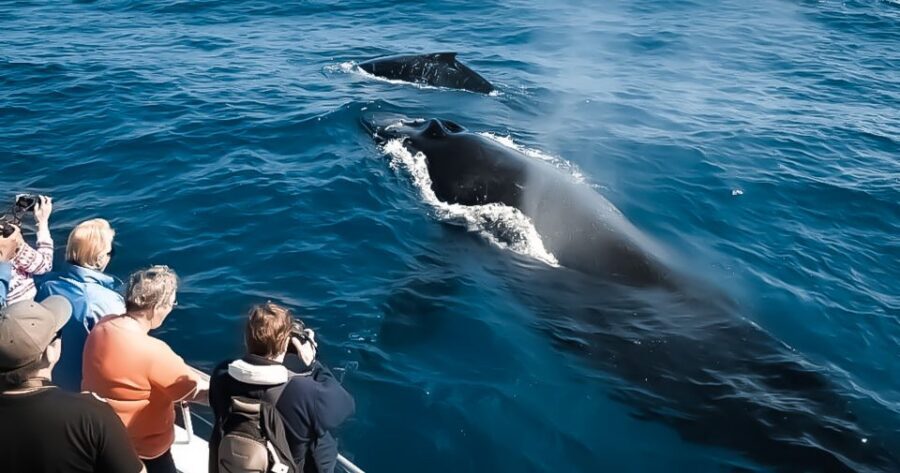
Whales can show up fast off Kona. On this Kalaoa to Kailua-Kona ride with the Kibou, you’re out on the water when humpbacks arrive and you get the kind of close views that make the ocean feel personal. The crew looks for humpback whales as they migrate back from Alaska, with a mix of spotting time and quick, practical narration.
What I like most is how small and low-key the experience feels. You’re on a catamaran, but the vibe stays personal, and you can stay in the shade for a big chunk of the ride. I also like the hands-on approach from the crew—names you might hear onboard include Trevor, Diego, and Tamae, and their job is to help you understand what you’re seeing while still keeping the focus on the water.
One consideration: this tour isn’t set up for everyone. It’s not suitable for people with mobility impairments and it isn’t for wheelchair users, and there’s no hotel pickup, so you’ll need to get yourself to the meeting point at Slip A17.
In This Review
- Key things I’d highlight before you go
- Kona whale watching on the Kibou: what you’re really buying
- Getting to Slip A17 and getting on the water
- Kailua-Kona coast scouting: where spotting actually happens
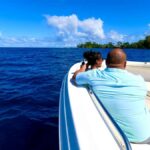
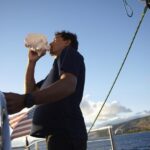
- The on-water experience: shade, drinks, and the catamaran vibe
- The whale moments: breaches, surface views, and what to watch for
- Learning about humpbacks and Alaska migration (without the lecture vibe)
- Weather, waves, and how to set your expectations
- Price and value: is $99 worth 2 hours on the water?
- Who should book this Kona whale watching tour?
- Booking timing and flexibility (quick notes)
- Should you book this Kalaoa Big Island & Kona tour?
- FAQ
- Where does the tour start?
- How long is the whale watching cruise?
- Is hotel pickup included?
- What language is the live tour guide?
- Do I need to bring anything?
- Is the tour wheelchair accessible?
- Does the tour provide cancellation flexibility?
- Who runs the experience?
Key things I’d highlight before you go
- Kibou catamaran, 2-hour outing: short enough to fit easily into a day in Kona.
- Check-in at Slip A17: you’ll start right at the dock, then return to the same meeting point.
- Humpback migration from Alaska: you’ll get context for the whales you’re watching.
- Shade + small-boat feel: you can relax without feeling packed in.
- Bring your own drinks: it’s part of the laid-back rhythm on the water.
- English and Japanese live guide: narration is available in both languages.
Kona whale watching on the Kibou: what you’re really buying
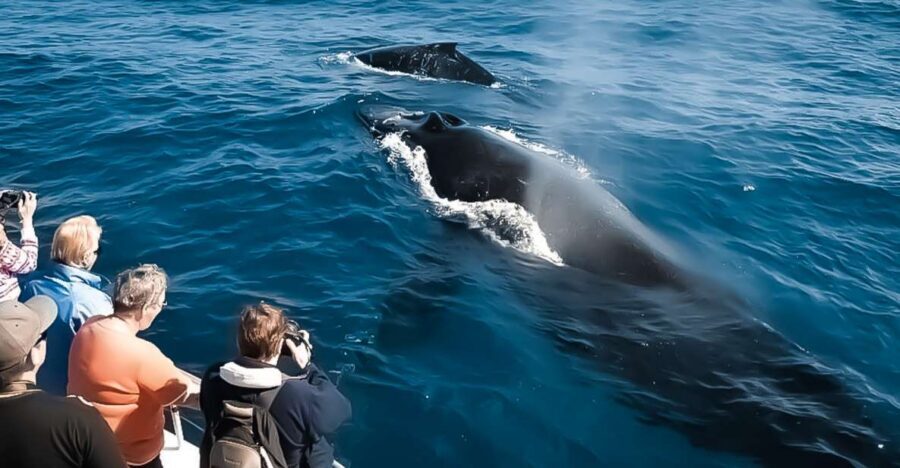
This is a focused, 2-hour whale watching cruise along the Kona coast out of Kalaoa. For $99 per person, you’re paying for time on the water during humpback season, plus a live guide to help you make sense of what’s happening when whales surface or breach.
The value here is simple: the tour is short, so you aren’t burning a half day to hope for wildlife. You’re also not dealing with a big production—this is more “go look” than “sit through a long talk.” That matters because whale watching is very timing-dependent. When the whales show up, you want your afternoon open and your expectations set for motion, wind, and real ocean conditions.
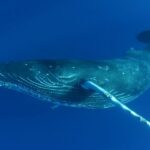
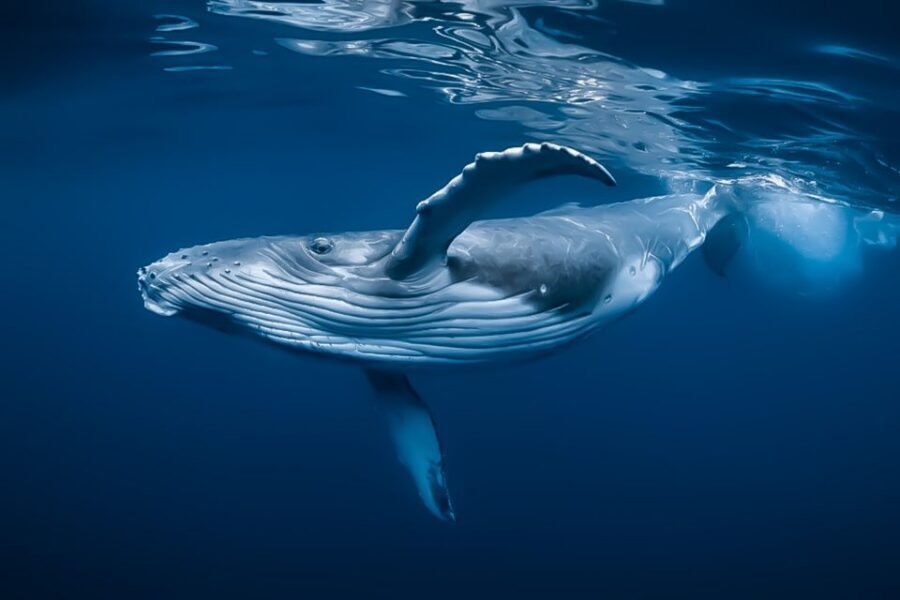
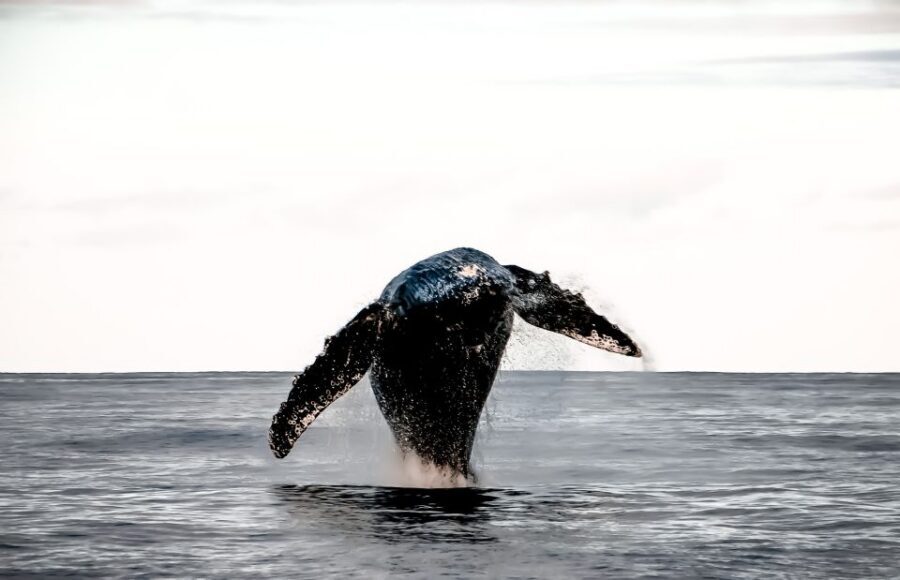
On a day with decent whale activity, that’s where this tour shines: you get views of humpbacks on the surface and the kind of breach moments that don’t look real until it happens.
Other whale watching tours in Island Of Hawaii
Getting to Slip A17 and getting on the water
You’ll check in at Slip A17. That’s your starting point, and you’ll finish back there too. There’s no hotel pickup and drop-off, so plan on arriving on your own transportation (ride share, taxi, or your own rental car).
The tour duration is listed as 2 hours, so think of it as a quick loop. You’ll want to arrive a little early for check-in so you aren’t rushing in the dock area when you’re already hot, sunburn-prone, or juggling seasickness concerns.
Also note the practical part: you should expect a true boat ride experience. Even on a stable catamaran, the ocean can be choppy some days. One of the most helpful things you can do for yourself is pack smart—drink water, bring your own beverages (more on that below), and wear clothes you don’t mind getting wind-scrubbed.
Kailua-Kona coast scouting: where spotting actually happens
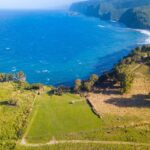
Once you’re out, the goal is straightforward: search along the Kailua-Kona coastline for migrating humpback whales. The crew is watching for surfacing patterns and the timing that makes whale sightings more likely.
What helps your odds is that the spotting isn’t just random wandering. The route is “along the coast,” which gives you a consistent stretch of ocean to work with. On days when the whales are active, you’ll see more than just distant spouts—you’ll have enough time near the surface to actually track the behavior.
You can also expect the tour’s attention to shift quickly. Whale watching is a lot like fishing: when the crew spots activity, the boat adjusts. The best part is that you’re on the water in the exact window when humpbacks return, and that timing is the whole point of going now rather than later in the year.
And if you’re wondering about other wildlife: you may see dolphins too, since some people have reported dolphins during their sail. That’s never guaranteed, but it’s a nice bonus when it happens.
The on-water experience: shade, drinks, and the catamaran vibe
Let’s talk comfort, because 2 hours is short, but it can still feel long if you’re stuck in the sun the whole time. The setup on the Kibou makes it easier to find shade, and that’s a big deal in Kona heat. If you burn easily or you’re traveling with anyone who gets uncomfortable in direct sun, plan to take advantage of the shaded seating early.
Then there’s the drink part. You’ll bring your own drinks, and the cruise has a relaxed rhythm built around the idea that you’re out there to watch the ocean, not just to rush from one photo spot to the next. A drink in hand also helps you settle into the motion—especially if it’s a slightly wavy day.
One reason I like this format is the “small and intimate” feel people mention. It’s not a giant cattle-boat setup, and that makes it easier to keep your focus on what matters: spotting whales, watching for blows and surface time, and catching those dramatic moments when a whale rises.
The whale moments: breaches, surface views, and what to watch for
This is the part you can’t fully plan. You go because humpbacks return, and you watch until they show themselves. When a whale breaches, it’s pure shock-and-awe—even if you’ve seen photos before. There’s something about scale on the water. The whale looks close enough to be mistaken for a shoreline feature until it moves.
What’s realistic in the experience is that you’ll spend meaningful time around whale activity. The guide and crew don’t just announce what you might see—they help you understand what you’re currently watching. That makes the experience better even on slower sightings days, because you’re not staring blankly at open water.
Here’s a practical tip: keep your eyes forward and toward the water surface where the crew is focused, not only on the horizon. Whales can appear and disappear quickly, and the moments worth photographing are the ones that happen right in front of you.


Learning about humpbacks and Alaska migration (without the lecture vibe)
The tour includes a live narration in English and Japanese, and the crew gives quick explainer moments so you know what you’re looking for. You’ll learn about humpback whales and why their migration matters—specifically the idea that these whales migrate from Alaska back to Hawaiian waters.
The best narration style here is the one that doesn’t steal the show. You’ll get enough information to connect behavior to species, but you’re still out on the water doing the main event: whale watching.
If you’re the type who likes to learn while you travel, this works well. You can connect the dots as the whales appear, and you’ll understand that you’re watching a seasonal return, not a random ocean encounter.
Names you might hear from the crew include Trevor, Diego, and Tamae. Beyond the names, what stands out is that they keep things easy and entertaining while staying focused on the spotting.
Weather, waves, and how to set your expectations
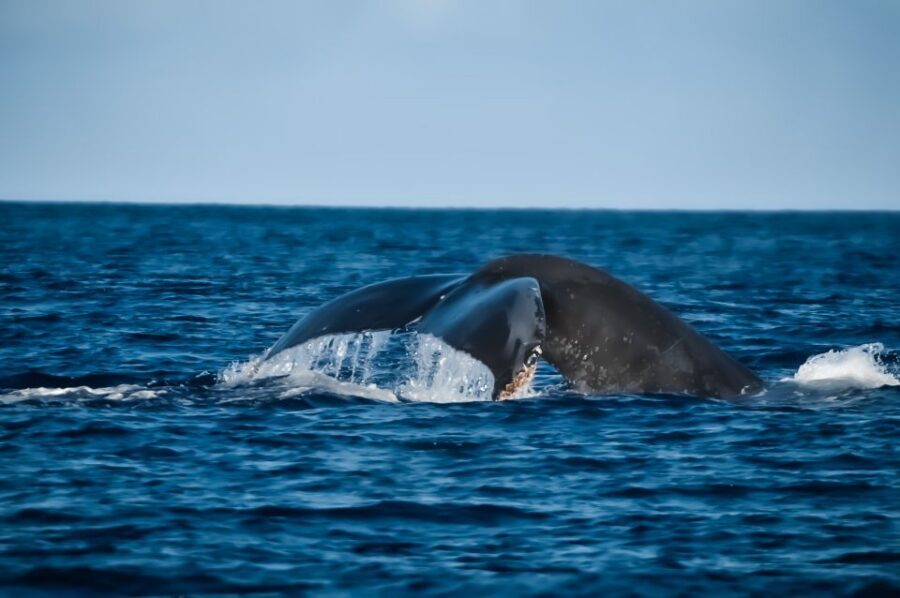
Even on a good day, this is an ocean ride. Some days can be bouncy, and one person’s experience mentioned lots of waves while still calling the ride out and back amazing. Translation: choppy water doesn’t automatically ruin the cruise, but it does mean you should prepare like you’re on the water for real.
What you can control:
- Bring drinks and plan to sip often.
- Wear sun protection (hat, sunglasses, sunscreen).
- Think about motion comfort (light clothing, and if you’re prone to seasickness, have your usual remedy ready).
What you can’t control: whale timing. That’s the gamble of whale watching anywhere. The upside is that the tour is timed to the season when humpbacks are back, which improves your chances compared with going at random times.
Price and value: is $99 worth 2 hours on the water?
$99 for a 2-hour catamaran whale watch may sound like a lot until you consider what it buys: access to the Kona coast’s whale season plus a guided spotting experience, without the overhead of a full-day schedule.
The cost makes sense if you:
- Want wildlife, not just a boat ride.
- Have limited time and prefer a focused outing.
- Like the idea of a smaller, more relaxed cruise rather than a crowded experience.
It may not be the best value if you’re the kind of traveler who hates uncertainty and needs “guaranteed sightings” to feel satisfied. This tour doesn’t promise a specific number of whales in the provided details. What it does provide is an active search during the season when humpbacks return and a crew that’s there to help you spot and interpret what’s happening.
For me, the strongest value argument is the combination of short duration and live guidance. You get a real experience without losing half your day, and you’re not left to figure out whale behavior on your own.
Who should book this Kona whale watching tour?
I’d point you toward this tour if you want:
- Humpback whale season in Kona with real time on the water
- A small-ish, intimate feel and the chance to stay shaded
- A guided experience in English or Japanese
- A straightforward meeting point experience at Slip A17 (no hotel pickup needed)
It’s likely not the right fit if you:
- Need wheelchair-friendly access or have mobility limitations, since it’s marked not suitable for people with mobility impairments
- Want a door-to-door service, because there’s no hotel pickup
If you’re traveling as a couple, a small group, or solo, this style works especially well because it’s easy to focus on the whales without feeling lost in a crowd.
Booking timing and flexibility (quick notes)
The tour has free cancellation up to 24 hours in advance, and it also offers a reserve now & pay later option to keep plans flexible. If the ocean is rough on one day, you’ll feel better knowing you have options—just watch the local schedule for your chosen departure time.
Starting times depend on availability, so check your preferred window early, especially during peak whale season.
Should you book this Kalaoa Big Island & Kona tour?
Yes, if you’re going to Kona with whale watching high on your list and you want a short, guided cruise that prioritizes getting you out on the water when humpbacks are present. The best reasons to book are the small-boat feel, the chance to stay in shade, and the fact that you’re not just passively riding—you’re learning what you’re seeing as the crew searches along the coast.
Skip it or consider another option if mobility access is an issue or if you strongly prefer transportation that picks you up from your hotel. Also, if you hate any uncertainty at sea, remember: whale watching is nature’s schedule, not yours.
If you can handle a couple of hours on the ocean and you’re excited by the possibility of breaching whales, this is a very solid pick.
FAQ
Where does the tour start?
You check in at Slip A17.
How long is the whale watching cruise?
The duration is 2 hours (starting times vary based on availability).
Is hotel pickup included?
No. Hotel pickup and drop-off are not included.
What language is the live tour guide?
The live tour guide is available in English and Japanese.
Do I need to bring anything?
Yes—bring drinks, since you’re allowed to bring your own.
Is the tour wheelchair accessible?
No. It is not suitable for wheelchair users and not suitable for people with mobility impairments.
Does the tour provide cancellation flexibility?
Yes. You can cancel up to 24 hours in advance for a full refund.
Who runs the experience?
The experience provider is Iruka Hawaii Dolphin.