REVIEW · ISLAND OF HAWAII
Mauna Kea: Stellar Explorer Tour from Hilo
Book on GetYourGuide →Operated by KapohoKine Adventures · Bookable on GetYourGuide
Mauna Kea nights change your sense of scale. This tour strings together Rainbow Falls and the Kaumana Caves in daylight, then flips to stargazing at altitude with a big telescope and astronomer-style narration, so you can end up viewing showpiece targets like Saturn and Jupiter. The one thing to keep in mind is weather: if clouds roll in, you may lose some of the night-sky action.
I also like that the group stays small (limited to 13), which makes it easier to ask questions during the telescope session—especially with guides like Nate, Richard, Eric, Henry, Hunter, and Krystal who really do bring both the science and the island context to the front. One more key detail: this experience skips Mauna Kea’s summit and Visitor Center out of respect for Native Hawaiian concerns.
In This Review
- Key Things I’d Watch For
- Why This Mauna Kea Tour Works So Well From Hilo
- Rainbow Falls and Kaumana Caves: The Day Stops That Set the Tone
- Boiling Pots and the Saddle Road Story Between Mauna Kea and Mauna Loa
- The Night Sky Part: How the Stargazing Session Actually Feels
- Expert Astronomer Narration: The Difference Between a Lecture and Seeing
- The Summit Is Skipped: Why That Matters for Your Planning
- Price and Value: Is $189 for 7 Hours a Smart Buy?
- Practical Stuff: What to Wear, How Long It Takes, and What the Group Size Means
- Who This Tour Is Best For (and Who Might Want Something Else)
- Should You Book This Mauna Kea Stellar Explorer Tour?
- FAQ
- How long is the Mauna Kea Stellar Explorer Tour from Hilo?
- Where do I meet for the tour?
- Does this tour visit the summit or Visitor Center on Mauna Kea?
- What’s included in the price?
- What should I wear for this tour?
- Is open-toed footwear allowed?
- What kind of stargazing will I do?
- Is the tour small group and offered in English?
Key Things I’d Watch For
- Rainbow Falls + Kaumana Caves in daylight sets up the geology story before the night sky part
- Saddle Road travel connects Mauna Kea and Mauna Loa, two of Earth’s largest volcanoes
- Boiling Pots adds a dramatic stop that fits the volcanic theme all the way through
- Large-aperture telescope time turns stargazing into real observing, not just looking
- Expert astronomer narration can guide what you’re seeing, even when targets change
Why This Mauna Kea Tour Works So Well From Hilo
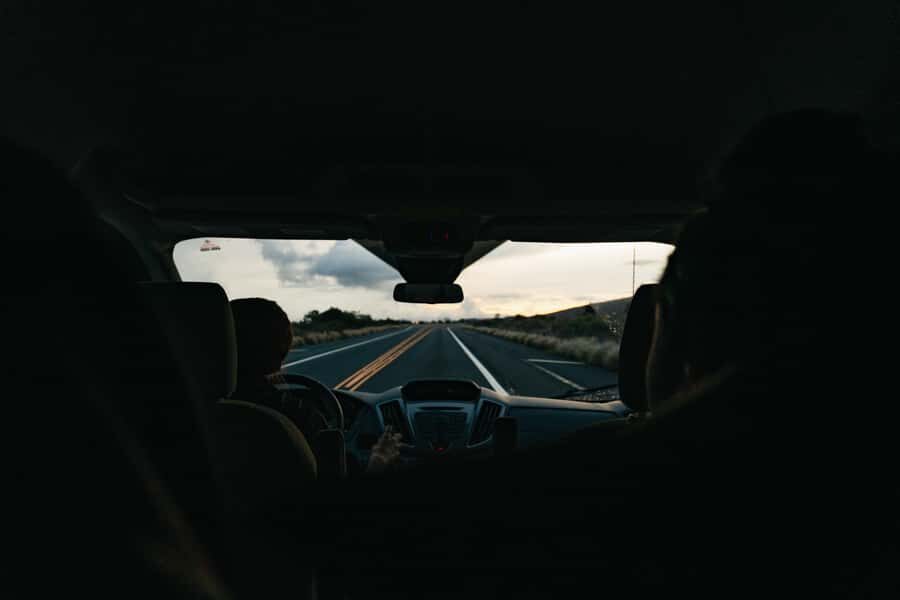
This is one of those tours that gets the pacing right. You’re not spending seven hours staring at a bus window waiting for night to happen. You start with classic Hilo-area highlights, then move onto volcanic country, and only then do you go looking upward.
That day-to-night structure matters. Morning and afternoon light make it easy to appreciate Hawaii’s volcanic shape and the way lava formed caves and geothermal features. Then darkness falls, and the “big view” becomes literal—deep sky objects and planets you can actually track in the telescope. If you like the idea of learning as you go, this kind of itinerary hits the sweet spot.
Other Mauna Kea stargazing and summit tours in Island Of Hawaii
Rainbow Falls and Kaumana Caves: The Day Stops That Set the Tone
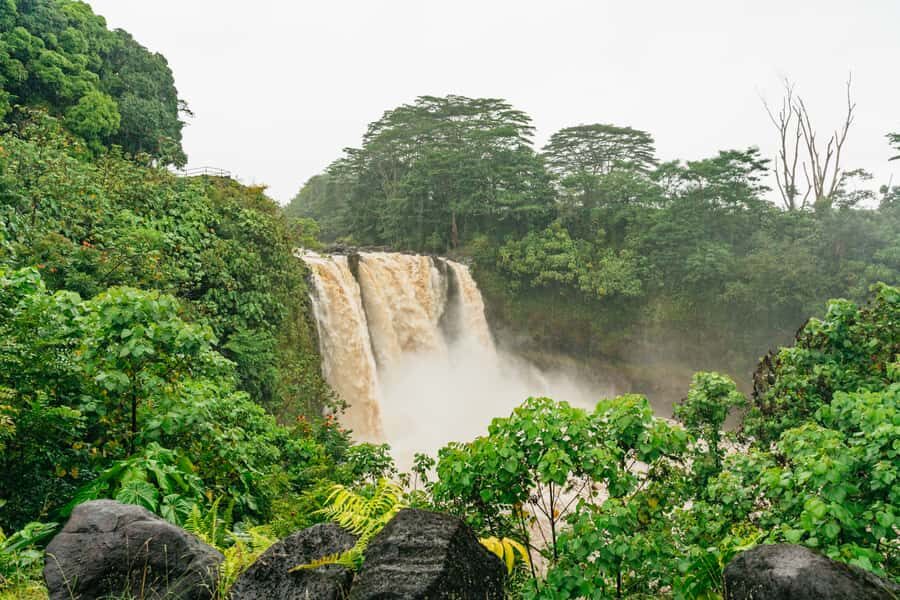
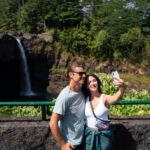
The tour begins with Rainbow Falls, a bright, photogenic stop that also helps you get your bearings in Hilo. It’s not just pretty scenery. Your guide uses the location to connect the island’s landscape to its volcanic engine—how Hawaii was made and how water interacts with that kind of terrain.
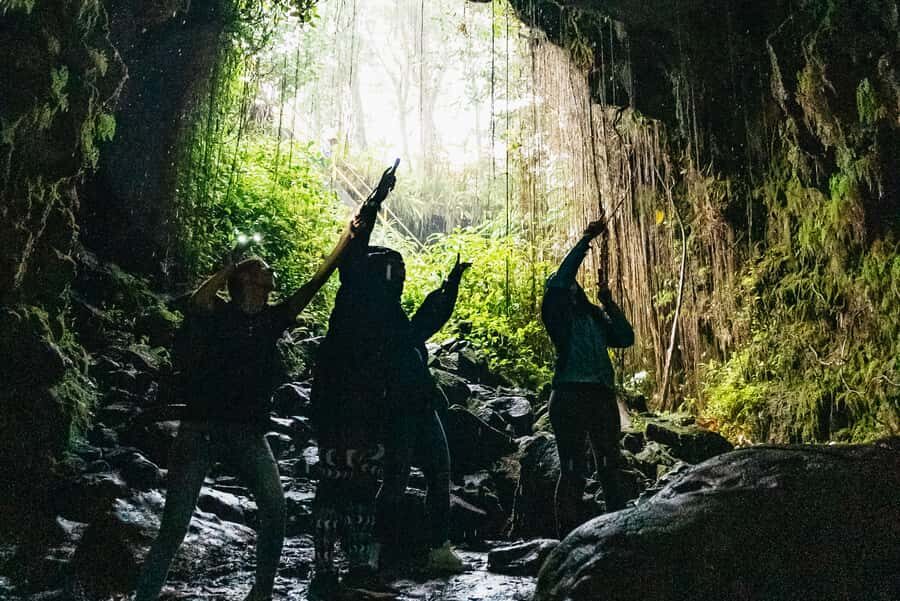
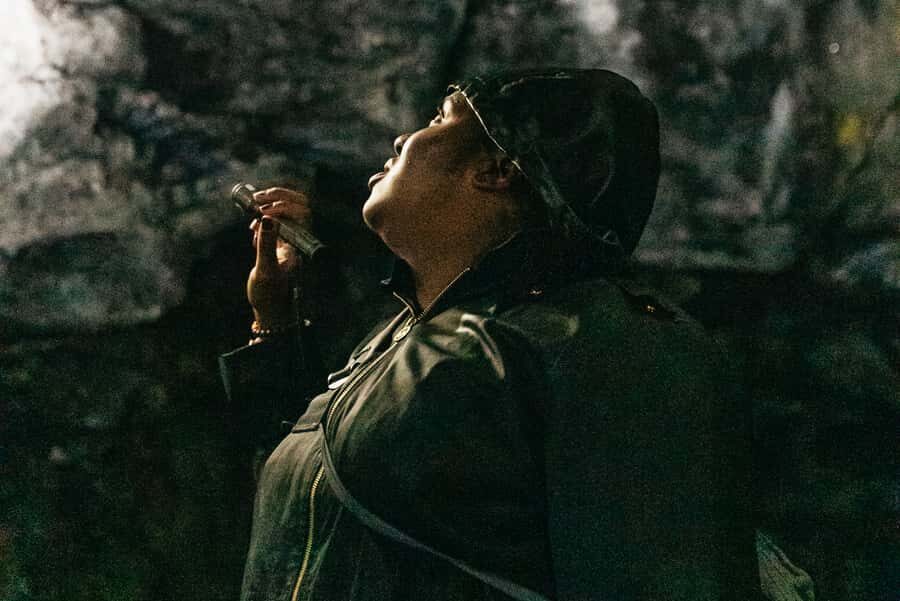
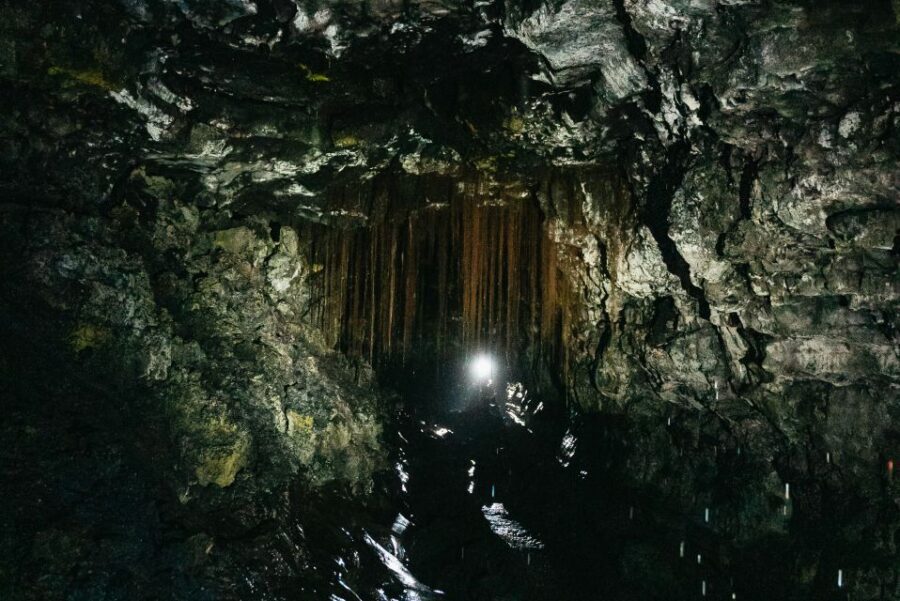
Next comes the Kaumana Caves. These aren’t just a quick photo-op. The caves fit the theme of the trip: volcanic activity created the conditions for lava tubes and cave systems, and that helps you understand why Mauna Kea isn’t only about stars. It’s the same island, just viewed from a different angle.
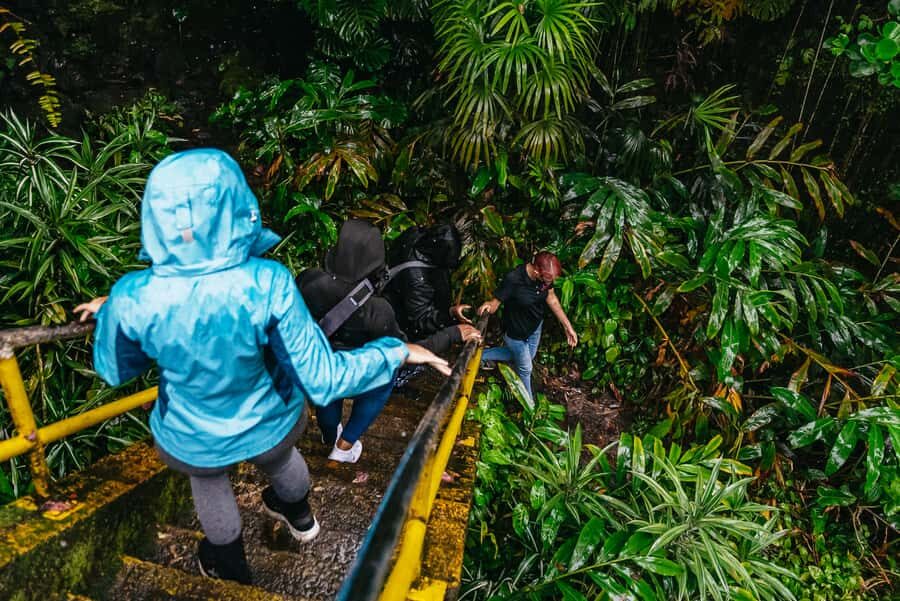
A practical note: caves and waterfalls are real places, so you’ll want to stay aware of footing and keep your legs covered. The tour provides jackets, but you still need long pants and closed-toe shoes.
Boiling Pots and the Saddle Road Story Between Mauna Kea and Mauna Loa
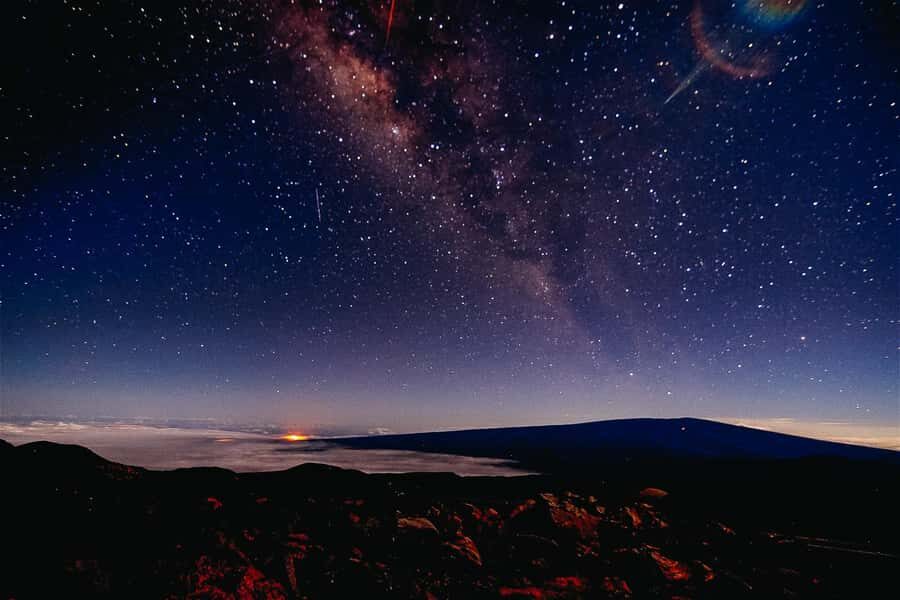
After the earlier stops, you head across Saddle Road. The payoff here is the connection between two massive neighbors: Mauna Kea and Mauna Loa, both described as some of the tallest and biggest volcanoes on Earth.
That’s more than trivia. When you’re riding between them, you can start to think of the Big Island like a system: different volcanic processes, different features, and different geothermal expressions. Saddle Road is basically the bridge that turns the trip from a set of stops into a single story.
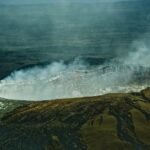
Then you reach Boiling Pots. This geothermal area fits naturally after the caves. It’s a reminder that the island is still active, still changing, still moving heat around under the surface. Even if you’re not a geology person, it’s the kind of stop that makes the later astronomy feel extra meaningful. One minute you’re watching Earth’s energy in action; the next you’re looking for patterns billions of light-years away.
The Night Sky Part: How the Stargazing Session Actually Feels
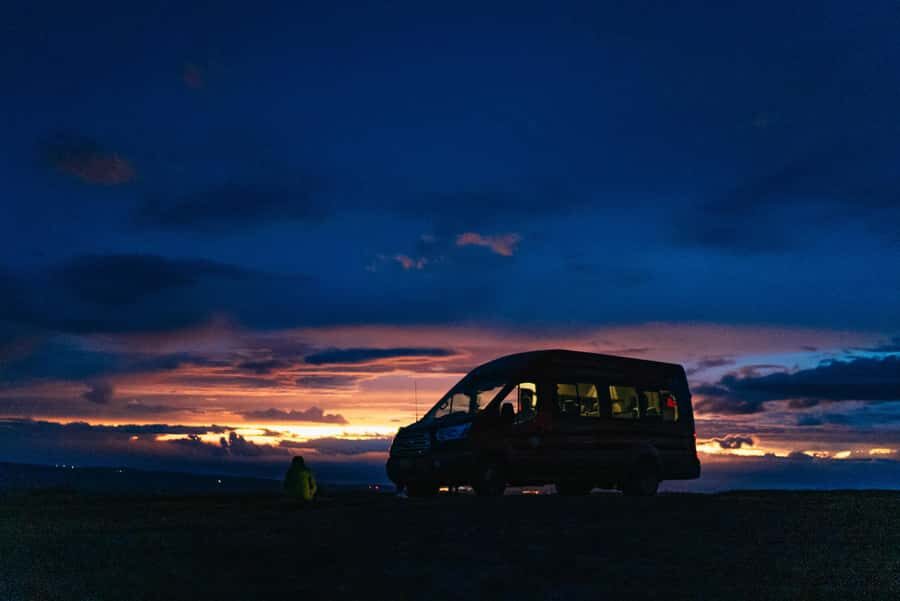
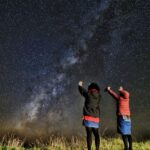
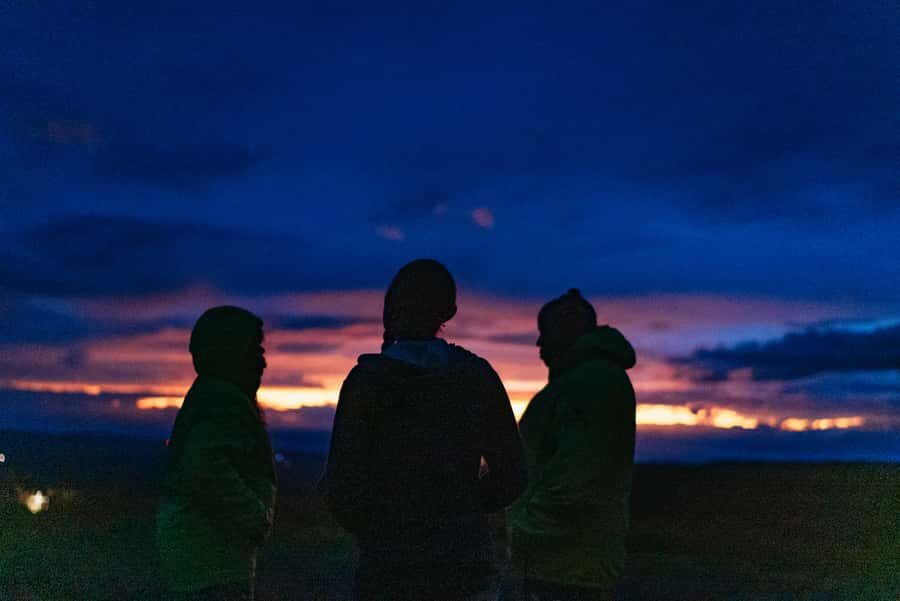
Once it’s dark, the tour takes you to one of the preferred stargazing locations on Mauna Kea for nighttime observation. And this is where the experience earns its name.
You don’t just get a spot and a lecture. You get telescope observing time. The equipment is provided, including jackets. The tour uses a large-aperture telescope, and the optics are described as a fast focal ratio system. Translation: you’re positioned for wide-field views—sprawling views of deep sky targets that other setups can miss or make harder to see.
What you can see depends on weather and what’s up in the sky at the time. The goal is flexible observing, so you might catch:
- galaxies, nebulae, and star clusters
- planets (weather and visibility permitting)
- double star systems
- the moon
The best moments tend to happen when the telescope view lines up with what the guide points out. In the tour’s guide narratives, people often call out seeing Saturn and Jupiter clearly—big, bright targets that make beginners feel like they’re not guessing. You’re looking at something real and specific.
Expert Astronomer Narration: The Difference Between a Lecture and Seeing
A big part of why this tour rates so high is how the astronomy is taught. The stargazing narration is done by expert astronomers who have written articles for well-known magazines and worked at world-class observatories for decades. That credibility shows in how they describe what you’re seeing.
Here’s the practical value: astronomy can feel vague if nobody helps you connect the dots. With real observing, you want someone to say, here’s what to look for, here’s why it looks that way, and here’s how it fits into the bigger picture.
Some guides—like Nate, Rich/Richard, Eric, Henry, Hunter, and Krystal—also layer in Hawaiian culture and local nature alongside the science. That combo turns a night activity into a story about place, not just a checklist of celestial objects.

The Summit Is Skipped: Why That Matters for Your Planning
This tour does not visit Mauna Kea’s summit or the Visitor Center, out of deference to Native Hawaiian concerns.
That choice affects expectations. You’re still stargazing from a preferred Mauna Kea location, and you still use the telescope and get expert narration. But if your dream is summit vistas and a specific Visitor Center experience, this isn’t that tour.
For most people, the tradeoff is worth it because the purpose here is the night-sky session and the observing conditions—plus the day stops that keep the trip balanced.
Price and Value: Is $189 for 7 Hours a Smart Buy?
$189 per person for a 7-hour tour isn’t a cheap impulse ticket. The value case comes from what’s included and how tightly the experience is built.
You’re paying for:
- entrance fees for the stops
- telescope equipment (so you’re not figuring out gear or bringing anything specialized)
- jackets for the cooler night conditions
- transport with strong satisfaction scores
- expert-style narration that supports both astronomy and place-based context
What you’re not paying for (from your side) is a separate telescope rental, an extra guided astronomy tour, or a bunch of micro-plans. This is one ticket that handles the logistics: you’re transported, equipped, and guided.
Still, the weather factor means you’re buying a chance at clear skies. If the clouds don’t cooperate, the day stops will still be worth it (Rainbow Falls, caves, Boiling Pots), but your sky targets may be limited. If you’re traveling with flexibility and you like guided observing, the price can feel fair. If you’re set on a specific summit experience, or you hate any chance of a reduced sky show, you’ll want to think twice.
Practical Stuff: What to Wear, How Long It Takes, and What the Group Size Means
This is a live English tour with a small group limited to 13 participants. That small size matters when you’re doing telescope observing. Instead of everyone crowding a single moment, you get a smoother experience and more attention from the guide during explanations.
You’ll meet at the Grand Naniloa Double Tree Hotel, 93 Banyan Drive, Hilo. From there, you’re on the road for about seven hours total.
What to bring:
- a jacket (even though jackets are included, having your own can help)
- long pants
- closed-toe shoes
What not to wear:
- open-toed shoes
That footwear rule is not picky. Mauna Kea stargazing areas and night conditions can be uneven or cold, and you’ll want control of your footing.
Also, expect temperature swings. The tour provides jackets, but you still want layers and long pants so the night session stays comfortable enough to focus on the sky instead of your discomfort.
Who This Tour Is Best For (and Who Might Want Something Else)
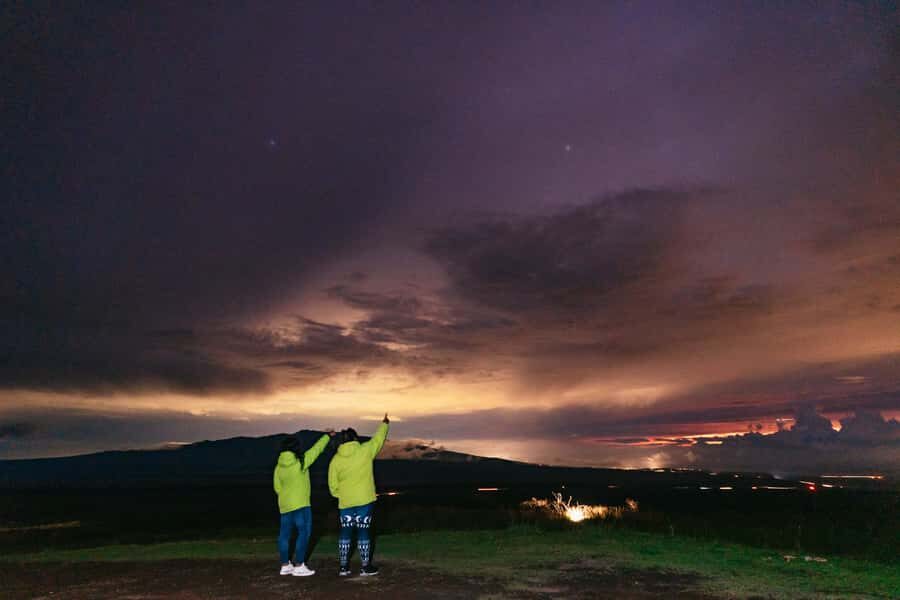
This fits you if you want a guided night-sky experience with real observing through a telescope, and you also want your daytime stops to connect to the volcanic story—waterfalls, lava caves, and geothermal activity.
It’s also a good match if you like guides who can teach without sounding like they’re reading facts off a screen. Several named guides stand out for their personality and energy, including Richard, Rich, Eric, Henry, Hunter, and Krystal, with people often pointing to Saturn and Jupiter views and clear, excited guiding.
It might not fit you if:
- you’re mainly chasing a summit/Visitor Center experience
- you absolutely need guaranteed star visibility (weather can interfere)
- you dislike tours that keep you moving between multiple sites in one day
Should You Book This Mauna Kea Stellar Explorer Tour?
I’d book it if you want the best kind of stargazing tour: one that combines volcanic Hawaii highlights with a serious telescope session and expert-style narration, all from Hilo. The small group size, the provided equipment, and the inclusion of jackets make it easy to show up ready to observe.
If you’re the type who can roll with changing sky conditions, you’ll get a lot out of both the day stops and the night observing. If you need summit access or you’re only interested in the absolute clearest-possible stars, then it’s worth considering alternatives before you commit.
FAQ
How long is the Mauna Kea Stellar Explorer Tour from Hilo?
The tour runs for 7 hours.
Where do I meet for the tour?
You meet at the Grand Naniloa Double Tree Hotel, 93 Banyan Drive, Hilo, HI 96720.
Does this tour visit the summit or Visitor Center on Mauna Kea?
No. The tour does not visit the summit or the Visitor Center out of deference to Native Hawaiian concerns.
What’s included in the price?
Entrance fees, all telescope equipment, and jackets are included.
What should I wear for this tour?
Bring a jacket, wear long pants, and wear closed-toe shoes.
Is open-toed footwear allowed?
No. Open-toed shoes are not allowed.
What kind of stargazing will I do?
You’ll observe deep sky and planetary objects through a large-aperture telescope. What you see depends on weather and what’s visible in the sky.
Is the tour small group and offered in English?
Yes. It’s a small group limited to 13 participants and the live tour guide speaks English.