REVIEW · HILO
Private Tour: Experience Active Kilauea Volcano & Hilo Rainbow Falls
Book on Viator →Operated by Mauka Makai Adventures · Bookable on Viator
Kilauea feels close on this private tour. You get private transportation with a pro driver, plus time in Hawaii Volcanoes National Park that includes the Kilauea caldera and Halema’uma’u crater with a certified national park guide.
What I like most is the mix: real volcanic sights (including a lava tube walk) paired with a smooth Hilo add-on like Rainbow Falls. The other big plus is the easy logistics—hotel or port pickup in select areas means you spend less time herding yourselves around and more time looking out the window.
One consideration: molten lava is not guaranteed, and the park experience is active-volcano territory—so bring a jacket, wear covered shoes, and expect volcanic gas risk.
In This Review
- Key things that make this tour work
- Why a private Kilauea day beats a DIY plan
- The “active volcano” part: Hawaii Volcanoes National Park
- A quick reality check on molten lava
- The rainforest lava-tube walk (Nahuku–Thurston Lava Tube)
- Footwear and comfort matter here
- Chain of Craters Road: viewpoints + geology lessons
- Why this matters even if you’re not a science person
- Hilo Rainbow Falls: the dramatic payoff
- A sweet stop at Big Island Candies (and a practical fuel break)
- The scenic drive: Liliuokalani Gardens by Hilo Bay
- Pickup, meeting points, and how to avoid wasted time
- Where you’ll be picked up
- A smart timing tip
- How long is the day, and what’s the walking like?
- Who this tour fits best (and who might want something else)
- Price and value: what you’re really paying for
- Guide quality: the difference between seeing and understanding
- What to bring so the day feels easy
- FAQ
- FAQ
- Is molten lava guaranteed on this tour?
- Do you offer pickup from Kona or Waikoloa?
- What’s included in the tour price?
- Is lunch included?
- What are the age requirements for kids?
- How much walking should I expect?
- What if I need to cancel?
- Should you book this private Kilauea and Hilo tour?
Key things that make this tour work
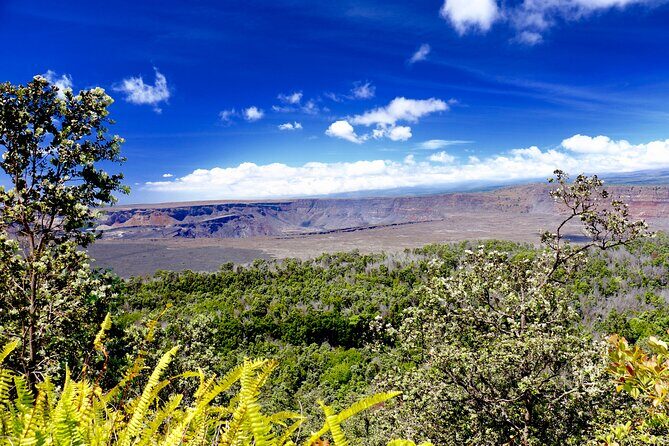
- Certified national park guidance at Halema’uma’u caldera so you’re not just watching, you’re understanding what you’re seeing.
- Thurston Lava Tube in the rainforest for that cool, cave-like contrast after volcanic overlooks.
- A well-paced volcanic road loop that includes Chain of Craters Road viewpoints without turning it into a long slog.
- Rainbow Falls + Hilo scenic stops so your day isn’t only about volcanoes.
- Private group up to 12 with a driver who keeps timing sensible and adjusts within reason for your group.
Why a private Kilauea day beats a DIY plan
On the Big Island, volcanic areas can feel big and confusing fast. You’re dealing with changing conditions, road planning, and the reality that active volcano viewing is partly weather and partly timing.
This private format helps because you’re not stitching together buses and self-guided stops. You get a dedicated professional driver and guide, plus a schedule designed around the most meaningful sights. It’s also a better match for groups—up to 12 people—because everyone can stay together in one vehicle and keep the day moving.
If you’re doing only one day on Hawai‘i Island, this tour is especially efficient. You cover major highlights in roughly 5.5 hours without turning your day into a string of awkward “where do we go now?” moments.
Other waterfall tours in Hilo
The “active volcano” part: Hawaii Volcanoes National Park
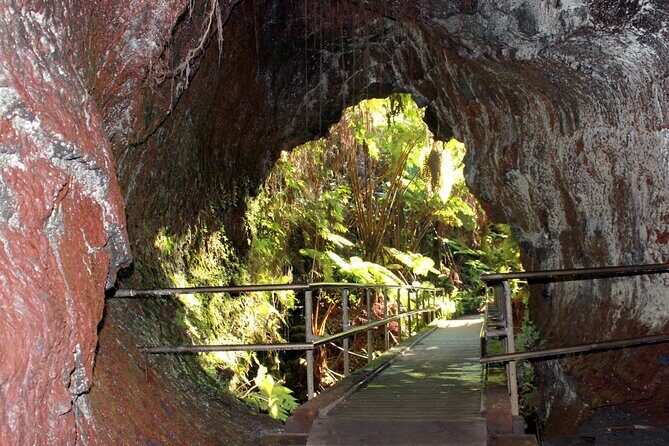
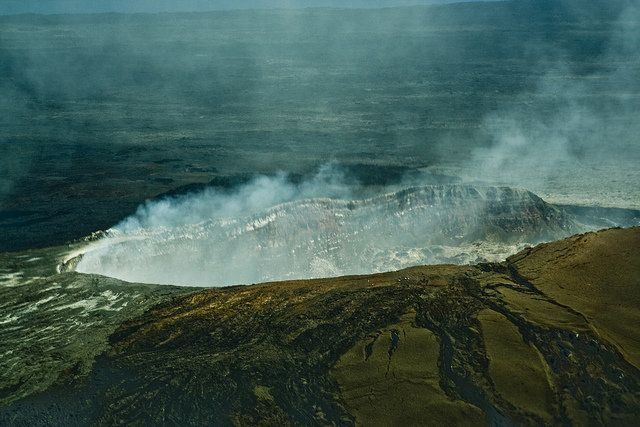
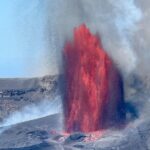
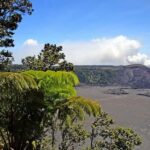
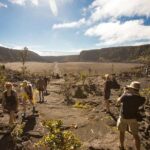
The heart of the day is Hawaii Volcanoes National Park, and the emphasis here is on Kilauea’s current story. You spend about 2 hours at the park, with a focused visit to the Kilauea caldera and Halema’uma’u crater.
This is where the certified national park guide matters. Seeing vents, steam, and dramatic terrain is one thing. Getting clear explanations about what’s happening—and why you’re witnessing fast changes—makes the whole experience land harder.
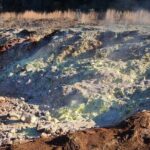
You’ll also feel the contrast built into the park stops. Expect hot, steaming areas alongside cooler, misty rainforest stretches. The tour includes short hikes and Hawaiian cultural interpretation along the way, which is a practical way to connect the geology to the place and its traditions.
What to watch for: the tour operates in all weather conditions. That means even on a gloomy day, you still get the experience. It also means you should treat rain like part of the plan, not a problem.
A quick reality check on molten lava
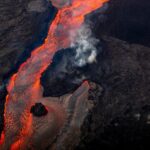
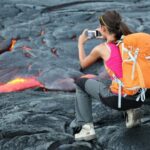
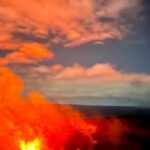
This is an active volcano, and there’s an explicit note that you may not see molten lava. That doesn’t make the day a waste—it just shifts the goal.
Instead of chasing one specific outcome, you’re learning to read what the landscape is doing right now: steam, heat, and volcanic activity indicators. The guided approach helps you notice details you’d likely miss on your own.
The rainforest lava-tube walk (Nahuku–Thurston Lava Tube)

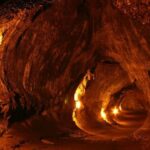
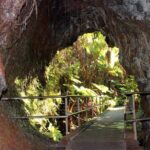
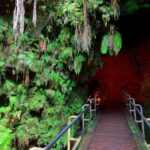
After the caldera area, the tour shifts to a different kind of volcanic feature: Nahuku (Thurston Lava Tube). This stop runs about 30 minutes, and it’s a walk through Hawaiian rainforest toward an underground tube that formed long ago.
You get to explore the 500-year-old lava tube—an underground corridor where hot molten lava once moved. The cool shift from outdoor heat to enclosed rock is part of why this stop is worth it. It gives your brain a break from the “watch the ground” feeling and lets you experience geology in a more physical way.
Footwear and comfort matter here
You’ll want covered walking shoes, and a jacket is highly recommended. Lava-tube areas can feel cooler and damp, and the rainforest setting adds humidity. If you show up in sandals, you’ll feel that decision within minutes.
Other private tours in Hilo

Chain of Craters Road: viewpoints + geology lessons
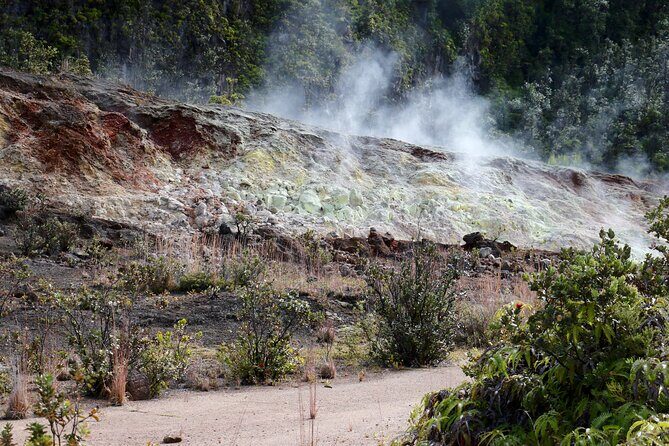
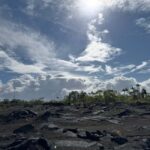
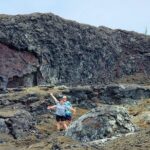
Next comes about 1 hour on Chain of Craters Road. This is the “look longer, learn more” portion of the day: volcanic formations, frozen fields of lava, and the chance to peer into once-active volcanic craters.
Because this is still part of a guided tour, you’re not just stopping where a map says stop. You’re being pointed toward what matters—historical context, geology, and culture tied to Kilauea’s story.
Why this matters even if you’re not a science person
Chain of Craters Road is where the shapes start to make sense. You’ll see how lava flows, how activity changes the terrain, and how the park reads like a living archive. It’s one of those areas where a good guide keeps it from turning into a blur of dark rock.
Hilo Rainbow Falls: the dramatic payoff
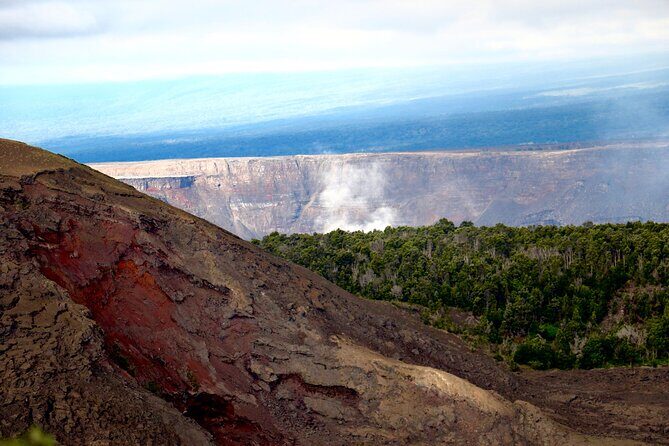
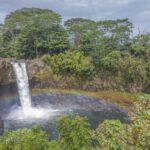
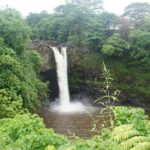
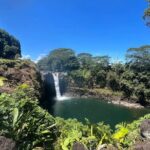
After the volcano program, the tour makes a clean pivot to Hilo’s waterfall scenery. Rainbow Falls (Waianuenue) is an 80-foot waterfall, and you’ll have about 20 minutes here.
This stop is shorter by design. It keeps your day from running late, and it also means you get to spend the time where it counts: looking, listening, and learning the legends connected to the place.
Even with limited minutes, it’s a strong contrast day-wise. One hour you’re dealing with steam and ancient rock; the next you’re dealing with flowing water and tropical air right near Hilo.
A sweet stop at Big Island Candies (and a practical fuel break)

You’ll also get about 15 minutes at Big Island Candies. This is a quick pick-me-up where you can try hand-made chocolates, locally grown macadamia nuts, and island fresh coffee.
It’s free to stop here as part of the tour time—though the admission note is that those items are not included. Think of it as a controlled, low-stress chance to taste local products and reset your energy before the final drive elements.
The scenic drive: Liliuokalani Gardens by Hilo Bay
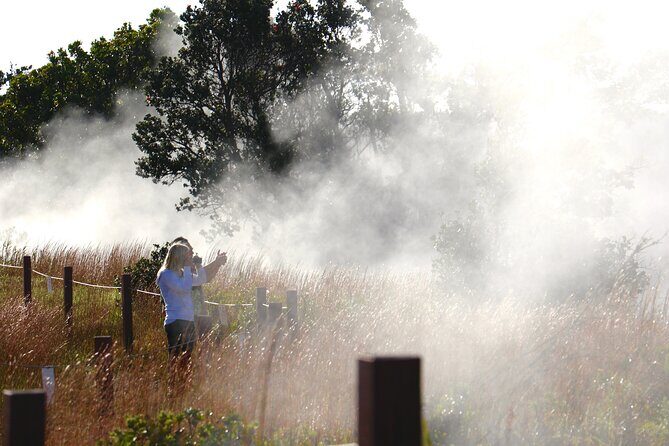
One extra piece that helps the day feel complete is the scenic drive through Liliuokalani Gardens.
You’ll pass by large banyan trees, fishponds, pagodas, and landscaped views along Hilo Bay. It’s not a long walking attraction, but it does give you a calmer mood shift before you head back.
If your day is otherwise very geology-heavy, this is the soft landing your itinerary needs.
Pickup, meeting points, and how to avoid wasted time
This tour is built around the idea that you show up, get in the vehicle, and go. That only works if your pickup plan matches your location.
Where you’ll be picked up
- Cruise ship passengers: pickup at the Port of Hilo, and the tour time can adjust to match your ship schedule.
- Hilo Airport: pickup requires your flight number and arrival time, and you should plan to land at least 30 minutes before tour start.
- Hilo hotels: pickup is offered for select hotels along Banyan Drive only. You’ll meet the guide near the front entrance.
- If you’re not in Hilo (like Kona or Waikoloa): you do not get transportation. Plan to meet at either the Hilo Mo’oheau Bus Terminal (with free parking nearby) or at the Volcano Visitor Center for the Volcano-only private option.
A smart timing tip
Schedule your day so you’re not arriving to Hilo at the last possible minute. This tour depends on timely pickups, and volcanic conditions can change the pace inside the park.
How long is the day, and what’s the walking like?
Expect about 5 hours 30 minutes total. The walking is described as moderate fitness level, with short hikes in the national park and a rainforest walk to the lava tube.
You’re not signing up for a long-distance hike, but you should still take it seriously. Covered shoes are required, and the weather can swing between sun, wind, and rain.
If you’re traveling with knee issues or feel unsteady on uneven surfaces, tell your guide ahead of time. This is a private tour, so they can often help you plan within the allowed itinerary flow.
Who this tour fits best (and who might want something else)
This tour shines for:
- First-time visitors who want the best parts of Kilauea without wasting a day figuring out logistics.
- Groups of 2–12 who want the comfort of a private vehicle and a guided explanation.
- Travelers who care about cultural interpretation alongside the geology.
It may not be the best match if:
- You’re hoping for an all-day beach-and-sun schedule. This is an active-volcano day with weather exposure.
- You need a guaranteed chance to see molten lava. That’s not something anyone can promise.
Price and value: what you’re really paying for
The price is $2,255.39 per group (up to 12) for about 5.5 hours, with private transportation included.
Value depends on group size:
- With the full group of 12, that works out to roughly $188 per person.
- With 6 people, you’re closer to $376 per person.
- With 2 people, it’s about $1,128 per person.
So the economics are most attractive when you can fill the group slots. Still, even for smaller groups, private transport can reduce hassle enough to feel worth it—especially if you’re dealing with cruise timing, airport timing, or hotel pickup outside Kona/Waikoloa.
You’re also getting national park entry fee included, a certified national park guide during the key park segment, and bottled water plus snacks (island chips). The tour also explicitly notes there are no meal purchase options along the way, and you can’t eat in the vans—so plan ahead for your own trail snacks.
Guide quality: the difference between seeing and understanding
One thing that comes through strongly is the guiding style. If guides like Jill or Josh are part of your day, you can expect a mix of attention, timing, and real storytelling.
Jill was described as offering genuine, meaningful stories and being very attentive to specific needs. Josh was praised for staying on time without rushing and for being prepared with umbrellas in rainy conditions, plus sharing history and facts in a way that felt more personal than larger tours.
Those are small things, but they matter on a day where the weather and road conditions can shift.
What to bring so the day feels easy
Because this is an active-volcano day with all-weather operation, I’d pack for both sun and rain:
- Covered walking shoes (required)
- A jacket (highly recommended)
- A small rain layer or umbrella if you like one
- Refillable water bottle (you get bottled water, but bringing your own is encouraged)
- A couple of snacks you can eat on your own time (no lunch is provided, and no eating in the vans)
Also note the tour may expose you to volcanic gas. That’s not something you can fully control, but you can protect your comfort and decision-making by being prepared.
FAQ
FAQ
Is molten lava guaranteed on this tour?
No. The tour does not guarantee you will see molten lava. You’ll still visit major viewpoints and areas that show the active volcano story through steam, heat, and changing terrain.
Do you offer pickup from Kona or Waikoloa?
No transportation is provided from Kona or Waikoloa. You’ll need to meet in Hilo or at the Volcano Visitor Center for the volcano-only option.
What’s included in the tour price?
Included are a professional guide, private transportation, national park entry fee, snacks (island chips), and bottled water.
Is lunch included?
No lunch is included. There are no options for meal purchases along the way, and you cannot eat in the vans. You can bring your own snacks for the trail.
What are the age requirements for kids?
Youth ages 10 years and older are allowed, and all participants must have a paid seat. Children under 10 are not allowed.
How much walking should I expect?
You should plan for moderate physical fitness. The schedule includes short hikes in Hawaii Volcanoes National Park and a walk to Nahuku (Thurston Lava Tube).
What if I need to cancel?
You can cancel for a full refund if you cancel at least 24 hours in advance of the experience’s start time. If you cancel less than 24 hours before, the amount paid is not refunded.
Should you book this private Kilauea and Hilo tour?
If you want Kilauea’s best parts with guidance, plus Hilo’s Rainbow Falls and a few island flavors, this is a strong one-day plan. The value peaks when you’re traveling with others and can fill out the group size—then private transport and guided interpretation feel like the smart play.
I’d book it if:
- You’re short on time on the Big Island and want a tight, high-impact itinerary.
- You’ll appreciate cultural interpretation, not just scenery.
- You want less stress on pickup and timing, especially for cruises or flights into Hilo.
Skip it—or at least adjust expectations—if you’re mainly chasing the certainty of molten lava. This tour is built for active volcano reality: you’ll see major areas and learn what’s happening, but nature decides how dramatic it looks that day.