REVIEW · ISLAND OF HAWAII
Big Island: Evening Volcano Explorer from Hilo
Book on GetYourGuide →Operated by KapohoKine Adventures · Bookable on GetYourGuide
Dusk makes Kilauea feel close. I love how this tour pairs a physical walk on fresh black sand with guided geology stories that make every lava flow easier to understand, especially with a National Park Service–certified guide driving the narration. I also love the chance to look for active caldera details in Hawaii Volcanoes National Park, from visitor stops with steam and sulfur to viewpoints that help you see what the volcano is doing right now.
The main drawback to plan for: evening visibility can be hit or miss, so you might not see obvious glowing lava at dusk even when the volcano is active. Still, the day-to-night structure keeps the experience rewarding because you’re learning what’s happening even when the view is subtle.
In This Review
- Key Things That Make This Evening Volcano Tour Work
- Hilo to Kalapana: the ride that sets up Kilauea
- The black sand beach hike: boots on fresh lava terrain
- Star of the Sea Painted Church: when the community moved first
- Hawaii Volcanoes National Park: Kilauea up close in layers
- Kilauea Visitor’s Center
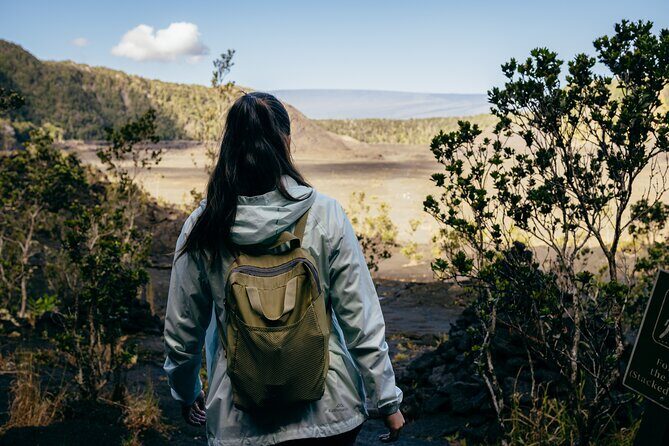
- Kilauea Iki Crater Overlook
- Steaming Bluffs and sulfur bank areas
- Volcano House views: the caldera picture you can’t rush
- The paved-road cracks and 2018 eruption scars: learning from damage
- Dinner and the small-group pace: the practical side of “evening”
- Price and value: what $169 buys you on the ground
- Getting there, what to pack, and who this tour fits best
- Where you meet
- What to bring
- Health and comfort reality check
- Should you book the Big Island Evening Volcano Explorer?
- FAQ
- How long is the Big Island Evening Volcano Explorer from Hilo?
- What’s included in the price?
- What’s the meeting point for the tour?
- Do I need a reservation in advance?
- What should I wear?
- Is the tour good for people with health conditions?
- Is there free cancellation?
Key Things That Make This Evening Volcano Tour Work
- Black sand beach walk over lava ground: a real, boots-on-the-ground feel for how new shoreline forms.
- NPS-certified guide storytelling: geology, volcanology, and local context tied to what you’re seeing.
- Steam vents and sulfur banks near the action: you’ll get close to the island’s heat without needing technical gear.
- Kilauea Iki overlook and other key park viewpoints: you’re not just driving through; you’re stopping where the terrain tells the story.
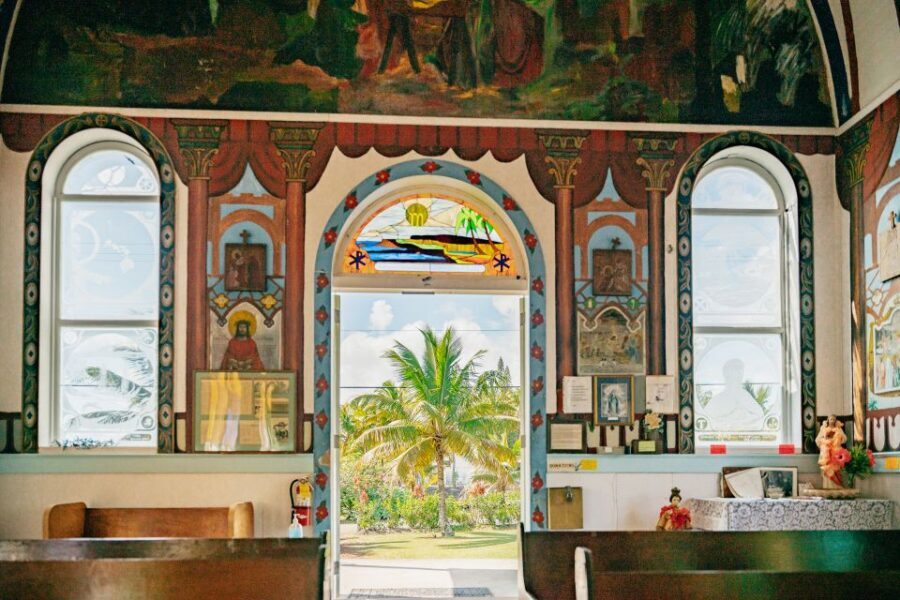
- Star of the Sea Painted Church history: the building’s relocation shows how community life and lava impacts collide.
- Small-group comfort: capped at 13 people, so the pace and stopping points feel controlled.
Hilo to Kalapana: the ride that sets up Kilauea
The day starts with a drive through Hilo, including a pass along the historic waterfront. If you’ve only flown in and missed the island’s everyday rhythm, this first leg is your quick reset. You’re not yet in the park; you’re getting oriented to how the landscape and towns developed around the volcano’s long shadow.
Next comes the drive toward Kalapana, an old fishing village area. This matters because it frames Kilauea as more than scenery. Lava here has affected roads, shoreline, and homes over time, and the guide’s narration sets that tone early—lava flows aren’t just one dramatic event; they’re an ongoing force shaping where people live and how land changes.
You’ll have an NPS-certified guide with you for the whole experience, covering volcanology and geology, plus history and local observations about flora and fauna you’ll pass. The best tours are the ones that turn “pretty stops” into “I understand what I’m looking at,” and this one leans hard into that approach.
Other evening experiences in Island Of Hawaii



The black sand beach hike: boots on fresh lava terrain
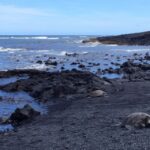
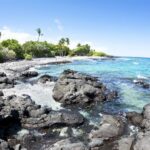
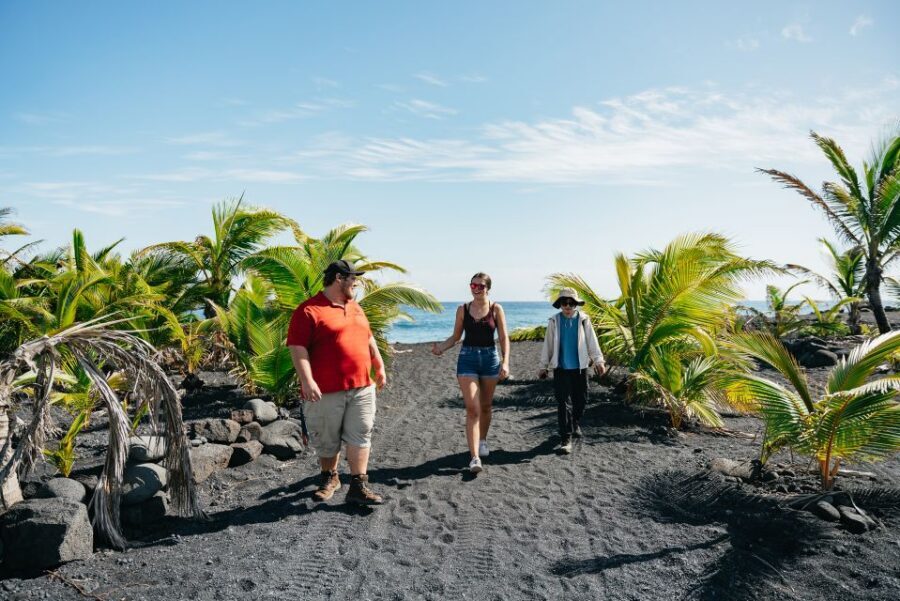
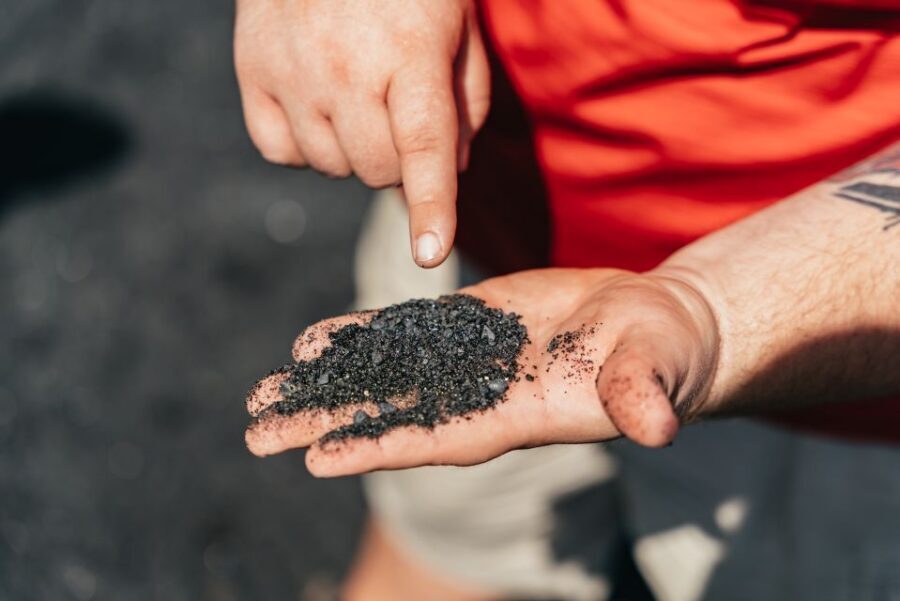
One of the tour’s biggest reasons to book is the black sand beach visit, reached after hiking out across a lava flow. This isn’t a casual stroll on a manicured beach. You’re walking on a surface that came from volcanic material and has reshaped the shoreline. That simple fact makes the stop feel more meaningful than the word beach usually suggests.
The walk helps you connect three dots at once:
- how lava travels and spreads,
- how coastlines get rebuilt,
- why black sand forms where volcanic material breaks down and mixes with the ocean.
Expect a hike with real footing. That’s why closed-toe shoes are not optional. If you’ve got sneakers that are comfortable for uneven ground, you’re in good shape. If you planned to wear sandals, switch plans now.
Also, go in with flexible expectations. Lava ground can be uneven and change in texture, and dusk lighting can make footing feel different than midday. This is one of those times where your comfort directly affects your experience.
Star of the Sea Painted Church: when the community moved first
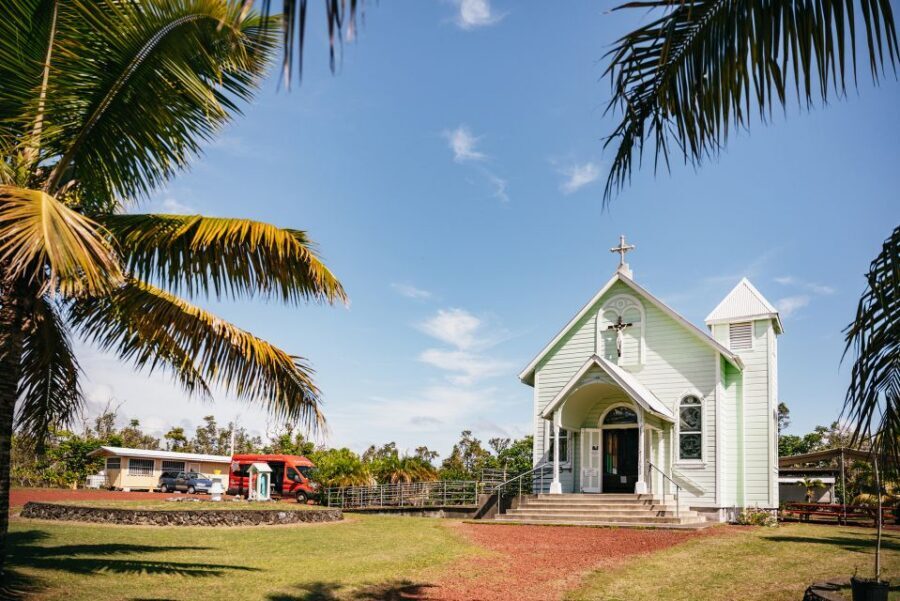
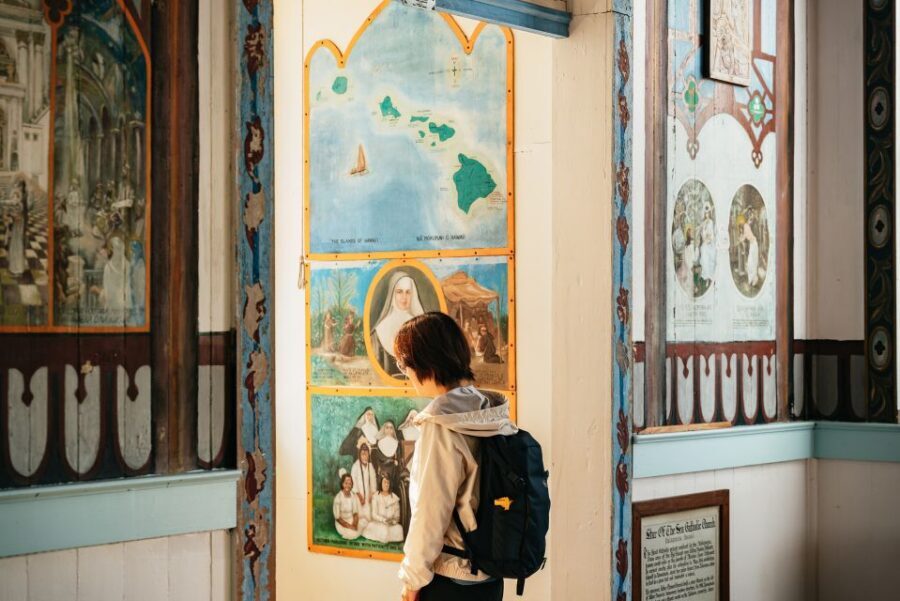
After the beach, you’ll stop at the Star of the Sea Painted Church, a decommissioned church that the community moved twice to save it from advancing lava flows in 1990. It’s listed on the National Register of Historic Places, which adds a layer beyond “interesting building.” This is a marker of how people respond when the volcano threatens daily life.
What I like about including this stop is that it changes the emotional temperature of the tour. Up to this point, it’s mostly natural forces and geology. Here, you’re seeing human effort, faith, and practical decisions shaped by the same volcanic reality.
It also gives you something rare on volcano trips: a story that’s not just about disaster. It’s about persistence and keeping a place relevant even when the environment refuses to stay still.
Hawaii Volcanoes National Park: Kilauea up close in layers
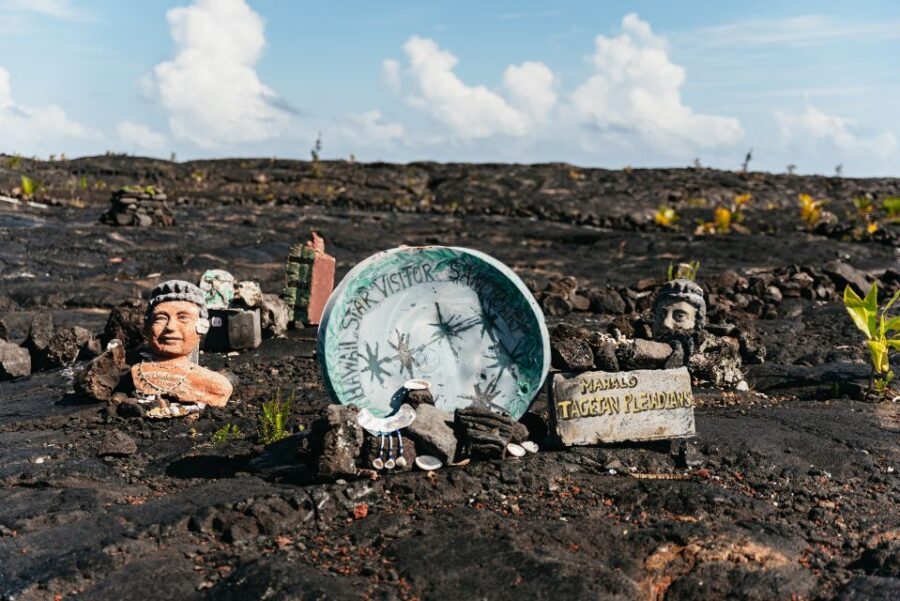
Now you’re in the crown jewel of the island: Hawaii Volcanoes National Park. This is where the tour shifts from “lava and shoreline” into “current activity and geothermal behavior,” with several stops designed to teach your eye what to look for.
Kilauea Visitor’s Center
The Kilauea Visitor’s Center is a smart way to start inside the park. Even if you’ve read about Kilauea before, the guide narration and what you can see around you make the information feel immediate. Think of it as setting your mental map before you chase steam, craters, and sulfur.




Kilauea Iki Crater Overlook
The Kilauea Iki Crater Overlook is one of those viewpoints that makes you appreciate how explosive and how incremental the process can be. Your guide’s commentary helps you connect what you see in terrain to what’s happening below or nearby—lava behaves differently in different settings, and the park’s features are like a set of footprints.
Steaming Bluffs and sulfur bank areas
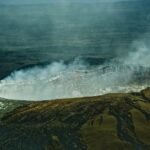
You’ll also walk past or near areas known for steam vents and sulfur banks. This is the “you don’t need a science degree” part of volcano travel. When the ground is releasing heat and gases, it becomes obvious why local ecosystems and landscape patterns look the way they do.
One thing to keep in mind: smell and comfort can vary. Sulfur can be strong, and it’s not the kind of scent you forget quickly. If you’re sensitive to odors or have respiratory concerns, you’ll want to take the health guidance seriously.
Volcano House views: the caldera picture you can’t rush
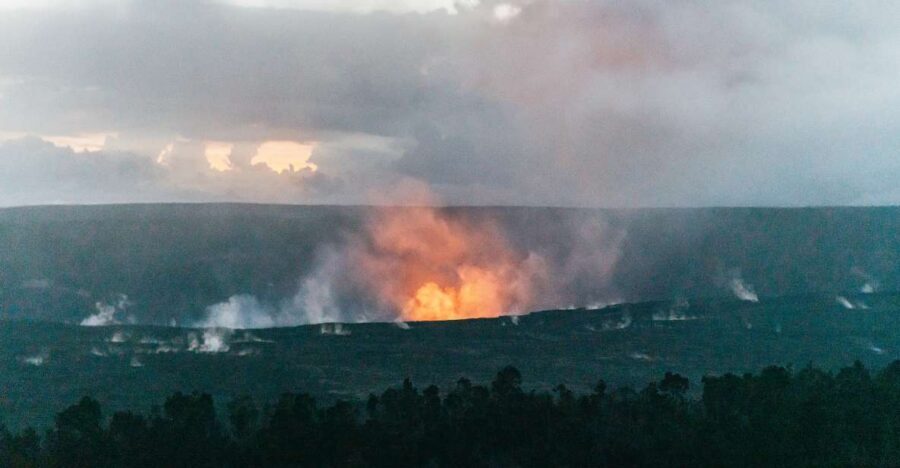
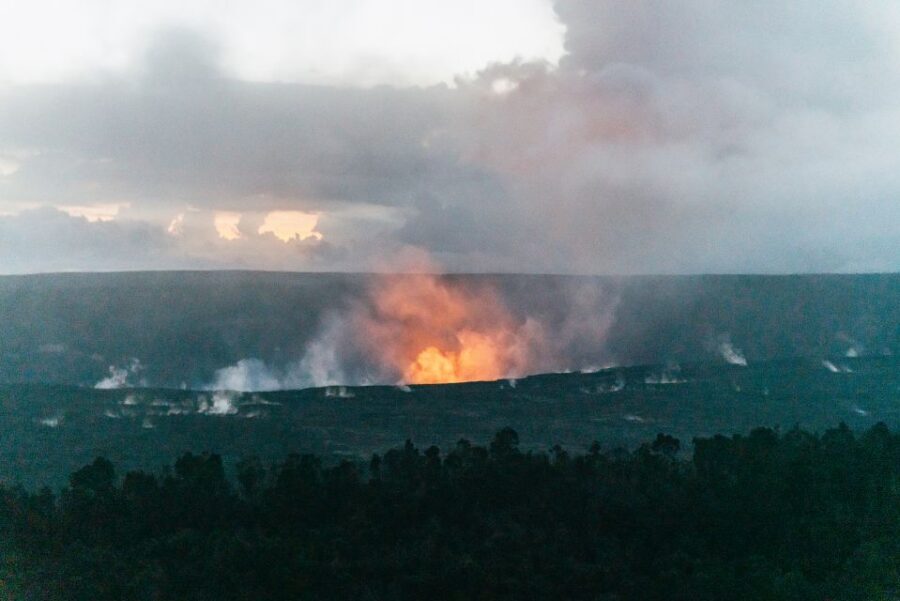
A highlight stop is Volcano House, where you get incredible views of Kilauea Caldera. This isn’t a quick “look and go.” The caldera view is one of the best places on the island to train your eyes for scale—how wide the volcanic system is, how the ground around you relates to the larger structure.
What I found useful about this part of the experience is how it pairs view time with explanation. Even if you don’t catch obvious glowing lava, you can still understand where activity is taking place and why you might see steam or heat instead of dramatic visuals.
And based on real-world experience shared by past guests, even when lava isn’t clearly visible at dusk, the stop still delivers. You might see less light than you hoped for, but you still leave understanding that the volcano is doing something active below the surface or at distances your eyes can’t easily pick out.
The paved-road cracks and 2018 eruption scars: learning from damage
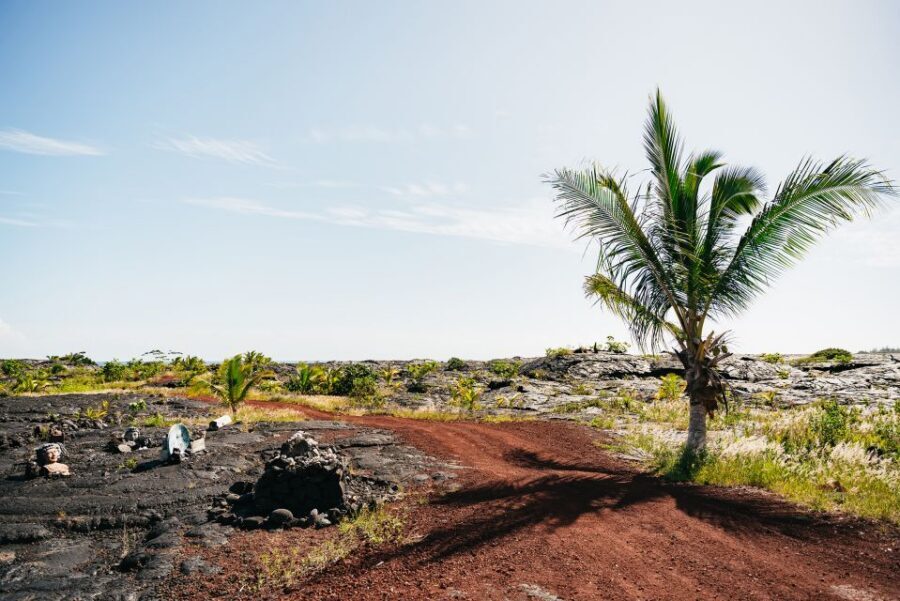
For the final “hands-on” component, you’ll hike to cracks and sinkholes in paved roads left behind by the historic 2018 eruption. This is one of the most educational parts of the day because it shows how eruption impacts don’t only happen during the event—they keep shaping ground stability long after.
This walk also adds contrast. Up close, you’re not only looking at geothermal features. You’re reading the landscape like a history book written in cracks, dips, and uneven surfaces.
It’s also where the tour’s health considerations matter most. You’ll be on foot, and uneven ground plus heat and walking time can be taxing even for fit people. If you’ve got back problems, heart concerns, or respiratory issues, you should think hard about whether this is the right fit for you.
Dinner and the small-group pace: the practical side of “evening”
This tour includes dinner, which sounds simple until you realize what it does for pacing. Volcano days can turn long quickly: drive time, short hikes, and lots of stops to scan terrain and smoke vents. Dinner prevents the usual mid-trip scramble to find food while you’re already tired.
The group is small—limited to 13 participants—which helps the guide manage walking pace and stopping points without constant crowd pressure. In a setting like this, where you’re both listening and looking down at footing, a calmer group size really matters.
In practice, you should expect the tour to include frequent comfort breaks. One past guest noted regular water and snacking along the way. Even if the exact timing varies, plan on having opportunities to hydrate.
Price and value: what $169 buys you on the ground
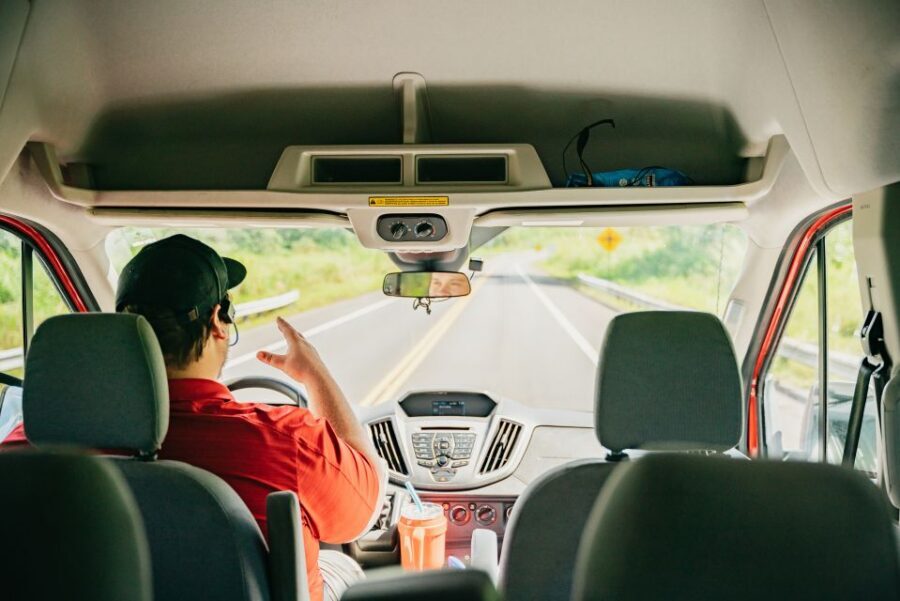
At $169 per person for an 8-hour tour, the value comes from what’s bundled rather than just the headline price.
What you get included:
- All entrance fees (important in the park area)
- Dinner
- A small-group experience capped at 13
- An NPS-certified guide with narration focused on volcanology, geology, and how to interpret active features
When you compare the cost to a typical “just transport and a couple of viewpoints” day, the guide-driven education is the big difference. You’re not only seeing Kilauea—you’re getting help reading it. That tends to be what makes the experience stick, even if you’re not guaranteed dramatic lava at dusk.
The other value factor is the balance of stops. You get a black sand beach hike, a community history stop at Star of the Sea, and then multiple park viewpoints tied to current geothermal activity. That variety keeps the day from feeling like one long chase.
Getting there, what to pack, and who this tour fits best
Where you meet
Meet at either:
- Grand Naniloa DoubleTree Hotel, or
- the KapohoKine Adventures Store, 93 Banyan Dr, Hilo, HI 96720
Since the tour runs for 8 hours, getting there early helps you settle in and not rush while you’re thinking about shoes and hydration.
What to bring
- Closed-toe shoes are required
- Bring a plan for walking over lava ground and uneven surfaces
Health and comfort reality check
This tour is not suitable if you have heart problems, respiratory issues, or back problems. You should also take the guide warning seriously if you have any medical conditions that could be affected by exertion, uneven terrain, or volcanic-area air quality.
If you’re unsure, it’s worth checking with a clinician before booking. Volcano trips don’t just test your curiosity; they test your body.
Should you book the Big Island Evening Volcano Explorer?
If you want a volcano experience that teaches as much as it thrills, this is a strong choice. I’d book it if you’ll enjoy:
- a small group pace,
- guided stops with real geology context,
- walking on lava ground to reach the black sand beach,
- and the chance to see Kilauea Caldera from Volcano House in the evening.
Hold off—or choose a different style of tour—if you need guaranteed glowing lava visuals at dusk. Evening activity can be subtle, and the volcano’s behavior changes. This tour still works when the light show is faint because the guide’s narration and the park features carry the experience. But if your top goal is dramatic lava clearly visible from one spot, you’ll want to adjust your expectations.
Bottom line: this tour is built for people who like understanding what they’re seeing, and who don’t mind a bit of walking in volcanic terrain.
FAQ
How long is the Big Island Evening Volcano Explorer from Hilo?
It runs for 8 hours.
What’s included in the price?
Entrance fees and dinner are included.
What’s the meeting point for the tour?
You meet at the Grand Naniloa DoubleTree Hotel or at the KapohoKine Adventures store at 93 Banyan Dr, Hilo, HI 96720.
Do I need a reservation in advance?
Yes, you reserve a spot. There’s also an option to reserve and pay later.
What should I wear?
Wear closed-toe shoes. Open-toed shoes are not allowed.
Is the tour good for people with health conditions?
No, it’s not suitable for people with heart problems, respiratory issues, or back problems.
Is there free cancellation?
Yes. You can cancel up to 24 hours in advance for a full refund.