REVIEW · BIG ISLAND OF HAWAII
Introductory Beach Scuba Dive
Book on Viator →Operated by Hilo Ocean Adventures · Bookable on Viator
The reef swim part comes after you earn your confidence. This intro scuba experience in Hilo mixes a short theory class, hands-on coaching in a heated indoor pool, and then a guided time in the open water near the Big Island’s coast.
I especially like the PADI-certified instructor supervision and how much attention you get. I also like the chance to see real reef life—tropical fish, plus the possibility of Hawaiian green sea turtles—without needing prior certification.
One thing to think through: you’re expected to meet some physical requirements, including being able to swim unassisted and handle equipment (50 lbs on your back). If you’re not comfortable with that, this may not be the right first step.
In This Review
- Key Things to Know Before You Go
- Getting Ready at Hilo Ocean Adventures: Where Your Day Starts
- The Classroom: 30 Minutes That Save You Confusion
- Heated Indoor Pool Practice: Your Confidence Reps
- The Open-Water Portion Near Hilo Bay: Where Skills Meet Hawaii
- Equipment, Snacks, and Small Touches That Matter
- Who This Experience Fits Best (And Who Should Skip It)
- The Stuff You Must Handle Before Your Scuba Session
- Value in Real Terms: What You’re Paying For
- A Practical Checklist for Your Day in Hilo
- So, Should You Book It?
- FAQ
- Where does this tour start?
- What time does the experience begin?
- How long is the experience?
- Do I need scuba certification?
- Is hotel or port pickup included?
- What transportation is included?
- What’s included in the tour price?
- What’s the water training like?
- Who can participate based on age?
- What medical paperwork do I need?
- Who is the tour not suitable for?
Key Things to Know Before You Go
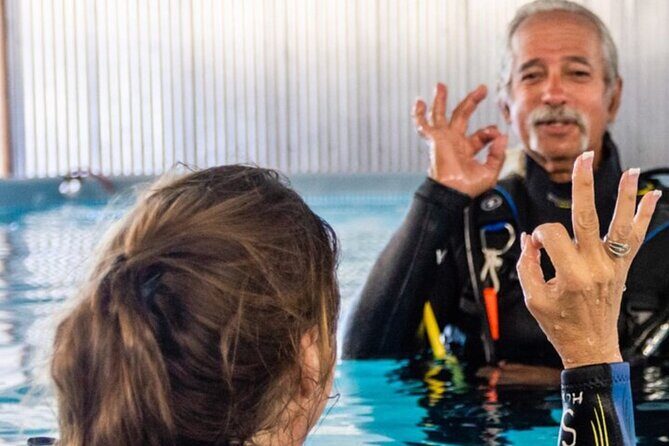
- Small groups (up to 4 travelers) mean more coaching time and less waiting around
- 30 minutes of dry-land skills first, so your in-water practice makes sense
- Heated indoor pool training helps you get calm with breathing, buoyancy, and basics
- A guided open-water reef swim near Hilo Bay lets you apply skills right away
- English instruction throughout, plus a required medical questionnaire before you go
Getting Ready at Hilo Ocean Adventures: Where Your Day Starts
Your morning begins at Hilo Ocean Adventures, 1717 Kamehameha Ave in Hilo, with a start time of 9:00 am. From there, the experience is built like a progression: learn the basics on land, practice in controlled conditions, then move to the reef. That structure matters because scuba feels simple only after you’ve repeated the key motions a few times.
The tour is designed for beginners and is no certification required. That usually means the instructors focus on safe basics, not exams or pressure. You’ll also want to plan around the group size: the max is 4 travelers, which typically makes it easier for instructors to check your technique and answer questions fast.
One practical detail: the tour includes transportation to the dive/snorkel location from your check-in area, but it does not include hotel/port pickup. So treat this as a meetup-and-go experience. If you’re arriving from a cruise port or different hotel, figure out how you’ll get to the meeting point so you don’t start the day stressed.
Other scuba diving tours in Big Island of Hawaii

The Classroom: 30 Minutes That Save You Confusion
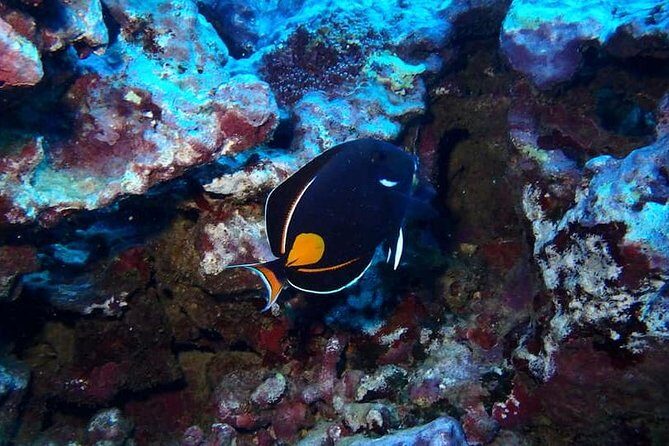
Before any water time, you’ll get a 30-minute scuba theory lesson on dry land. The goal here is not trivia. It’s the minimum set of concepts you need to understand how the gear works, how breathing changes underwater, and what safety procedures look like in real situations.
You’ll learn underwater breathing techniques and emergency safety procedures. That matters because first-timers often worry about panic. A good theory session reduces that fear by giving you a checklist of what to do if something feels off.
This is also where you’ll learn the “language” of the experience—what you should expect from the instructor and how detailed the directions will be. The tour is offered in English, and you’ll be expected to understand and follow detailed instruction.
There’s also a built-in filter: you need to successfully complete the classroom and confined-water portions before you proceed to the open-water portion. If you’re having a hard time in the pool, the instructors will adjust rather than forcing you straight outdoors.
Heated Indoor Pool Practice: Your Confidence Reps
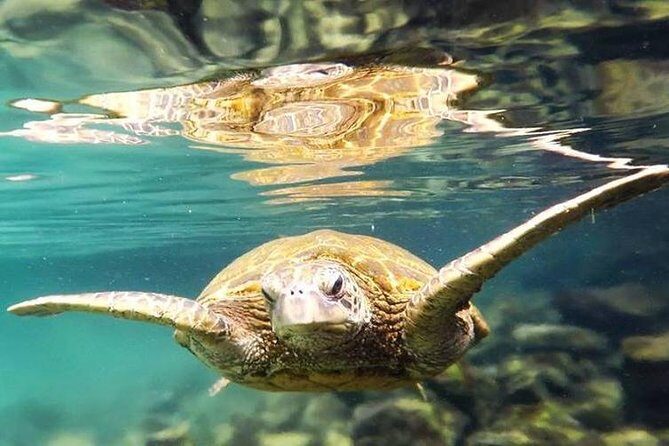
Next comes the pool. You’ll spend about 45 minutes in a heated indoor pool, which is the smartest part of this kind of program. Warm water removes a lot of the intimidation factor. And indoor conditions mean you can focus on fundamentals without dealing with waves, currents, or changing visibility.
In the pool, you’ll practice the equipment and the core habits needed for a smooth scuba experience. This is where you’ll learn how to manage buoyancy, how to breathe steadily, and how to move without flailing. In short: you’re training your body to behave underwater.
I really like that this tour doesn’t rush. If you’re nervous—especially if you don’t swim comfortably—having time to get used to the gear and breathing mechanics in a controlled environment makes the open-water portion far more approachable.
Instructors are SCUBA-supervised by certified professionals. Names mentioned from the field include Mark and Akara, and both are described as giving calm, clear support so first-timers can feel safe. For example, one participant who wasn’t a strong swimmer got enough coaching in the pool before the open-water portion.
The Open-Water Portion Near Hilo Bay: Where Skills Meet Hawaii
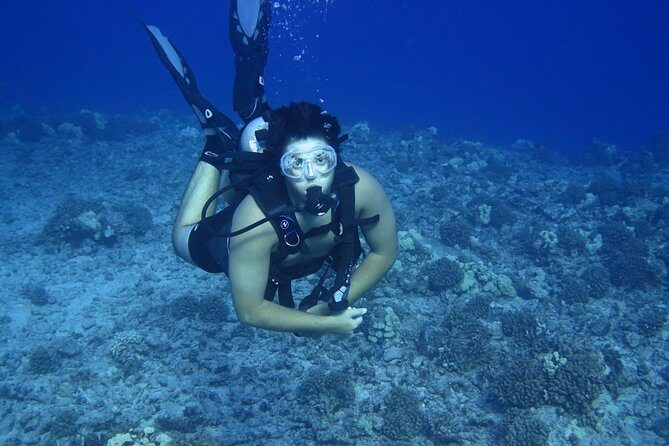
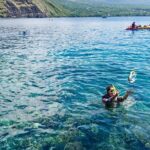
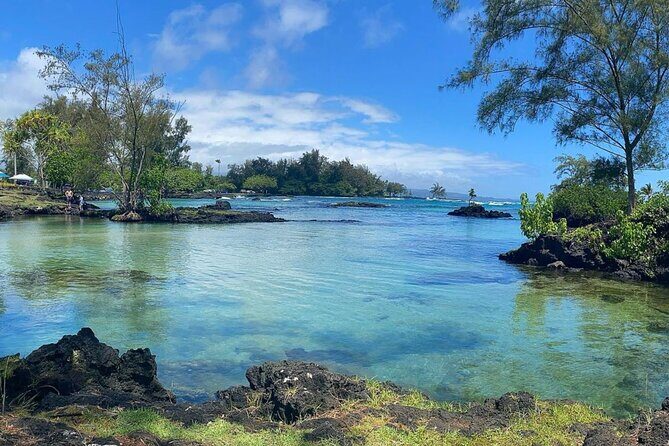
After the pool, you’ll head to an open-water reef area near Hilo Bay. You’re looking at a 30- to 50-minute underwater time window, which is typical for an introductory program—long enough to enjoy marine life, short enough to keep it safe and focused on fundamentals.
Hilo’s coastline is known for reefs, and the program highlights that Hawaii’s reef ecosystems account for about 60 percent of reef ecosystems in the United States. That stat is a great reminder: you’re not just doing a task. You’re visiting a real habitat.
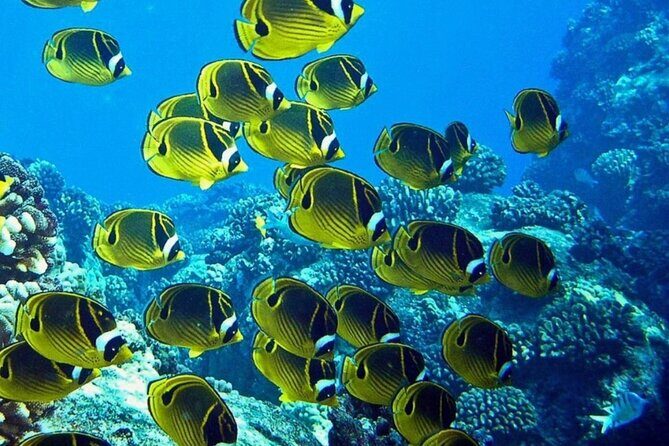
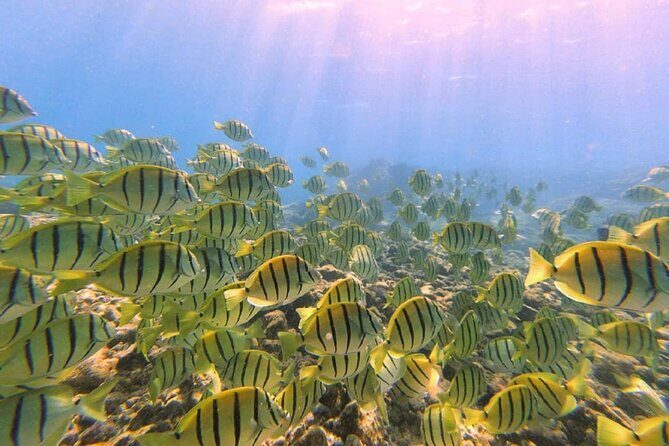
What you might see: tropical fish and the possibility of Hawaiian green sea turtles. Visibility and animal movement can vary, but your odds are helped by the fact that this is a guided experience with instruction tailored for beginners. You won’t be left to wander underwater with zero context.
This is also a good point to remember what the experience asks of you. You must be able to swim unassisted in the open ocean, converse and understand detailed instruction in English, and carry 50 lbs of equipment on your back unassisted. Those requirements exist because even a guided swim still depends on you moving safely with your gear.
You’ll also want to keep an eye on your own comfort level. If anything feels off during the open-water portion, you should rely on your instructor’s guidance right away. This isn’t a test of bravery. It’s a safety-first learning format.
Equipment, Snacks, and Small Touches That Matter
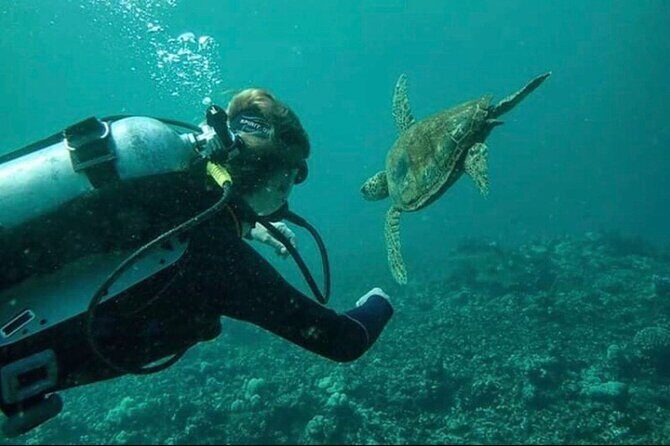
This tour includes scuba equipment—you don’t have to rent or source your own gear. That’s one of the biggest practical time-savers for visitors. If you’ve never used scuba equipment before, using the provider’s fitted gear is also safer than improvising with rentals.
You’ll get snacks and local juice. It’s not a gourmet meal, but it’s smart: after a theory session and pool practice, your body will likely feel the need for fuel. A morning snack also helps if you’re a nervous first-timer and your energy is a bit chaotic.
Transportation is included from your check-in area to the water location, so you can focus on the plan. You’re still responsible for getting to the meeting point itself, but once you’re checked in, they handle the moving parts.
Finally, remember the format: maximum 4 travelers. That’s a real quality feature, not just a number. Fewer people usually means more attention per person, more time for corrections, and fewer awkward gaps where you’re waiting for the next step.



Who This Experience Fits Best (And Who Should Skip It)
This program is suitable for ages 15 and up. If you’re a minor under 18, you must be accompanied by an adult. That matters because you’ll still be expected to meet the same skill and safety expectations as adults.
It’s also not suitable for pregnant women or anyone with heart conditions or neck or back problems. Scuba involves pressure changes and controlled breathing, and the tour clearly flags certain health situations as incompatible with the activity.
You should also consider the physical readiness requirements. You must:
- be able to swim unassisted in the open ocean
- understand detailed instruction in English
- carry 50 lbs of equipment on your back unassisted
If any of these are a stretch right now, it’s worth being honest before you book. A good instructor can help, but they can’t replace basic mobility and water comfort.
You’ll also want to be mentally ready for the “learn first” structure. The open-water portion only happens if you pass the classroom and confined-water sections. That’s a positive safety mechanism. It just means you shouldn’t plan this as a guaranteed ocean-time experience no matter what.
The Stuff You Must Handle Before Your Scuba Session
Before you go, you’ll need to complete and submit a PADI/NAUI mandatory medical questionnaire at least 72 hours prior to the excursion. If you submit it late, refunds won’t be honored if you can’t complete the activity in full. So don’t treat this like a formality. Do it early.
You also have to plan your travel after the experience. It’s stated as a safety requirement that you do not travel to altitudes of 2500 ft or higher within an 18-hour period after your underwater session. That can affect plans like same-day road trips to higher-elevation stops. Even if your itinerary looks flexible, check it before you schedule other activities.
The experience requires good weather. If weather cancels the outing, you’ll be offered a different date or a full refund. And the experience has free cancellation up to 24 hours before start time, with a full refund if you cancel early enough.
Value in Real Terms: What You’re Paying For
There’s no point in buying a beginner scuba day if you’re not getting genuine coaching. This tour’s value comes from how the day is structured and the safety checks built in.
You get:
- a short theory lesson (so your in-water practice isn’t random)
- a heated indoor pool session (control over temperature and conditions)
- a guided open-water reef swim near Hilo Bay
- equipment included, which saves you time and hassle
- small group size (max 4) for closer supervision
For many first-timers, the heated pool training is the difference between feeling terrified and feeling capable. If you’re already a strong swimmer, you still benefit from the coaching, because buoyancy control and breathing habits take practice.
Also, your money buys you more than a single moment underwater. It buys you the “how,” not just the “look.” You’ll be more likely to leave with better self-confidence and safer habits if you can repeat the basics correctly.
A Practical Checklist for Your Day in Hilo
To make this day smoother, I’d plan like you’re showing up for a skills class, not a casual snorkel.
Bring:
- comfortable swimwear you can get on quickly
- a towel and dry layer for after the water
- closed-toe footwear for moving around before and after
Plan your energy. This is a physical activity with equipment on your back and swimming requirements. If you sleep poorly or skip breakfast, you’ll feel it in the pool. A calm morning helps.
And when you arrive, listen closely and ask questions early. The group is small, so there’s time—use it. The instructors are the key. Having certified supervision (with PADI ties) means you can follow their cues instead of second-guessing what’s happening.
So, Should You Book It?
If you want a first scuba experience in Hawaii that treats safety and coaching as the main event, I think this is a smart bet. The combination of a dry-land skills lesson, heated indoor pool practice, and then a short guided open-water reef swim makes it beginner-friendly in a real way—not just in marketing.
Book this if:
- you can meet the swim and fitness requirements
- you’re comfortable with English instruction
- you’re okay with the idea that you’ll need to pass the early portions to continue
Skip it if:
- you have any of the listed health concerns (heart conditions, neck/back issues, pregnancy)
- you’re not able to swim unassisted or carry the equipment as required
- you can’t work with the after-session altitude rule
If you match the basics, you’ll get a solid introduction, a guided look at Hawaii’s reef life, and coaching that helps you learn rather than just survive.
FAQ
Where does this tour start?
It starts at Hilo Ocean Adventures, 1717 Kamehameha Ave, Hilo, HI 96720.
What time does the experience begin?
The start time is 9:00 am.
How long is the experience?
It runs about 4 hours (approx.).
Do I need scuba certification?
No. It’s an introductory scuba experience, and no certification is required.
Is hotel or port pickup included?
No. Hotel/port pickup and drop-off are not included. The tour ends back at the meeting point.
What transportation is included?
The tour includes transportation from your check-in location to the dive/snorkel area. Exact pickup details are tied to the meeting point.
What’s included in the tour price?
Included: fully guided introductory scuba, scuba equipment, snacks and local juice, and transportation from check-in to the water location.
What’s the water training like?
You’ll have a heated indoor pool session after a classroom lesson, then you’ll go to an open-water reef area for about 30 to 50 minutes.
Who can participate based on age?
It’s suitable for ages 15 and up. Minors under 18 must be with an adult.
What medical paperwork do I need?
You must complete and submit the PADI/NAUI mandatory medical questionnaire 72 hours before the excursion.
Who is the tour not suitable for?
It’s not suitable for pregnant women, people with heart conditions, or those with neck or back problems.