REVIEW · ISLAND OF HAWAII
Big Island: Tiki Carving Workshop
Book on GetYourGuide →Operated by Aloha Adventure Farms · Bookable on GetYourGuide
Tiki carving turns travel into something you keep. In Kona, you’ll carve a personalized tiki with a Master Carver of Tonga, guided step by step in a carving hut with big views. I love getting to choose locally-sourced wood from the farm and leaving with a souvenir you made yourself.
What makes it work so well is the hands-on setup and the teaching style. You’ll usually be in a small group (limited to 10), with patient coaching from fourth-generation carvers such as Mani or Monte, who explain what you’re carving and why.
One consideration: food and drinks aren’t included, so plan for a snack stop before or after—this is a focused two-hour workshop.
In This Review
- Key Things You’ll Remember
- Why Kona Makes Sense for a Tiki Workshop
- Getting There: The Farm, the Signs, and Timing
- The Short UTV Ride to the Carving Hut (and Why It’s Worth It)
- Picking Your Wood: Farm Sourcing Is More Than a Nice Detail
- From Idea to Carving: Design Choice, Tracing, and Setup
- Working with a Tonga Master Carver: What the Teaching Feels Like
- The Cultural Part You’ll Actually Use While Carving
- Taking Your Tiki Home Without Worrying Too Much
- Price and Value: What $219 Really Buys
- Who Should Book This Workshop (and Who Might Skip)
- Should You Book the Big Island Tiki Carving Workshop?
- FAQ
- How long is the Big Island Tiki Carving Workshop?
- Where is the meeting point?
- What time should I arrive?
- What’s included in the price?
- Is food or drinks included?
- Do I need an ID?
- Is the workshop outdoors?
- How big is the group?
- Is it wheelchair accessible?
- Is the workshop in English?
Key Things You’ll Remember
- Locally-sourced farm wood: pick the piece you’ll carve from the property.
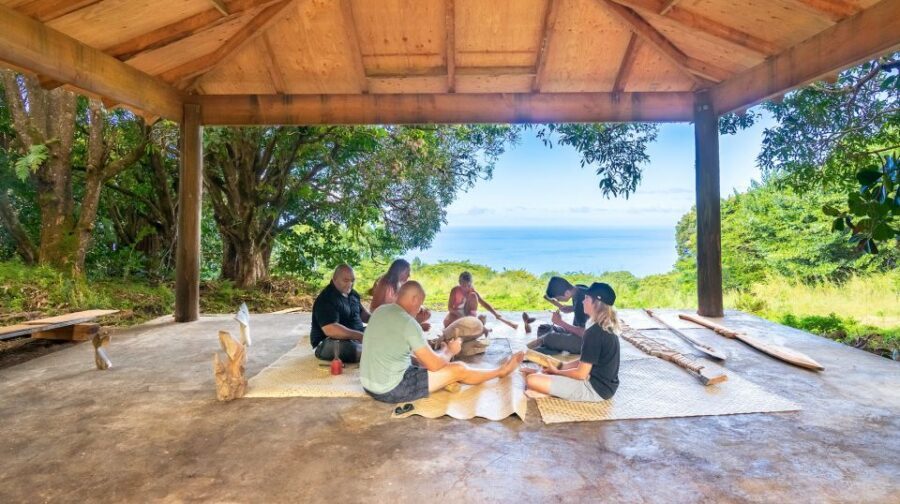
- UTV ride to the carving hut: a short drive up to a scenic viewpoint over Kona.
- Tonga master guidance: step-by-step coaching from expert carvers (often fourth generation).
- Starter carving stations: work at your own area with tools and a clear path to your design.
- You take it home: the workshop includes your personalized tiki and the utensils to make it happen.
- Small group vibe: limited to 10, with hands-on time for each person.
Why Kona Makes Sense for a Tiki Workshop
Kona already has that mix of coffee farms, ocean air, and “I could stay out here all day” scenery. This workshop uses that setting in a smart way: you’re not just learning an art form in a classroom. You’re carving at a scenic hut with views of Kona, so the whole experience feels tied to place.
I also like the way the activity is built around cultural context, not just the act of cutting wood. You’ll learn about Tonga carving traditions and what tikis and faces mean, then apply that understanding as you shape your own design.
And because it’s a small group workshop, you’re not stuck waiting your turn. The teaching style is geared toward getting you carving quickly, while still doing it carefully.
If you're still narrowing it down, here are other tours in Island Of Hawaii we've reviewed.



Getting There: The Farm, the Signs, and Timing

You’ll meet at a farm location off Mamalahoa Hwy (Hwy 180). Look for the Aloha Adventure Farms or Holualoa Kona Coffee sign so you can find the start point fast.
Plan to arrive 30 minutes early. That buffer matters because you’ll want time to check in, meet your guide, and be ready for the short UTV ride to the viewpoint.
Also note that hotel pickup and drop-off aren’t included. So if you’re relying on a rental car, be ready to drive yourself to the meeting spot. If you’re using a ride service, you’ll want to coordinate a drop-off and then come back for pickup at the end.
Bring a passport or ID card. That’s the one item the workshop specifically calls out.
The Short UTV Ride to the Carving Hut (and Why It’s Worth It)
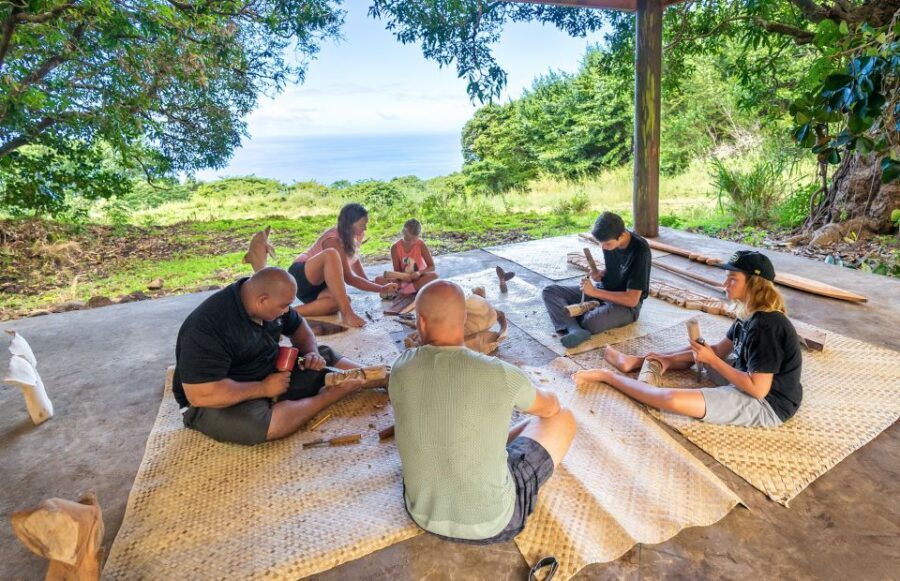
Once you check in, your guide will take you in a UTV. The ride is short—think quick change of scenery rather than a long transfer—and it gets you to a viewpoint where the carving hut is set up.
Why I think this matters: that drive makes the workshop feel like an experience, not a stop on your itinerary. You’re also carving outdoors in a scenic location, which adds a sense of occasion. Multiple people also describe the atmosphere as peaceful and focused once you arrive at the hut.
This is also a rain-or-shine activity. That’s great for reliability, but it’s a reminder to wear something you can move in. If the weather is wet, you’ll likely appreciate closed-toe shoes and clothes that aren’t your best “I only wear this on special days” outfit.
Picking Your Wood: Farm Sourcing Is More Than a Nice Detail
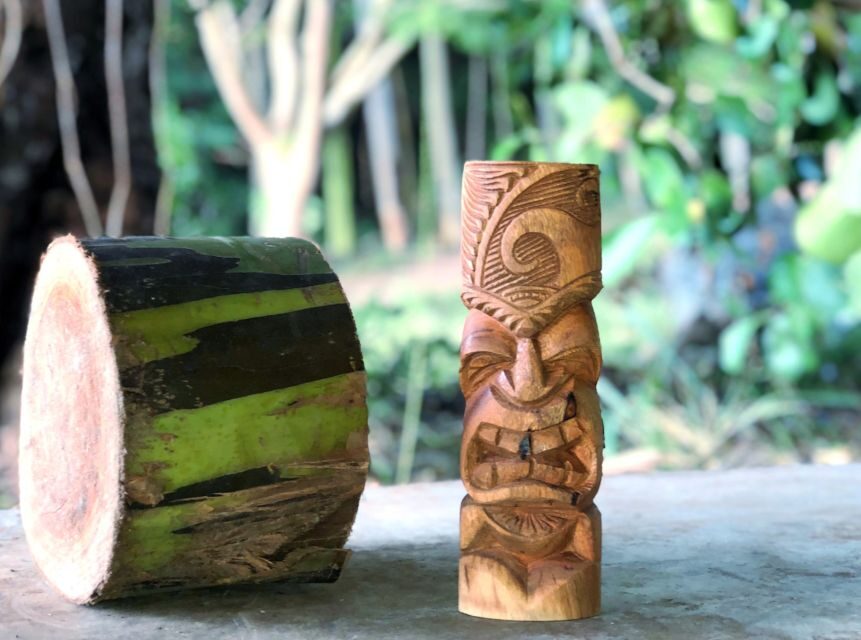
One of the real joys here is choosing your wood. You’re not just handed a block and told to work with what’s available. You’ll pick a piece of beautiful locally-sourced wood from the farm, and that choice shapes the look of your final tiki.
It’s the kind of detail that makes the souvenir feel personal in a way store-bought carvings don’t. Even if two people choose similar designs, the wood grain and color can shift the character of the finished work.
If you’re sensitive to smell or dust from carving, it helps to know the workshop uses real carving tools on real wood. Plan to dress like you’re doing a hands-on craft, not like you’re going to dinner right after.
Wood choice can also affect how the carving feels during shaping, so take a moment when you select your block. Look for one that feels right to you visually and also feels manageable in size for your design.
From Idea to Carving: Design Choice, Tracing, and Setup
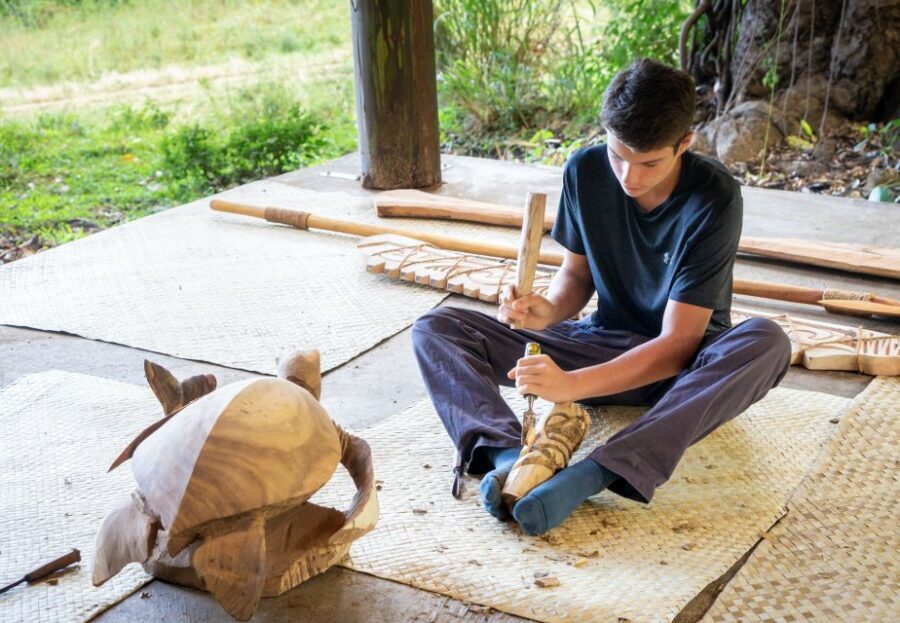
The workshop is designed to get you carving without leaving you guessing. You’ll choose the expression and details for your tiki, then your design is traced onto your wood. After that, the master carver shows you how to take the traced lines and turn them into form.
A nice part of the teaching approach is the work stations. You’ll typically carve at a station with a vice setup and starter carvings on wood. That starter material helps you see what good line work looks like before you start cutting your own piece.
In plain terms: it reduces stress. You’re not walking in with zero technique and hoping for the best. You’re given the structure, tools, and examples so you can focus on creating something that looks like what you pictured.
If you’re traveling with kids or you’re worried about whether you’ll keep up, this structure is a good sign. People describe the carvers as patient and encouraging, with help during cleanup too—so the experience stays fun instead of frazzled.



Working with a Tonga Master Carver: What the Teaching Feels Like
This workshop is led by a Master Carver of Tonga, and the instruction style is consistently described as calm, supportive, and hands-on. Names that come up include Mani and Monte, both described as fourth-generation master carvers.
During the carving, you’ll get guidance on tools and technique. You’ll also learn the meaning behind faces and tikis, so your carving isn’t random decoration. Even if you don’t remember every detail afterward, you’ll feel the difference between cutting wood and carving with intention.
What I especially like about the way it’s taught: you’re given room for your choices, but you’re not left to figure everything out alone. That balance is key for a two-hour workshop. It helps you finish with something you’re proud to take home.
Also, the group size keeps the experience personal. With up to 10 participants, there’s time for adjustments and help when you hit a snag. That matters when you’re holding sharp tools (or just learning how not to).
The Cultural Part You’ll Actually Use While Carving
Many craft tours talk culture like it’s background music. Here, the cultural lessons tie into what you do with your hands. You’ll learn about Polynesian and Tonga carving traditions, and the significance of faces and tiki designs.
You also get a practical education on tools: what they’re for, how to use them, and how to shape wood into recognizable features. That’s useful even beyond the final tiki. It’s the difference between a demo you watch and a skill you can understand.
People also describe the workshop as relaxing and almost therapeutic. That tracks for a craft like this. Carving slows you down. It turns the noise of a vacation into a focused, creative hour where you can see progress with every pass.
Taking Your Tiki Home Without Worrying Too Much
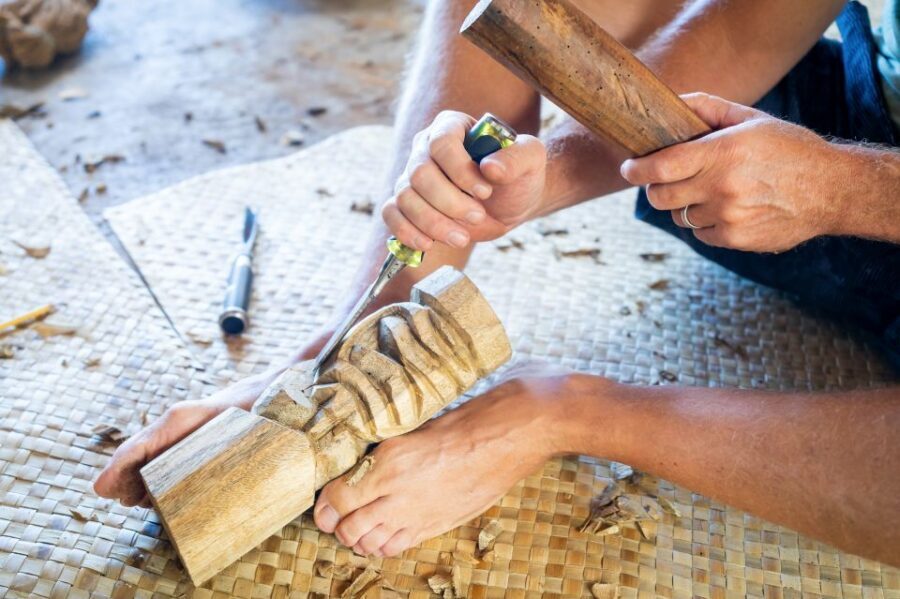
At the end of the lesson, you’ll head back to the meeting point by UTV, and you’ll take your carving home as a unique souvenir of your time in Hawaii.
Your tiki will be personalized, and that’s the main reason this workshop feels worth it. You’re not buying a mass-produced keepsake. You’re walking away with something that reflects your choices—wood selection, expression, and details.
One more practical note: since this is active carving work, you’ll want a plan for transporting your tiki safely. The workshop includes what you need to carve and make it, but it doesn’t mention packing materials. If you’re flying, consider bringing a sturdy bag or protecting it in luggage the way you would with a framed souvenir.
Price and Value: What $219 Really Buys
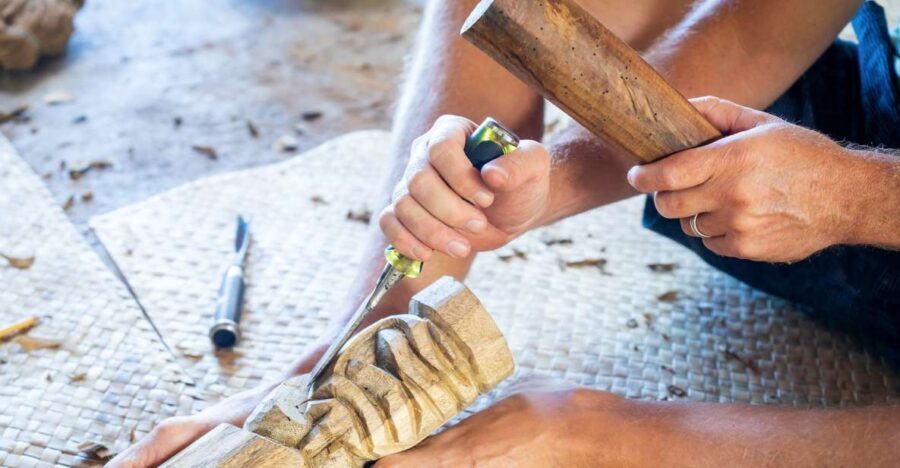
The price is $219 per person for a 2-hour workshop, and the big value point is what’s included: the wood, carving utensils, and your personalized tiki.
So you’re paying for:
- access to a master carver
- guided instruction and tools
- the materials to create the finished piece
What’s not included: food and drinks, and hotel pickup/drop-off. That’s normal for a farm-based activity, but it does affect your total trip planning. If you budget food separately, the workshop still looks like good value because you’re paying for a finished, take-home art piece plus instruction.
If you like hands-on activities and you want a souvenir that actually has a story behind it, $219 doesn’t feel like you’re overpaying. If you’re hoping for a quick “try it once” photo op, you might find it more satisfying to look for a shorter craft option. But for most people who enjoy making things, this hits the sweet spot.
Who Should Book This Workshop (and Who Might Skip)
This is a strong fit if you:
- want a creative, hands-on souvenir you’ll keep
- like learning the meaning behind what you’re making
- enjoy calm activities with clear instruction
- are traveling as a couple, small group, or family (with kids under 5 allowed with a paid adult)
It’s also described as accessible for wheelchair users, which is a big plus when you’re comparing activities across the island.
You might think twice if:
- you need food included as part of the experience
- you prefer activities that don’t involve tools and mess (even if it’s handled professionally)
Should You Book the Big Island Tiki Carving Workshop?
Yes, if you want one standout activity on the Big Island that gives you something real at the end. For $219, you’re not just watching—you’re carving a personalized tiki from selected farm wood with master guidance, in a scenic Kona viewpoint setting.
Book it if your ideal souvenir is personal and you enjoy learning as you work. Skip it if you’re not in the mood for a focused, hands-on craft session and you don’t want to plan around bringing your own snacks and handling travel to the farm.
If you do book, arrive early, wear clothes you can carve in, and pick your wood with care. That choice is part of the magic.
FAQ
How long is the Big Island Tiki Carving Workshop?
The workshop lasts about 2 hours.
Where is the meeting point?
Meet at the farm location off Mamalahoa Hwy (Hwy 180). Look for the Aloha Adventure Farms or Holualoa Kona Coffee sign.
What time should I arrive?
Arrive 30 minutes before the activity starts.
What’s included in the price?
The price includes the wood, carving utensils, and your personalized tiki.
Is food or drinks included?
No. Food and drinks are not included.
Do I need an ID?
Yes. Bring a passport or ID card.
Is the workshop outdoors?
It runs rain or shine.
How big is the group?
It’s a small group limited to 10 participants.
Is it wheelchair accessible?
Yes, the workshop is wheelchair accessible.
Is the workshop in English?
Yes, the live tour guide speaks English.