REVIEW · KAILUA KONA
Kona Hi, Sunset Manta Ray Tour 10 passengers maximum
Book on GetYourGuide →Operated by Hawaii Marine Life Charters · Bookable on GetYourGuide
Night snorkeling with manta rays feels unreal. On the Kona Hi sunset tour, you’re in a max-10 small group with guides like Bryan and Riley, and you float right under the action using an illuminated flotation device to bring manta rays close. It’s simple, calm, and timed for when the ocean feels most alive.
I like how the whole outing is built around your comfort and your chances of seeing mantas well: you get fitted with a wetsuit top and proper snorkeling gear, then head out from Honokohau in time for moonlight snorkeling. The one catch to plan for is that comfort isn’t fully handled for you: towels aren’t included, and since you’ll be in the water at night, you’ll also want to take motion sickness prevention seriously.
In This Review
- Key things that make this Kona manta ray tour worth it
- Kona at night: why the sunset timing matters
- Meeting at Honokohau Small Boat Harbor and getting geared up
- The short boat ride to the manta stop near Kona’s airport side
- Moonlit snorkeling: how the illuminated float brings the mantas close
- What you’ll actually see (and why it’s not just about spotting)
- The 150-minute flow: how the tour stays manageable
- Price and value: what $141 buys you in Kona
- Small family business feel: what the guide team does for you
- Tips to make your night snorkeling session smoother
- Who should book this Kona Hi Sunset Manta Ray Tour
- Should you book Kona Hi, Sunset Manta Ray Tour (up to 10 passengers)?
- FAQ
- How long is the Kona Hi, Sunset Manta Ray Tour?
- Where is the meeting point for the tour?
- What snorkeling gear is provided?
- Is a wetsuit top included?
- Can the tour provide Rx snorkeling equipment?
- Do I need to bring a towel?
- Can I cancel and get a full refund?
Key things that make this Kona manta ray tour worth it
- Max 10 people keeps the guides close and the vibe relaxed
- Honokohau Harbor, slip G-8 is the specific check-in spot
- Illuminated floatation device helps attract plankton and manta rays
- Wetsuit top + snorkeling gear (including Rx use) means less hassle for you
- AirDrop videos are shared right after the tour, so you can relive it fast
Kona at night: why the sunset timing matters
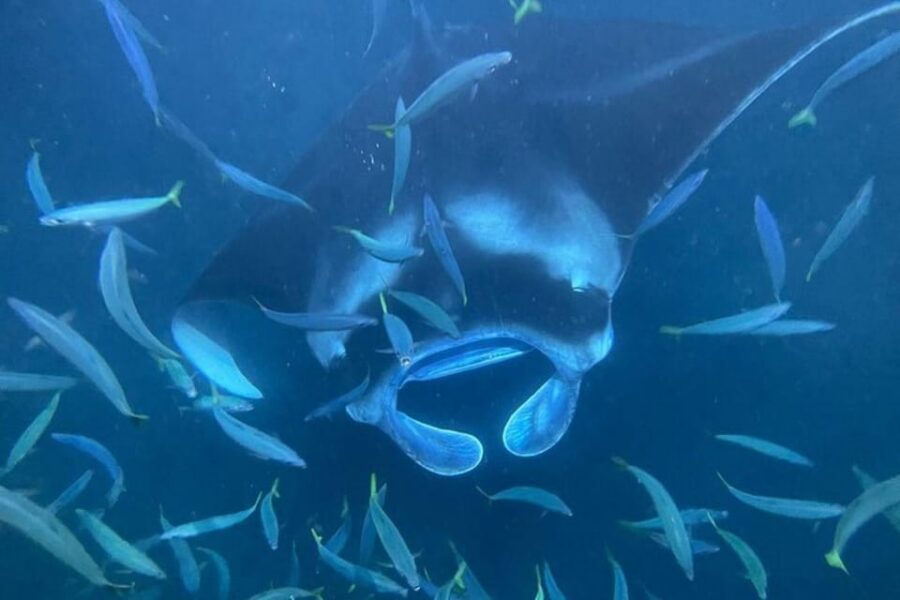
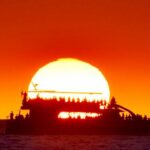
This tour is named Sunset for a reason. Manta rays are most active at night, when they start cruising and feeding more confidently in the darkness. That timing changes the whole feel of the experience. Instead of fighting daylight glare and boats elsewhere, you’re working with the ocean’s natural rhythm.
Kona’s coast is also the kind of place where you can see big wildlife without having to be an expert swimmer. You’re not racing around trying to spot a moving target from far away. The guiding strategy is built around bringing the food source in close, then letting you experience the mantas when they come to investigate.
And yes, the wait for it to fully darken is part of the fun. On this tour, there’s time built in to settle, listen, and learn a few manta facts while you’re on the water before you snorkel under the moonlit sky.
Other Manta Ray night snorkel tours in Kailua Kona
Meeting at Honokohau Small Boat Harbor and getting geared up
You’ll meet at Honokohau Small Boat Harbor, at slip G-8, in the Hawaii Marine Life Charters check-in area. Plan to arrive 15 minutes early. That early arrival matters more than it sounds, because you’ll go from dock to outfitting to boarding without feeling rushed.
Once you meet your guide, you’ll get fitted with a wetsuit top for warmth and snorkeling equipment. The tour also provides floatation devices, which is a big deal. For many people, holding position in water at night is the hardest part, not the snorkeling itself. The float takes the pressure off.
One detail I appreciate: they can support Rx snorkeling equipment if you need it. That’s not universal on small wildlife tours, and it can make the difference between barely seeing anything and actually enjoying the full show.
Towels are the one item you need to solve yourself. Bring one, pack one, use one. After being in and out of the water at night, you’ll be glad you did.
The short boat ride to the manta stop near Kona’s airport side
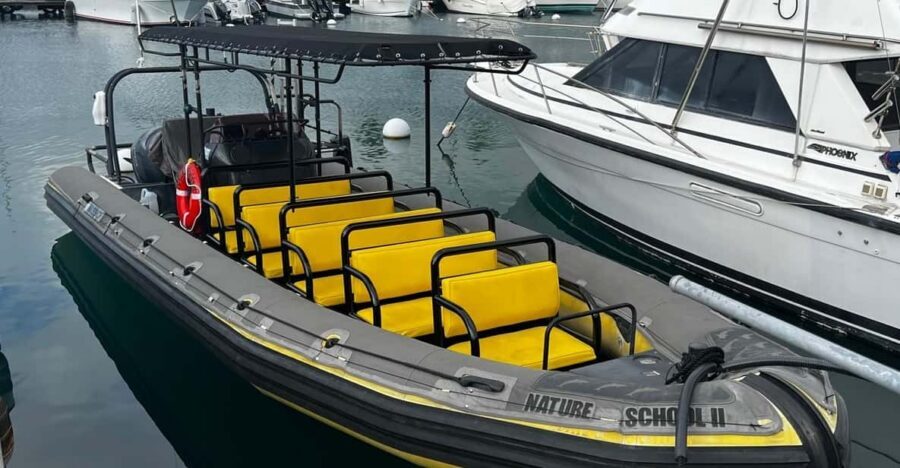
After gearing up, you board the vessel and head out from Honokohau along the Kona coast. The whole outing is about 150 minutes total, and a lot of that time is designed to get you into the water when the mantas are most likely to appear.
From what’s shared by past guests, the boat ride to the manta stop is fairly short, with one described as about 20 minutes. That matters because you aren’t spending the whole evening stuck on a moving deck. You get the ocean time, but you still spend the most important part—snorkeling—with your attention where it should be.
You’ll also learn the mental game your guide is running: you head out, you give the ocean a chance to darken fully, and then you go in. That short waiting period isn’t downtime. It’s prep. The guides also share manta facts while you’re between boat and water.
If you’re thinking about it logically, this is the kind of approach that improves results. The more you’re in the water during the best window, the less you’re guessing.
Moonlit snorkeling: how the illuminated float brings the mantas close
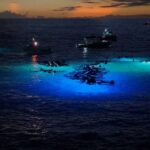
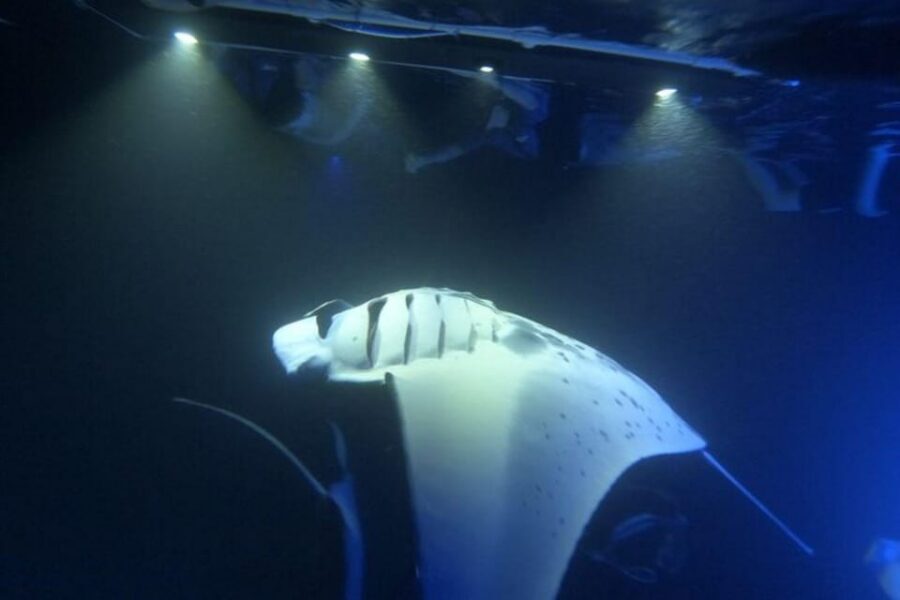
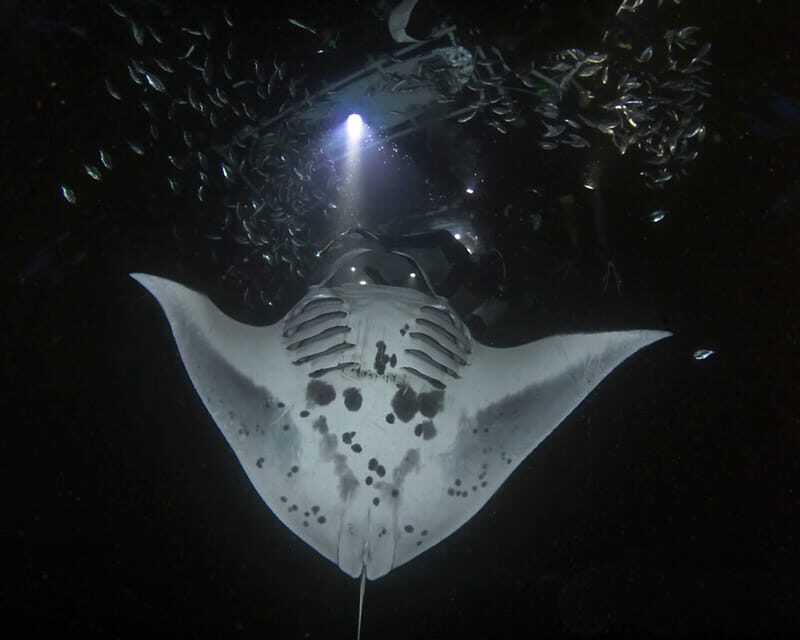
Here’s the heart of the experience: your guide uses an illuminated floatation device to attract plankton. Plankton is a manta ray’s favorite food, so what you’re doing is essentially creating a small, controlled buffet in the water.
You then snorkel and float in the dark water along the Kona coast while the guide manages the setup and your positioning. Instead of you chasing sightings, you’re holding your spot in the right area while the mantas come through.
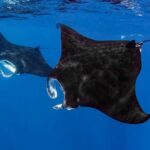
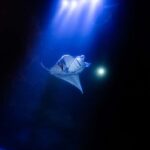
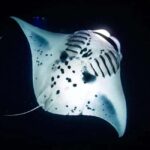
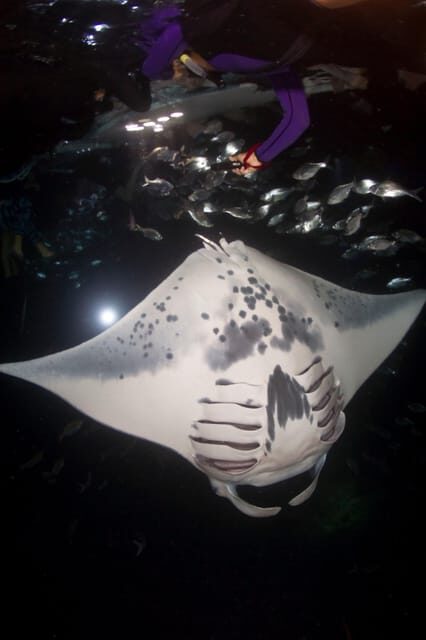
The feeling you’re aiming for is weightless and calm. Guests describe mantas gliding elegantly below and getting close enough that you can really appreciate their size and motion. That close-up matters because manta rays aren’t just “pretty big fish.” Their movement is smooth and deliberate, and when you’re near them, you start seeing how they feed and travel.
Your interaction is also designed to stay respectful. You’re not being asked to grab or touch the animals. You hold onto the floatation device and enjoy the moment as the mantas choose to swim by. That keeps the experience both safer and more natural.
And since it’s night snorkeling, you’ll notice the difference immediately: less visual clutter, more focus on the animals and the guides’ guidance. It’s easier to stay relaxed when you trust where you are in the water.
What you’ll actually see (and why it’s not just about spotting)
Let’s be honest: on wildlife tours, the word see gets thrown around a lot. Here, the tour is structured to maximize more than one kind of seeing.
First, there’s the chance of mantas showing up during the active nighttime window. Second, there’s the chance of seeing them clearly while you’re supported by the floatation device. Third, there’s the chance to watch their feeding behavior, which is where the illuminated plankton attraction comes in.
When it works, the experience becomes a slow-motion kind of awe. Manta rays glide, turn, and pass with a kind of grace that doesn’t look frantic. You’re not sprinting to a “sighting spot” right before it disappears. You’re waiting in position for something to arrive.
Past guests specifically mention the guide attracting the manta rays’ favorite food, then letting them appear close enough for a truly memorable view. That’s the main value: your odds improve because the tour uses a method, not just luck.
Other evening experiences in Kailua Kona
The 150-minute flow: how the tour stays manageable
A 150-minute wildlife outing can feel long if it’s mostly waiting. Here, it’s paced so you’re doing something important the whole time.
You start with meeting and fitting gear. Then you head out by boat. You spend time on the ride and during the darkening period, with your guide managing the timing and sharing facts. Finally, you get your snorkel and float session under moonlight, which is the peak.
This pacing also helps with safety and comfort. When you’re not rushed, you can get used to your gear and buoyancy before you settle into the nighttime water. If you’ve ever snorkeled in open water before, you know how quickly anxiety can mess with your breathing. Supportive floatation devices reduce that.
The tour returns to Honokohau after the encounter, so you’re not left wondering how the night ends. You get back and can transition out of the water before you’re too cold or tired.
Price and value: what $141 buys you in Kona
At $141 per person for about 150 minutes, this isn’t a cheap activity. But it’s also not priced like a massive commercial operation. The value comes from three things: group size, guided gear setup, and the structure aimed at manta activity.
A max group of 10 is a big deal for a night wildlife experience. Larger tours often feel like a crowd moving through the same process. Here, the smaller number typically means less confusion, more attention from the guide, and a better chance that everyone is positioned well for the best viewing moments.
Second, gear is handled for you: wetsuit top, snorkeling equipment, floatation devices, and Rx snorkeling support. That reduces extra rental costs and makes it easier to travel light.
Third, the illuminated plankton method is built into the tour flow. You’re paying for the approach that tries to increase your odds, not just for a boat ride.
If you’re doing Kona activities, think of this as paying to experience manta rays as close wildlife viewing, not just a “chance to see them.” If you really want that night close-up feeling, the price starts to make sense fast.
Small family business feel: what the guide team does for you
The most consistently praised part of this tour experience is the way the crew treats the night and the guests like a real small operation, not a conveyor belt.
Guides Bryan and Riley are specifically mentioned for being kind, respectful, and attentive. That matters because night snorkeling can turn chaotic if the team is sloppy. In this setup, you feel guided. You’re helped into gear, positioned in the water, and coached on what to watch for.
Guests also mention receiving videos via AirDrop afterward. That’s a subtle but real value add. When you’re in the water at night, your camera may be useless or awkward. AirDrop recap helps you keep the memory without needing perfect photos.
Finally, there’s an ocean-respect tone here. People highlight that the guides are mindful with both guests and animals. That’s exactly the kind of behavior that helps you feel safe and keeps the experience feeling authentic.
Tips to make your night snorkeling session smoother
You’ll get a wetsuit top and equipment, but you still control a few key comfort issues. Here’s what I’d do to help things go your way:
- Bring swimwear and a towel. Towels aren’t provided, and you’ll want something for after the water time.
- Plan for motion. The tour lists motion sickness prevention, and at night on the water that’s not overkill. If you’re prone to it, take it seriously.
- Eat and hydrate before you go, then keep it light. Night snorkeling is easier when your body feels stable.
- Arrive early for check-in. The meeting point is specific, slip G-8, and arriving on time helps the fitting and boarding move smoothly.
- Stay calm in the water. The floats are there for a reason. Hold your spot, follow the guide’s cues, and let the mantas come to you.
If you do those things, the whole evening feels less like an unpredictable hunt and more like a guided viewing session with real wildlife drama.
Who should book this Kona Hi Sunset Manta Ray Tour
This is a great fit if you want a small-group night snorkel with manta rays and you care about being well looked after. It’s also a strong choice if you don’t want a big-boat, high-volume experience.
You’ll likely enjoy it most if you:
- like guided activities with a clear purpose and pacing
- are comfortable snorkeling with support from floatation devices
- want a memorable wildlife experience that isn’t just a quick pass-by from far away
- appreciate having guides who explain what’s happening while you’re waiting for the right moment
If you’re looking for a daytime reef swim or a long beach-style snorkeling session, this may feel more focused and shorter at the peak moment than you’d expect. But if your priority is manta rays at night, the timing and setup match that goal very directly.
Should you book Kona Hi, Sunset Manta Ray Tour (up to 10 passengers)?
I’d book it if manta rays are your target animal and you want the best odds of seeing them close during their active nighttime hours. The small-group cap, the illuminated plankton float strategy, and the guided gear setup make the experience feel designed rather than accidental.
I’d think twice only if you hate cold-water conditions or you don’t handle motion well, because the tour is still a night ocean activity. Bring your towel, take motion sickness prevention seriously, and you’ll remove the main friction points.
For many people in Kona, this is the kind of night outing that becomes a highlight. You’re not just paying for time on the water. You’re buying into the timing, the method, and the calm small-team attention that helps the mantas show up for you.
FAQ
How long is the Kona Hi, Sunset Manta Ray Tour?
The tour duration is listed as 150 minutes (about 2.75 hours).
Where is the meeting point for the tour?
You meet at Honokohau Small Boat Harbor, in the Hawaii Marine Life Charters check-in area at slip G-8.
What snorkeling gear is provided?
The tour includes snorkeling equipment, along with a wetsuit top for warmth and floatation devices.
Is a wetsuit top included?
Yes. A wetsuit top is provided as part of the tour’s included items.
Can the tour provide Rx snorkeling equipment?
Yes. The tour states it includes use of snorkeling equipment (normal and Rx).
Do I need to bring a towel?
Yes. Towels are not included.
Can I cancel and get a full refund?
You can cancel up to 24 hours in advance for a full refund.