REVIEW · KAILUA KONA
Big Island: Abalone Farm Guided Tour with Tasting
Book on GetYourGuide →Operated by Big Island Abalone · Bookable on GetYourGuide
Abalone farming feels like science class, with snacks. On the Big Island, this guided farm tour shows you how abalone are raised for up to 10 years and wraps it up with grilled abalone in the shell plus a canned tasting. The one drawback: it is not suitable for wheelchair users, so plan accordingly.
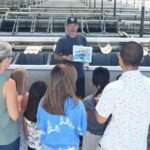
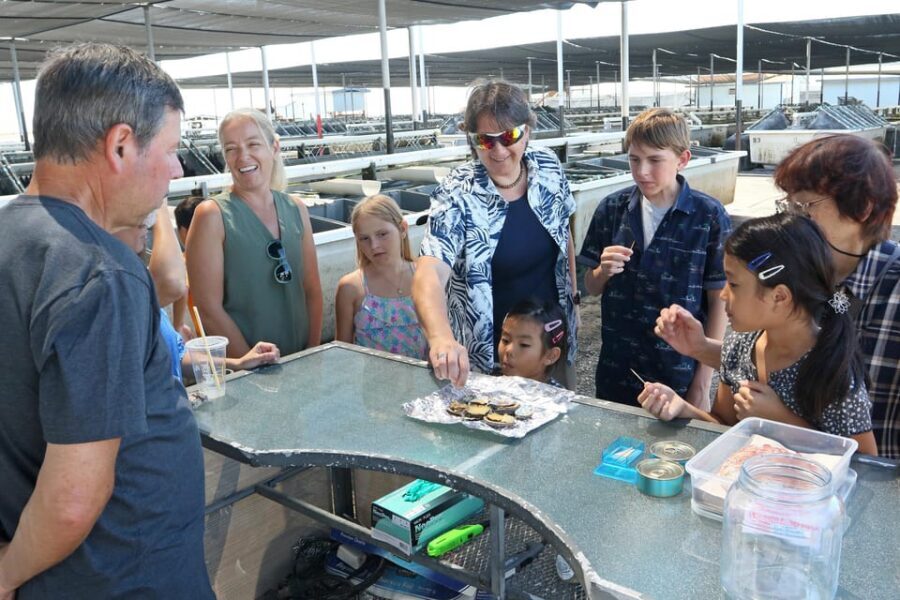
I like that the tour is hands-on where it counts. You get to listen to the story behind the farm and deep-water research, watch breeding and growth stages, and then (if you want) hold the animals while your guide explains what you’re seeing. If you have a guide named Kale, even better, since one recent group called out Kale’s fun facts about both abalones and seaweeds, plus garlic-butter flavor in the tasting.
In This Review
- Key Points You’ll Care About
- Why This Abalone Farm Tour Is Worth a Short Stop on the Big Island
- Getting Oriented at 73-357 Makako Bay Dr (and What the Hour Actually Means)
- The Farm Story: Deep-Water Research, Organic Methods, and How Abalone Fit In
- Hands-On Time: Touching, Holding, and Learning the Growth Stages
- Dulse Seaweed Tanks: The Superfood Detail That Explains the Flavor
- The Tasting: Grilled Abalone in Shell and Canned Abalone
- Price and Value: Is $31 a Fair Deal for This Hour?
- Who This Tour Suits Best (and Who Should Rethink It)
- A Small Extra Tip If You Want More Than the Tour
- Should You Book the Big Island Abalone Farm Guided Tour?
- FAQ
- How long is the abalone farm guided tour with tasting?
- What’s included in the price?
- Where do I check in?
- Is the tour wheelchair accessible?
- What do you taste during the tour?
- Can I cancel or pay later?
Key Points You’ll Care About
- Up to 10-year growth timeline: you’ll see how long the work takes, not just the end product
- Organic and sustainable production: the farm explains how it operates and why it matters
- Hands-on handling: you can touch or hold abalone during the tour
- Dulse seaweed tanks: you’ll learn how dulse is grown and used as a feed and food
- Two tasting styles: grilled abalone in the shell and canned abalone
- A small shopping perk: a 10% discount at the farm shop
Why This Abalone Farm Tour Is Worth a Short Stop on the Big Island
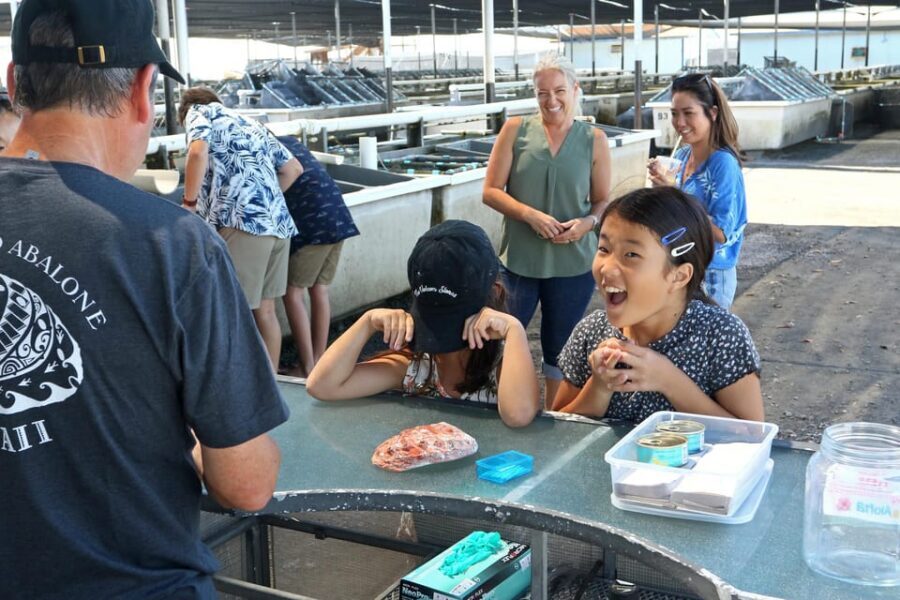
If you only think about abalone as something you order in a restaurant, this tour changes that fast. You walk through the practical side of farming—how the animals are bred, raised, and prepared—so when you taste it, you understand what you’re eating.
What makes this experience feel different is the pacing. It’s not a long museum-style walkthrough. In about an hour, you get (1) real farm context and (2) a taste right after. That pairing helps you connect the dots: growth stages you saw moments ago turn into flavor in your mouth.
And the best part is how specific the tour gets. You’re not stuck with generic facts. You learn about different types of abalone used on the farm, why they rely on organic and sustainable methods, and what the operation looks like behind the scenes. The guide also explains the production steps in plain language, which is exactly what you want when you’re standing in the middle of the process.
If you're still narrowing it down, here are other tours in Kailua Kona we've reviewed.


Getting Oriented at 73-357 Makako Bay Dr (and What the Hour Actually Means)
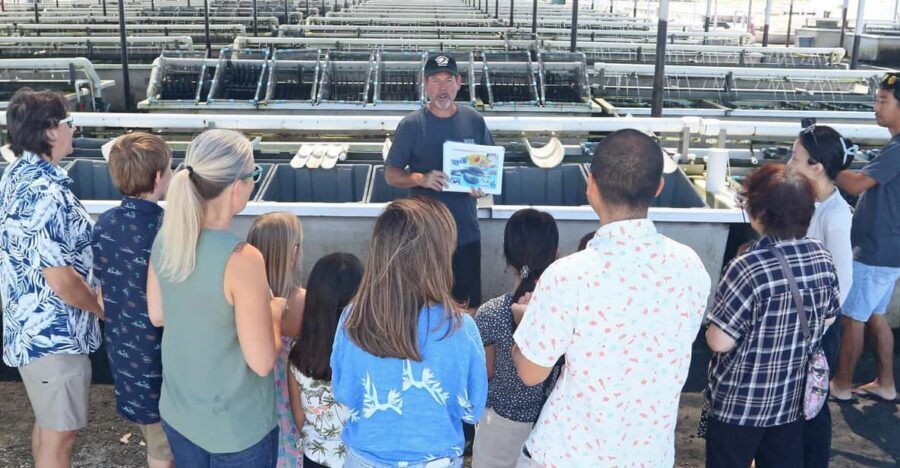
The tour starts at 73-357 Makako Bay Dr. Check in at the farm office, in the blue building right after the entrance. That little detail matters more than it sounds, because this isn’t one of those tours where you can stroll in late and still catch up.
Duration is listed as 1 hour. That means the tour moves with purpose: you’ll hear the farm story, see key steps of production, and then finish with tasting before you lose the thread. If you like to take photos nonstop or ask lots of side questions, keep in mind you may need to pace yourself so you don’t miss a section.
The experience is also live and in English, and it loops back to the meeting point at the end. So you can treat it like a tight, self-contained activity you can plug into a day on the Big Island without turning it into a half-day project.
The Farm Story: Deep-Water Research, Organic Methods, and How Abalone Fit In
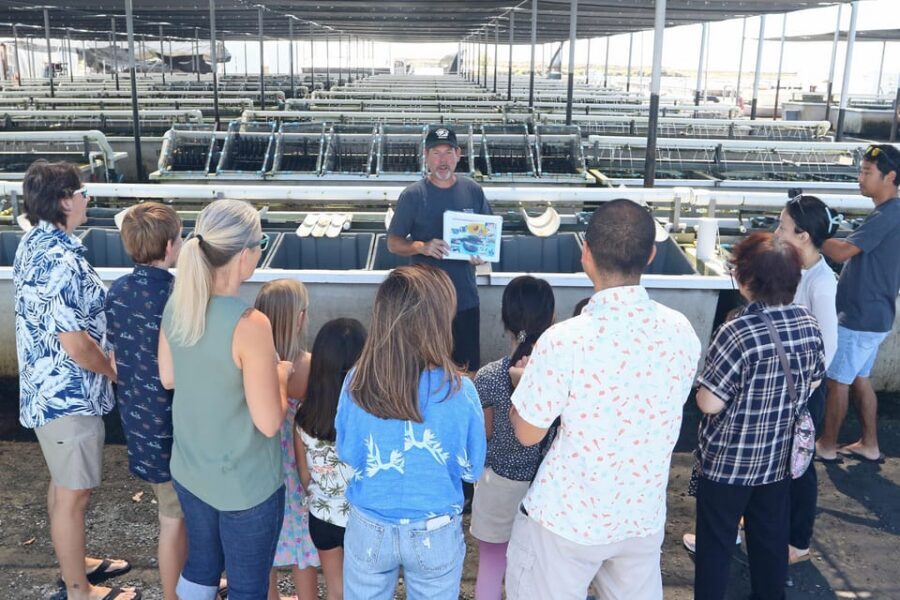
Right when you meet your guide, you’re welcomed to the farm and given a quick framework: the history behind deep-water research and how that connected to modern abalone production. It’s not just trivia. It helps you understand why abalone farming is its own specialty and why conditions matter.
Then the tour shifts to what the farm does today. You’ll get the inside track on the types of abalone used, and you’ll see demonstrations that match the real timeline of the work. A major point you’ll hear is that abalone growth can last as long as 10 years. That’s the sort of fact that lands differently when you’re standing near the systems that make it possible.
The farm also emphasizes 100% organic and sustainable operations. Even if you’re not a farming expert, you can feel the tone here: it’s built to show you how the production is organized. You’re not just tasting a product; you’re learning how the farm claims it gets there and what steps exist to support that.
Hands-On Time: Touching, Holding, and Learning the Growth Stages
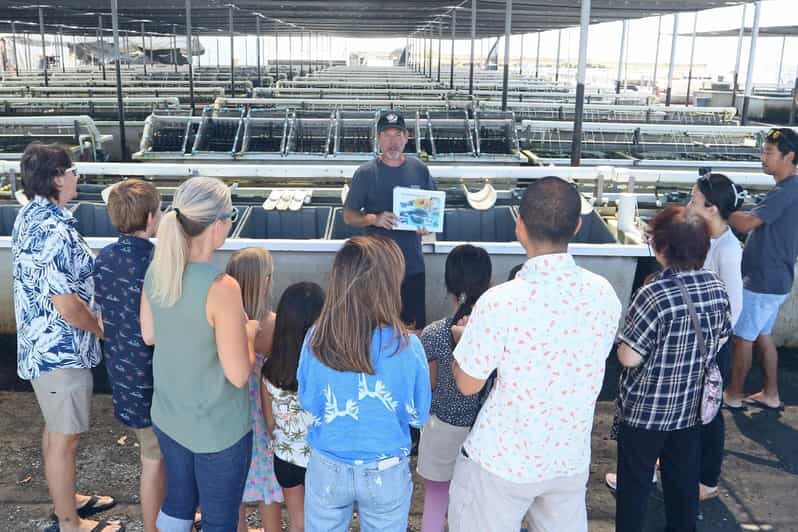
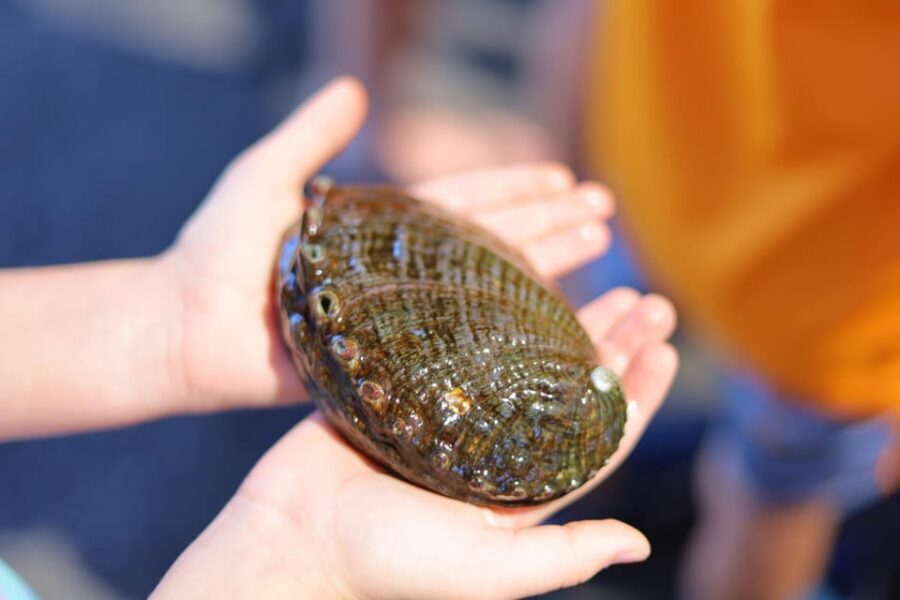
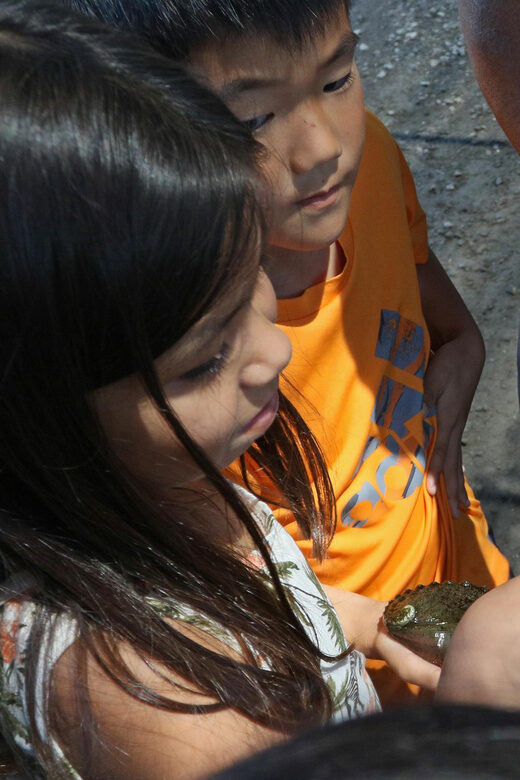
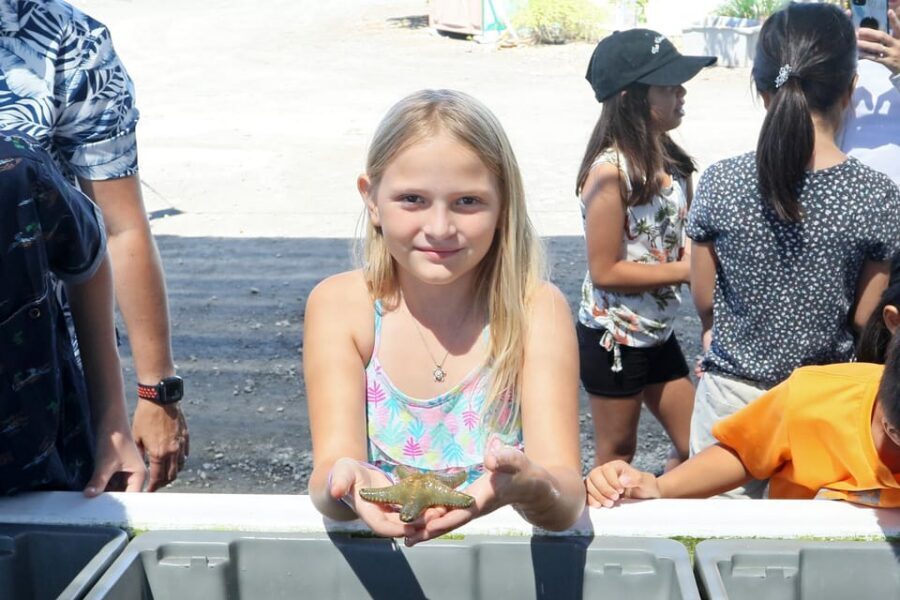
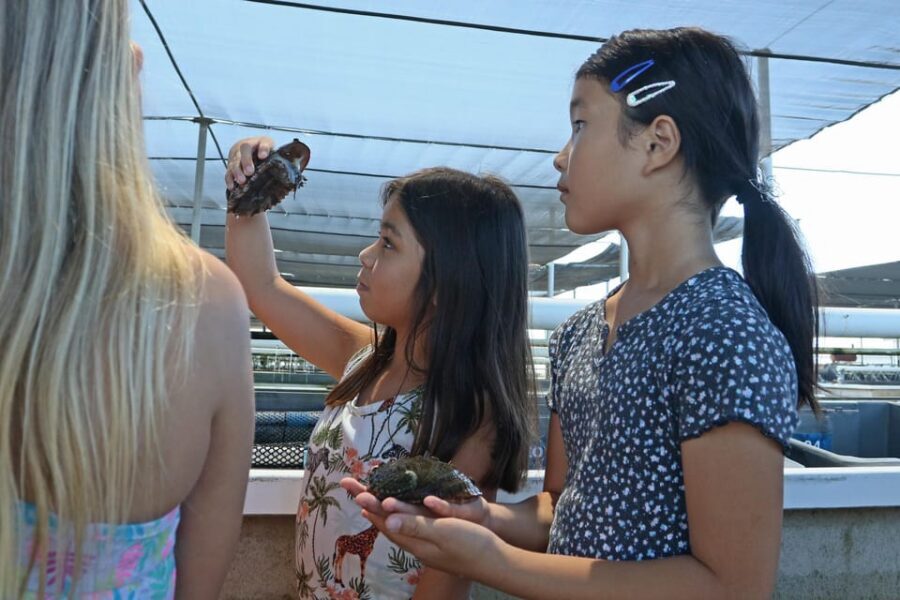
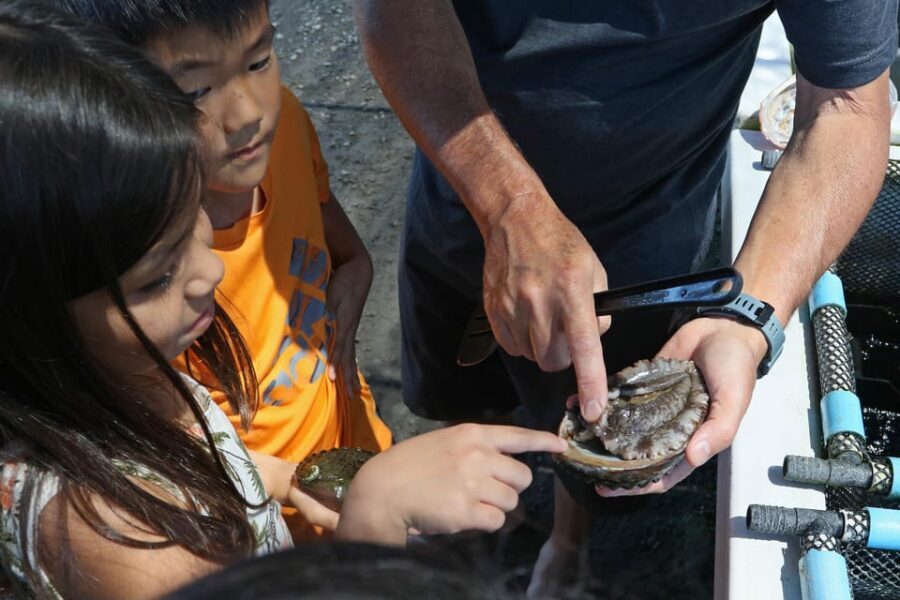
One of the most memorable parts is the chance to get close to the animals. During the tour, you’ll be able to touch the abalone as you hear about how they grow over months and years. If you want to, the guide also describes the breeding process and lets you hold some abalone.
This is exactly the kind of “hands-on learning” that makes a food tour feel worth the money. You don’t just hear that abalone are slow-growing marine creatures. You physically sense that they are real living animals that need stable care.
You’ll also see demonstrations of different growth stages. Since the overall process can take years, the tour focuses on showing the steps clearly rather than pretending one day equals one result. That’s a big reason the tour avoids feeling like a sales pitch. The guide keeps the tempo tied to the farm workflow.
Practical note: because you’re handling living animals, come with the expectation that this is not a quick photo stop. If you want to actually learn from it, listen first, take photos second, and you’ll have a better time.
Dulse Seaweed Tanks: The Superfood Detail That Explains the Flavor
Abalone don’t get raised in a vacuum. One of the most interesting segments is the organic dulse seaweed growing area. You’ll tour the growing tanks and hear how dulse acts as a superfood for the abalones.
The tour also frames dulse as something humans can eat, not just as fish-food filler. You’re shown how the seaweed is part of the farm’s food chain, which makes the tasting feel more connected. When you see the tanks and hear about the role dulse plays, you start thinking about abalone as a living system, not just a protein.
And this is where the guide and group vibe can really matter. One set of feedback specifically pointed out how well the seaweed portion was explained and recommended trying the seaweed. If you care about food beyond the main course, this part is a strong reason to book.
Other guided tours in Kailua Kona

The Tasting: Grilled Abalone in Shell and Canned Abalone
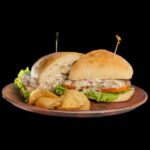
The tour ends in the best possible way: you eat what you learned. Your tasting includes grilled abalone in the shell, plus a canned abalone option to compare.
Having both matters. Grilled abalone helps you experience abalone as it’s cooked and served traditionally, in a way that highlights texture and saltiness. Canned abalone, on the other hand, gives you a useful contrast—same ingredient, different preparation. That comparison helps you understand why restaurants can taste different even when the base product is the same.
One reviewer called out the garlic-butter abalone as a standout. That’s a useful tip for you: if you get a choice in how it’s served, go with the garlic-butter style because it turns a delicate flavor into something immediately satisfying.
Also, ask about the seaweed tasting component if you’re interested. Some groups highlight it as worth trying, and the tour’s focus on dulse seaweed tanks makes it feel like you’ll want to experience that connection with your palate, not only your eyes.
Price and Value: Is $31 a Fair Deal for This Hour?
At $31 per person, this tour is priced like a focused activity, not an all-day attraction. The value comes from three things you get in that one hour:
First, you get a guided farm tour, not just a self-guided walk. Live explanation matters here, because the farm process includes details like breeding, growth stages, and how the organic systems work.
Second, you get a tasting. If you’re the type who hates paying for an experience that ends with a tiny sample, this is one of the better setups: grilled abalone in the shell plus canned abalone is genuinely two formats, not a token bite.
Third, you receive a 10% shopping discount at the farm. Even if you don’t plan to buy anything, it’s still part of the value equation because it signals that the tasting is linked to real farm products.
Is it a bargain? For a hands-on food-and-farm hour with tasting, it’s pretty fair. If you’re only interested in sea views, you might find it less exciting. If you like understanding where food comes from, it’s a solid use of time.
Who This Tour Suits Best (and Who Should Rethink It)
This tour fits best if you want something practical and edible, not just scenic.
You’ll likely enjoy it if:
- You like food experiences that explain the process, not only the final dish
- You’re curious about how slow-growing marine animals are farmed
- You enjoy hands-on moments like touching or holding abalone
- You’re interested in seaweed (especially dulse) as part of the food chain
You might skip it if:
- You need wheelchair accessibility (the tour is not suitable for wheelchair users)
- You prefer long, unstructured activities where you can wander at your pace
Also, think about your timing. Because it’s 1 hour, it works best when you’re not rushing across the island with no buffer.
A Small Extra Tip If You Want More Than the Tour
One piece of feedback mentioned a BBQ you make yourself at the farm, and that it was closed on the day of the tour for that visitor. The takeaway for you is simple: if you’re hungry for an extra meal experience, it’s worth checking whether the BBQ option is open when you visit. Even if it isn’t, the guided tasting still gives you the key abalone comparison and a sense of how the farm’s food tastes right away.
Should You Book the Big Island Abalone Farm Guided Tour?
Book it if you want a real farm story tied directly to tasting—especially if you like abalone, seafood, and the science of how food gets raised. The hour is short, but that’s also why it works: you learn the basics of organic, sustainable production, touch and hold abalone, see the dulse tanks, then eat grilled abalone in shell and canned abalone.
Skip it if mobility is an issue or if you dislike structured tours with a fixed timeframe. Otherwise, this is an efficient way to experience something truly specific to the Big Island, with a tasting you can’t get just by driving past.
FAQ
How long is the abalone farm guided tour with tasting?
The tour runs for 1 hour. You can check availability to see starting times.
What’s included in the price?
The price includes the guided tour, a live English-speaking guide, an abalone tasting, and a 10% shopping discount.
Where do I check in?
Check in at the farm office, the blue building located right after the entrance at 73-357 Makako Bay Dr. The tour ends back at the meeting point.
Is the tour wheelchair accessible?
No. This activity is not suitable for wheelchair users.
What do you taste during the tour?
You taste grilled abalone in the shell and a canned version of abalone. The tour also includes the dulse seaweed growing tanks, and seaweed is something some groups recommend trying.
Can I cancel or pay later?
You can reserve now and pay later. Free cancellation is available up to 24 hours in advance for a full refund.