REVIEW · KAILUA KONA
Kailua-Kona: Night Manta Snorkel or Dive
Book on GetYourGuide →Operated by Torpedo Tours · Bookable on GetYourGuide
Seeing manta rays at night is pure wow. What makes this tour special is the calm, sheltered bay and the way the guides set the scene with lights to draw in plankton—the same food mantas target on a nightly routine.
I especially love how your viewpoint depends on your comfort level: snorkelers float right above the action, while scuba participants settle lower and get a front-row view of manta behavior. My other favorite part is the concentration effect—lots of mantas in one place because the plankton comes to you.
One consideration: this is not for everyone. If you’re prone to seasickness or have a back issue, the experience may be a struggle, and it’s also not suitable for non-swimmers.
In This Review
- Quick hits before you go
- Why night manta rays feel like science fiction in Kailua-Kona
- Where the action happens: the calm, sheltered bay and the sandy anchor spot
- The 2-hour flow: how the night session typically plays out
- Snorkel vs scuba: you’ll get a different kind of manta magic
- If you snorkel
- If you go scuba
- Lights, plankton, and the feeding flips you came for
- What’s included, what costs extra, and how to pack smart
- Included
- Not included
- Safety and comfort: who this works for (and who should think twice)
- About the operator: Torpedo Tours and what to know from past outings
- Is it worth $129 for a 2-hour night manta experience?
- Should you book this night manta snorkel or scuba in Kona?
- FAQ
- How long is the Kailua-Kona night manta snorkel or dive experience?
- How much does it cost per person?
- Is snorkeling gear included?
- Do I need to bring a towel?
- Is pickup included?
- If I choose the scuba option, is diving gear included?
- What should I bring?
- Is it allowed to touch the marine life or plants?
- Should I cancel if I’m worried about the schedule?
Quick hits before you go
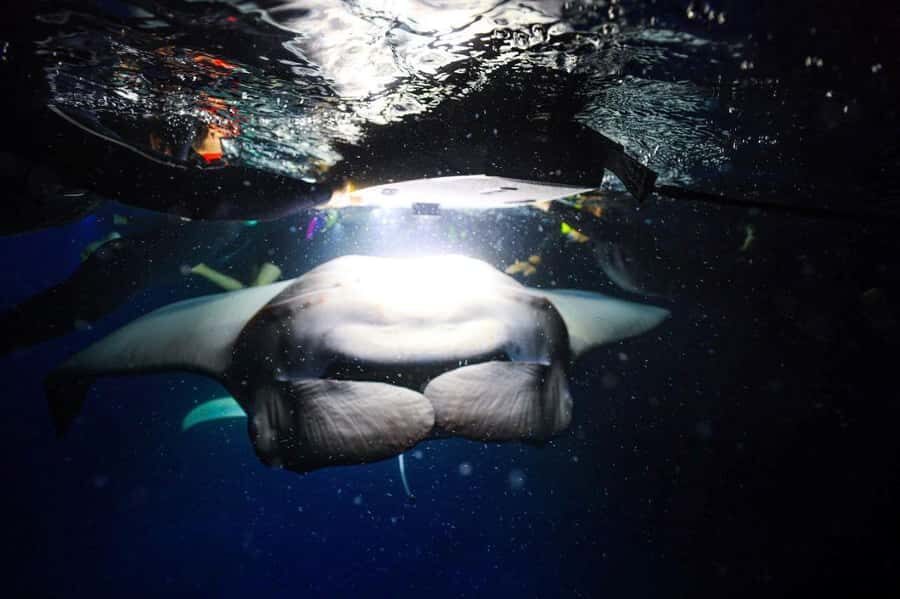
- A sheltered bay helps keep the water calm for night wildlife viewing
- Plankton attracted by lights brings mantas close, so you don’t have to hunt
- Two viewing options: snorkelers float above, while scuba participants stay lower
- Manta feeding flips are part of the show, not random behavior
- Boat anchoring near sandy ground gives a clear, stable underwater meeting point
Why night manta rays feel like science fiction in Kailua-Kona
Kailua-Kona has a reputation for manta rays, and this is one of the rare chances to see them in a very specific, predictable setting. At night, mantas show up to feed, and that feeding frenzy is tied to a practical underwater detail: plankton gathers where the light is.
That’s the magic of this tour setup. Instead of crossing your fingers for clear visibility and good luck, the experience is built around an attraction you can see at work. You’re basically watching nature’s nightly schedule play out right in front of you.
Also, it’s not a frantic, far-flung adventure. The water is described as serene and sheltered, which matters a lot when you’re wearing gear, staying warm, and trying to focus on one goal: seeing these gentle giants.
Other Manta Ray night snorkel tours in Kailua Kona
Where the action happens: the calm, sheltered bay and the sandy anchor spot
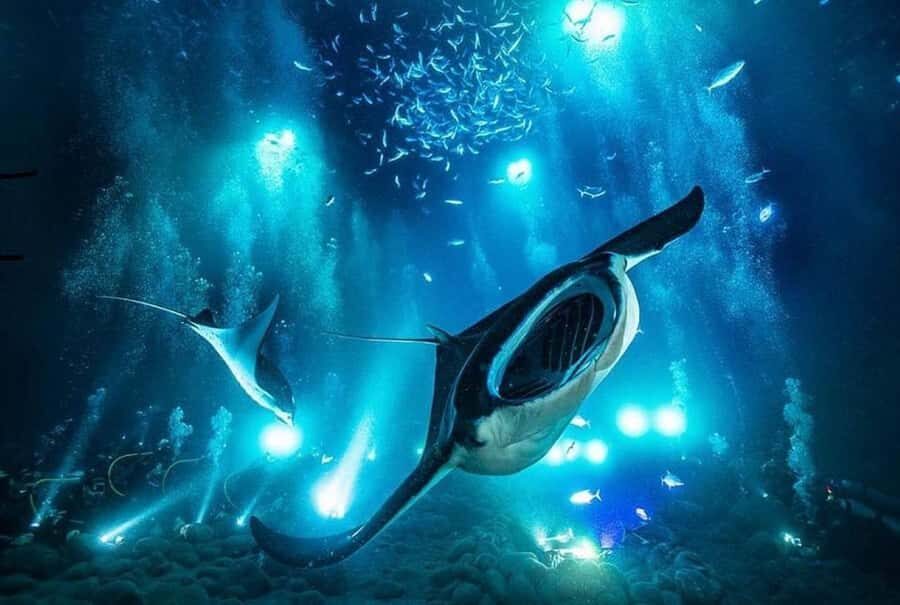
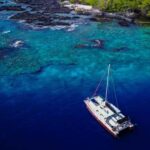
This experience takes place in a serene, sheltered bay where the waters are calm enough for both snorkelers and scuba participants to enjoy the same manta activity. The boat anchors around a sandy area that drops to about 30 feet. That depth range is a sweet spot: it’s deep enough for the mantas’ feeding behavior to make sense, but shallow enough for most people to stay oriented underwater.
Here’s why I like this layout for your trip planning. When conditions are stable, you can spend more time watching and less time adjusting. You’re less likely to feel scattered or stressed, which is the difference between a “saw something” night and an “I’ll remember this forever” night.
And because the bottom is sandy, divers can settle rather than constantly fin-kicking to find footing. Snorkelers get an easier surface view, floating above the divers’ positions.
The 2-hour flow: how the night session typically plays out
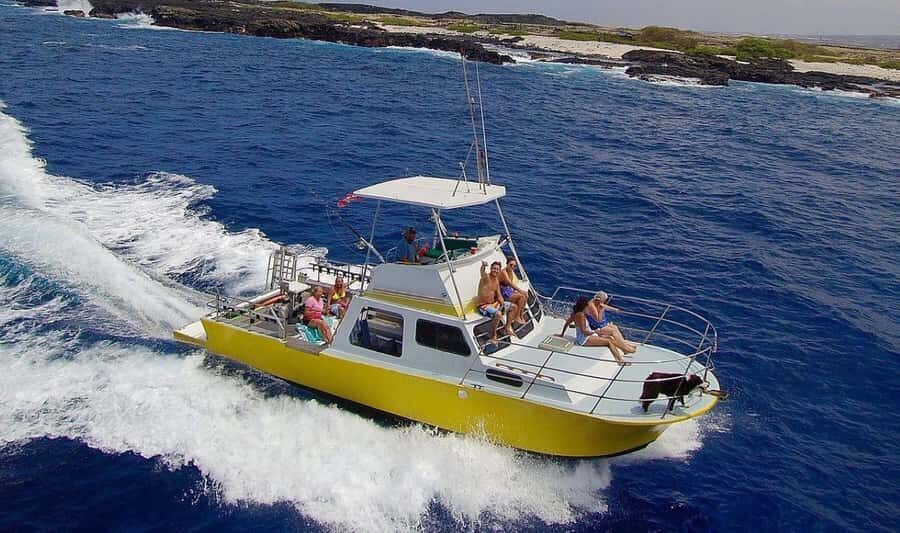
The experience runs about 2 hours, and that time is mostly focused on one thing: putting you into the right place at the right time when mantas are feeding.
Based on the tour structure, here’s what you should expect from start to finish:
First, you get geared up and ready to enter the water. If you’re snorkeling, the experience includes snorkeling gear, so you can travel lighter. If you’re choosing the scuba option, diving gear isn’t included, but you can rent it on site for $40.
Next comes the boat anchoring over the sandy area. This is when both groups begin their “different angles, same spectacle” experience: scuba participants settle on the sandy bottom while snorkelers float above them.
Then the lights do their job. The tour uses underwater light to attract concentrations of plankton. And when the plankton is there, the mantas follow. This is why the timing matters—this isn’t about random sightings. It’s about feeding activity being concentrated in one place.
Finally, you finish the water time and head back once the session window ends. With only two hours total, it feels efficient. You’re not signing up for a half-day of logistics; you’re signing up for a focused wildlife event.
Snorkel vs scuba: you’ll get a different kind of manta magic
Choosing snorkel or scuba changes what you notice, not whether you get the “big manta moment.”
If you snorkel
You’ll be floating above the divers, which sounds simple—and it is. The snorkel setup is ideal if you want to stay relaxed and keep your focus on the surface-level activity. With the mantas overhead and all around, you still get that close, repeated interaction because the lights and plankton bring mantas into the area.
This option is also a lower-friction choice. You don’t need the same training steps or equipment complexity that come with scuba gear.
Other evening experiences in Kailua Kona
If you go scuba
Scuba participants settle near the bottom, which likely gives you a more direct view of manta feeding mechanics. You’re in a lower perspective, watching how they move through the area and how their behavior changes as they feed.
The catch is that scuba participants need either their own diving gear (not included) or the on-site rental. If you’re already set up for scuba, it’s a smooth upgrade. If not, the extra rental cost is worth accounting for before you commit.
Either way, you’re getting the same overall “why this works” ingredient: mantas come because of the plankton, and plankton comes because of the lights.
Lights, plankton, and the feeding flips you came for
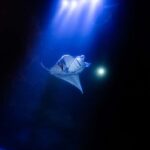
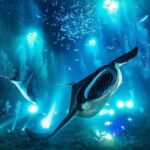
The centerpiece of this tour is the nightly feeding setup. The underwater lights draw in plankton, and that food source pulls mantas into the area. Then the mantas do the part that makes your brain stop for a second.
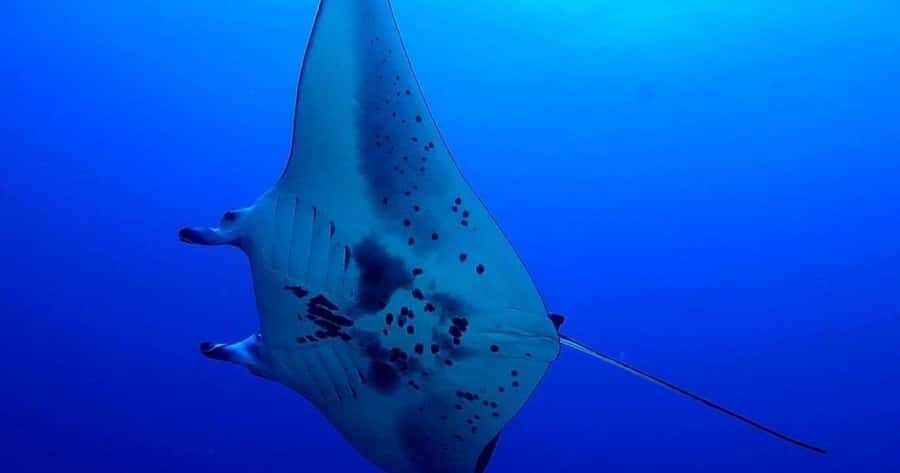
These aren’t tiny rays. The mantas here can reach wingspans up to about 15 feet and can weigh over 1,000 pounds. Despite that size, they’re described as graceful, and the behavior you’re watching is about feeding—continuous movement and frequent repositioning as they take mouthfuls of plankton.
One of the most memorable details is that mantas perform continuous flips as they feed. It’s not just a single photo moment. It’s ongoing behavior in a small area, which is exactly what you want for snorkeling or a short night underwater session.
From a practical standpoint, this also explains why the experience feels “world-renowned” in the category of manta encounters. When animals are actively feeding, you tend to get more repeated sightings. Less waiting. More action.
What’s included, what costs extra, and how to pack smart
This tour includes a few pieces that genuinely help value.
Included
- Snorkeling gear (big deal for convenience)
- Light snacks
- Some non-alcoholic drinks
Not included
- Towels
- Pickup
- Diving gear (if you select scuba; rental is available on site for $40)
Here’s how I’d pack so you’re not stuck improvising. Bring swimwear, a change of clothes, and a towel since it’s not provided. Bring water, because you’ll want to hydrate before and after the water time. If you’re bringing snacks, the tour also notes snacks are something you can bring—so plan for what you need to feel good before the session.
Also, don’t skip the camera prep. A waterproof camera is a smart move because this is a night event. Underwater and low-light conditions can be tricky, and you’ll want to capture the mantas while visibility is good and the lights are on.
Finally: use biodegradable sunscreen. You also need to understand the rules underwater:
- No touching marine life
- No touching plants
That’s standard for marine wildlife safety, and it also keeps the interaction natural. If you’re trying to get close for a photo, let the mantas come to you—don’t reach.
Safety and comfort: who this works for (and who should think twice)
This is a wildlife tour, but it still has real physical demands. The experience is listed as not suitable for:
- People with back problems
- Non-swimmers
- People prone to seasickness
That’s the main checklist I’d use. If you have any doubt about your ability to stay comfortable in water or handle motion on a boat, take it seriously. Night snorkeling can feel more intense even in calm water if your body is already unhappy.
If you’re a strong swimmer and generally okay in ocean settings, it’s more likely to feel manageable—especially because the location is described as sheltered and calm. Calm water helps your breathing, helps your focus, and makes it easier to float and watch.
About the operator: Torpedo Tours and what to know from past outings
The provider is Torpedo Tours. The crew and captain get strong marks for being capable and friendly, with a clear focus on keeping things fun and under control.
There’s one downside pattern worth noting from the record: one booking was canceled very close to the scheduled time, on the same day it was supposed to run, and the guest expected a refund. That doesn’t mean cancellations are common, but it does mean you should plan your evening with some flexibility if you’re on a tight schedule.
If you’re building a Kona itinerary, don’t place something critical immediately after this experience. Give yourself a buffer.
Is it worth $129 for a 2-hour night manta experience?
At $129 per person for about 2 hours, the value comes down to what’s included and what you’re buying: a concentrated manta feeding event rather than a general “chance to see wildlife” outing.
Here’s the value math I’d use:
- You get snorkeling gear included, so you’re not paying separately to rent it for the snorkel option.
- You get light snacks and non-alcoholic drinks, which helps for a night activity.
- The entire setup is designed around making mantas show up where you can see them—lights + plankton + calm anchored waters.
What could push the cost up is the scuba route. If you pick scuba, you should budget $40 for diving gear rental on site.
If your goal is pure manta time, and you want the most direct experience possible, this looks like a fair deal for the specific outcome you’re targeting: repeated close encounters during active feeding.
Should you book this night manta snorkel or scuba in Kona?
I’d book this if you want:
- A night wildlife experience with mantas focused into one area
- A setup designed around lights and plankton, meaning you’re not just hoping
- A choice between snorkeling above the action or a lower view from scuba
- A two-hour commitment that feels like a highlight, not a full-day project
I’d skip it if you:
- Don’t swim well or aren’t comfortable in open water
- Get seasick easily
- Have back issues that could make being in and out of the water uncomfortable
If you do book, take your own comfort seriously and pack like it’s a night on the water: towel, waterproof camera, biodegradable sunscreen, and a change of clothes. Follow the no-touch rules—let the mantas do their feeding routine undisturbed.
FAQ
How long is the Kailua-Kona night manta snorkel or dive experience?
It lasts about 2 hours.
How much does it cost per person?
The price is listed at $129 per person.
Is snorkeling gear included?
Yes. Snorkeling gear is included.
Do I need to bring a towel?
Yes. Towels are not included, so bring your own.
Is pickup included?
No. Pickup is not included.
If I choose the scuba option, is diving gear included?
No. Diving gear is not included, but you can rent diving gear on site for $40 if you choose the diving option.
What should I bring?
Bring swimwear, a change of clothes, a towel, snacks, water, a waterproof camera, and biodegradable sunscreen.
Is it allowed to touch the marine life or plants?
No. Touching marine life and touching plants are not allowed.
Should I cancel if I’m worried about the schedule?
You can cancel up to 24 hours in advance for a full refund.