REVIEW · BIG ISLAND OF HAWAII
Humpback Whale and Dolphin Watch in Kona
Book on Viator →Operated by Dolphin Discoveries · Bookable on Viator
Winter in Kona can sound like a lullaby.
This Kailua-Kona whale and dolphin watch is a relaxed, small-group cruise that focuses on spotting mammals, learning from a live guide, and getting you the best whale views the ocean allows. I like the straightforward setup: you’re out on the water for a few hours with live onboard commentary from naturalist staff, not stuck in a long bus-and-back routine. I also love the added “ears open” experience: they use an underwater hydrophone so you can hear whale vocalizations when the timing lines up.
One thing to consider: whale closeness is never guaranteed. Even when humpbacks are around, you should expect a mix of sightings at different distances because there’s a required 100-yard safe viewing buffer, and that affects photo results.
In This Review
- Key highlights you’ll care about
- Kona’s winter whales: timing makes this tour work
- Small-group rigid-hull ride from Ali‘i Dr
- The onboard naturalist and hydrophone moment
- What you’ll see: dolphins year-round, humpbacks Dec–Apr
- The coastline part: history, geology, and route changes
- Comfort and practical tips for a bumpy, non-snorkel day
- How likely are you to spot whales close up?
- Who should book this Kona whale and dolphin watch
- Should you book this Kona humpback and dolphin watch?
- FAQ
- When is the humpback whale season for this tour?
- Is this a snorkeling tour?
- How long is the experience?
- Is there a restroom on board?
- What wildlife might you see besides humpbacks?
- What should I bring?
- What happens if the weather is bad or the tour is canceled?
- Final call: book or pass?
Key highlights you’ll care about
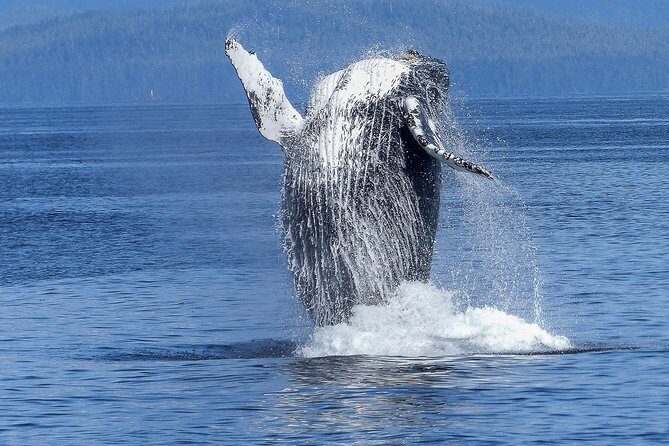
- Dec–Apr humpback season: the big target window for mating and birth activity
- Hydrophone whale-song: listen to vocalizations underwater, not just watch blows
- Small-group feel: capped boat sizes keep the vibe calmer than big tours
- Dolphins year-round: spinner and bottlenose sightings are common outside whale season
- Non-snorkeling cruise: you stay fully geared for viewing and listening, not swimming
Kona’s winter whales: timing makes this tour work
If your trip lands between December and April, this is one of the best ways to aim for humpbacks on the Big Island (Kona). During that season, humpbacks are in the area for mating and giving birth, and that’s what turns this cruise from a fun dolphin outing into a true whale-focused adventure.
In recent seasons, the humpback peak can shift a bit; one captain noted a sweet spot that often leans toward January and February. That doesn’t mean you’ll miss them earlier or later, but it’s a good reminder to not treat the calendar like a promise. The ocean sets the rules.
If you’re visiting outside the humpback window, you’ll still have plenty to watch. The cruise runs year-round for dolphins and other whales that may show up depending on conditions and migration patterns.
Other dolphin and wildlife tours in Big Island of Hawaii


Small-group rigid-hull ride from Ali‘i Dr
The whole experience is built around the idea that whale watching is better when you’re not crammed in. The tour is offered with a small maximum passenger count (you’ll see caps listed around the low-to-high twenties, depending on schedule). On the water, that typically means you can hear what the captain and naturalist are saying without shouting over everyone.
You also start right in Kailua-Kona, around Ali‘i Drive. Check-in is part of the total time, so when you pick your departure window, think of it as your check-in time. Plan to arrive a bit early to avoid the classic start-of-day scramble that can happen when you’re trying to find the meeting area and then transfer to the ramp.
A practical note from real-world experience: the ride happens on a rigid hull inflatable vessel, and that can feel bumpy at times. If you’re sensitive to motion, pregnant, dealing with serious medical limits, or have significant neck/back issues, this kind of small boat may not be the right fit.
The onboard naturalist and hydrophone moment
This tour’s “wow” isn’t only the animal sightings. It’s how the crew helps you understand what you’re seeing while you’re seeing it.
You’ll get onboard commentary from the naturalist and captain team as they scan for wildlife. They point out details you’d miss from shore: where dolphins tend to surface, what whale behavior can look like in different conditions, and how the coast’s geology shapes the water and the animals’ paths.
The standout feature is the underwater hydrophone. When conditions are right, they lower the microphone and you can hear humpbacks communicating. One highlight in the feedback was the first time people realized they weren’t just seeing whales—they were actually hearing whale vocalizations clearly once the hydrophone was in the water.
This is also where the staff’s calm focus matters. If sightings are active, the crew tends to adjust the route to keep you in a productive viewing area. If whales are shy, the goal becomes finding the next chance rather than forcing the boat into a bad viewing position.
What you’ll see: dolphins year-round, humpbacks Dec–Apr
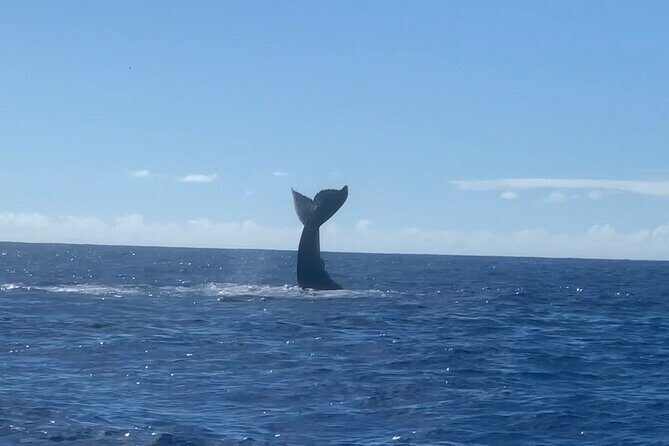
This cruise is built around two layers of wildlife.
Layer one: dolphins, often year-round. The company notes that you can commonly see Hawaiian spinner dolphins, Pacific bottlenose dolphins, and spotted dolphins depending on the day. Even when humpbacks are quiet, dolphins can keep the cruise exciting with fast bursts, surfacing patterns, and the way they travel along the coastline.
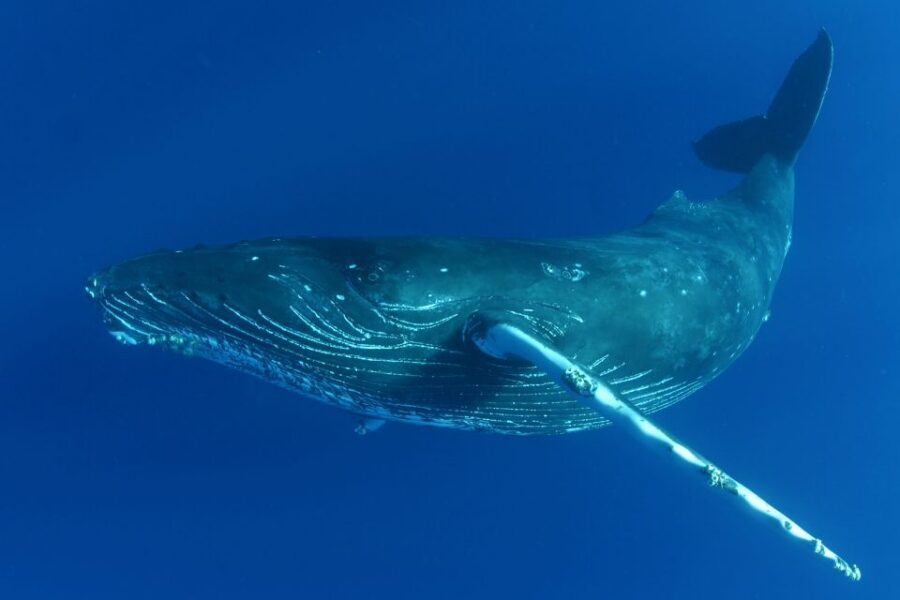
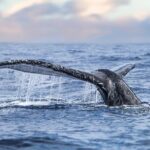
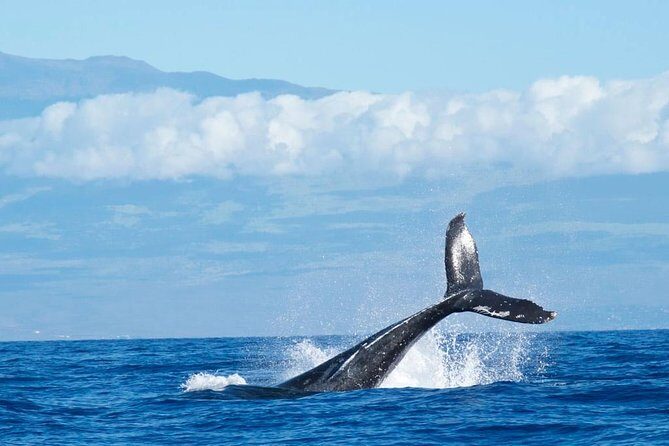
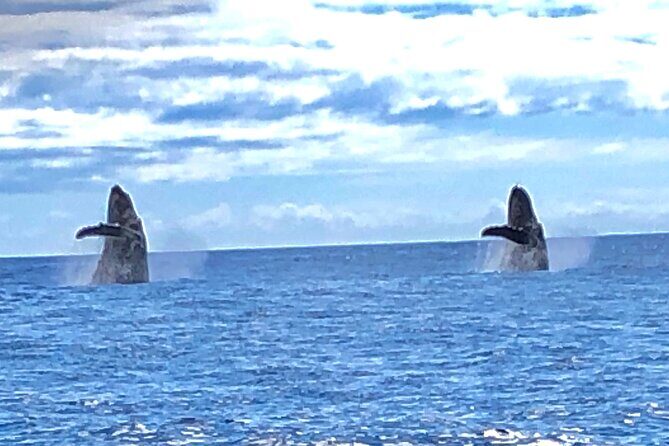
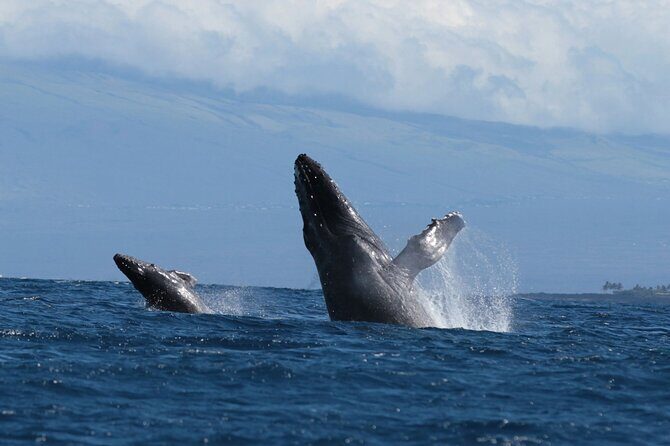
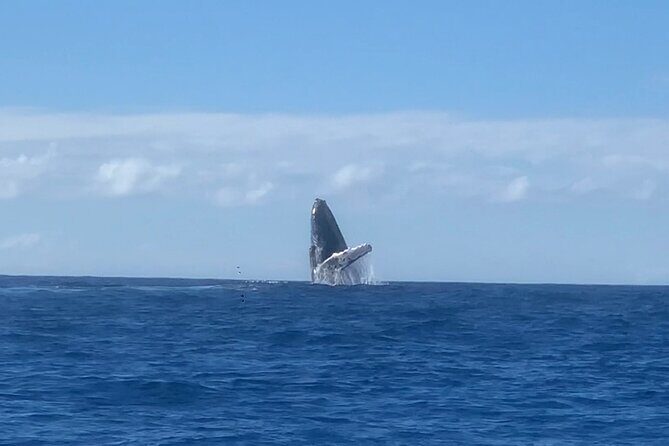
Layer two: humpbacks in season. From December to April, humpbacks visit to mate and give birth. When they’re around, you’re watching a bigger show: breaches, fluke (tail) activity, and repeated surface events spaced out over time as they move and feed.
The same waters can also bring other whale species at times, like pilot whales and beaked-whales, plus occasional sightings of melon-headed whales. The reality is you’re not guaranteed one specific species every trip. What you’re buying is the search effort and the expertise to maximize your odds when whales show themselves.
One realistic expectation that comes up in feedback: whales sometimes surface farther out than you’d like. That can still be magical—just know you might not get the kind of close, frame-filling shots people imagine.
The coastline part: history, geology, and route changes
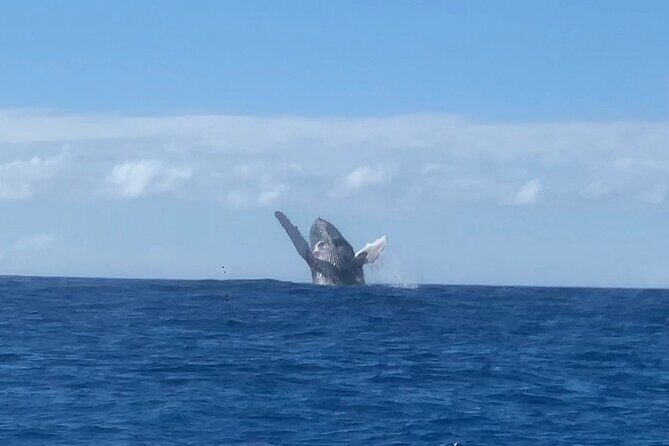
Even though this is primarily a whale and dolphin watch, the cruise also functions like a moving lesson about Kona’s dramatic shoreline.
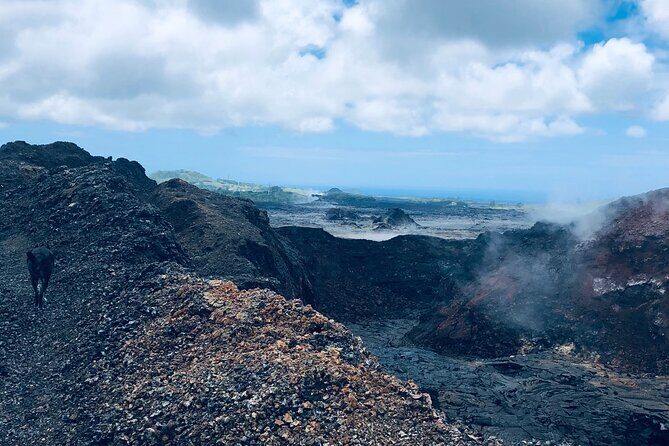
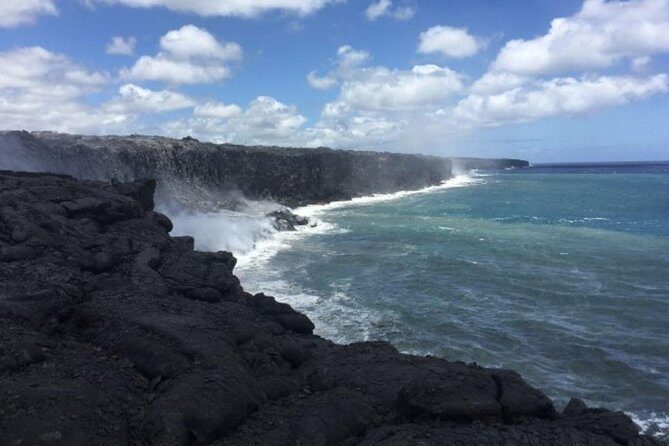
Captains narrate your slow cruise along the coast, explaining wildlife patterns and also talking about the area’s history and geology. This matters because it turns the trip from a simple animal hunt into something you can connect to after you’re back on land.
Several named crew members stood out in feedback for combining facts with humor and story flow—captains like Dennis, Shelly, Chad, Raj, and Rob (and first mates like Bryce, Tim, and Gabe). The key detail isn’t who the name is. It’s that when you’re on a small boat, you can actually hear the explanations and ask follow-up questions at the right moment.
You might also travel farther offshore at times. People reported routes that included the area near Captain Cook Monument, which helped make the trip feel more like a full ocean excursion instead of a quick loop.
Other dolphin watching tours in Big Island of Hawaii


Comfort and practical tips for a bumpy, non-snorkel day
This tour is non-snorkeling, so you won’t be suiting up for water time. That’s good news if you prefer dry viewing and the chance to focus on whales, dolphins, and the hydrophone audio.
Still, you should come prepared, because you’re on an open or semi-open boat. Bring:
- Reef-safe sunscreen
- A jacket (conditions on the water can feel cooler than you expect)
- Your camera with a lens that handles distance
- Something to protect you from sun and spray
A few small comfort notes matter more than you’d think:
- No restroom on board: plan ahead and use facilities before you meet the boat.
- The ride can be bumpy, so sit where the crew tells you and keep a steady grip when needed.
- One helpful detail from feedback: you may be asked to take your shoes off on the boat. It’s not complicated, just be ready.
Also, since this is a 3.5-hour experience including check-in, you’ll want to treat it as a real morning or afternoon event, not a quick add-on.
How likely are you to spot whales close up?
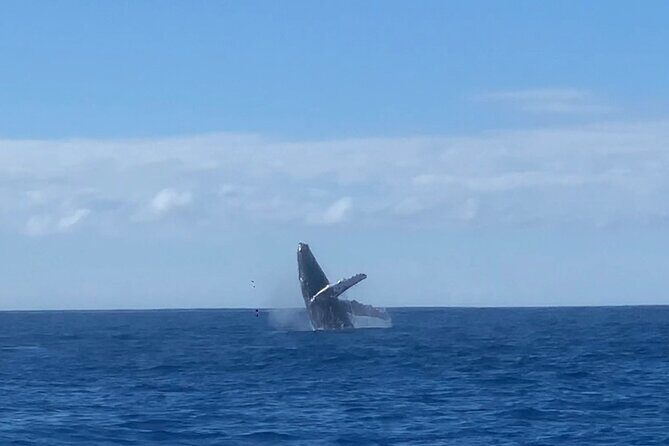
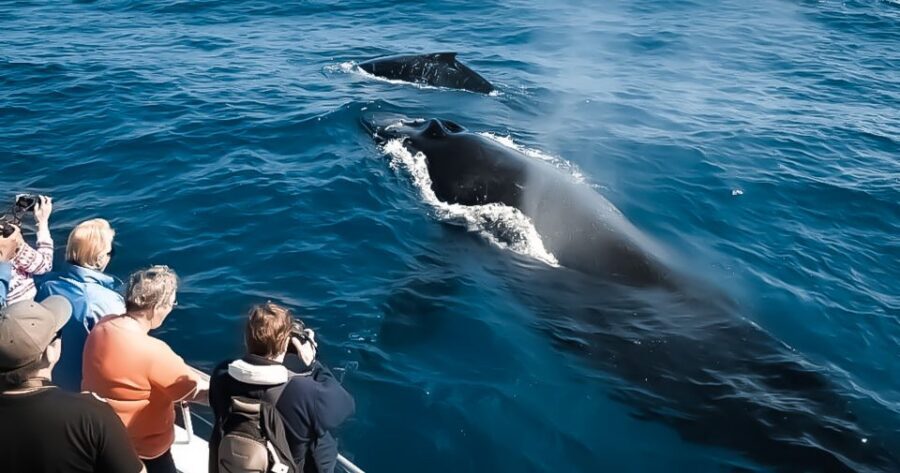
Let’s talk odds honestly. You can absolutely have a fantastic trip with whales seen close enough to feel the scale—people reported humpbacks around tens of feet away and even multiple breaching sequences.
But the consistent theme is this: the best whale watching is often about patience and adapting. Shy whales may keep their distance. Ocean conditions and whale behavior decide where they surface, and the crew has to follow wildlife-protection rules that limit how close the boat can get.
Because of that, a smart expectation is:
- You’re likely to see something moving—at minimum, dolphins.
- If you’re in peak humpback season, you have a real chance at humpbacks.
- Close-up moments can happen, but they aren’t guaranteed.
If you care most about the whale-song part, the hydrophone can still be a big win even when whales aren’t right next to the boat.
Who should book this Kona whale and dolphin watch
This tour fits well if you want:
- A small-group ocean outing in Kona
- A naturalist-guided experience with real interpretation, not just generic spotting
- A chance at both dolphins and humpbacks during the Dec–Apr window
- A viewing-first trip where you listen as much as you look
It might be less ideal if:
- You’re very prone to motion sickness or you need a smoother ride
- You can’t handle tours that run without a restroom on board
- You need guaranteed close whales for a specific shot style (again, the safe-distance rules shape results)
On the other hand, if you’re traveling with kids age 5+, this can be a solid choice because it’s not snorkeling and it’s geared toward attentive viewing and learning.
Should you book this Kona humpback and dolphin watch?
Book it if your goal is a well-run, viewing-focused day on the water that targets humpbacks in season and gives you dolphins year-round. The hydrophone, the onboard interpretation, and the small-group feel add real value to the ticket price.
Skip or reconsider if you need a guaranteed close-up whale experience, want a boat with restroom access, or are at risk on bumpy water. In short: this is a great match for people who enjoy waiting for nature to show up.
FAQ
When is the humpback whale season for this tour?
The cruise is seasonal for humpbacks from December to April. Outside that window, you’ll focus more on dolphins and any other whales that may be present.
Is this a snorkeling tour?
No. This is a non-snorkeling whale and dolphin watch.
How long is the experience?
Plan about 3.5 hours total, including check-in. The time you select is the check-in time.
Is there a restroom on board?
No. Restroom facilities are not available on the boat, so plan to use facilities before boarding.
What wildlife might you see besides humpbacks?
Year-round, the tour commonly looks for spinner dolphins, bottlenose dolphins, and spotted dolphins. In season you may also encounter humpbacks, and at times other whale species.
What should I bring?
Bring reef-safe sunscreen, a jacket, and a camera. You’ll also want to dress for time on open water.
What happens if the weather is bad or the tour is canceled?
The tour requires good weather. If it’s canceled due to poor weather, you’ll be offered a different date or a full refund. If the minimum number of travelers isn’t met, the same options apply.
Final call: book or pass?
If you’re visiting Kona in the humpback window and you want an easy, interpretive ocean outing with dolphins and whale-song audio, this is a strong pick. I’d book it with the mindset that whales can be shy, but the experience is designed to stay rewarding even when sightings land farther out.