REVIEW · KAILUA KONA
Big Island: Mauna Kea Summit, Stargazing & Dinner
Book on GetYourGuide →Operated by Hawaii Forest & Trail · Bookable on GetYourGuide
Mauna Kea nights change your sense of scale. This 8-hour Big Island tour strings together sunset at the summit with a guided stargazing session designed for real viewing and real photos, not just standing in the cold. The small-group setup (max 12) also helps you actually hear the guide and see what matters.
I especially like the warm-to-cold rhythm: a picnic dinner and hot chocolate before the best dark-sky time. Then, at the lower elevation after sunset, you get a private-style star show with an 11-inch Celestron telescope plus a guided explanation of Hawaiian star navigation. One possible drawback: it’s a night-at-high-altitude experience, so it’s not for everyone, and you’ll want to take the clothing and health limitations seriously.
In This Review
- Quick hits: what makes this Mauna Kea night tour work
- Mauna Kea sunset and why this tour uses a simple small-group plan
- Pickup, van ride, and the pacing of an 8-hour night
- Visitor Information Station picnic: warmth, briefing, and an easy win
- Mauna Kea summit at sunset: short window, big payoff
- Telescope time and private star show: what you’ll actually see
- Digital astrophotography scope: photos you can share
- What the guide adds: star knowledge, pacing, and local context
- Price and value: is $329 worth it?
- Who should book, and who should skip this altitude-and-night plan
- What to bring and wear for Mauna Kea cold
- Should you book Big Island Mauna Kea Summit, Stargazing & Dinner?
- FAQ
- How long is the Mauna Kea Summit, Stargazing & Dinner tour?
- Is hotel pickup and drop-off included?
- What’s included with the stargazing portion?
- What should I bring and wear?
- Are children allowed?
- Is it refundable if my plans change?
Quick hits: what makes this Mauna Kea night tour work
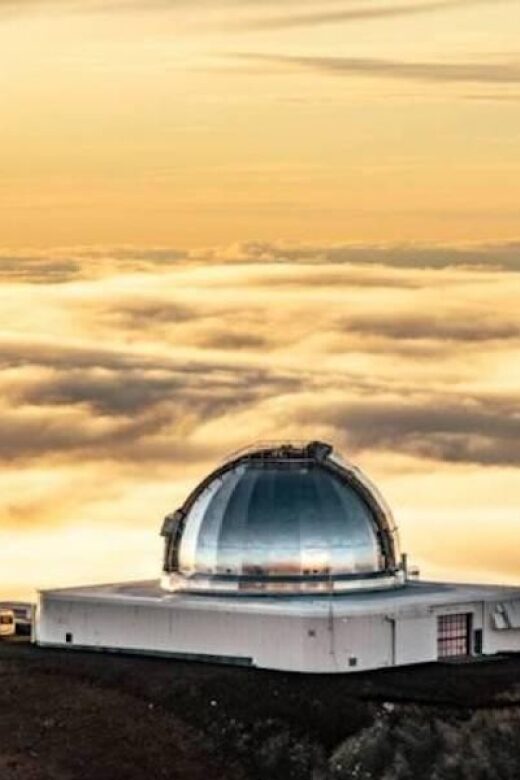
- Small group, big focus: limited to 12 participants, so the guide can pace the night and keep attention on the sky.
- Sunset first, then stars: you time your best views for the glow at the summit, then shift to a lower elevation for the stargazing portion.
- Real telescope time: includes viewing through an 11-inch Celestron telescope and deep space viewing via a digital astrophotography scope.
- Photos you can share: digital images are emailed afterward, so you’re not stuck with only blurry phone shots.
- Guides who know their stuff: guides have been praised for detailed star knowledge and patience (names mentioned include John, Jason, and Jeff).
- Comfort details matter: hot cocoa, a picnic meal, and winter gear like parkas and gloves are part of the plan.
Mauna Kea sunset and why this tour uses a simple small-group plan
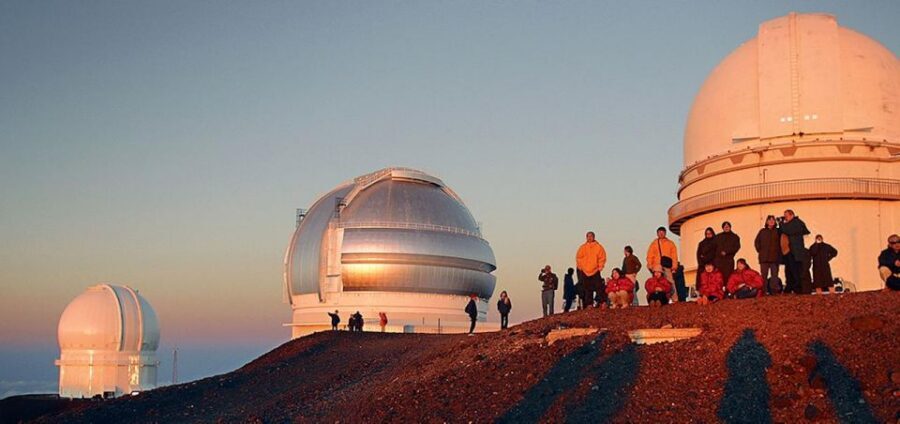
Mauna Kea sits high enough that the sky can look unreal once you’re in the right conditions. What I like about this tour is that it doesn’t try to cram in a dozen stops—it builds a straight line: summit views at sunset, then a guided star session. That structure makes the experience feel calmer, even when you’re watching the clock.
The small-group limit (up to 12) is practical. You’re not fighting for a view, and it’s easier for the guide to keep everyone together during the moving parts. For many people, that’s the difference between a fun astronomy outing and a chaotic late-night scramble.
If you're still narrowing it down, here are other tours in Kailua Kona we've reviewed.

Pickup, van ride, and the pacing of an 8-hour night
This is an 8-hour experience with hotel pickup and drop-off, which matters because Mauna Kea logistics can be a headache on your own. You’ll choose from multiple pickup spots around the Kona area, including major hotels like Courtyard by Marriott King Kamehameha’s Kona Beach Hotel, Four Seasons Resort Hualalai, and Kona Village, plus shopping areas like Queens’ Marketplace and Waikoloa Plaza. Drop-off mirrors those same locations.
On schedule, expect a van ride segment to get you moving toward the Mauna Kea area, then time at the visitor information point before summit time. The itinerary is timed tightly enough that you’ll want to be on time for pickup, even if you’re tempted to treat it like a “we’ll see” tour.
The night also involves elevation changes. The plan includes descending after sunset, which is a big deal for comfort and for how long you can actually enjoy the sky without feeling wiped out.
Visitor Information Station picnic: warmth, briefing, and an easy win
Before the summit, you stop at the Mauna Kea Visitor Information Station (Onizuka) for dinner and a picnic setup. The timing here is short but useful—about 45 minutes—because it gives you fuel and a moment to settle before you go higher and colder.
This is also where the tour’s “comfort-first” approach shows. You’re not relying on snack bars and hope. You get a picnic meal and you’ll be back for dessert later on, plus hot chocolate during the stargazing portion.
One practical point: bring warm basics that fit under your provided outer layer. You’ll want long pants and closed-toe shoes, and winter parkas and gloves are provided. Still, your personal warm layer matters because the summit and night air can be surprisingly harsh.
Mauna Kea summit at sunset: short window, big payoff
The summit moment is brief—around 35 minutes. That’s not a flaw; it’s the reality of doing a summit-based experience safely and on schedule. The upside is that you’re not stuck up there too long, and you get your best shot at the sunset without turning it into a freezing endurance test.
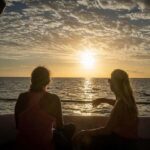
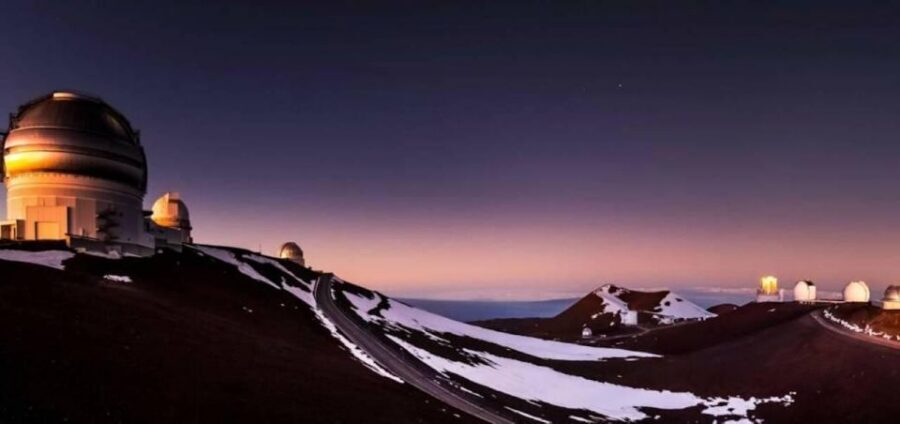
You’ll head up and enjoy the sunset from the top of Mauna Kea. The payoff here is the combination of height, darkness timing, and the dramatic shift in lighting as the sky transitions from daylight to starlight.
Weather can be a wildcard, and one big theme from guide-led experiences is that clouds don’t always ruin the night. Even when conditions look questionable earlier, you may still catch a glow at the top and a clear sky after moving to the right spot and waiting. The tour’s format is built to give you that “chance window.”
Telescope time and private star show: what you’ll actually see
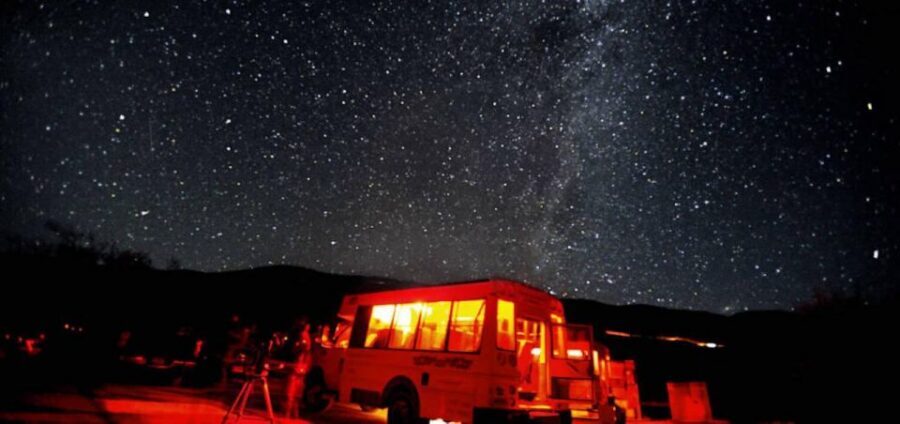
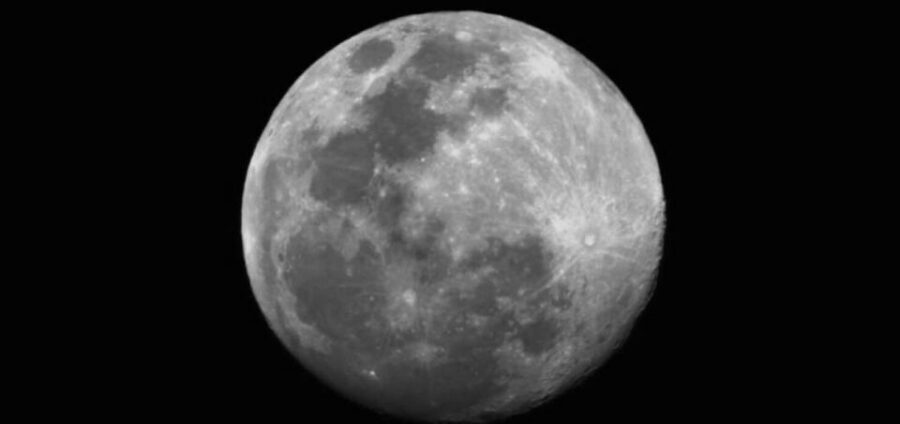
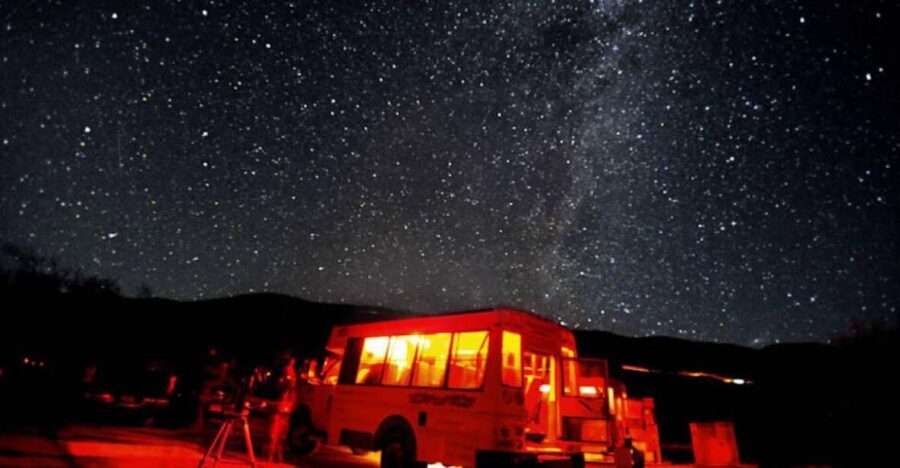
After sunset, you descend to a lower elevation and the sky show starts in earnest. This part is where the tour goes from pretty to genuinely educational. You’ll get hot chocolate and cookies and then a private-style star show using an 11-inch Celestron telescope.
This isn’t just “look at that.” The guide walks you through what you’re seeing, including Hawaiian context and the idea of star navigation. That’s a smart way to make constellations feel like something more than memorization. Even if you’re new to astronomy, the structure helps you connect the sky to meaning and local knowledge.
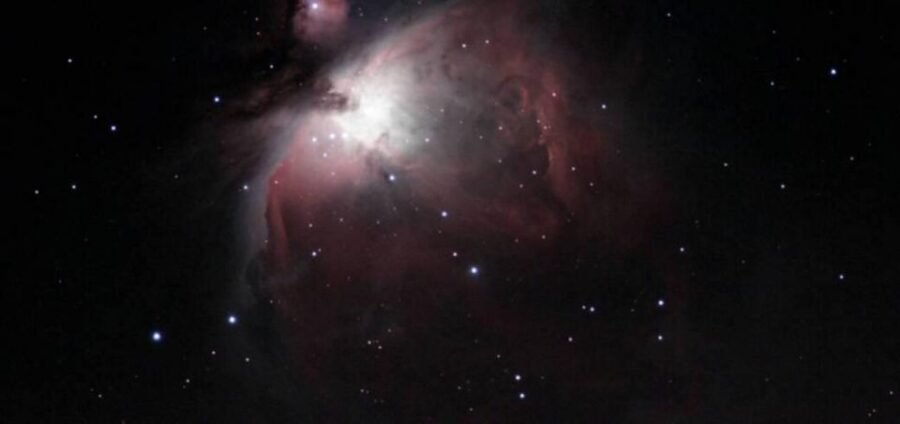
Deep space objects are also part of the program, using a digital telescope/astrophotography setup. That matters because many targets are hard to see with the naked eye. If you’ve ever tried to photograph stars and ended up with a dark mess, you’ll appreciate having a system built for capturing them.
One communication note from real-world experience: stargazing nights move fast, and guides may talk quickly even when they’re trying to explain clearly. If English isn’t your strongest language, it’s worth mentally preparing to focus on visuals and ask for clarification if you miss a point.
A few more Kailua Kona tours and experiences worth a look
Digital astrophotography scope: photos you can share
A standout included feature is that the tour uses a digital astro-photography scope and emails your images afterward. This is huge for value because you don’t have to rely on shaky phone photos or guesswork. You get an actual file you can share with friends and family.
You should still expect that results depend on conditions, like any astrophotography. But having a dedicated setup is the difference between “I saw the sky” and “I have something to show.”
Also, think about what you’ll do the next day: check your email and spam folder when you’re back in town. If you plan to post photos immediately, you’ll want that image delivery to line up with your schedule.
What the guide adds: star knowledge, pacing, and local context
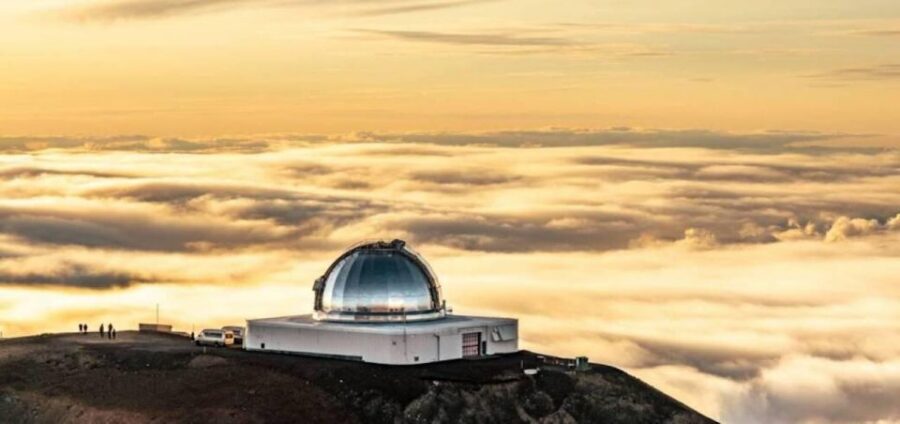
The guide is the engine of the experience, and the best parts are often the explanation, not just the telescope. Names that have come up in past guided nights include John, Jason, and Jeff, and guests have praised them for being patient, funny, and detailed about star patterns and island context.
In practice, a good guide does two things well:
- They help you know what you’re looking at before you lose the thread.
- They keep the group synced so you’re not waiting around in the dark.
If you’re hoping to learn basics first, this tour gives you enough structure that you can follow along even without an astronomy background. Still, if you like a head start, a quick review of basic star concepts before you go can make the explanation land even better.
Price and value: is $329 worth it?
At $329 per person for an 8-hour guided night with hotel pickup, picnic dinner, hot chocolate, and telescope/astrophotography included, the value comes from bundling. You’re paying for transportation, time at high elevation, and real equipment plus guide interpretation.
Could you DIY Mauna Kea stargazing cheaper? Sure, in theory. But DIY doesn’t usually include a scheduled summit window plus guided navigation context plus digital astrophotography. This tour is built for convenience and for getting the best shot at meaningful viewing.
The only caution on value is that you want to feel good about what’s included. One criticism that comes up with any specialized night tour is that the price can feel high if you expected a longer viewing session or more food/activities. If you want focused astronomy, a guided star show, and photos, the structure makes sense. If you’re mainly after a casual sunset photo stop, you might judge the pricing differently.
Who should book, and who should skip this altitude-and-night plan
This tour is not suitable for a wide list of people, including children under 13, pregnant women, wheelchair users, people with respiratory issues, people with heart problems, and anyone with recent diving activity within 24 hours. It’s also not for people with altitude sickness, people with high blood pressure, or people with a cold. If you fall into any of those categories, don’t gamble—choose a different Big Island activity and check with a medical professional.
On the “should book” side, this is perfect if you:
- Like guided learning and want context, not just views
- Want a small-group night with hotel pickup
- Care about stargazing visuals and included photo delivery
It’s also a good fit for couples and friends because the group size stays intimate. If you’re traveling with teenagers who can handle late-night conditions and cold, it’s an age-appropriate option at 13+—but under 13 isn’t allowed.
What to bring and wear for Mauna Kea cold
Your success here depends on clothing. Bring warm clothing, long pants, and closed-toe shoes. A reusable water bottle is a smart addition since hydration still matters even if you feel too cold to think about it.
The tour provides winter parkas and gloves, which is great. Still, wear warm socks or leggings under your pants so you’re not relying entirely on the outer layer. Keep it practical: no open-toed shoes, no smoking, no drones, and no alcohol or drugs.
Also remember this is a night outdoors with elevation. Skip the instinct to dress fashionably. Dress to stay comfortable for the telescope time and the dark-sky waiting.
Should you book Big Island Mauna Kea Summit, Stargazing & Dinner?
Book it if you want a structured Mauna Kea night with hotel pickup, warm food, real telescope viewing, and digital astrophotography photos afterward. The format is efficient, and the small-group size keeps the experience focused on the sky, not on logistics.
Skip it or pick something gentler if health and altitude concerns apply to you, or if you know you struggle with cold. And if you’re sensitive to fast-paced explanations, plan to lean on visuals and ask for slower clarification when needed.
If you’re chasing one Big Island memory that feels totally different from beach day, this is a strong bet. The sunset is only part of the story. The real win is having a guide, equipment, and a plan that turns the night sky into something you can actually understand and take home.
FAQ
How long is the Mauna Kea Summit, Stargazing & Dinner tour?
The tour runs for about 8 hours.
Is hotel pickup and drop-off included?
Yes. The experience includes hotel pickup and drop-off with multiple pickup and drop-off locations around the Kona area.
What’s included with the stargazing portion?
You’ll have a hot chocolate stop and a private star show using an 11-inch Celestron telescope, plus deep space viewing with a digital astro-photography scope.
What should I bring and wear?
Bring warm clothing, long pants, closed-toe shoes, and a reusable water bottle. The tour provides winter parkas and gloves.
Are children allowed?
Children under 13 are not suitable for this tour.
Is it refundable if my plans change?
Yes. Free cancellation is available up to 24 hours in advance for a full refund, and you can reserve now and pay later.