REVIEW · BIG ISLAND OF HAWAII
Go Surf Hawai’i (Kona Coast)
Book on Viator →Operated by Jared Carman · Bookable on Viator
Surf lessons here start with calm confidence. This small-group Kona surf lesson is built for first-timers and skill upgraders, with a coach who adjusts the plan to you and keeps the whole session relaxed but focused.
I like two things most: all the surf gear is provided (including a soft-top board and rash guard), and the instructor coaching includes step-by-step dry-land practice before you hit the water. The main thing to consider is that it depends on surf conditions, so if the ocean is flat or unsafe, your session can change (and in some cases you may need to reschedule).
In This Review
- Key things worth knowing before you go
- Kona Surf Lesson With a Tiny Group (4 max)
- Where You Meet and How the 90-Minute Session Flows
- The Coaching: From Dry-Land Balance to First Pop-Ups
- The Beginner-Friendly Break and Getting Wave After Wave
- Gear, Photos, and Those Small Extras That Help
- Safety, Fitness, and Who This Lesson Suits Best
- What You Leave With: Ocean IQ and Local Kona Surf Wisdom
- Should You Book Go Surf Hawai’i on the Kona Coast?
- FAQ
- How long is the Go Surf Hawai‘i Kona Coast experience?
- Is the tour offered in English?
- Where do we meet for the lesson?
- Is surf gear provided?
- Is a photographer included?
- What group size should I expect?
- Can first-time surfers join?
- Is there an age requirement for kids?
- What fitness level do I need?
- What happens if the weather or ocean conditions are poor?
Key things worth knowing before you go
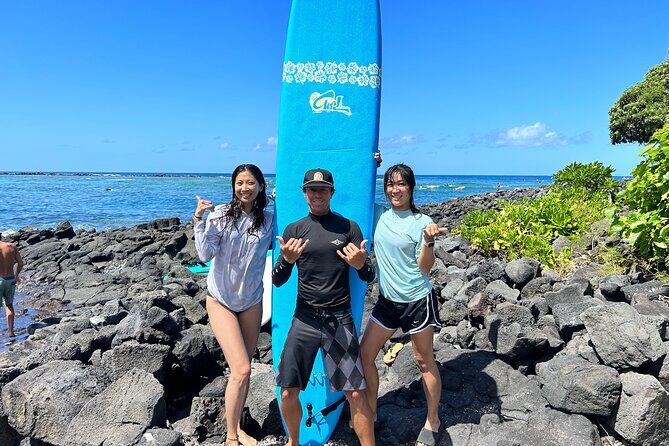
- Only 4 travelers max, so you get real time coaching instead of waiting in line
- Coaching is customized to your level, from brand-new paddling to better turns and standing balance
- Step-by-step instruction on land helps your body learn before you’re trying to do it all at once
- Beginner-friendly break selection aims you at mellow waves where you have a shot to catch rides
- Optional photography is available through a freelance photographer, but timing can vary by conditions
Kona Surf Lesson With a Tiny Group (4 max)
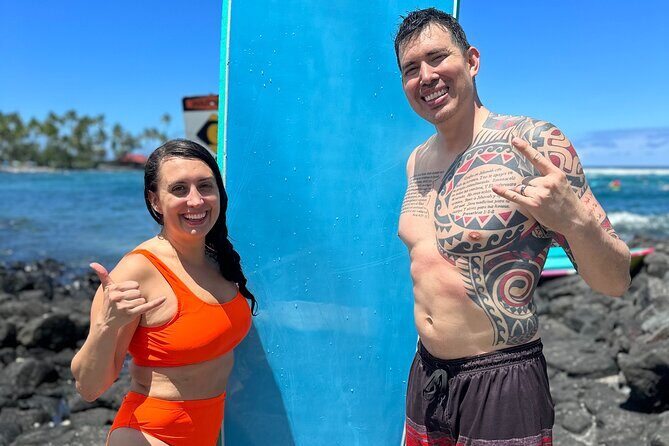
If you’ve ever pictured yourself surfing and thought, Yeah… but where do I even start, this format makes a difference. Go Surf Hawai’i on the Kona Coast keeps the group to no more than four. That small number changes everything: more time on the board, more direct corrections, and less of the awkward watching-others-waiting-for-your-turn vibe.
It’s also a confidence booster. Surf can feel intimidating until someone breaks it into bite-sized moves. Here, you’ll get a “do this, then this” approach that’s designed to reduce panic. Coaches you might meet include Jared Carman and instructors like Jace and Rory, and the overall teaching style is consistent in the feedback: patient, clear, and tuned to each person.
The Kona setting is part of the appeal too. You’re learning in one of the most scenic parts of the island, with ocean views and that classic Big Island feel. It turns a random activity into a real moment—one you can build on after the lesson.
If you're still narrowing it down, here are other tours in Big Island of Hawaii we've reviewed.


Where You Meet and How the 90-Minute Session Flows
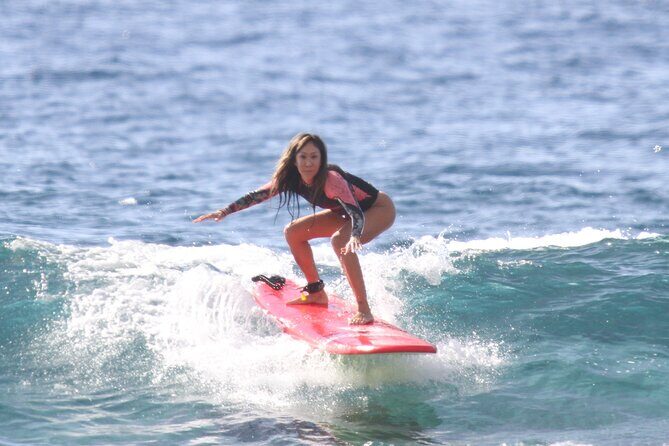
The lesson starts at 78-6680 Ali‘i Dr, Kailua-Kona and ends back at the same meeting point. It’s close to public transportation, which is handy if you don’t want to fight parking or rides for a 1.5-hour activity.
From there, the session usually moves in a logical arc:
First comes gearing up. You’re set with a soft-top board and a rash guard, so you can focus on technique without worrying as much about sunburn or handling a finicky board. There’s an important mindset shift here: soft-tops are designed for learning, which means more attempts and fewer “I can’t even stand” moments.
Then you shift to land-based coaching. You’ll work on fundamentals like balance and the motions for paddling and pop-up technique. This part matters more than people expect. When you hit the water, your body is already running the plan you practiced on shore.
Next comes the water time at a mellow, beginner-friendly break. Your instructor helps you time the paddle, get the board positioned, and find where your energy should go. The goal isn’t fancy tricks—it’s catching waves, learning how to repeat the basics, and leaving with enough confidence to keep practicing.
Finally, you wrap up back at the meeting point with insider tips—where to surf next, where to eat, and where to explore beyond the usual tourist path. That last part is small but useful. Many lessons end when the session ends. This one tries to leave you set up for the next day.
The Coaching: From Dry-Land Balance to First Pop-Ups
The standout here is the mix of instruction modes. You don’t just get yelled-out corrections after you fall. You get step-by-step coaching on land first, then real-time help once you’re in the water.
Here’s what that usually looks like in practice:
- Paddle technique: how to get the board facing the right way and how to move your body efficiently
- Pop-up mechanics: where your hands go, how to get your feet under you, and how to avoid that classic wobble
- Balance and stance: what your shoulders and hips should be doing when you’re standing
- Wave-reading basics: how to spot the right moment to go, not just chase whatever comes next
You’ll likely get little technical cues—things that seem simple until you try them. For example, feedback might focus on body angles, turning direction, or how to shift your weight so you’re not stuck riding straight into trouble.
In the learning stories you’ll hear from other people, the pattern is clear: instructors are patient, they explain in a way that makes sense, and they adjust when you’re not getting it. A first-timer might need calming reassurance and a slower progression. Someone who already surfs might need tweaks to turn timing or wave positioning. The lesson is designed to meet both types.
For kids, the teaching still follows the same logic. One notable detail: private lessons are required for keiki under nine. If you’re traveling with younger children, plan accordingly so you don’t show up expecting group instruction that won’t fit their age requirement.
The Beginner-Friendly Break and Getting Wave After Wave
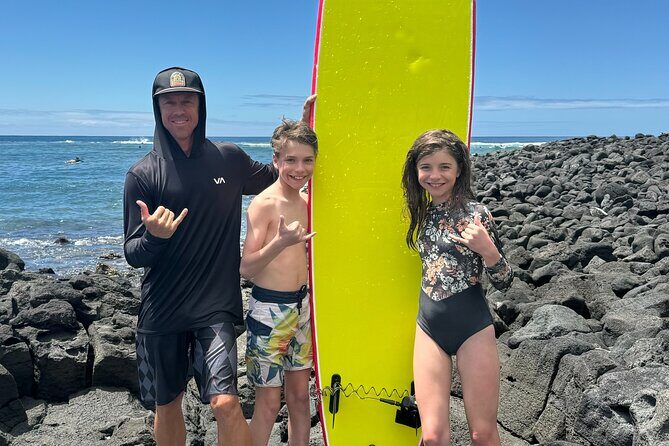
A lesson is only fun if you can actually succeed. That’s why this program aims for a beginner-friendly break where conditions are more forgiving and your chances of catching waves are higher.
The instructor doesn’t just hand you a board and point. You’ll get guidance on timing and technique as you paddle out. On a flat day, beginners still need to know what they’re looking for; otherwise you waste effort and start doubting yourself. In feedback from past sessions, instructors have handled different conditions by keeping the energy steady and helping students still get good attempts.
Also, think about the water goals realistically. For first-timers, success usually means catching a wave, standing even once or twice, and feeling the rhythm of paddle → pop-up → balance. For more experienced surfers, success might mean standing with better control and using clearer turning cues.
Either way, the small-group size helps because you aren’t waiting for long stretches. More attempts means more feedback, and more feedback means you improve faster in that 1.5-hour window.
Gear, Photos, and Those Small Extras That Help
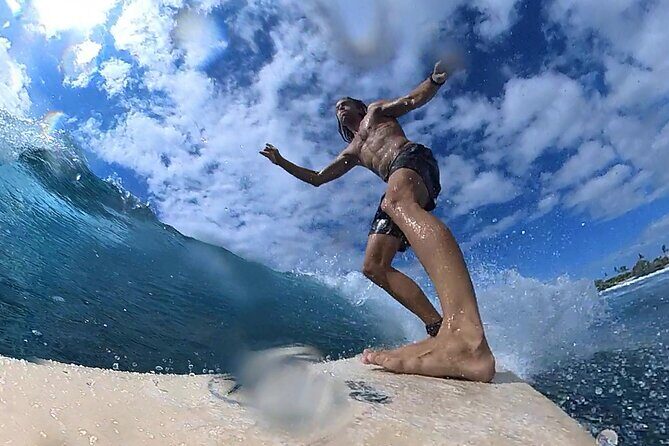
You don’t need to bring your own board. You get all gear, plus a rash guard and soft-top board setup designed for beginners. That’s value because it removes two common trip headaches: figuring out what to rent and worrying about gear quality.
Photography is another nice option. There’s a freelance photographer who can capture your session, but availability can vary. If photos matter to you—especially for kids’ first rides—ask ahead or let the team know you want to line it up. You’ll get the best results when you’re focused on surfing instead of trying to hold your phone and timing shots.
What about comfort? The rash guard helps with sun and makes it easier to stay relaxed. And based on what people have described after the lesson, there’s often a satisfying finish: a refreshing coconut drink as a fun local touch. It sounds small, but after time in the ocean, a cold drink feels like the right kind of reward.
One more practical tip: if you’re prone to cold right after getting out, bring something warm for the ride back to Kailua-Kona. That part isn’t listed as included, so plan like you would for any water activity—layer up after you’re done.




Safety, Fitness, and Who This Lesson Suits Best
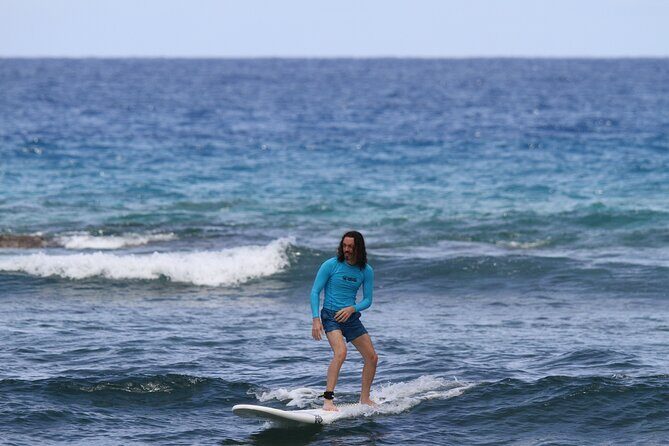
You don’t need to be an athlete to go. The program lists moderate physical fitness as a reasonable requirement. That usually means you should be comfortable swimming and ready for paddling effort, getting up on a board, and handling the ocean’s ups and downs for about 1.5 hours.
It also helps to understand what kind of surfing day this is. This is not a high-performance training camp. It’s a learning session built to keep you safe, moving, and progressing. In feedback, instructors are described as calm, patient, and attentive to safety.
Who this fits well:
- True beginners who feel nervous and need clear steps
- Families with kids and teenagers who want everyone to get enough time in the water
- Couples who want an experience they can both share without one person feeling left out
- Intermediate learners who want form tweaks and better wave-reading basics
One travel note: the session is near public transportation, so you can plan without relying completely on a car—though you’ll still want a simple plan for getting to Ali‘i Drive on time.
If you’re traveling with keiki, remember the under-nine private lesson requirement. For kids older than that, the group format works well because instruction time scales with the small group size.
What You Leave With: Ocean IQ and Local Kona Surf Wisdom
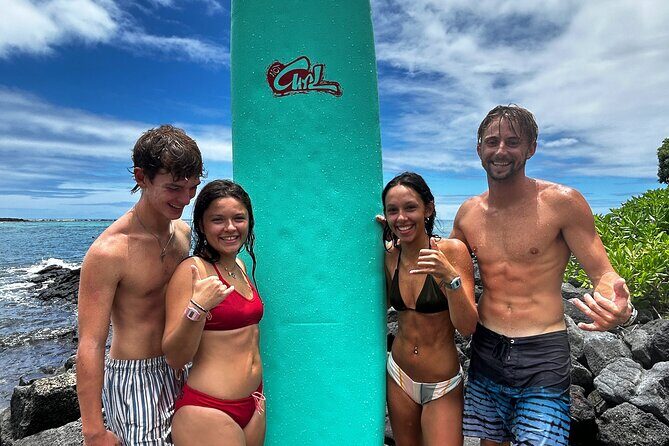
A big part of why people recommend this lesson is what happens after the last wave. You’re not just leaving with sore legs. You’re leaving with pro tips for your next session.
That tends to include:
- where to surf next (and what to avoid as a beginner)
- where to eat and what areas are easier to explore than the typical tourist loops
- how to think about conditions so you’re not guessing when the ocean looks different day to day
One reason this matters is that surfing is local. What works in one bay at one tide might be frustrating on another day. When someone gives you practical “how to pick a spot” guidance, you save time and reduce the chance you waste a day trying something that isn’t beginner-friendly.
Another thing people highlight is the feeling of being taught, not just guided. Coaches help you understand the why behind the basic technique—so you can repeat it later. Even if you only catch a couple waves in the beginning, you walk away with a mental checklist you can use for practice.
Should You Book Go Surf Hawai’i on the Kona Coast?
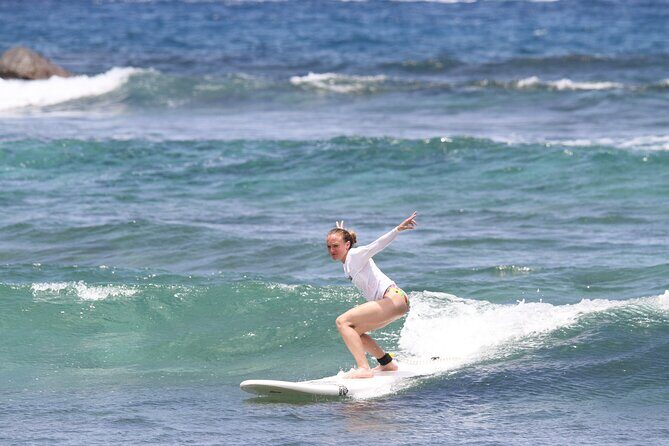
Book it if you want a surf lesson that prioritizes success for beginners, calm instruction, and enough personal attention to actually improve during the session. The tiny group size and step-by-step coaching make it a strong value choice, especially if you’re traveling with family or someone who’s nervous about the ocean.
Consider skipping or planning differently if:
- you’re expecting a long, freestyle-style surf day rather than a structured beginner-to-balance lesson
- you’re traveling with a child under nine and need a private setup
- you’re only available on a day when surf conditions might be poor, since the experience depends on weather and ocean conditions
If you want an activity that feels both Hawaiian and genuinely practical—learn the basics, catch real waves, then take a smart plan for what to do next—this is a solid pick for Kona.
FAQ
How long is the Go Surf Hawai‘i Kona Coast experience?
It lasts about 1 hour 30 minutes.
Is the tour offered in English?
Yes, it’s offered in English.
Where do we meet for the lesson?
The meeting point is 78-6680 Ali‘i Dr, Kailua-Kona, HI 96740, USA.
Is surf gear provided?
Yes. All gear is provided, including a soft-top board and a rash guard.
Is a photographer included?
A freelance photographer can capture your session, but availability varies. Let the team know if you want photos.
What group size should I expect?
The experience is limited to a maximum of 4 travelers.
Can first-time surfers join?
Yes. The lesson is designed for beginners, with instruction focused on paddling, pop-ups, and balance.
Is there an age requirement for kids?
The experience notes that private lessons are required for keiki under nine.
What fitness level do I need?
You should have a moderate physical fitness level.
What happens if the weather or ocean conditions are poor?
The experience requires good weather. If it’s canceled due to poor weather, you’ll be offered a different date or a full refund. Free cancellation is available up to 24 hours in advance for a full refund.