REVIEW · BIG ISLAND OF HAWAII
Hawaiian Rainforest Banana Cultivation Experience
Book on Viator →Operated by Paradise Unplugged · Bookable on Viator
Bananas grow on 800-year-old lava. On the east side of the Big Island, Jason and Nicki bring you into their Hawaiian rainforest setup to learn how apple bananas are cultivated on their off-grid property. What I like most is the hands-on part: you get to propagate live trees, harvest fruit, cut down a fruit-bearing stalk, and see the edible core up close.
Small-group pacing helps too. With a maximum of 6 people and an English-led format, you’re not just walking and listening; you’re doing the work alongside the people who run the place. One consideration: expect real farm footing on exposed lava rock, so you’ll want sturdy shoes and a willingness to get a little dirty and hands-on.
In This Review
- Key highlights you should know
- Where You Start: Jungle King Avenue and Lava-Rock Footing
- Touring 1 Acre of Apple Banana Trees on the East-Side Big Island
- Propagating Live Trees: Turning Learning into a Skill
- Harvesting and Cutting the Inner Stem/Core Up Close
- The Green Banana Treat: Core Tasting, Tea, and Flavor Lessons
- Price and Value: Why $75 Can Make Sense Here
- Who Should Book This Banana Cultivation Experience
- Should You Book It?
- FAQ
- How long is the Hawaiian Rainforest Banana Cultivation Experience?
- Where does the tour start?
- How much does it cost?
- What language is the tour offered in?
- Is this a small group tour?
- Can I bring a service animal?
- Is the tour suitable for kids or families?
- Is there free cancellation?
Key highlights you should know
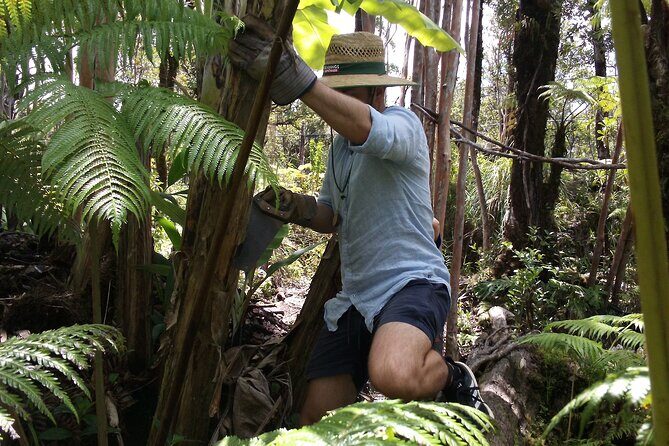
- Ancient lava-flow setting: their property sits on an 800-year-old lava flow, in the Hawaiian rainforest.
- Over 200 apple banana trees on a 1-acre collection, plus other tropical plants.
- Propagation practice: you get a real chance to propagate live trees.
- Harvest and cut-open experience: you’ll harvest fruit and examine the inner stem/core.
- Green banana tea at the end: a final taste that many people find surprisingly good.
Where You Start: Jungle King Avenue and Lava-Rock Footing
Your experience begins back where you start, at Jungle King Avenue, Fern Forest, HI 96778. The tour lasts about 2 hours, and it’s led in English, in a small group capped at 6. That small cap matters more than it sounds, because the activities are physical and hands-on.
Come prepared for the ground. One review tip that keeps showing up is the need for solid footwear: the terrain includes exposed lava rock. Even if the route is short, lava rock footing can be slippery when wet and uneven underfoot. I’d treat this like a light hike plus farm work, not like a stroll through a garden.
Also plan your energy level. You’ll be walking through a tropical growing area, and you’ll do tasks connected to cultivation and harvest. If you’re looking for a purely scenic, sit-and-watch experience, this won’t match that vibe. If you want to understand how cultivation actually works, you’re in the right place.
If you're still narrowing it down, here are other tours in Big Island of Hawaii we've reviewed.
Touring 1 Acre of Apple Banana Trees on the East-Side Big Island
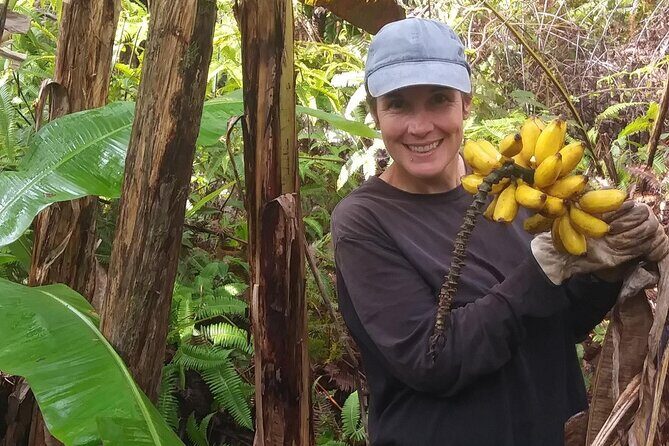
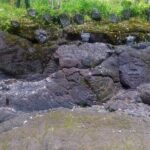
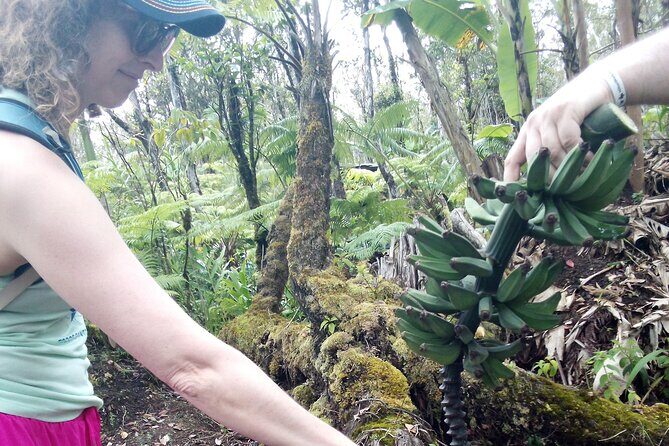
The core of the tour is a guided walk through 1 acre of apple banana trees. The property sits in the Hawaiian rainforest on the east side of the Big Island, which means the setting feels lush and humid compared with many drier parts of the island. The farm itself is built on an 800-year-old lava flow, giving you a dramatic sense of how agriculture can take root in volcanic terrain.
You’ll see over 200 apple banana trees in the collection, along with other tropical plants. That “along with” part is more useful than it sounds: it helps you connect banana growing to a whole system of living plants rather than treating bananas like isolated, packaged produce.
During this walk, you’ll hear about their planting and cultivation techniques. I like this approach because it turns a banana into a lesson: where bananas come from, what they need, and how growers manage a working crop in real conditions. The hosts, Jason and Nicki, come across as approachable and personable, and the tone is more like a conversation with experienced farmers than a lecture.
Propagating Live Trees: Turning Learning into a Skill
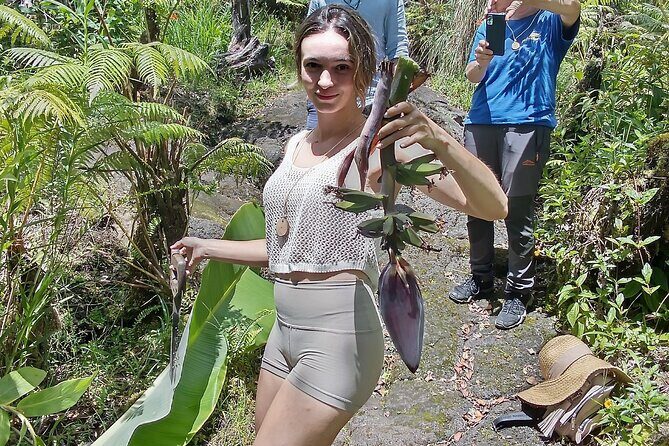
A big reason this tour gets such strong marks is that you don’t just observe. You get hands-on practice propagating live trees. In plain terms, propagation is how growers create more plants from living material, and it’s a key skill if you’re serious about fruit growing.
This part is valuable for you even if you never plant bananas at home. Why? Because it teaches you how growers think in cycles: start with living tissue, nurture new growth, and plan for what comes next. Most banana stories online focus on the fruit. This experience pulls you back to the earlier stages that make the fruit possible.
It also changes the whole energy of the tour. You’ll be focused on a task, not just watching someone else do it. And with a max group of 6, it’s easier to actually participate instead of standing around.
If you’re traveling with kids, this section can be a standout. One review described it as great for curious kids of any age. The hands-on aspect is the reason: people can ask questions while doing something physical, and it gives them a tangible way to connect banana farming to real life.
Harvesting and Cutting the Inner Stem/Core Up Close
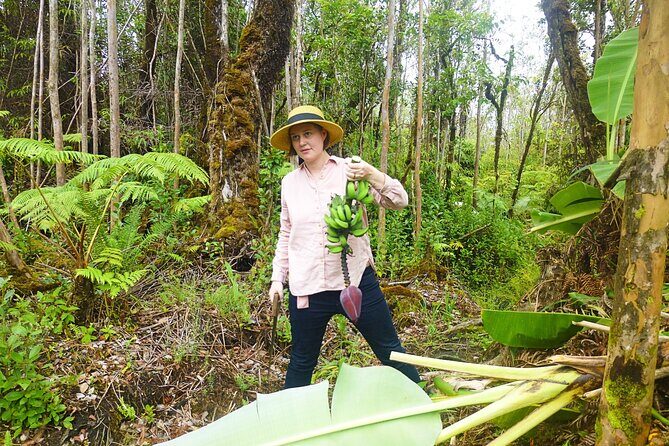
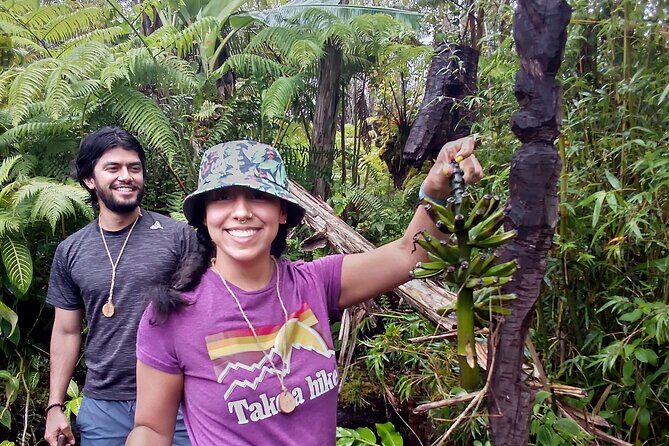
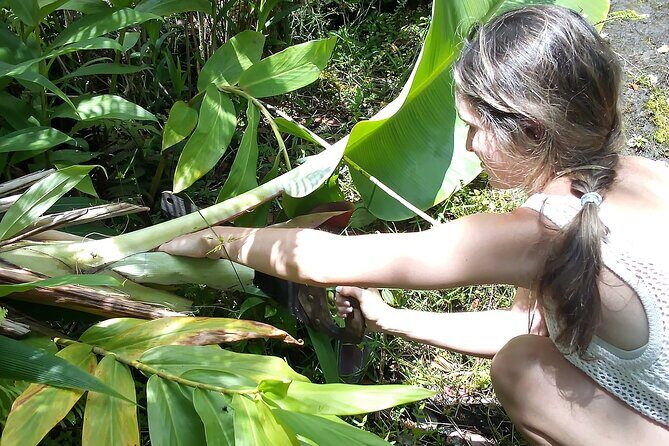
Here’s where things get truly practical. After you learn about cultivation, you move into the fruit side of the experience with harvesting from the banana collection. You’ll also get to cut open the inner stalk to examine the core, which is described as edible.
One detail you should understand going in: once a banana tree bears fruit, it must be cut down. That’s not a scary twist; it’s part of how banana growth works, and it’s part of why growers manage plantations the way they do. This tour lets you do the cutting, which means you’re not just hearing about the lifecycle—you’re watching it and participating in it.
That can be memorable in a good way. It also means the tour is for people who are comfortable with real farm tasks. If you hate the idea of cutting plants or you only want soft, petting-zoo-style experiences, this section may feel too direct. But if you want to learn the true rhythm of banana cultivation, it’s one of the most educational parts you’ll find on the Big Island.
Practical tip: pay attention during the safety and handling instructions. Even with a short walk, you’ll be working with cut material and plant parts. Good shoes help here too, because lava rock footing plus active work is a bad combo if you’re wearing flimsy footwear.
The Green Banana Treat: Core Tasting, Tea, and Flavor Lessons
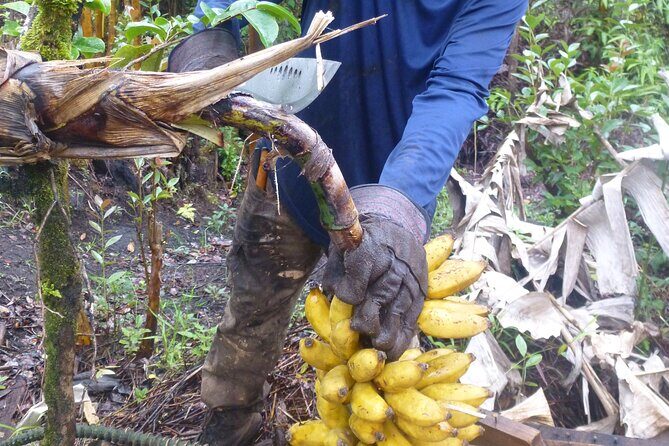
After harvest, you’ll get to sample green bananas and drink green banana tea. This is another reason the reviews are so enthusiastic: people often expect green banana flavors to be harsh or plain, and then the experience reframes it.
The tea is especially worth the hype in your decision-making. One review specifically called out that trying the tea at the end is better than you would think. I’d plan to treat the tasting like a small experiment: notice texture, bitterness, or sweetness, and think about how growers and cooks use unripe fruit.
You may also hear about other ways bananas show up in the hosts’ world. One review mentioned fried green bananas, plus viewing art and receiving a handmade necklace. Those extra touches might not be guaranteed every day, but they fit the overall feel: this isn’t a factory tour. It’s a working property with personality.

Price and Value: Why $75 Can Make Sense Here
At $75 per person for about 2 hours, this isn’t the cheapest thing on the island. But the price starts to make sense once you match cost to what you actually do.
Here’s what you’re paying for:
- A small group (maximum 6), which supports real participation.
- Hands-on activities: propagation, harvesting, cutting open the inner stalk/core, and cutting down a fruit-bearing stalk.
- A specific crop focus: apple bananas, grown on the east side of the Big Island, in a rainforest environment on ancient lava.
- Food and drink included: green banana sampling and green banana tea.
Many tours in Hawaii give you a lot of time looking and not much time doing. This one flips that. If you’re the type who enjoys learning by working—hands on dirt, plant parts, and cultivation basics—then $75 feels fair. If you prefer to keep your vacations low-effort, it might feel pricey for a short walking experience.
Also worth noting: it’s booked an average of 27 days in advance. That’s a sign of real demand, likely driven by the small-group structure and the hands-on format. If your dates are fixed, you’ll do yourself a favor by booking earlier rather than assuming you can grab it last minute.
Who Should Book This Banana Cultivation Experience
This experience fits best if you:
- want real farm knowledge, not just photos of banana plants
- enjoy hands-on activities and don’t mind getting involved in cutting/harvesting steps
- like the idea of seeing farming shaped by an 800-year-old lava flow setting
- are traveling with kids who get curious when they can touch and try
It’s also a good pick if you love the Big Island for its practical side: off-grid living, local growing, and how nature works when humans try to work with it.
Who might pass?
- People who want a low-movement experience with minimal plant handling
- Anyone uneasy about cutting down a fruit-bearing banana stalk (it’s part of the process here)
Should You Book It?
I’d book this if your ideal Hawaii activity mixes agriculture, education, and hands-on doing. The big strengths are the close-up banana lifecycle experience and the surprisingly satisfying finish with green banana tea. With a maximum group size of 6 and a clear focus on apple bananas, it feels personal and practical instead of generic.
I’d skip it if you only want scenic downtime or if exposed lava-rock footing and active tasks are not your thing. But if you’re the kind of person who wants your vacation to teach you something you can actually explain later, this is one of the more worthwhile banana experiences you can plan for on the Big Island.
FAQ
How long is the Hawaiian Rainforest Banana Cultivation Experience?
It runs for about 2 hours.
Where does the tour start?
The tour starts at Jungle King Avenue, Fern Forest, HI 96778, USA and ends back at the meeting point.
How much does it cost?
The price is $75.00 per person.
What language is the tour offered in?
The experience is offered in English.
Is this a small group tour?
Yes. The maximum group size is 6 travelers.
Can I bring a service animal?
Service animals are allowed.
Is the tour suitable for kids or families?
The experience is described as great for curious kids of any age, and it notes that most travelers can participate.
Is there free cancellation?
Yes. You can cancel up to 24 hours in advance for a full refund.