REVIEW · BIG ISLAND OF HAWAII
Hilo Waterfall Hike and Swim with Native Hawaiian
Book on Viator →Operated by Christian Kealohapauʻoleokeali’iahokulaninuiākea Phillips · Bookable on Viator
Waterfalls with names you can say. On this Hilo Waterfall Hike and Swim with Native Hawaiian, Christian Kealohapauʻoleokeali’iahokulaninuiākea Phillips weaves ʻŌlelo Hawaiʻi (Hawaiian language learning) and genealogy into a walk through Wailoa, Akaka Falls, Waiānuenue Falls, Waiale Falls, and Wailima Falls.
I love the small group feel (max 5), because it makes the stories easy to follow and easy to ask questions. The one consideration: this is a real hike with water time, so plan on moderate physical fitness.
In This Review
- Key things I’d bet you’ll remember
- Why this Hilo waterfall day is more than a hike
- Your 10:00 AM plan through Hilo’s waterfall stops
- Stop-by-stop: what each waterfall adds to the lesson
- The swim: why the water time matters
- Christian’s teaching style and why it earns the top marks
- Price and value: what $200 buys on Big Island time
- Who this tour fits (and who might want a different plan)
- Booking check: should you do this one?
- FAQ
- Where does the tour start?
- What time does the experience begin?
- How long is the tour?
- How much does it cost?
- How many people are in the group?
- Which waterfalls and water areas are included?
- Is Hawaiian language learning part of the experience?
- Is swimming included?
- What kind of ticket do I get?
- What is the cancellation policy?
Key things I’d bet you’ll remember
- Genealogy + oratory as the guide for how you see each waterfall and place name
- ʻŌlelo Hawaiʻi language practice tied to real locations in Hilo
- Endemic plant names and local environmental processes explained as you go
- A max of 5 people, so the day doesn’t feel like a bus tour with facts
- Swimming at the falls is part of the experience, not just a photo stop
Why this Hilo waterfall day is more than a hike
Most waterfall tours in Hawaiʻi feel like sightseeing with a soundtrack. This one is different because it treats the land like a story you can read. You’re not only looking at water and rock. You’re learning how Hawaiians remember connections to nature—through place names, plant names, and the “how and why” behind environmental life around Hilo.
The heart of the experience is the way Christian uses oratory and genealogy to frame what you’re seeing. Instead of tossing facts at you, he ties the meaning of names to the people who carried those stories, and to the land processes that keep everything going. That’s where the “world saving knowledge” idea makes sense. It’s not preachy. It’s practical: when you understand how the islands function and what the names mean, you tend to care a lot more about protecting them.
You’ll also notice how fun the day is. The reviews highlight Christian’s passion and the way he mixes island history, politics, local botanicals, foods, and waterfalls into one flowing conversation. In other words, you’re not zoning out while the group waits. You’re getting a reason to pay attention.
One more detail that matters: the tour is capped at 5 travelers, so you’re less likely to feel rushed or lost in the shuffle.
Other waterfall tours in Big Island of Hawaii
Your 10:00 AM plan through Hilo’s waterfall stops
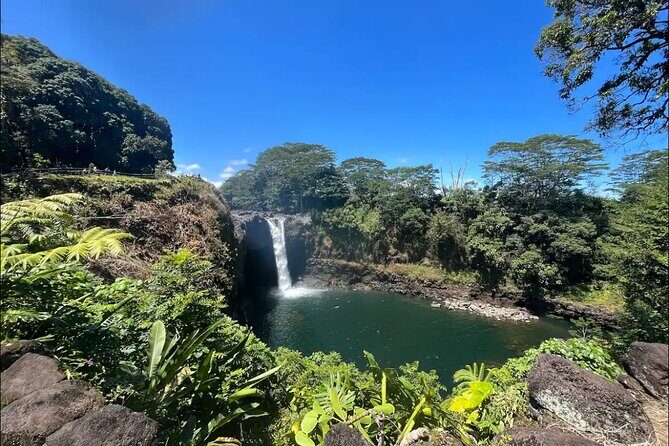
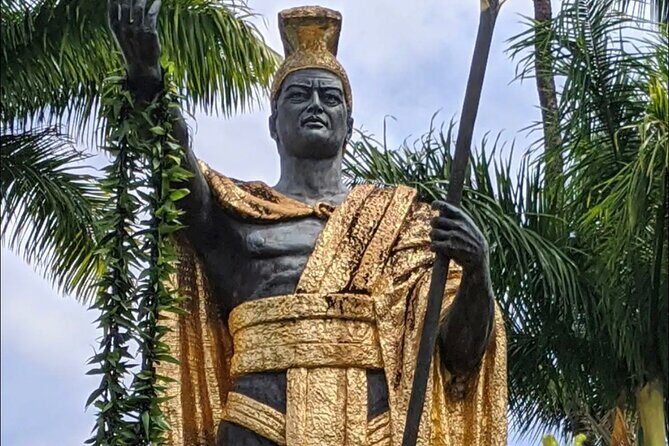
The day starts at 10:00 am and runs about 4 to 5 hours. You meet at Kamehameha The Great, 774 Kamehameha Ave, Hilo, HI 96720, and the experience ends back at the same meeting point.
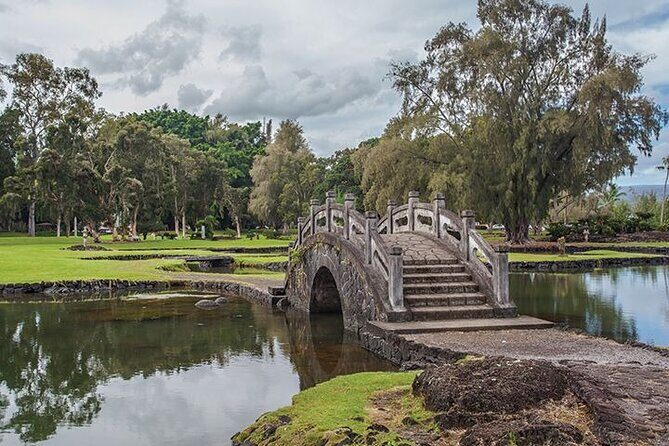
The route is built around the waters and waterfalls in the Hilo area: Wailoa, Akaka Falls, Waiānuenue Falls, Waiale Falls, and Wailima Falls. The tour description frames it as exploring the district of Hilo through these places, so you’re meant to connect what you hear to what you see—rather than just checking off scenic stops.
Because the pace and movement matter here, the moderate fitness note isn’t a throwaway line. You should expect hiking plus time around the falls, with water activities included. If you’re comfortable walking at a steady pace and staying focused while you’re in and near water, you’ll probably enjoy this a lot more.
Also, the logistics are refreshingly simple. You’ll have a mobile ticket, and the meeting location is near public transportation. That helps if you don’t want to fight for parking or drive for every tiny hop.
Stop-by-stop: what each waterfall adds to the lesson
The best way to understand this tour is to think of each waterfall as a “chapter.” The guide keeps returning to names, relationships, and environmental process—so you’ll likely feel like the day builds, instead of feeling repetitive.
Wailoa
This is where the story gets grounded. You start with the waters of Wailoa and the local context of Hilo’s water paths. You’ll learn how place names relate to the land, and how that naming connects people to the natural world. If you like the feeling of starting at the beginning, Wailoa sets that tone.
Akaka Falls
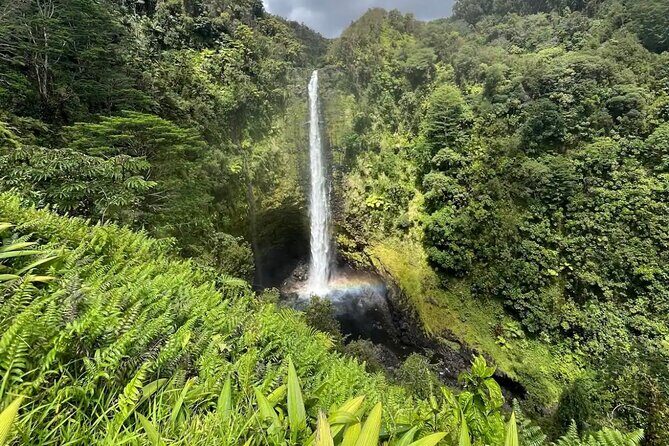
Akaka Falls becomes a lesson in how a landmark can carry meaning. Expect the guide to connect what you see—water and surrounding ecology—to endemic plant names and the environmental processes that support life. This is a good stop for anyone who likes learning how the natural world works, not just what it looks like.
Waiānuenue Falls
Waiānuenue is part of the sequence that keeps the day moving through different names and meanings across Hilo. The language learning and place-name focus continues here, so even if you’re not fluent in Hawaiian, you’re getting practice hearing the words and linking them to a real place.
Waiale Falls
By the time you reach Waiale Falls, the experience usually clicks into place. The storytelling isn’t just background anymore. It’s a framework that helps you notice details—plant references, the logic of how water shapes life, and the bigger idea that connections to nature are woven into daily values and community memory.
Wailima Falls
The final waterfall stop is where the tour’s purpose feels clearest. This is where you’ll likely feel the theme of love of the land becoming more than a slogan. With the earlier stops behind you, Wailima lands as a closing chapter: everything you learned about names and connections now ties back to why people protect what they remember.
The swim: why the water time matters
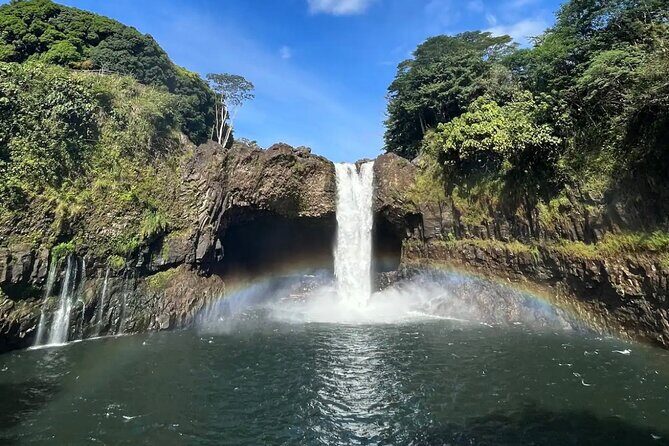
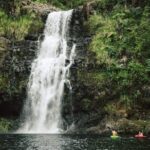
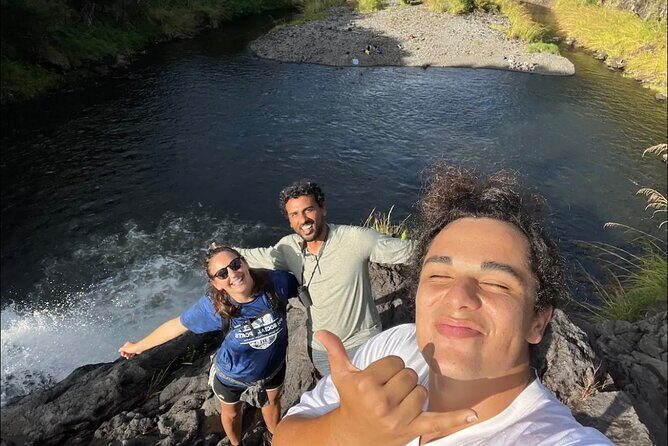
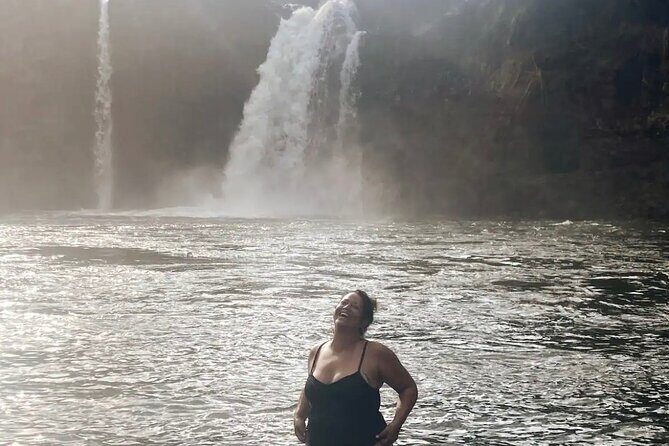
The title doesn’t hide it: you’ll explore and swim in the waterfalls of Hilo. That changes the tone of the day. When you’re actually in the water, the lessons feel less abstract. You can’t just admire from a distance—you experience the environment directly.
I like that the swim is part of the cultural and environmental learning, not a separate “adventure moment.” The guide’s focus on place names, plant life, and environmental processes tends to make the water feel like a relationship, not a prop. You’re learning how the island sustains life, and then you’re literally sharing part of that ecosystem experience.
Practical note: this is a moderate-fitness activity with water involved, so plan for that reality. You’ll be dealing with wet conditions and uneven terrain around waterfalls. Go in with a steady mindset, follow the guide’s direction, and you’ll have a better day.
Christian’s teaching style and why it earns the top marks
The reviews are loud about one thing: Christian’s passion and knowledge. But what stands out isn’t just how much he knows. It’s how he connects the dots. You’re not only hearing island history. You’re hearing how history, politics, local botanicals, foods, and waterfall stories connect to today’s values.
That matters because it makes learning feel like it belongs in the real world you’re standing in. A lot of tours give you separate chunks: a history stop, then a photo stop, then a snack stop. Here, the guide keeps returning to a theme: Hawaiʻi’s unique way of remembering connections to nature.
In a group of up to 5, that teaching style also becomes more personal. You’re less likely to get lost, and you’re more likely to ask follow-up questions when something grabs your curiosity—like why a place name exists, or how endemic plants relate to the local water system.
If you enjoy guides who can explain and also make the day fun, this one seems built for you.
Other hiking tours in Big Island of Hawaii
Price and value: what $200 buys on Big Island time
At $200 per person, this isn’t the cheapest thing on the Big Island. But it also isn’t just a generic waterfall shuttle. You’re paying for a focused guided experience that includes:
- A small group size (max 5)
- Language learning in the form of ʻŌlelo Hawaiʻi
- Active exploration with water and swimming
- A guide who brings in island history, politics, local botanicals, foods, and waterfall interpretation
The itinerary also shows admission ticket free for the Hilo stop, which suggests you’re not paying extra entry fees on top of the tour price. That makes the $200 feel more like what you’re actually buying: the time, teaching, and guided access to the experience.
One more value signal: the tour gets booked about 64 days in advance on average. That doesn’t guarantee anything, but it hints that people find the concept compelling enough to plan ahead.
Who this tour fits (and who might want a different plan)
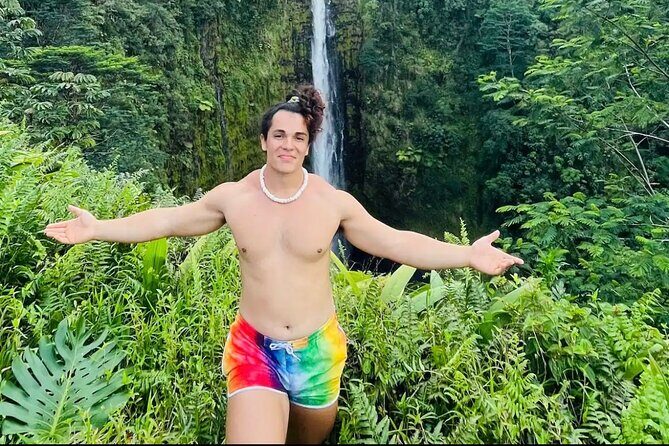
This experience fits best if you want more than photos and pretty water.
You’ll probably be a great match if you:
- Enjoy cultural learning tied directly to place names and natural features
- Want Hawaiian language exposure through actual sites, not just a classroom vibe
- Like small groups where the guide can adapt and answer questions
- Are comfortable with moderate walking and spending meaningful time outdoors
You might want a different plan if you:
- Only want easy, low-movement sightseeing with minimal active time
- Dislike experiences where storytelling and language learning are central
- Prefer big-group tours where you can blend in and just observe
If you fall somewhere in the middle, you can still have a great day—just go in knowing the point is connection: to the land, through names and relationships.
Booking check: should you do this one?
If you’re the kind of person who likes learning while moving, this is a strong pick. The combo of ʻŌlelo Hawaiʻi, genealogy-based storytelling, and a real waterfall swim makes it feel like a full experience instead of a checklist.
I’d especially recommend it if you want your Hawaiʻi trip to include more than scenery—something that helps you see why people care so deeply about the places they love. Just be honest about fitness and water comfort. The day is active, and the lesson only lands if you’re able to participate.
If that sounds like your style, book it. If you want totally hands-off sightseeing, consider a more passive option.
FAQ
Where does the tour start?
The tour starts at Kamehameha The Great, 774 Kamehameha Ave, Hilo, HI 96720, USA.
What time does the experience begin?
The start time is 10:00 am.
How long is the tour?
It runs about 4 to 5 hours.
How much does it cost?
The price is $200.00 per person.
How many people are in the group?
The maximum group size is 5 travelers.
Which waterfalls and water areas are included?
The experience explores Wailoa, Akaka Falls, Waiānuenue Falls, Waiale Falls, and Wailima Falls.
Is Hawaiian language learning part of the experience?
Yes. The tour uses ʻŌlelo Hawaiʻi (Hawaiian language learning) as you explore and swim.
Is swimming included?
Yes. The experience includes time to explore and swim in the waterfalls of Hilo.
What kind of ticket do I get?
You’ll use a mobile ticket.
What is the cancellation policy?
You can cancel for free up to 24 hours in advance of the experience’s start time for a full refund.