REVIEW · BIG ISLAND OF HAWAII
Kilauea Eruption Tour
Book on Viator →Operated by Apau Hawaii Tours, LLC · Bookable on Viator
Fresh lava still writes the Big Island story. On this private Kilauea 2018 eruption tour, you’ll get round-trip transfers from Pāhoa to two very specific stops: Isaac Hale Beach and a lava lot in Leilani Estates.
What I really like is the human connection. Scott, who lived in Leilani Estates during the 2018 eruption, shares what life was like when the ground changed fast and people had to adapt. You also stay comfortable with an air-conditioned vehicle plus bottled water, umbrella, and poncho—though you should plan for some uneven terrain and moderate physical fitness, and the tour runs only with good weather.
In This Review
- Key things that make this Kilauea tour worth your time
- Why This Kilauea 2018 Tour Starts in Pāhoa
- The power of hearing Scott’s 2018 eruption perspective
- Stop 1: Isaac Hale Park and the world’s newest black-sand beach
- Stop 2: Leilani Estates lava lot and what you’ll notice on the ground
- What’s included (and why that keeps the tour fun)
- Price and logistics: $495 per group that actually feels like value
- Who this Kilauea eruption tour fits best (and who might want something else)
- Weather and safety: when the tour runs, and when it gets rescheduled
- Should you book this private Kilauea eruption tour from Pāhoa?
- FAQ
- How long is the Kilauea eruption tour?
- How many people are in a group?
- Where do we meet, and where does the tour end?
- What are the main stops?
- What is included in the price?
- What if weather is bad?
Key things that make this Kilauea tour worth your time
- Private group (up to 4) means you’re not stuck waiting for strangers or getting rushed.
- Isaac Hale Park is quick (about 30 minutes) and easy: you’ll see the black-sand beach created by the 2018 eruption.
- Leilani Estates lava lot access gives you a close look at the 2018 impact on a real property.
- Scott’s firsthand perspective turns the geology into a story you can actually picture.
- Umbrella, poncho, and bottled water help you stay comfortable without playing weather roulette.
- Mobile ticket keeps things simple when you’re on the island.
Why This Kilauea 2018 Tour Starts in Pāhoa
Pāhoa is one of those practical bases on the Big Island. It’s not trying to be fancy; it’s where you can actually hop into the real action without doing a long, all-day shuffle.
This tour picks you up at Longs Drugs (15-1454 Kahakai Blvd, Pāhoa) and brings you back there at the end. That matters, because you get to spend your limited vacation time seeing the eruption aftermath instead of fighting logistics. Plus, the group stays small: it’s private for your group (up to 4), so the pace is easier to manage than the typical big-bus setup.
Also, the duration is tight—about 2 to 3 hours—so you can fit it between other island plans without feeling like you lost half your day to driving. For many people, that’s exactly the appeal: you want the eruption, not a long list of extra stops that don’t match your interests.
If you're still narrowing it down, here are other tours in Big Island of Hawaii we've reviewed.


The power of hearing Scott’s 2018 eruption perspective
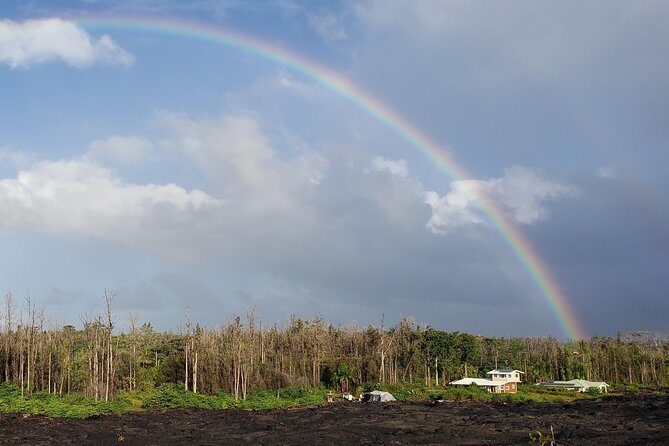
Kilauea in 2018 wasn’t just a news headline. It changed lives, homes, and the map itself—700 homes were destroyed. On this tour, the story doesn’t come from a brochure. Scott lived in Leilani Estates during the eruption and is still connected to the area, so his explanations land differently.
You’ll get the chance to visit a private “lava lot” tied to the 2018 event. That’s where the tour becomes more than sightseeing. Standing on ground that was impacted by active lava is one thing. Hearing what it felt like as the situation unfolded—what people noticed, what daily life looked like, and how the eruption changed the neighborhood—makes it click.
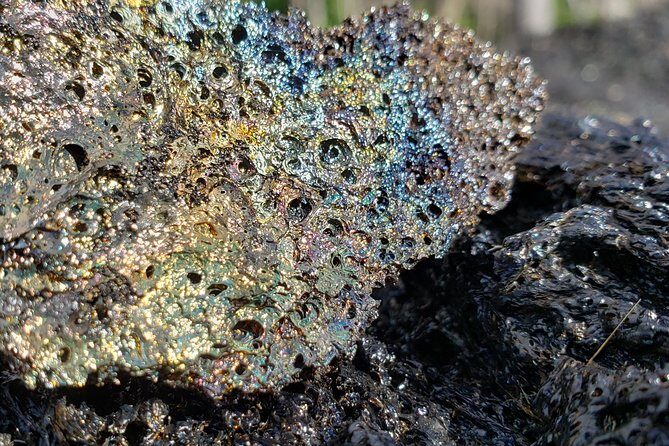
From the way Scott guides, you should expect a lot of Q&A energy. The tour style is personal, with answers shaped around what you want to understand: how lava moved, what the surface looked like up close, and why some formations feel strangely detailed when you’re standing there. If you’ve watched eruption updates online before visiting, this is one of the best ways to connect the video images to a real place.
Stop 1: Isaac Hale Park and the world’s newest black-sand beach
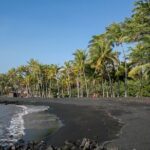
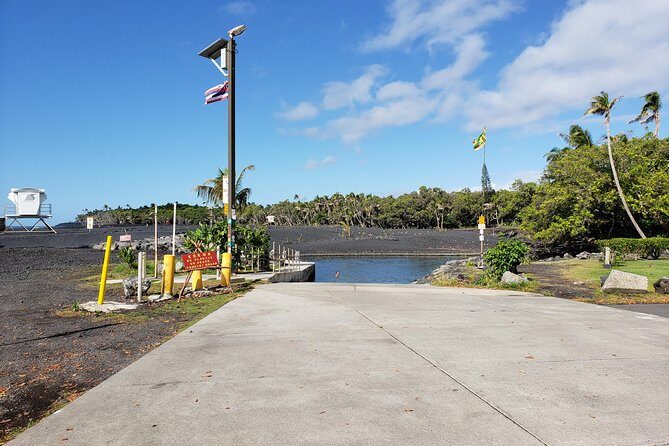
Your first stop is Isaac Hale Park, where you’ll see the newest black-sand beach created by the Kilauea eruption of 2018. The time here is about 30 minutes, and admission is free.
This stop is straightforward, which is a good thing. You’ll get your “wow” moment early: black sand on the Big Island is striking, and this one is new enough to feel like you’re looking at a fresh page in Earth’s notebook. The sand and shoreline are the visual proof that the eruption didn’t just threaten people—it also built new landforms.
A practical note: black-sand areas can be hotter than you expect, especially under sun. Bring sun protection and plan on staying outside for short bursts. If it starts raining (or looks like it might), the included poncho will save you from becoming a soggy tourist statistic.
This is also the kind of stop where a quick guide explanation helps a lot. Isaac Hale Park isn’t just a photo stop—it gives you the context for what comes next at the lava lot, where you’ll see the eruption’s impact in a more “up close and personal” way.
Stop 2: Leilani Estates lava lot and what you’ll notice on the ground
The second stop is Leilani Estates, where Scott brings you to his private lava lot. The time here is also about 30 minutes.
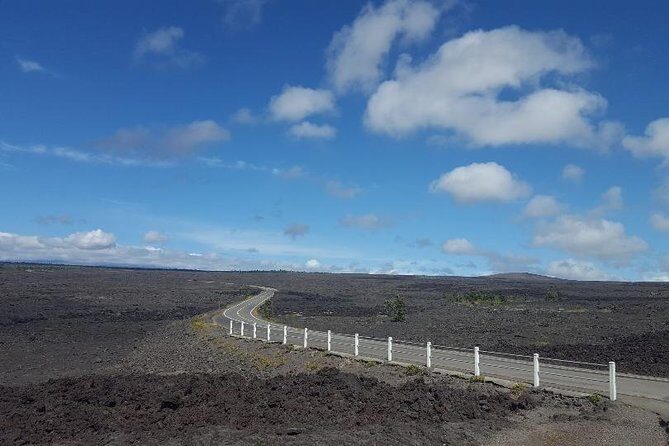
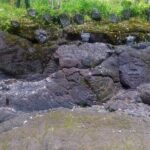
This is the emotional heart of the tour. In the lava-lot portion, you’re not only observing the aftermath—you’re walking through it (within the limits of safe access). The guides’ explanations tend to focus on sensory details you can’t fully capture in photos: how the ground looks and feels, how lava features differ from one another, and what it means when people describe things like lava rivers or fine volcanic strands.
Based on what people highlight, you may see striking eruption features such as a lava river area and even things like Pele’s hair—those thin, hair-like volcanic fibers that form when lava interacts with air. Whether you catch every tiny formation depends on current conditions, access, and how the area is presented on the day, but the intent here is clear: you come away with a much more physical understanding of the eruption.
One more thing I think you’ll appreciate: this portion is built around a smaller group. With only your group in the mix, you’re less likely to feel rushed while looking for details. That matters on lava terrain, where it’s easy to miss things while moving too fast.
What’s included (and why that keeps the tour fun)
This tour is designed to be low-friction. You’re traveling with an air-conditioned vehicle, plus bottled water. That’s not a small detail on the Big Island—heat and humidity can sap energy fast, especially if you’re planning a tour in the middle of the day.
You also get an umbrella and poncho. In Hawaii, weather can change quickly, and the eruption area isn’t the place where you want to be improvising rain gear. Having it in the car means you can adapt without turning the outing into a damp logistical headache.
Finally, it’s a mobile ticket experience. That’s useful in practice. You don’t need to track printed paperwork while you’re driving around the island.
Put it together and you get a tour that aims for one big thing: letting you focus on what you came for. Less fuss. More seeing.




Price and logistics: $495 per group that actually feels like value
The price is $495 per group (up to 4 people). That’s not “cheap,” but private tours almost never are. The real question is whether it’s cost-effective for your situation—and here, the math can work in your favor.
If you’re traveling as two, you’re splitting the cost, and the benefit is big: you’re paying for time with Scott and access that’s harder to get on larger group tours. If you’re traveling with a small family or a couple of friends (up to four), the per-person cost drops enough to make it feel like a serious option instead of a splurge.
This tour also trims time. It’s about 2 to 3 hours, not a long day with multiple extra stops. When your interests are specifically Kilauea’s 2018 aftermath (and not a list of “maybe you’ll like this” add-ons), short-and-focused can be better value than trying to cover everything.
One planning clue: it’s commonly booked around 21 days in advance. That doesn’t mean you can’t find availability, but it does suggest the tour is popular enough that you shouldn’t wait until the last minute if your schedule is tight.
Who this Kilauea eruption tour fits best (and who might want something else)
This tour is a strong match if you want:
- A private experience without extra stops.
- A guide story grounded in living through the eruption, not just reading facts off a sign.
- A quick hit of Isaac Hale black-sand plus close-up eruption ground at Leilani Estates.
You’ll also like the format if you’re the type who asks questions. Scott’s guidance style is built around answering what you really want to know, and people who enjoy learning won’t feel talked over.
The main consideration is physical. The tour asks for a moderate physical fitness level. Lava terrain can be uneven, and being outdoors for short periods can be tiring—especially if you’re not used to walking on rough ground. If you have mobility limits, make sure you’re honest with yourself about what you can handle safely.
Weather and safety: when the tour runs, and when it gets rescheduled
This experience depends on good weather. That matters because eruption areas can be muddy, slippery, or difficult to navigate when conditions aren’t ideal.
The operator also offers a clear weather-based plan: if it’s canceled due to poor weather, you’ll be offered a different date or a full refund. So you’re not stuck with a ruined day and no options.
Bring the mindset that you’re touring real outdoor terrain, not a controlled museum path. Even with ponchos and umbrellas, you should dress for changeable conditions and be ready to move carefully.
If you want the best experience, pick a day when you’ll be able to stay flexible—especially because island weather can shift faster than your phone forecast.
Should you book this private Kilauea eruption tour from Pāhoa?
Book it if you want the 2018 Kilauea story in a way that feels personal and specific: Isaac Hale black sand, plus a private lava lot tied to the eruption, guided by Scott with firsthand context from Leilani Estates. You’re paying for focus—small group, short duration, and a guided experience that doesn’t waste your time.
Skip it (or consider another format) if your group needs a fully flat, stroller-friendly route, or if you’re only interested in quick “drive-by” photos. This tour is designed for real seeing and real questions, and it assumes you can handle some walking and uneven ground.
If you’re visiting the Big Island and you’re trying to understand what made the 2018 eruption so life-altering, this is one of the most direct ways to do it in just a few hours.
FAQ
How long is the Kilauea eruption tour?
The tour runs about 2 to 3 hours total.
How many people are in a group?
It’s a private tour for your group, up to 4 people.
Where do we meet, and where does the tour end?
The tour starts at Longs Drugs, 15-1454 Kahakai Blvd, Pāhoa, HI 96778 and ends back at the same meeting point.
What are the main stops?
You’ll visit Isaac Hale Park (for the black-sand beach created by the 2018 eruption) and Leilani Estates (a private lava lot connected to the eruption).
What is included in the price?
Included are an air-conditioned vehicle, bottled water, and an umbrella and poncho. You’ll also have a mobile ticket.
What if weather is bad?
This experience requires good weather. If it’s canceled due to poor weather, you’ll be offered a different date or a full refund. You can also cancel up to 24 hours in advance for a full refund.