REVIEW · KAILUA KONA
Kona: Hawaii Volcanoes National Park Tour
Book on GetYourGuide →Operated by KapohoKine Adventures · Bookable on GetYourGuide
Coffee, then volcanoes, in one long day. I like the chance to see a working Kona coffee farm at Bay View Farm and then walk through 2018 eruption cracks on the Keanakako’i Crater hike. The main drawback to plan around is simple: it’s a long day with real walking on uneven, rugged ground.
I also like how the day is built for comfort in a place that can swing from warm coast to cooler volcanic air. You travel in a small group (up to 12), and you’ll stop at Punalu’u for lunch at the Black Sand Beach, plus a quick bakery break along the way.
In This Review
- Key highlights worth marking on your map
- Kona to Kilauea: how the 12-hour day stays organized
- Bay View Farm: the real work behind Kona coffee
- South Kona and Ka’u by window: lava and dry forest in motion
- Punalu’u Black Sand Beach: deli-style lunch and possible honu sightings
- Hawaii Volcanoes National Park: visitor centers, art, and Sulphur Banks
- Keanakako’i Crater: walking the 2018 eruption scars
- Mauna Ulu through the forest: a hike with cultural weight
- Volcano House stops and keeping warm (even when it’s cold and windy)
- Guide quality and small-group pacing (this is the real difference)
- Pickup, vehicles, and what you’ll be doing most of the time
- Price and value: does $249 make sense for this day?
- Who this tour fits best (and who should skip it)
- Should you book the Kona Coffee and Volcanoes tour?
- FAQ
- How long is the Kona: Hawaii Volcanoes National Park Tour?
- What is included in the $249 per person price?
- Where does hotel pickup happen?
- Is there a live guide, and what language do they speak?
- What is the group size?
- What should I bring or wear?
- Is the tour suitable for respiratory issues or back problems?
Key highlights worth marking on your map
- Bay View Farm coffee lessons where you can see coffee growing and sample 100% Kona coffee
- Kealakekua Bay viewpoint + Captain Cook monument and that fun fact about the British sliver of U.S. land
- South Kona and Ka’u drive-by views with lava flows and dry forest showing through big picture windows
- Punalu’u Bake Shop stop for sweetbreads and classic island treats
- Punalu’u Black Sand Beach picnic + honu (green sea turtles) just offshore
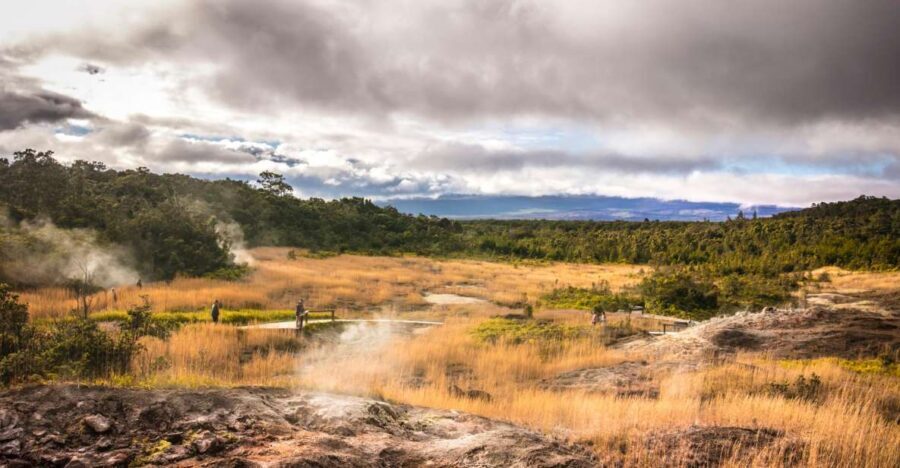
- Hawaii Volcanoes National Park hikes and sights including Sulphur Banks, Mauna Ulu, and crater walks
Kona to Kilauea: how the 12-hour day stays organized
This tour is a straight-through 12 hours, built to hit the Big Island’s two biggest draws in one go: Kona’s coffee country and Hawaii Volcanoes National Park. You’ll start with hotel pickup (from Pleasant Holidays or the Courtyard by Marriott King Kamehameha’s Kona Beach Hotel), then settle in for a day that mixes scenic driving with guided stops.
What makes this route smart for first-timers is that you’re not just “seeing” things from the road. You get farm time, beach time, and then actual time inside the park with short hikes and landmark stops. It also helps that the group is capped at 12, so the guide can keep things moving without turning your day into a stampede.
Two practical notes that affect your enjoyment: first, you’ll be in closed-toe shoes for most of the day. Second, you should assume weather changes as you move up and across the island, so bring a layer and plan for cool, damp conditions in the park area.
Other Volcanoes National Park tours in Kailua Kona
Bay View Farm: the real work behind Kona coffee
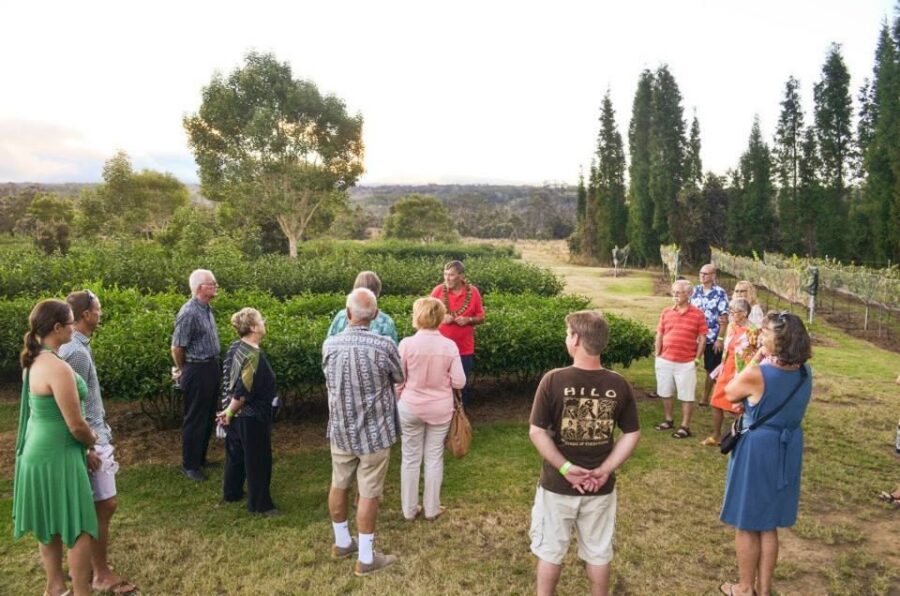
Your day kicks off in Kona coffee country with a stop at Bay View Farm, a working 24-acre operation on the slopes of Mauna Loa. This isn’t a souvenir-only stop. You’ll see coffee growing on the trees and learn the steps that go into making coffee, all on the farm.
I love that this kind of stop gives you something to look at later. Once you understand how coffee is cared for in that environment, it’s easier to appreciate what makes Kona coffee different when you taste it.
After the farm walk-through, you’ll sample 100% Kona coffee at a gorgeous overlook. The viewpoint is a highlight for its big, cinematic scene: Kealakekua Bay spread out below and a monument to Captain Cook on what’s described as the only sliver of British land in the United States. That’s the kind of quick island-history detail that makes the stop feel like more than a photo break.
South Kona and Ka’u by window: lava and dry forest in motion
Once you leave the farm area, you head through South Kona and into the Ka’u District. The ride matters here. The tour is designed so you can see stark lava flows and Hawaiian dry forest through large picture windows of the vehicle.
This is a good moment to settle in and let your brain “map” the island. You start to notice how the terrain changes with elevation and distance from the coast, and how volcanic rock shapes what you can grow and where you can travel.
You’ll also get a quick refresh stop at Punalu’u Bake Shop, described as the southernmost bakery in America, serving sweetbreads since 1991. Even if you’re not a pastry person, it’s worth popping in just to taste something that feels local and old-school rather than generic tourist snacks.
Punalu’u Black Sand Beach: deli-style lunch and possible honu sightings
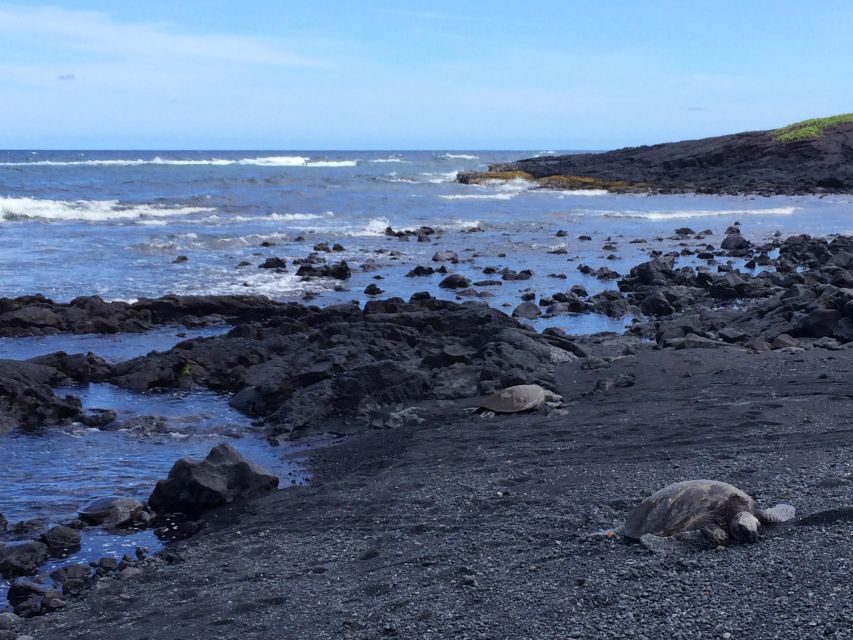
Punalu’u Black Sand Beach is the next big emotional hit of the day. The beach is lined with swaying coconut palms, and it’s one of the island’s best-known black sand stretches. The sand color comes from volcanic material, and the whole place has a calm, photo-ready rhythm.
The tour includes a picnic-style lunch here when weather allows. It’s described as deli-style, so you’re not waiting for a formal plated meal. You’re given the chance to eat while still being in that beach setting, which makes a huge difference on a long day like this.
Here’s a detail I’d plan around: look offshore for honu, green Hawaiian sea turtles. The tour notes that sea turtles may be feeding just offshore, or lounging in the sand area. You’re not guaranteed a turtle sighting, but if you keep your eyes scanning calmly, your odds go up.
Hawaii Volcanoes National Park: visitor centers, art, and Sulphur Banks
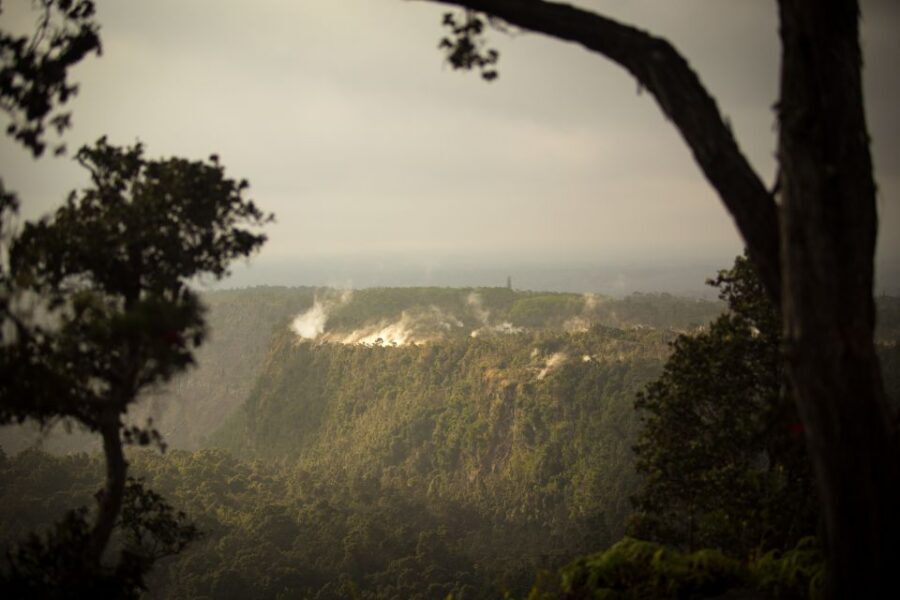
Next comes the crown jewel: Hawaii Volcanoes National Park. Your first park stops include the Kilauea Visitor’s Center and the Volcano Art Center, plus the famed Sulphur Banks.
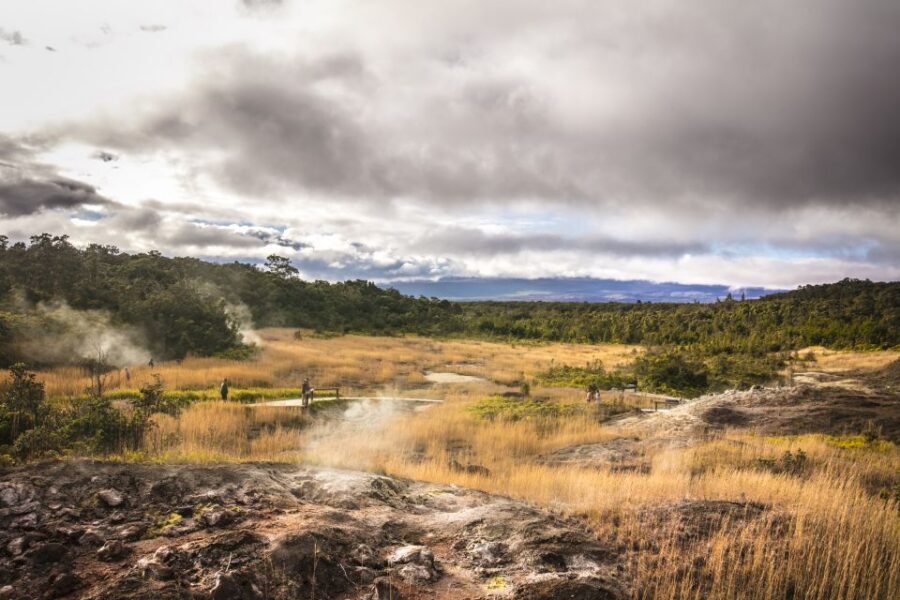
This combo is smart. The visitor center helps you understand what you’re looking at, while the Volcano Art Center adds a human layer to a place that can otherwise feel purely geological. Then Sulphur Banks gives you the “wow” factor right away—an area tied to volcanic activity where you can experience the sulfurous atmosphere and the raw energy of the park.
This is also where your guide’s pacing starts to matter. A good guide helps you slow down just enough to notice terrain changes, steam activity, and how the landscape explains itself. The small group size makes it easier to ask questions without feeling like you’re talking into a megaphone.




Keanakako’i Crater: walking the 2018 eruption scars
One of the most unforgettable parts of this day is the hike out to Keanakako’i Crater. You step over sinkholes and cracks in the roads left behind by the historic 2018 eruption.
This is the point where you’ll feel the park under your feet. It’s not a “stroll on a flat boardwalk” kind of walk. You’re navigating cracked ground and uneven spots, so your closed-toe shoes matter more than you think. If you’re prone to slipping, or if your balance isn’t great, take your time.
The upside is that this hike isn’t just scenery. It’s physical context. You’re walking through evidence of how the island changes, then you look back at what you saw earlier and it all connects.
If you’re sensitive to respiratory issues, this is also where you should be extra cautious. The tour isn’t suitable for people with respiratory problems, so if that’s you, choose a different day plan.
Mauna Ulu through the forest: a hike with cultural weight
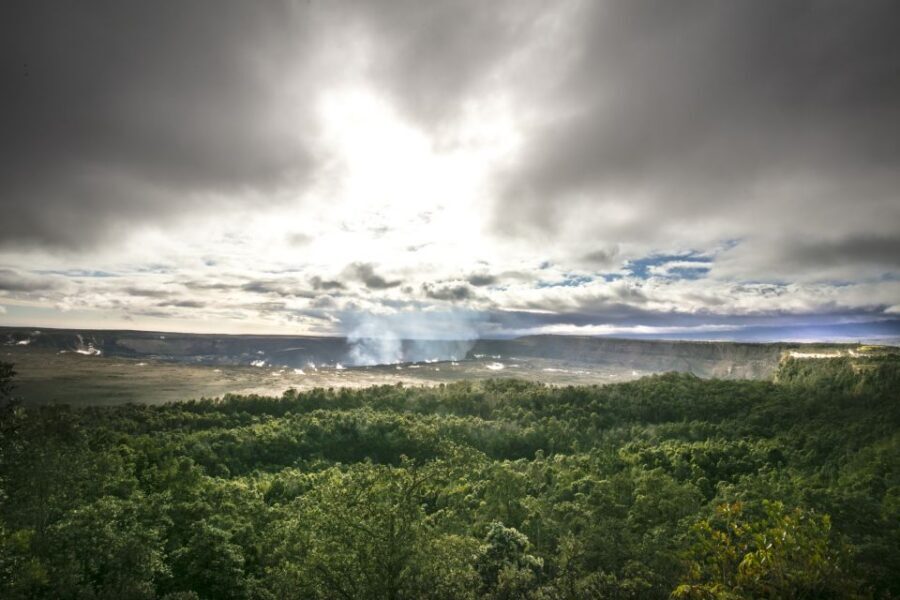
After the crater walk, the day shifts into a more personal, culturally important area: Mauna Ulu. The tour describes Mauna Ulu as one of the most culturally important locations in the park, and you’ll hike through the forest on the way there.
This part matters because it broadens your understanding beyond just volcano science. You’re in a protected area where cultural meaning is tied to place, and the forest route gives your body a rhythm after the more chaotic-feeling eruption terrain.
You’ll also make a short break at Volcano House, a classic stop in the park described as welcoming guests like Mark Twain and Jack London to Kilauea since 1864. That detail adds personality to a practical rest stop. It’s a reminder that people have been coming to watch Kilauea’s changes for a long time, and the park still delivers that same mix of awe and learning.
Volcano House stops and keeping warm (even when it’s cold and windy)
Volcano House is your “reset” moment. The tour includes a break there, which is useful because volcanic areas can feel cooler and windier than you expect, especially after time outdoors.
Comfort gear can be a big deal here. In past experiences, guides provided items like hiking poles for walking and outer layers for cold or rainy stretches, plus even lanterns for certain outdoor moments. You should still plan to dress smart: closed-toe shoes, a warm layer, and something that handles mist.
One of the standout guide stories included warm rain jackets and a focus on keeping people comfortable while moving around. That kind of attention is what turns the day from just impressive to actually enjoyable.
And yes, there’s the possibility of seeing an orange lava glow from the larva in the right conditions, along with hot coffee and later food after colder outdoor time. Because conditions vary, I’d treat that as a maybe, not a guarantee—but it’s clearly the kind of experience the guides try to make possible when nature cooperates.
Guide quality and small-group pacing (this is the real difference)
This tour runs with a live English guide and is limited to 12 participants. That small group size is not a luxury detail. It changes your day in practical ways: easier conversation, easier questions, and more flexible pacing at each stop.
Guide stories linked to the experience highlight patience and solid explanation. Names that have shown up include Erik and Scott, with both described as giving clear answers and managing time so people could take their photos and absorb the views instead of getting yanked along.
It’s also clear that guides are paying attention to your comfort. One experience described hiking sticks, jackets, and other support items that help on uneven ground and in cooler park weather. Another described bringing warm rain gear for the mountains. That means you’re not just counting on your own clothing; the guide team is prepared to help.
If you prefer a tour where you can actually ask questions and get a thoughtful reply, this setup fits.
Pickup, vehicles, and what you’ll be doing most of the time
You’ll be picked up at your hotel and dropped back at the end of the day. That door-to-door piece matters on Big Island days, because the distances between Kona coffee country and the park are real.
Expect a mix of vehicle time and walking time. The drive segments are scenic and include window views, but your feet will still be part of the experience during hikes like Keanakako’i Crater and Mauna Ulu. Plan accordingly: bring your energy for a full day, not a short hop.
Also pay attention to the footwear rule: closed-toe shoes only, no open-toed shoes. It’s simple for safety on volcanic terrain, and it also helps on wet or rocky sections of the park area.
Price and value: does $249 make sense for this day?
At $249 per person for a 12-hour tour, you’re paying for a full day of logistics plus guided access to multiple major areas. The price includes hotel pickup and drop-off, lunch, and entrance fees.
Here’s how I judge value for a day like this:
- You’re not just visiting one location. You’re stacking a farm, a beach lunch stop, and Hawaii Volcanoes National Park stops into one itinerary.
- You’re not driving yourself across changing terrain. That reduces stress and parking hassles.
- You’re paying for a guide who can explain what you’re seeing and keep the day moving in a small group setting.
If you were to do this independently, you’d still spend money on entry fees and transportation, and you’d likely lose the “guide layer” that connects coffee country to volcanic geology and cultural stops. For many first-timers, the cost lands closer to convenience plus interpretation than just transportation.
Still, this is not a sit-everywhere tour. If you hate hiking, or if you need minimal walking, the value won’t feel as good, because the physical parts are part of what makes the day worthwhile.
Who this tour fits best (and who should skip it)
This tour is best for people who want a guided overview with real stops, not a quick photo loop. You’ll enjoy it if you like nature plus hands-on learning, and if you’re comfortable hiking short-to-moderate segments in volcanic terrain.
It’s specifically not suitable for people with respiratory issues or back problems. That’s not a minor note. The hikes and possible sulfurous or windy park conditions make it a poor fit for those needs.
It also helps if you like variety. This day hits coffee farming, beach views and possible sea turtles, and then national park geology and forest walking. If you want your Big Island day to feel like a “best hits” sampler with a guide, you’re in the right place.
Should you book the Kona Coffee and Volcanoes tour?
I’d book it if you want one focused day that covers a lot of Big Island ground in a thoughtful way. The Bay View Farm stop gives context for Kona coffee beyond labels, the Punalu’u lunch and black sand beach deliver a classic visual reward, and Hawaii Volcanoes National Park adds the awe factor with guided hikes like Keanakako’i Crater and Mauna Ulu.
I’d skip it if you can’t handle uneven ground, breathing sensitivity, or if a full 12-hour day with walking sounds like a deal-breaker. And if you want maximum time at just one place, this tour may feel packed, because it is designed to stack highlights.
If you’re deciding between doing things on your own versus a guided day, this one leans strongly toward worth it because of the small group size, the included lunch and entrance fees, and the guide support that can include comfort items for cooler, wetter conditions.
FAQ
How long is the Kona: Hawaii Volcanoes National Park Tour?
The tour lasts 12 hours.
What is included in the $249 per person price?
The tour includes hotel pickup and drop-off, lunch, and entrance fees.
Where does hotel pickup happen?
Pickup is included from Pleasant Holidays or the Courtyard by Marriott King Kamehameha’s Kona Beach Hotel.
Is there a live guide, and what language do they speak?
Yes, the tour has a live English-language guide.
What is the group size?
It’s a small group limited to 12 participants.
What should I bring or wear?
Bring closed-toe shoes. Open-toed shoes are not allowed.
Is the tour suitable for respiratory issues or back problems?
No. It is not suitable for people with respiratory issues or people with back problems.