REVIEW · BIG ISLAND OF HAWAII
Private Big Island Experience: 3 of 4 Window Seats
Book on Viator →Operated by Mauna Loa Helicopter Tours - Big Island of Hawaii · Bookable on Viator
Big Island air time is the fastest way to understand the island. I like how this private 4-passenger setup gives you a clear, calm overview of multiple volcanic zones in about 2 hours, and I especially like the route’s focus on Kilauea from above plus photo-heavy lava-and-coast moments. The one catch: the flight is doors ON only, and weather affects what you’ll actually see (so visibility can make or break the “wow” factor).
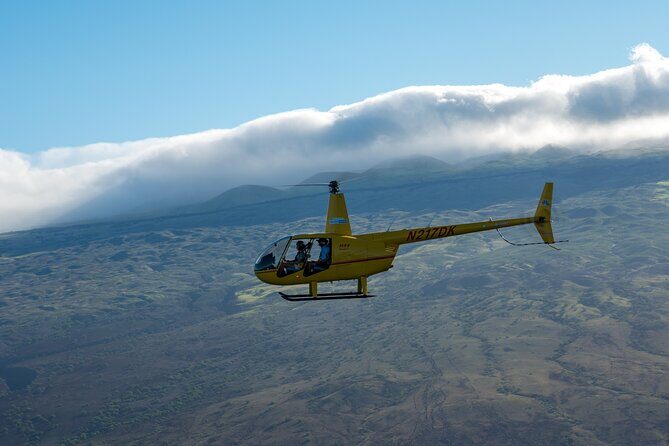
Here’s what makes this feel more like a guided experience than a quick ride. You’ll fly from Kona along the saddle area between Mauna Kea and Mauna Loa toward Kilauea Iki, then continue north past Hilo and the Hamakua Coast before dropping into Kohala valleys known for tall waterfalls. The finale shifts to the leeward shoreline with beaches, reefs, ancient lava flows, and historic heeiau.
One more consideration before you book: the tour requires a minimum of 3 passengers and a maximum of 4. That keeps it truly private, but it can make pricing feel steep if you’re booking as just a couple.
In This Review
- Quick hits you’ll care about
- Entering Big Island from the Kona side
- Cabin set-up: private, doors ON, and window-seat strategy
- From Saddle Road to Kilauea Iki: the volcano core
- Northbound flight: Hilo, Hamakua Coast, and wet-island reality
- Kohala valleys and waterfalls: where the views get vertical
- Crossing Kohala’s summit and the leeward finale
- Price and value: what you’re really paying for
- How pilots make it feel personal (even when it’s “just flying”)
- Weather, expectations, and photo reality
- Who should book this flight, and who might not love it
- Should you book the Private Big Island Experience?
- FAQ
- FAQ
- How long is the helicopter tour?
- Where does the tour start, and do you return to the same place?
- How many passengers are on the tour?
- Is the helicopter flight doors on or doors off?
- What is the minimum age to participate?
- Is there a weight limit?
- When do I need to check in?
- What happens if the tour is canceled due to weather?
Quick hits you’ll care about
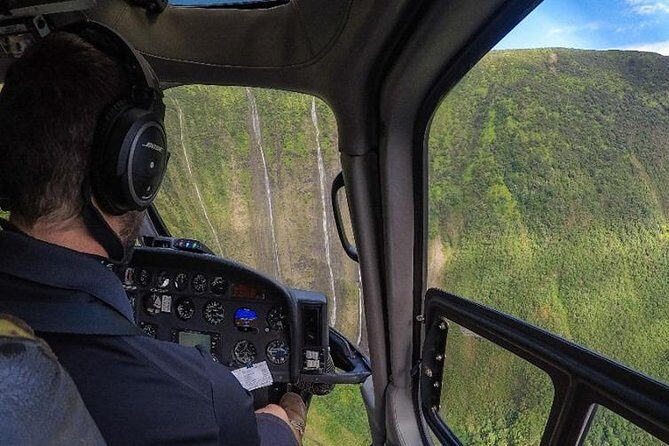
- Doors ON only means wind, sound, and maximum sightlines for photos and spotting lava.
- 3 of 4 window-seat chances: with a four-seat cabin, you can usually plan for the best sightlines.
- Kilauea Iki and lava flow photo ops are the core of the experience if conditions cooperate.
- Hamakua Coast to Kohala waterfall valleys gives you big variety, not just one repeated view.
- Private tour, doors on is a great fit when you want control of timing and attention.
- Weight limits matter (275 lbs per passenger, total 750 lbs) for flight eligibility.
Entering Big Island from the Kona side
Most Big Island trips start with a plan that looks great on paper: volcano here, coast there, waterfalls later. Then you hit reality—distance, road conditions, and the fact that you’re switching between climate zones that feel like different islands.
This is why a helicopter works so well at the start of your trip. You get the island’s “system map” fast. You can see how Mauna Kea and Mauna Loa sit in relation to what comes next, and then you watch the route move north toward places that look greener, wetter, and more rugged. If you’re the type who wants to choose your next stops with confidence, an overview flight like this helps you decide what you’ll prioritize on the ground.
Other private tours in Big Island of Hawaii
Cabin set-up: private, doors ON, and window-seat strategy
This is a private tour with a max of 4 passengers. That matters because you’re not competing with strangers for sightlines or bracing for random stops. You can focus on your own group’s questions and photos, and you can settle into the one big goal: watching the island change beneath you.
The biggest practical note is simple: the flight is doors ON only. That’s not a minor detail. It affects comfort, noise level, and the way photos come out. The benefit is just as obvious: you’re not limited by glass reflections or a reduced view through a sealed door area.
If you’re aiming for the clearest pictures, take the advice that actually shows up in real-world outcomes: wear darker clothing when possible to reduce glare. One past passenger specifically called out wearing black (including clothing and bags) to help minimize reflections. It’s a small move that can improve what your camera sees.
Finally, keep weight limits in mind. The rule is 275 lbs per passenger, with a total of 750 lbs for the helicopter. If your group is close to the cap, it’s worth checking early so you don’t get stuck with a last-minute surprise.
From Saddle Road to Kilauea Iki: the volcano core
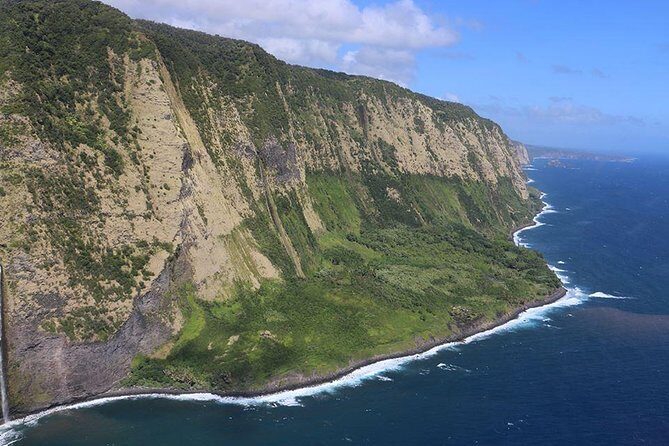
The heart of the tour is the volcanic “spine” between the highest giants and the active zone. You start flying along the saddle road area between Mauna Kea and Mauna Loa, heading toward Kilauea Iki. Even if you know the names, seeing them from above is a different kind of learning. You understand why the island’s shape feels so dramatic when viewed from the air: enormous mass, steep drop-offs, and volcanic features that would be hard to connect on foot or by car.
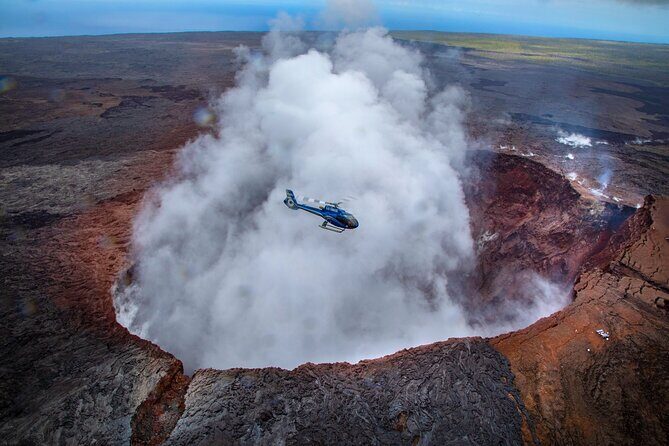
Kilauea Iki is the focus point. From the helicopter, the goal is to see Kilauea from above and capture the visual drama of lava. The experience is designed around photo moments, including the possibility of continuous lava flow into the ocean. Sometimes you get that “right then” payoff, and sometimes lava patterns change and visibility varies with conditions. Either way, you’ll come away with a sense of the volcano’s scale and structure that you can’t replicate with a roadside viewpoint.
What I like about how this section is planned is the pacing. You’re not just flying past a single point. You’re moving across a corridor that links the mountains to the active landscape. That makes your photos feel like a story, not a pile of separate snapshots.
Northbound flight: Hilo, Hamakua Coast, and wet-island reality
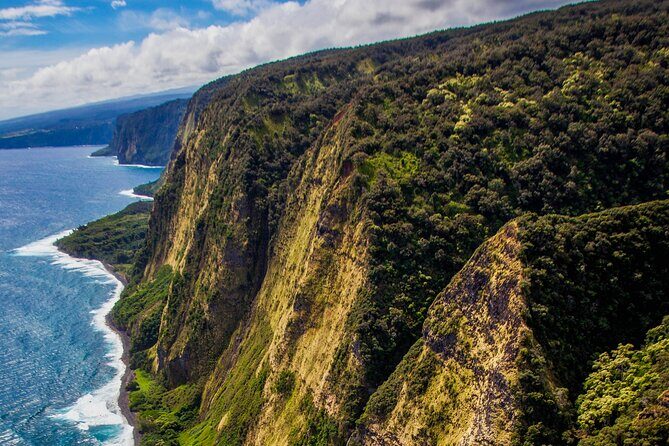
After the volcanic zone, the route turns north, passing Hilo, which is described as the wettest town on earth. You’ll then fly along the Hamakua Coast, an area known for lots of flora and fauna. That matters because it’s not just pretty scenery. From the air, you can see how moisture and elevation shape the island’s look—how green patches, valleys, and coastal bends change as you go.
This is also where the tour earns its “first-timer usefulness.” If you land in Hawaii and immediately feel like everything is far apart, the air route helps you get bearings fast. The Hamakua Coast segment gives you a sense of scale: coastlines don’t look long until you’re above them, and then you realize why road travel can feel like a time trade.
If your group likes photo stops, this is a practical sweet spot too. You’re flying over big, readable shapes—coves, clifflines, and transitions between wetter and drier zones. Even if lava isn’t pouring in your particular moment, the aerial geography still pays off.
Kohala valleys and waterfalls: where the views get vertical
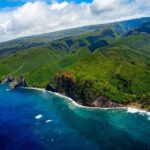
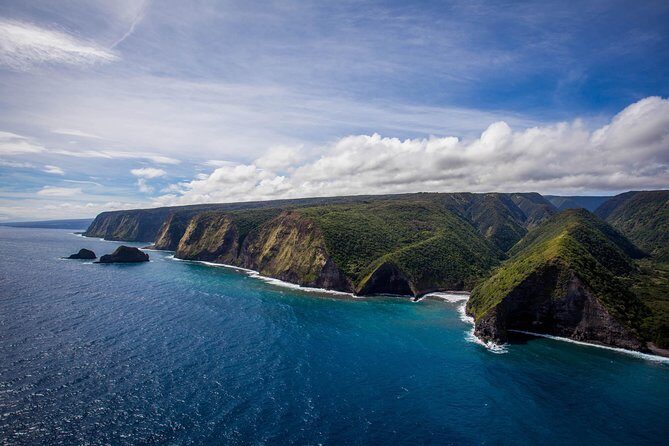
Next comes the descent into the Kohala Valley areas: Waipi’o, Waimanu, and Pololu. The tour is set up to show waterfalls dropping about 2,500 feet in these steep-sided places. That’s a key promise because waterfalls from the air don’t just look scenic—they look engineered by gravity. You can see the height, the width, and the way water threads through rugged terrain.
There’s also a “variety payoff” here. Earlier, you were focused on volcanic structure. Now you’re seeing the island’s water features and canyon geometry. The change in visuals keeps the flight from feeling one-note.
One helpful reality check: you might not see every waterfall detail perfectly if cloud cover or rain blurs contrast. The experience still keeps its value because the canyon shapes remain visible, and the pilot can usually highlight what you’re seeing in real time. If you’re lucky with weather, this is where people tend to remember the trip for the raw drama of steep terrain and long falls.


Crossing Kohala’s summit and the leeward finale
After the waterfall section, the route crosses and climbs over the summit of Kohala, described as the oldest of the five volcanoes that make up the Island of Hawaiʻi. This part matters less for immediate “photo moments” and more for understanding the island’s timeline. Seeing Kohala in this context helps you connect the dots between volcanic age and how the terrain looks today.
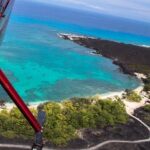
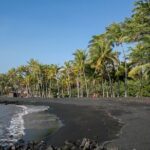
Then the tour concludes with a coastline flight over the leeward shores—white sand beaches, pristine coral reefs, ancient lava flows, historic heeiau (temples), and the luxury resorts that line parts of the coast.
This last segment is important because it changes the emotion of the flight. Earlier you’re in active-volcano mode. Here you’re in “settled coastline” mode, where the island’s beauty looks effortless from above. You also get a different kind of photo target: reefs and shoreline curves. That’s harder to judge from the road, so the helicopter makes the end of the tour feel like a reward.
Price and value: what you’re really paying for
At $671.48 per person, this is not a casual add-on. So you should ask: what are you buying for the price?
You’re buying three things:
1) Time compression. In about two hours, you cover volcano zones, a wet northern coast, waterfall valleys, and leeward shoreline. That’s hard to match on the ground without lots of driving and multiple stops.
2) A private, small cabin. With only up to four passengers, you avoid the crowded feel and you get more flexibility in how your group experiences the ride. This is especially valuable for families and couples who want a calmer trip.
3) Door-on access to visuals. “Doors ON only” can sound intimidating, but it’s also what enables those wide-open photo angles and direct views of lava and coastline.
Now the value calculation depends on your group size. Since there’s a minimum of 3 passengers, the per-person price can feel more reasonable if you have three or four people traveling together. If you’re a couple, you may end up paying closer to a “filled seats” reality rather than a “small party” reality.
Also note what’s included. Airport/departure tax, all taxes/fees/handling, and a fuel surcharge are included in the price. Food and drinks are not included, and there’s no hotel pickup or drop-off, so plan to handle those yourself.
How pilots make it feel personal (even when it’s “just flying”)
A helicopter tour lives or dies on the pilot’s communication. In the feedback you can see a pattern: pilots named Jasmin, Ben, and Conner are described as professional, fun, knowledgeable, and great at keeping things smooth and safe. They also seem to give lots of interesting facts—especially about lava—plus practical recommendations after the flight.
Even if you don’t care about geology, the right pilot makes your flight feel like a guided “seeing lesson.” The extra commentary helps you understand what you’re looking at in the few seconds before the landscape moves past.
One more detail that shows up in the experience descriptions: the flight style can include tight turning maneuvers so you can catch certain angles. That’s useful when you want both “overview” photos and specific views of crater areas or canyon lines.
Weather, expectations, and photo reality
This tour requires good weather. That’s not small talk; it’s central. If clouds sit low or visibility drops, you may not get the crisp “lava to ocean” payoff you were hoping for.
If the tour is canceled due to poor weather, you’ll be offered a different date or a full refund. That flexibility is worth noting because it reduces the risk of booking too early for a trip built around tight schedules.
For photo results, there’s one more practical point: the doors ON setup helps, but the helicopter still moves. You’ll want to keep expectations realistic. The goal is not perfect museum-grade stills every second. The goal is capturing the moments where you can clearly see the volcanic features, the steep canyon geometry, and the coastline lines—especially during the Kilauea and leeward finale portions.
Who should book this flight, and who might not love it
This works best for:
- First-time Big Island visitors who want to understand the island’s different faces quickly.
- Couples and small families who value a private experience and don’t want to spend a full day driving.
- People who want lava and coastline in one short block of time.
You might think twice if:
- You’re very sensitive to wind or noise, since the helicopter is doors ON only.
- You’re trying to travel as a single couple on a tight budget, given the minimum passenger requirement and the fact that the price is per person.
- Your group has difficulty meeting the 275 lbs per passenger limit or the total weight cap.
Should you book the Private Big Island Experience?
If you want the Big Island to make sense fast, I’d strongly consider booking this—especially early in your trip. In two hours, you get volcanic scale, north-coast variety, waterfall height, and a leeward finale with reefs and beaches. That’s the kind of “big picture learning” that makes the rest of your days easier to plan.
I’d book it if your group can handle doors ON comfort and if your schedule can flex with weather. And if you can travel as a group of three or four, the value gets much more attractive because the private nature and cabin size aren’t just marketing—they’re the whole point.
If you’re unsure, treat the decision like this: if your dream includes Kilauea-from-above and lava-or-coast views, this tour is built for that. If you’re only interested in one small part of the island, you might be able to do it cheaper on the ground.
FAQ
FAQ
How long is the helicopter tour?
It’s about 2 hours.
Where does the tour start, and do you return to the same place?
It starts at Mauna Loa Helicopter Tours – Big Island of Hawaii at 73-310 Uu St, Kailua-Kona, HI 96740, and it ends back at the meeting point.
How many passengers are on the tour?
The tour has a minimum of 3 passengers and a maximum of 4, and it’s private for your group.
Is the helicopter flight doors on or doors off?
The tour is done with the doors ON only.
What is the minimum age to participate?
Children must be accompanied by an adult, and the minimum age requirement is 7 years old.
Is there a weight limit?
Yes. Total weight per passenger is limited to 275 lbs, with a total weight limit of 750 lbs.
When do I need to check in?
Check in is 30 minutes prior to departure. Late check-ins may be treated as a no-show.
What happens if the tour is canceled due to weather?
The experience requires good weather. If it’s canceled due to poor weather, you’ll be offered a different date or a full refund.