REVIEW · HILO
Big Island Hawaii: Craft Chocolate Tasting and Farm Tour
Book on GetYourGuide →Operated by Honolii Orchards · Bookable on GetYourGuide
Chocolate tastes different when you see the tree.
This Big Island outing pairs a working cacao orchard walk with a serious fermentation-room lesson, then caps it with a long, guided comparison of craft bars. You also get a calm, scenic tasting-room setup and hands-on samples beyond chocolate, like cacao juice and roasted beans.
I especially love how the hosts connect farming to flavor, so the tasting feels earned instead of random. And I like that guides (often Wren and Jude) keep the vibe friendly while still explaining the real steps that affect quality.
One possible drawback: this is a farm stop with standing and walking, and the setting is rural. If you’re expecting a quick Uber pickup right afterward, plan a little extra time, since getting a driver to find you can take longer than it should.
In This Review
- Key takeaways before you go
- Entering Honolii’s tasting room with ocean-and-valley views
- Getting to 1533 Puia Rd: a rural route from Hilo
- The orchard walk: from cacao tree to harvest basics
- Fermentation room time: where quality can change quickly
- Chocolate history, with a craft lens
- The tasting: compare 10 single-origin bars like fine wine
- Why the food pairings feel thoughtful, not random
- Price and value: what $130 buys you on Big Island
- Who should book this (and who should skip it)
- After the tour: take your time and buy your favorites
- Should you book Honolii’s craft chocolate tasting?
- FAQ
- How long is the Big Island craft chocolate tasting and farm tour?
- What does the $130 per person price include?
- What should I expect to taste during the chocolate portion?
- Is this tour suitable for children?
- Is the tour guide provided, and what language is it in?
- Where is the meeting point?
- Are there restrictions on what I can bring or do during the tour?
Key takeaways before you go
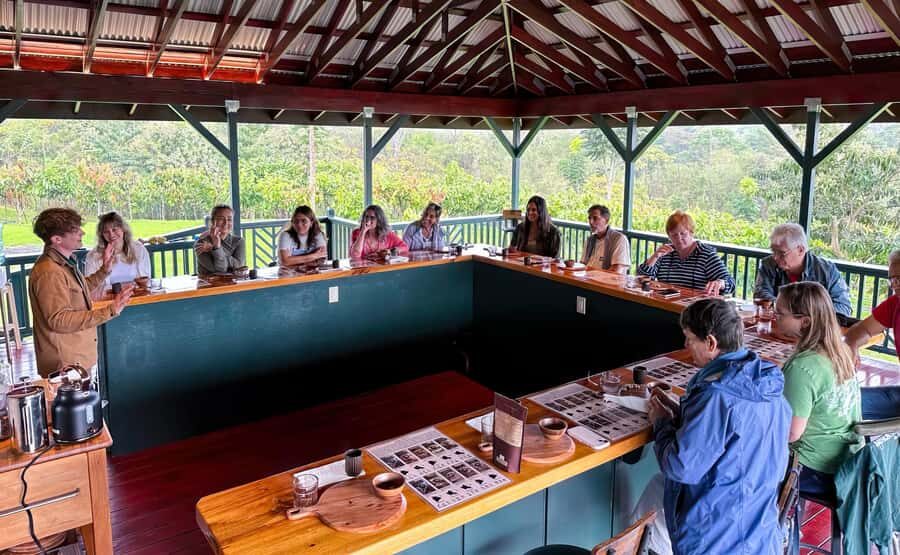
- 10 single-origin craft bars to taste and compare, all tied to Hawaiian cacao growing regions
- Honolii orchard + fermentation room so you understand what happens after the pods are harvested
- Cacao samples beyond chocolate, including fresh cacao juice, roasted beans, cacao tea, and seasonal fruits
- Tasting room with ocean and valley views, where you can slow down instead of rushing through exhibits
- Clear talk on craft vs mass-produced chocolate, with practical clues for what to look for on your next bar
Entering Honolii’s tasting room with ocean-and-valley views
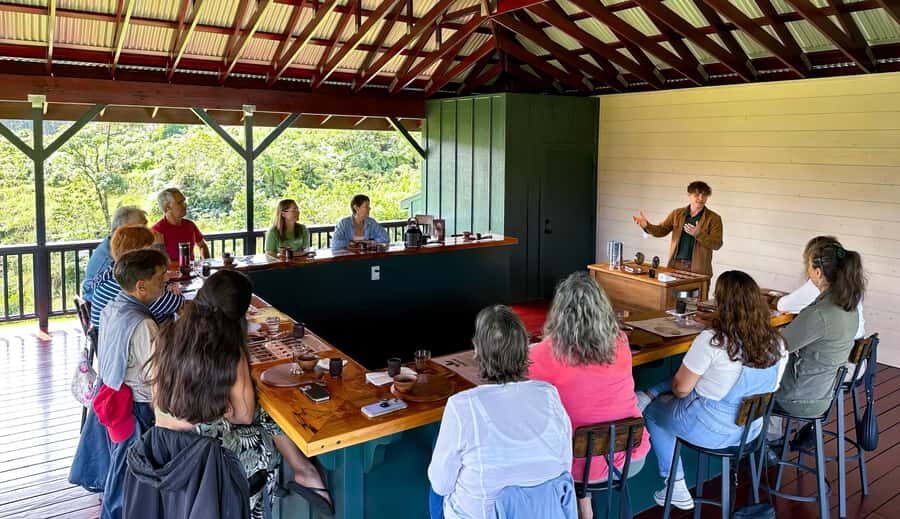
The first thing you notice at Honolii is the mood. You’re not in a loud storefront; you’re in an elegant tasting room perched above the orchard canopy, with wide ocean and valley views that make the whole experience feel unhurried.
After a bit of casual conversation, your guide shifts gears into the real topic: cacao. The tone is part classroom, part craft workshop. You’ll be tasting later, but you’ll also be learning why the same “chocolate” label can hide wildly different processes, fermentations, and flavor outcomes.
Other coffee and farm tours in Hilo
Getting to 1533 Puia Rd: a rural route from Hilo
Honolii Orchards is close to Hilo, but it’s still on back roads. That’s good for the experience (less traffic, more farm-country feel), and it also means you should navigate carefully.
Use the provided Google Maps pin for 1533 Puia Rd and follow the street names closely. The route notes are specific:
- Head to Paukaa (Hawaii 96720), about 5 minutes from Hilo
- Turn off Mamalahoa Highway onto Kulana Street
- Drive through Paukaa Town, then turn onto Puia Road (noted as next to the Paukaa Kingdom Hall of Jehovah’s Witness church)
- Puia Road is mislabeled as Woa Road, so follow what Google Maps shows
- Drive 1.7 miles up Puia Road for about 5–10 minutes
- Look for a green gate on the left with a large vinyl sign
Practical tip: after the tour, don’t treat the pickup like a city errand. Plan for extra time to find a driver, especially if reception is spotty along the rural approach.
The orchard walk: from cacao tree to harvest basics
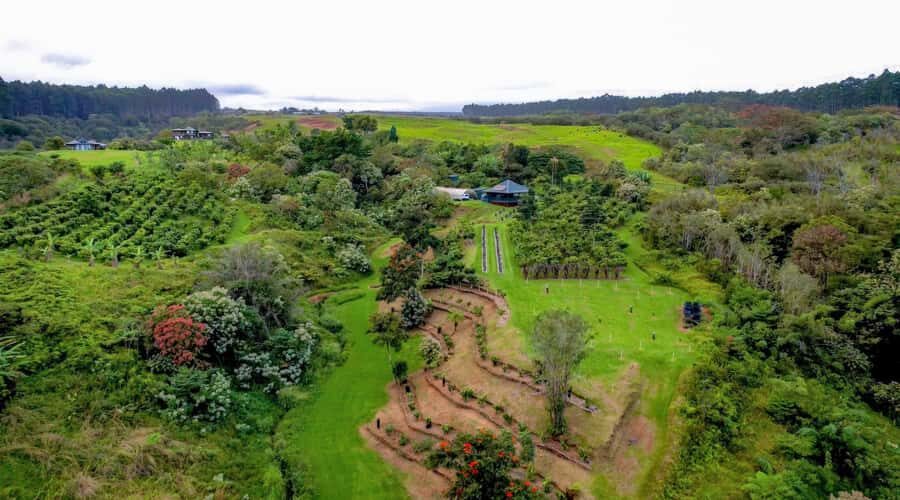
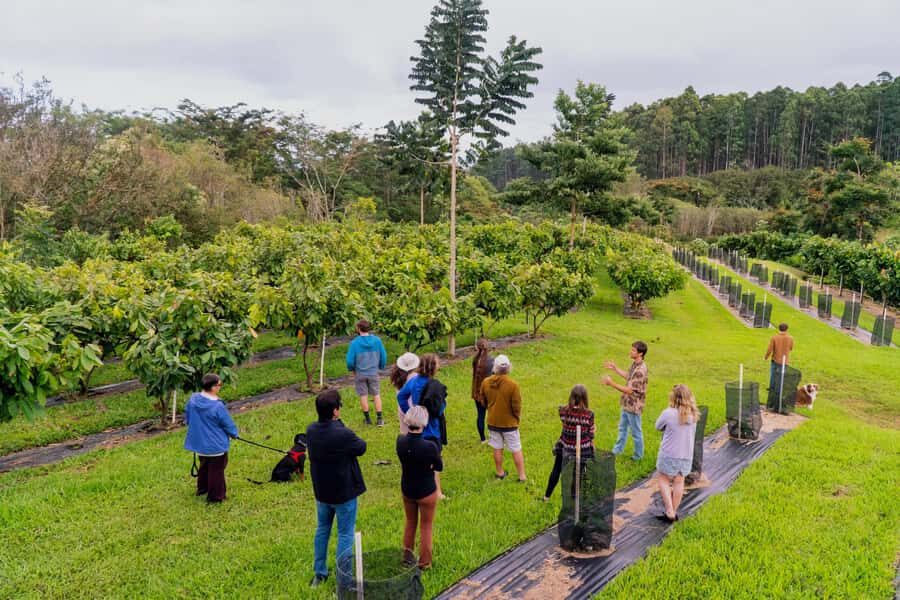
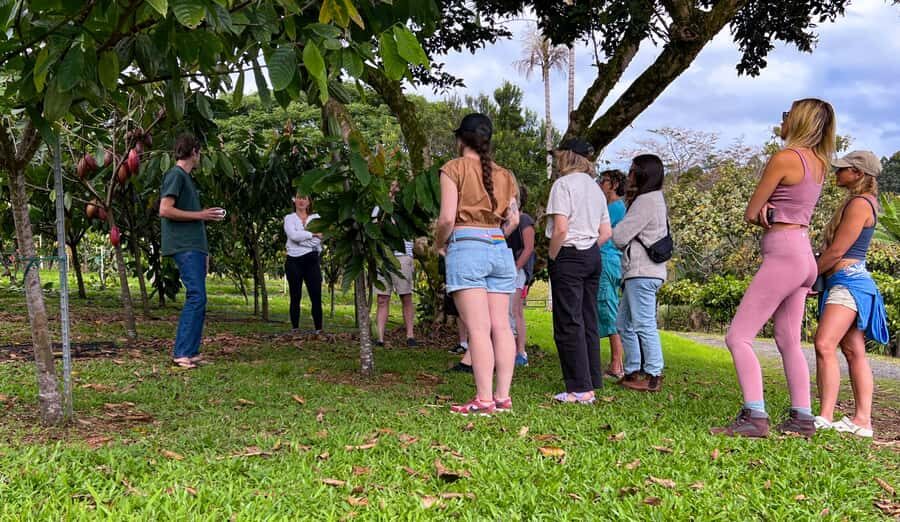
Once you’re introduced to the orchards, you’ll tour with a professional guide who can explain what you’re looking at while answering questions. The goal isn’t just to point at trees; it’s to show the full pathway from cultivation to harvest.
Here’s what makes the orchard portion valuable for your tasting later:
- You learn that cacao starts with living genetics and farm practices, not just “beans”
- You see how the pods fit into the cycle, which helps you understand why fermentation matters so much afterward
- You get a sense of the farm’s broader setting—breadfruit, sugarcane, macadamia, and cattle land—so cacao isn’t treated like an isolated novelty
Your guide also ties cacao to the Hamakua Coast region’s agriculture, including the once-booming sugarcane industry that helped shape the area. That context matters because it explains why this coast developed into a patchwork of crops, not just a single-crop landscape.
If you like asking questions, this part is where that curiosity pays off. The tour encourages it, and the hosts clearly enjoy teaching.
Fermentation room time: where quality can change quickly
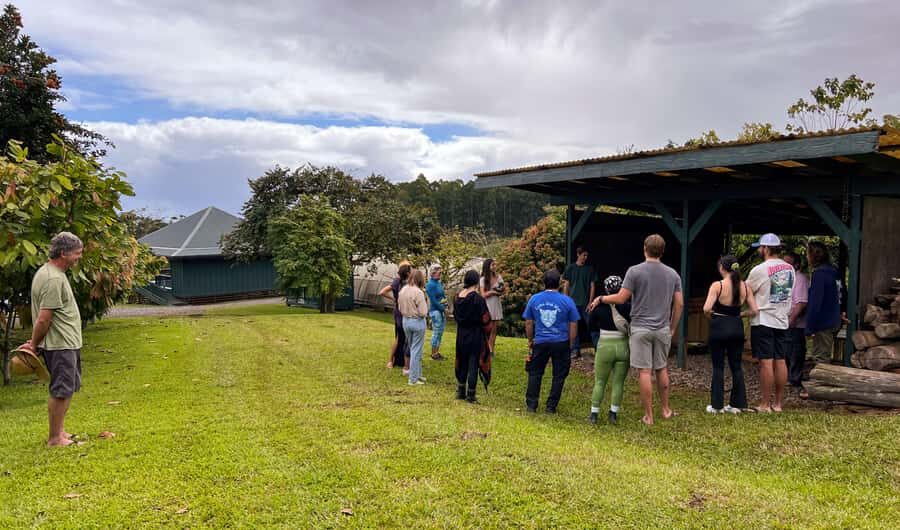
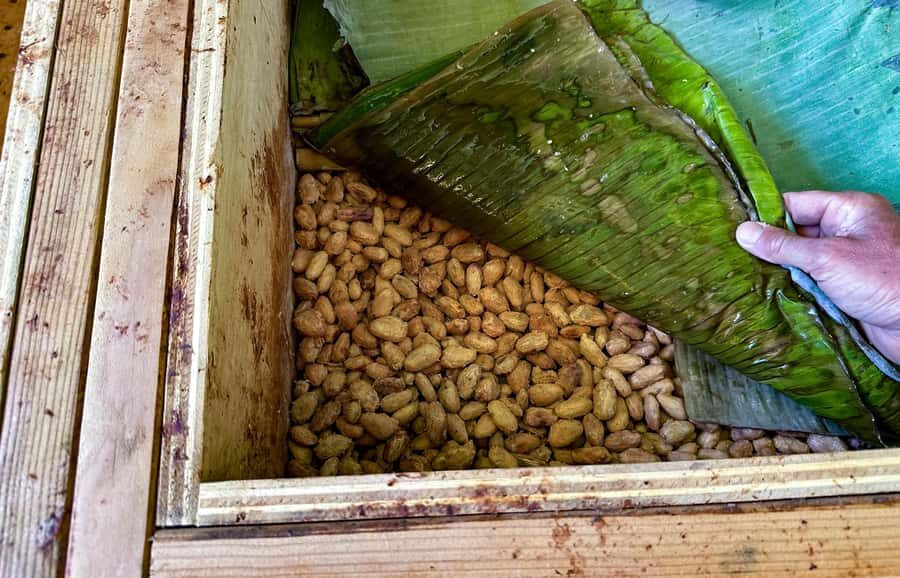
After the orchard walk, you go to the fermentation room for one of the most important lessons of the day. Fermentation is the step that many people skip when they think about chocolate. Here, you’ll get a focused explanation of post-harvest processing and why it’s “make or break” for flavor.
You’ll learn how fermented cacao beans develop the groundwork for aroma and taste, and you’ll hear the idea in practical terms: before fermentation, you’re dealing with fresh material; after fermentation, the chemistry shifts in ways that influence the final bar.
Why this section is worth the price (even if you’re not a food nerd): it turns the tasting into a test you can understand. When you later compare single-origin bars, you’re not guessing. You have a clearer model for what to pay attention to—how processing choices show up on your tongue.
Chocolate history, with a craft lens
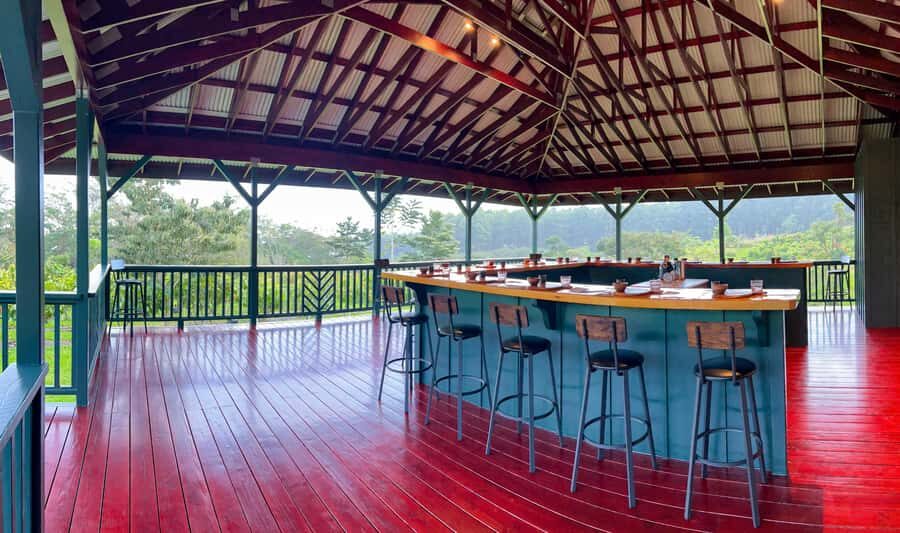
Back in the tasting room, the conversation expands beyond the farm. You’ll trace chocolate’s story from ancient Mesoamerica through to today’s craft chocolate movement.
This is where your guide helps you connect two worlds:
- Chocolate as a cultural and agricultural product with deep roots
- Chocolate as a modern industry where methods vary hugely
The tour also directly addresses differences between craft chocolate and mass-produced chocolate. The point isn’t to scold big brands. It’s to help you understand why the same “chocolate” word can cover different ingredient choices and different production goals.
If you’ve ever wondered why one bar tastes more complex while another tastes flat, this is the segment that gives you better language for the difference.



The tasting: compare 10 single-origin bars like fine wine
Now the fun part: you get guided tasting of at least 10 single-origin craft chocolate bars sourced from farms across the Hawaiian Archipelago.
Single-origin matters because it gives you a more honest comparison. Instead of one blended product hiding differences, you can actually notice how flavor shifts with place and processing decisions.
Your tasting comes with more than bars. You’ll sample:
- fresh cacao juice
- roasted cacao beans
- cacao tea
- chocolate-covered macadamias
- seasonal fruits and other farm-fresh treats
This matters because it changes how you experience “cacao.” Fresh cacao juice and roasted beans can taste very different from each other, so you’re training your palate to recognize multiple forms of cacao, not just the final sweet bar.
Also, the tasting isn’t just a free-for-all. It’s guided, so you’re more likely to leave with repeatable impressions—what you liked, what you didn’t, and what to look for when you buy craft chocolate later.
Why the food pairings feel thoughtful, not random
A lot of tastings throw in a few snacks and call it a day. This one uses pairings to reinforce lessons.
Roasted cacao beans and cacao tea help bridge the gap between raw cacao experience and finished chocolate. Chocolate-covered macadamias give you a texture contrast (crunch plus cocoa richness), while seasonal fruits help you notice sweetness levels and acidity that can make certain bars taste brighter or heavier depending on the combo.
And because the tasting room includes expansive views, you’re not eating in a rushed line. You can slow down, compare properly, and actually notice which bar preferences stick.
Price and value: what $130 buys you on Big Island
At $130 per person for about 210 minutes (around 3.5 hours), this isn’t the cheapest chocolate stop on the island. But it’s also not trying to be.
You’re paying for a full set of experiences that cost real time and real expertise:
- guided Honolii orchard tour
- guided fermentation-room tour
- tasting of at least 10 single-origin craft bars
- additional cacao samples like juice, roasted beans, tea, and farm treats
- a guided explanation of cacao history and craft vs mass methods
If you’re only chasing a quick souvenir bar, you’ll feel like you overpaid. If you want to understand why cacao becomes chocolate the way it does, and you enjoy comparing flavors deliberately, the price starts to look reasonable fast.
And there’s one more practical value point: you can purchase what you tasted afterward. That’s helpful because your favorites are already identified, so you’re not buying blindly.
Who should book this (and who should skip it)
This tour is a great fit if you:
- love chocolate and want to taste and learn, not just browse
- enjoy food science explanations you can actually use
- want a high-quality activity near Hilo that isn’t another shoreline stop
- appreciate guided teaching from experts with a clear passion for what they grow
It’s probably not the best match if you:
- prefer low-standing, low-walking activities
- are traveling with children under 9 (this isn’t suitable for them)
- want a quick, casual visit that you can do in an hour
If you have mobility issues or know you’ll have trouble standing for extended periods, you should let the organizers know ahead of time. The experience is structured around guided movement.
After the tour: take your time and buy your favorites
When the tasting wraps up, you’re not forced to leave immediately. You can relax in the tasting room and, if you feel like it, take a leisurely walk through the orchards.
If you tasted bars you love, you can purchase them then. Purchases of tasted chocolates and chocolate-based items like chocolate tea or brewing chocolate aren’t included, but the option is there.
This “stick around a bit” freedom is underrated. It lets you turn a scheduled activity into something more like a slow farm visit.
Should you book Honolii’s craft chocolate tasting?
Yes, if your goal is to come away with better taste memory and better cacao context. The strongest part of this experience is the combo: orchard tour plus fermentation-room science, then a long guided tasting of single-origin craft bars.
I would skip it only if you’re short on time, don’t enjoy standing/walking, or you just want the quickest chocolate fix without learning the process. If you fall into the learning-and-tasting camp, this is one of the more satisfying uses of a half day on the Big Island.
FAQ
How long is the Big Island craft chocolate tasting and farm tour?
The tour lasts 210 minutes (about 3.5 hours).
What does the $130 per person price include?
You get a guided tour of Honolii cacao orchards, a guided tour of the fermentation room, tasting of at least 10 single-origin craft chocolate bars, and samples of fresh cacao juice, roasted cacao beans, cacao tea, and seasonal fruits.
What should I expect to taste during the chocolate portion?
You’ll taste at least 10 different single-origin craft chocolate bars, plus other cacao samples such as cacao juice, roasted beans, cacao tea, and seasonal farm treats.
Is this tour suitable for children?
No. It is not suitable for children under 9 years.
Is the tour guide provided, and what language is it in?
Yes, there is a live tour guide. The tour language is English.
Where is the meeting point?
The meeting point is 1533 Puia Rd, and the easiest route is to use the provided Google Maps pin for accurate directions.
Are there restrictions on what I can bring or do during the tour?
Yes. The experience does not allow weapons or sharp objects, oversized luggage, baby strollers/baby carriages, smoking (including in the vehicle and indoors), bikes, handcarts, scooters, coolers, littering, and unaccompanied minors, among other prohibited items and activities.