REVIEW · BIG ISLAND OF HAWAII
Kona Tour: Bee Farm, Kona Coffee, and National Historical Parks
Book on Viator →Operated by Wasabi Tours Hawaii · Bookable on Viator
Sea turtles and coffee in one long day. What I like about this tour is how it braids together three very different sides of the Big Island into one smooth route: Kaloko-Honokohau’s shoreline wildlife and bee-to-bottle honey tasting led by a real local beekeeper. You also get Kona coffee time in the cooler coffee belt air, plus lunch and round-trip hotel transport—so you’re not spending the day managing logistics. The one tradeoff is that it’s a full 7-hour circuit with multiple walking stretches, so you’ll want closed-toe shoes and a moderate stamina level.
This tour runs in a small group, max 12 people, which makes a big difference on a day this long. You’ll hear the stories from the van and then have enough time at each stop to ask questions and take photos. The possible drawback: some parts can hinge on access and conditions, like petroglyph viewing rules and whether wildlife is visible at the beach that day.
In This Review
- Key points to know before you go
- From hotel pickup to a small-group Kona loop
- Kaloko-Honokohau: petroglyphs, fishponds, and possible sea turtle sightings
- Pu’uhonua o Honaunau: the city of refuge walk you can actually picture
- Bay View Farm and Kona coffee: lunch plus the real work of roasting
- Kealakekua Bay: a short scenic stop with big story weight
- Big Island Bees: organic honey since 1972, with protected hive viewing
- Food, timing, and how to manage the 7-hour day
- Price and value: what you’re actually paying for
- Who should book Kona’s bee farm and Kona coffee history day
- Should you book this tour?
- FAQ
- How long is the Kona Tour, Bee Farm, Kona Coffee, and National Historical Parks?
- What’s included in the tour price?
- Do they pick up from Kona and Kohala hotels?
- Is this tour suitable for cruise ship guests?
- How big is the group?
- What happens if weather is poor?
Key points to know before you go
- Small-group size (12 max) means more direct conversation with your guide in both the van and at the stops
- Kaloko-Honokohau National Historical Park combines petroglyphs in black rock with fishponds and seawalls
- Pu’uhonua o Honaunau is a focused walking tour of the city of refuge concept and ancient kapu law
- Big Island Bees has an organic honey history going back to 1972, with protected hive viewing and tastings
- Kona coffee on the mountain includes plantation time and lunch, with a big emphasis on growing through roasting
From hotel pickup to a small-group Kona loop
Your day starts with pickup by minivan from Kona or the Kohala Coast area. If you’re on a cruise, pickup can work from Kona Pier, and the tour is marked as suitable for cruise ship guests. You’ll get a mobile ticket, bottled water, and a guide who keeps things moving so you don’t lose time to confusion.
The route is built for a “south and back” style day. You’ll pass through coastal villages and historic sites, then head toward the coffee belt for the coffee portion in cooler mountain air. Even though you’re going far, the minivan ride means you’re not constantly switching cars or playing transportation Tetris.
This is also where the small-group rule pays off. With a group capped at 12, your guide—often people like Dreu, Kai, Kala, Nick, Derek, or Oni Oni—can slow down when questions pop up. In past departures, guides have been praised for turning geology, historical context, and day-to-day island life into clear, easy-to-follow stories.
Other coffee and farm tours in Big Island of Hawaii
Kaloko-Honokohau: petroglyphs, fishponds, and possible sea turtle sightings
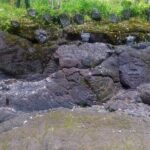
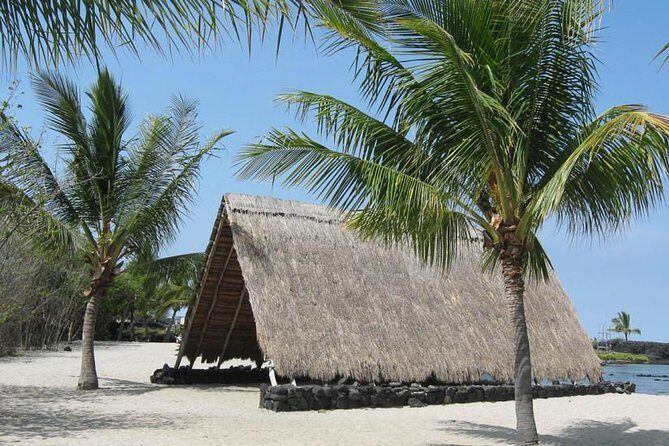
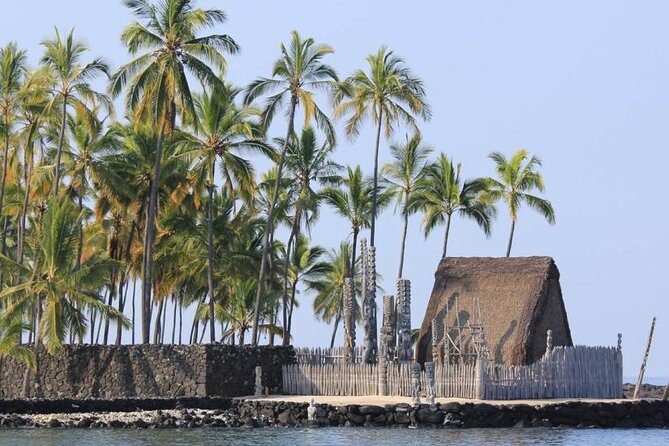
Kaloko-Honokohau is the first wow of the day. You’ll be led through a National Historical Park area where the terrain is mostly black rock, and that’s exactly why the petroglyphs feel special. The guide points out sites that can look invisible until someone helps you line them up with the terrain.
This stop is also about the way people lived with the ocean. You’ll learn about handmade fishponds and seawalls along the beach, which makes the shoreline feel less like scenery and more like an old working system. Then you’ll stroll along a trail toward sacred temples and the petroglyph locations.
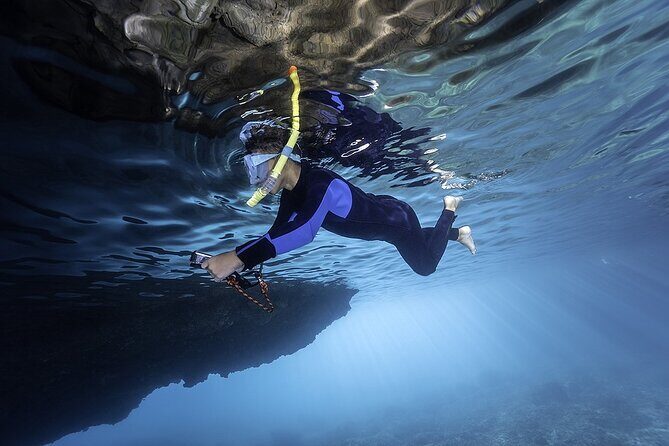
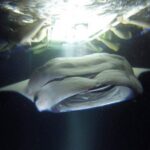
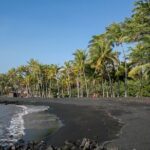
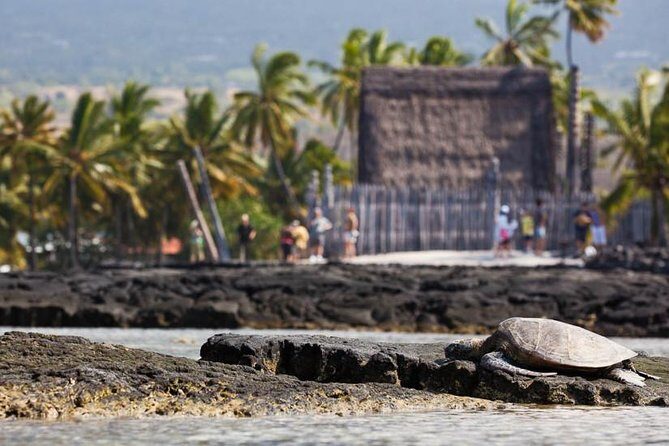
The best part here is the wildlife possibility. Honokohau’s sandy stretch is a place where you can look for sea turtles surfacing for air and you might even spot a Hawaiian monk seal. Real talk: sightings are never guaranteed, but the park makes it easy to look without feeling like you’re stuck staring at one spot.
One thing to keep in mind: petroglyph viewing can depend on what park staff allow on a given day. In at least one case, the guide wasn’t able to show the petroglyph points as expected because of on-site changes. If that happens to you, treat the stop like a broader education moment—fishponds, temples, and coastal life are still the core value.
Pu’uhonua o Honaunau: the city of refuge walk you can actually picture
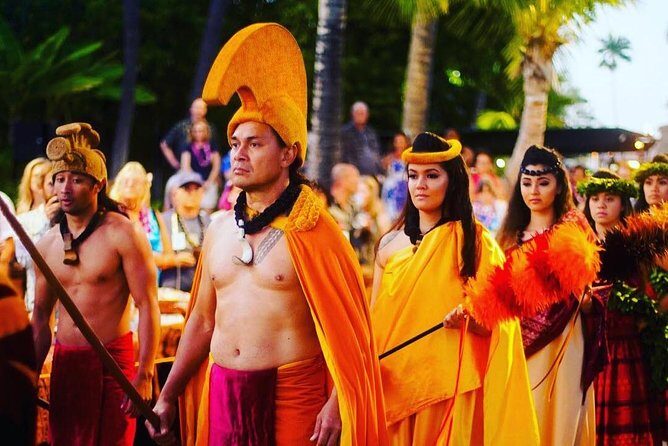
After the first park stop, you’ll head to Pu’uhonua o Honaunau National Historic Park for a narrated walking tour. This is one of those places where the story matters as much as the scenery. You’ll learn how Hawaiians who broke an ancient kapu (law) could flee to this seaside location and be absolved by a priest.
The effect is mental. You start to see how rules, community, and landscape connect here. Instead of a quick photo stop, this one is built around walking, listening, and tying what you see to what the place meant.
The walk is about an hour, so you’ll have time to move at a comfortable pace. Wear shoes you trust. Even on a guided route, your feet are doing the work, and this is a day where you’ll appreciate not being underprepared.
Bay View Farm and Kona coffee: lunch plus the real work of roasting
Next comes the coffee portion, and it’s not just “look at plants and drink coffee.” You’ll spend time walking through the orchards and learning harvesting and milling steps. You’ll also sample a warm cup of Kona-grown coffee during this phase, which helps you connect the flavor to what the plant process is doing.
What makes this stop valuable is the chain of explanation. You should expect coverage from growing, to harvesting, to processing, and then roasting. Kona coffee is famous, so it’s easy to treat it like a label. Here, you get the steps behind the reputation.
You’ll also have a picnic-style lunch with snacks. The lunch is part of the value you’re buying: you’re paying for a guided day where food and tastings are built in, not tacked on at the end when you’re tired and hungry. If you time your snack bites and sip water, this meal helps you make it through the rest of the day without the crash.
This is also where the coffee belt feeling can kick in. The drive up toward the mountain areas is often cooler and mistier, and that shift changes the pace. Instead of heat-on-the-coast exhaustion, you get a more comfortable temperature for walking and listening.
Kealakekua Bay: a short scenic stop with big story weight
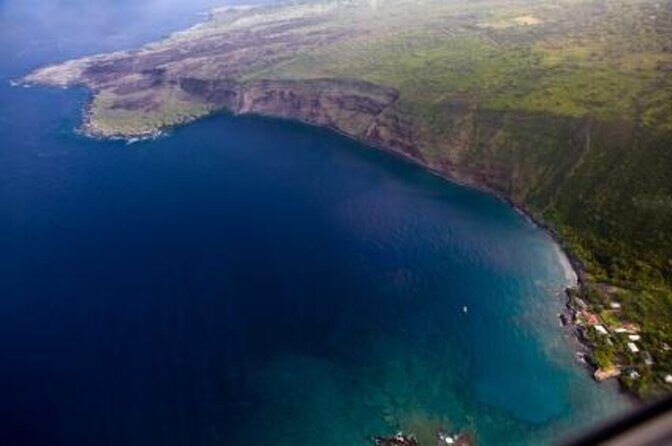
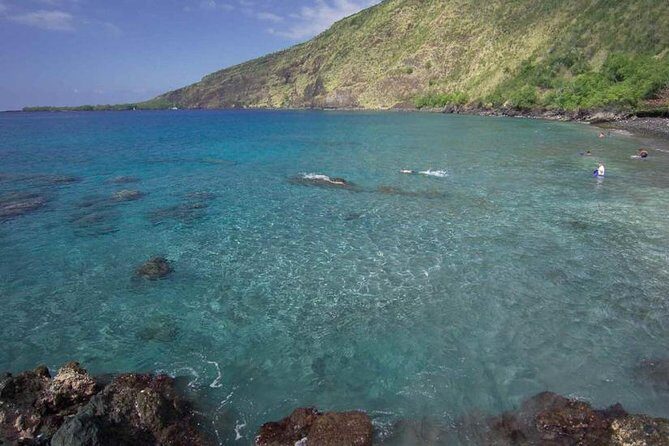
Kealakekua Bay is a short stop, about 15 minutes, but it’s loaded with context. You’ll look at the bay and hear about Captain James Cook’s arrival there—part of the reason this coast became so well-known in the first place.
Because the stop is brief, this isn’t the place to plan a long wander. I like it for what it is: a quick set of historical bearings that makes the earlier stops feel connected. When you’ve just spent time with coastal living and refuge laws, Cook’s story lands with more meaning than it would as a standalone fact.
Use this moment to look at the water and coastline before the day shifts again. Even without a long walk, you’ll get the atmosphere, which helps when you later think back on the day’s mix of ocean life and history.
Other historical tours in Big Island of Hawaii

Big Island Bees: organic honey since 1972, with protected hive viewing
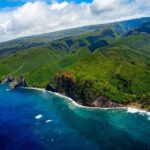
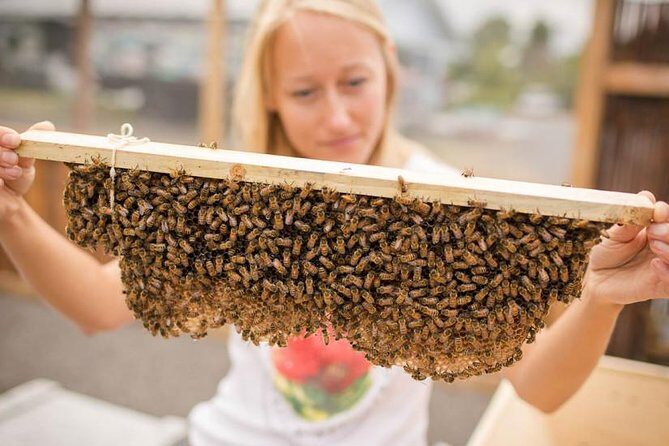
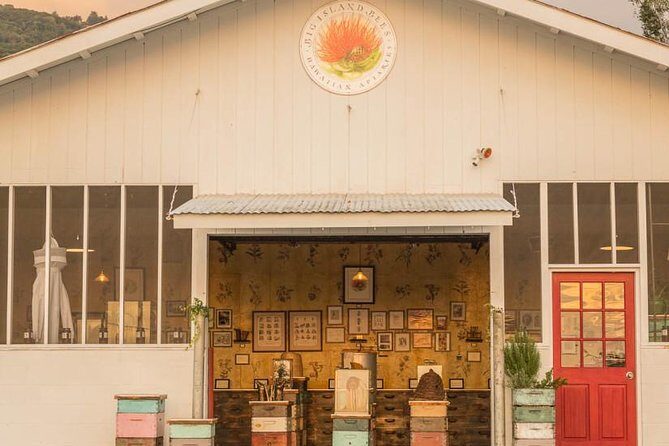
Then it’s time for the bee farm. You’ll ride along a rugged volcanic coastline to Big Island Bees, and that drive is part of the fun if you enjoy seeing the island’s raw edges. The honey story here is long-running: the farm has produced organic honey since 1972.
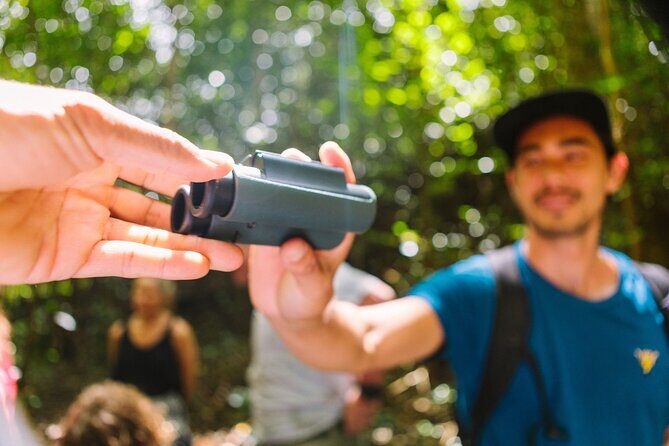
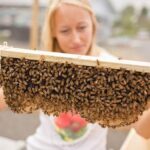
You’ll meet with the beekeeper for a presentation, then get a close-up look at a thriving open beehive from a protected viewing area. This is the key difference between a “see a couple hives” stop and a real bee experience. You’re watching bee behavior in an actual setup, and you get a safety-focused way to do it.
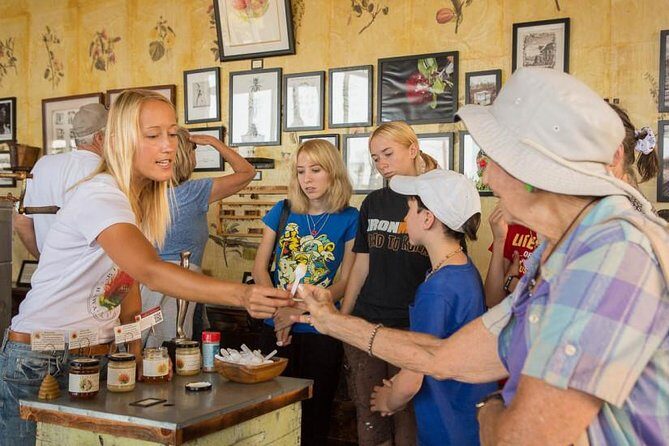
After the presentation, you’ll taste raw organic honey. The guide should explain why bees are vital for ecosystem health—so the honey isn’t just a souvenir flavor. It’s a window into how the island functions.
One practical reality: the bee stop may feel partly like a guest-friendly setup, not a full behind-the-scenes operation. In at least one mixed experience, the visible area included a more tourist-facing component with demonstration hives, with the bigger operation happening elsewhere. Still, the beekeeper explanation and tastings are the heart of the value here, and those have been a standout in many high ratings.
Food, timing, and how to manage the 7-hour day
Expect a full day. This tour runs about 7 hours and starts with morning pickup (often in the 7:00 AM–8:00 AM window). You’ll be on the move from one site to the next, and while each stop isn’t extremely long, the total adds up.
The best way to enjoy it is to show up ready to walk. The tour calls for moderate physical fitness, and you’ll cover trails and walkways in the parks. Closed-toe shoes are required, and I’d add the common-sense items that keep you comfortable: water focus (you get bottled water) and sun protection since you’ll have shoreline time.
Lunch is picnic-style with snacks, which helps because you don’t have to hunt for food. If you’re sensitive to hunger timing, plan to eat when lunch is offered rather than waiting until you feel wiped out.
Weather is another factor. The tour notes it operates in all weather conditions, but it also states it requires good weather. If weather is a problem, you should expect an alternative date or a full refund offered. That’s worth considering if your schedule is tight and you have only one day on the island.
Price and value: what you’re actually paying for
At $198.17 per person, this isn’t the cheapest “one-day checklist” option. What I see in the value is that you’re paying for the pieces that are hard to bundle yourself on the Big Island.
First, you get round-trip hotel transport by minivan plus bottled water. Second, you get a professional guide who talks throughout the ride and at each stop, and that guide time is the difference between reading plaques and actually understanding what you’re looking at. Third, admissions are included, and you also get honey and coffee tastings plus lunch.
When you compare that to splitting things up on your own, the cost starts to make more sense. You’re buying a guided route that connects Kaloko-Honokohau, Pu’uhonua o Honaunau, and Kona coffee into one day without the usual driving and scheduling headaches.
Group size also matters for value. With a max of 12 travelers, you’re less likely to feel like a number. In several standout experiences, the guide’s storytelling style turned the day into something more memorable than a series of stops.
Who should book Kona’s bee farm and Kona coffee history day
This tour fits best if you want a balanced day: ocean wildlife lookout, cultural sites, and food-focused island education. If you like history but prefer it told with real-world context (fishponds, temples, refuge rules), this lands well. If you’re a coffee person, you’ll likely appreciate the step-by-step talk about growing, processing, and roasting.
It also works well for couples and small families who don’t want to drive and park constantly. The minivan setup and planned stops keep the day flowing. Just remember the children rule: children under 5 aren’t allowed.
If you’re the type who loves photography but hates rushed timing, plan to arrive mentally ready for a structured day. You’ll have time at each location, but you’re not on an open-ended self-guided roam.
Should you book this tour?
Yes, I think it’s a strong choice if you want one organized day that hits multiple “Kona must-dos” without stress. The reasons to lean in are the honey and coffee tastings, the two National Historical Park experiences, and the way guides like Dreu, Kai, Kala, Nick, Derek, and Oni Oni have been praised for making the stories click.
Book it especially if you can do a full 7-hour day and you’re okay with the wildlife and petroglyph parts depending on day-of conditions. If you’re mainly after the most hands-on, industrial-style beekeeping, you might find the bee farm presentation more guest-facing than you hoped. If you’re okay with that tradeoff, the rest of the day is built well enough to justify the price.
FAQ
How long is the Kona Tour, Bee Farm, Kona Coffee, and National Historical Parks?
It’s listed as about 7 hours.
What’s included in the tour price?
The tour includes Kona and Kohala area hotel pickup and drop-off, bottled water, admission fees, a picnic-style lunch and snacks, honey and coffee tastings, and a professional guide.
Do they pick up from Kona and Kohala hotels?
Yes. Pickup is offered from major hotels and resorts in Kona and the Kohala Coast. If you’re staying at a vacation rental, the operator directs you to the closest pickup location.
Is this tour suitable for cruise ship guests?
Yes. Pickup can be arranged from Kona Pier, and it’s marked as suitable for cruise ship guests.
How big is the group?
Maximum group size is 12 travelers.
What happens if weather is poor?
The experience requires good weather, and if it’s canceled due to poor weather you’ll be offered a different date or a full refund.