REVIEW · BIG ISLAND OF HAWAII
Umauma Falls eBike Tour in Hakalau
Book on Viator →Operated by The Umauma Experience · Bookable on Viator
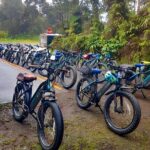
Umauma Falls by e-bike is the kind of Hawaii combo I like: scenery plus culture, without turning it into a long hike. This tour takes you to Umauma’s triple-tier waterfall (a view you get from the property), then shifts to an outdoor cultural classroom where guides explain native plants and traditions. I also like that the ride is on premium e-bikes over paved terrain, so you can enjoy the landscape and still save your legs for the last stop.
If there’s one consideration, it’s that the experience is still active. You need to be able to ride a bike and handle uneven, steep terrain at points, plus you should have moderate fitness. If water activities and wet ground are a concern, the optional swim at the private waterfall is there—but you’re not required to do it.
In This Review
- Key things to know before you go
- Price and what you actually get for $135
- Getting to the meeting point in Hakalau without stress
- E-bikes on paved terrain: how hard is the riding?
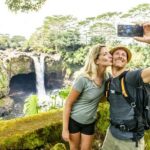
- Stop 1: Umauma Falls triple-tier views from the property
- Stop 2: The Hale cultural classroom and native plants you’ll remember
- Stop 3: Private waterfall, pond, petroglyph, and the optional swim
- Guides make the difference: you may meet Jack and Kili
- Small group size means easier attention
- Timing and pacing: why the stops feel balanced
- What to bring (and what to plan for)
- Who this tour fits best
- Should you book the Umauma Falls eBike Culture and Swim Tour?
- FAQ
- How long is the Umauma Falls eBike tour?
- How much does the tour cost?
- What is included in the tour?
- Do I need to bring transportation to the start?
- Is there an optional swim?
- What fitness level do I need?
- Are there any terrain requirements?
- What is the group size limit?
- What happens if the weather is bad?
Key things to know before you go
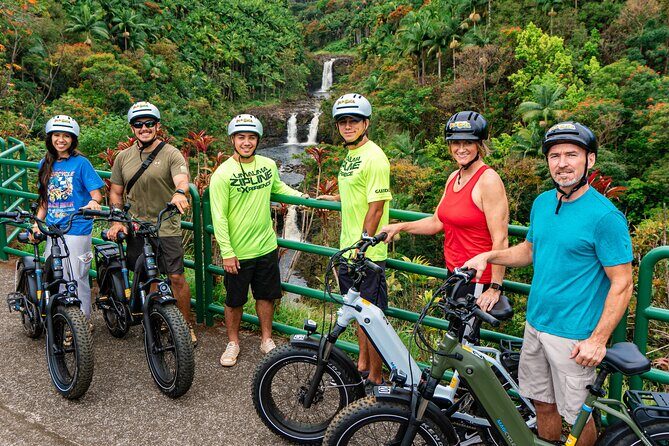
- Triple-tier Umauma Falls access from the property, with a short built-in photo-and-view stop
- Outdoor cultural classroom in a Hale (House), focused on native plants and Hawaiian resourcefulness
- Private waterfall and pond along the Umauma river, plus an authentic petroglyph sighting
- Optional swim at the end, where you can refresh after the ride
- Small group size with a maximum of 12 travelers
- Premium e-bikes on paved terrain to keep the effort reasonable
Price and what you actually get for $135
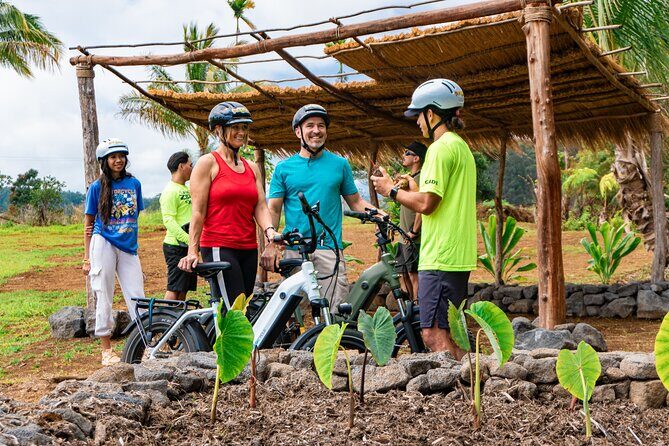
At $135 per person, this tour isn’t a budget “quick look” kind of activity. You’re paying for three things that add up: the e-bike, guided interpretation, and access to private property for the waterfall-and-pond portion (including admissions tied to the stops).
The timing helps you decide if it feels worth it. You’re typically out for about 1 hour 30 minutes to 2 hours, and the pacing matters: you get a short hit at Umauma Falls for the views, a longer cultural segment where learning is part of the point, and then a final stretch for the private waterfall experience. For many visitors, that structure is more valuable than spending the same time doing just one viewpoint.
If you’re deciding between a “just scenery” tour and a “scenery plus meaning” tour, I’d steer you toward this one—especially if you like learning about plants you’ll actually see in Hawaii, not just reading placards later.
Other cycling tours in Big Island of Hawaii


Getting to the meeting point in Hakalau without stress
The tour starts at 31-313 Old Mamalahoa Hwy, Hakalau, HI 96710 and ends back there. That return-to-start setup is practical: you don’t have to worry about where you’ll end up after the swim portion.
It’s also described as near public transportation, so if you’re traveling without a car, it’s at least worth checking your bus/ride options for that area. What I’d plan for: bring what you need for a wet environment (or at least clothes you don’t mind getting damp), since the final stop involves a pond and an optional swim.
Because the tour requires bike riding and includes uneven, steep terrain at points, I’d keep your planning simple: wear closed-toe shoes, and don’t treat this like an easy stroll.
E-bikes on paved terrain: how hard is the riding?
This is one of the best parts of the day, because the e-bike format changes the energy math. You’ll be traveling over paved terrain, and the e-bikes are described as premium, which generally means less effort and more control when the day turns humid and slippery.
Still, don’t assume “paved” equals “totally flat.” The tour is also clear that you must be able to ride a bike and handle uneven and steep terrain. That’s the big difference between an e-bike tour that stays simple and one that includes moments where you need steady footing and balance.
My practical advice: if you’ve never ridden a bike in hilly conditions, consider whether your comfort level matches the requirement. This won’t be a “stand and watch” experience. You’re included, you’re moving, and you’ll need to pay attention.
Stop 1: Umauma Falls triple-tier views from the property
Your first stop is Umauma Falls, with about 5 minutes at the famous triple-tier waterfall. The key detail here is that this view is described as only viewable from the tour’s property. That matters because Hawaii waterfalls can be hard to access from public roads or general viewpoints.
You’ll get a brief admission-included visit—enough time for photos and orientation. The short stop is also a clue about what kind of day this is: it’s not a long waterfall-only linger. This is a “see it, then move on” style tour, and that works well because the rest of the experience is equally intentional.
Possible drawback: if you’re the type who wants 20–30 minutes to soak in a waterfall, this first stop may feel a bit quick. The tradeoff is that you’ll get cultural context and a second water feature later.
Stop 2: The Hale cultural classroom and native plants you’ll remember
After the quick waterfall hit, the tour moves into Umauma’s outdoor cultural classroom for about 30 minutes. This is where the experience turns from pretty to meaningful.
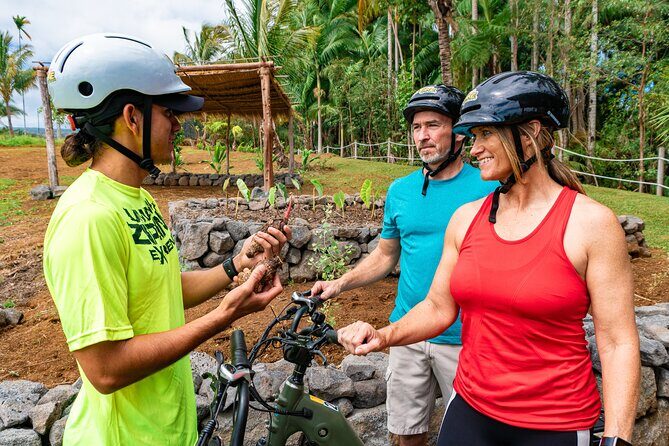
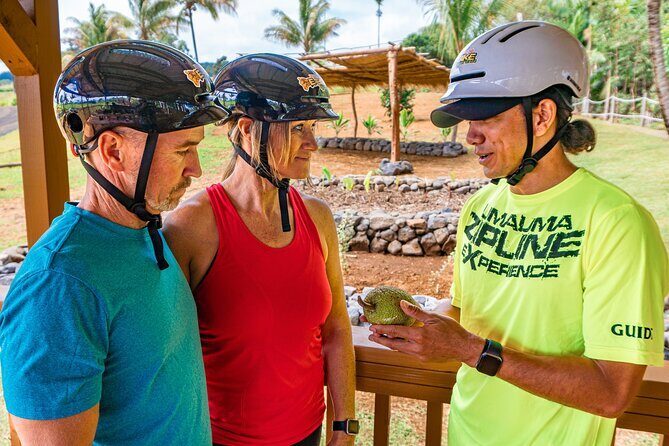
You’ll visit a traditional Hale (House) and learn from guides about native Hawaiian trees, plants, and culture. The tour description calls out three specific topics that are especially useful because they connect plants to real human needs:
- Taro and why it’s important
- Kukui nut and its medicinal uses
- Coconut and how it supports everyday resourcefulness
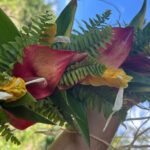
I like that this isn’t presented as abstract trivia. If you’ve ever visited Hawaii and noticed how many plant names are tied to food, tools, and healing, you’ll probably find this segment clicks fast. You’ll also be standing in a place that fits the lesson, with the plants and setting doing part of the teaching for you.
Another smart aspect: the guides do narration as you move through the landscape. So you’re not only learning once you arrive—you’re picking up the story while you pedal.
If you’re the kind of traveler who learns best when someone points out what you’re actually looking at (instead of handing you a brochure), this stop is likely the highlight.
A few more Big Island of Hawaii tours and experiences worth a look
Stop 3: Private waterfall, pond, petroglyph, and the optional swim
The final main stop is another 30 minutes, this time at a private waterfall and pond on the Umauma river. This is where the tour feels more secluded and personal, since it’s described as private rather than a general public area.
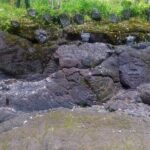
You’ll see an authentic petroglyph, which is one of those “slow down and actually look” moments. These carvings aren’t just decorations; they’re part of the cultural landscape, and the tour sets aside time for you to spot and take in that detail.
Then comes the part most people will remember: the optional swim. The swim is not presented as mandatory, and you should think of it as a chance to cool off after the ride—not a fitness test.
A practical note: if you decide to swim, plan for damp hair and a wet environment afterward. One of the praised moments in the experience is that the swim finishes the day in a fun, memorable way—basically, you’re ending on a sensory high, not just another photo.
Guides make the difference: you may meet Jack and Kili
The tour’s value depends heavily on guide storytelling, and the feedback you’ll see around this experience strongly emphasizes the ambassadors leading the way. Names that come up include Jack and Kili, who are praised for guiding people through the land around Umauma Falls.
That matters because this tour isn’t only about reaching points on a map. The ride and the stops are designed to be narrated—native plants, Hale traditions, and the connection between resources and daily life. When the guide is strong, the whole day feels like a single coherent experience instead of three separate activities.
If you’re a “show me what I should notice” traveler, you’ll likely appreciate guides who point out details in plain language and keep the pacing friendly.
Small group size means easier attention
With a maximum of 12 travelers, this isn’t crowded-tour territory. That usually translates into two practical benefits:
- You’re less likely to feel rushed during stops
- You get better chances to ask a question or get help if you’re adjusting to biking pace
Even if you’re comfortable on the bike, having a smaller group makes the cultural classroom segment feel more like a conversation than a lecture.
Timing and pacing: why the stops feel balanced
The day’s layout is designed for energy management:
- A short waterfall look first (so you’re not tired when you want the best views)
- A longer plant and culture segment next (learning doesn’t require the same physical output)
- A final water and swim option to end the experience on a refreshing note
This pacing is also good for mixed travel styles. If you care about the waterfall, you get it early. If you care about culture, you get the sustained stop after. And if you want fun at the end, the private pond and swim give you that release.
If you prefer a slow, lounging vacation day, you might still find the overall structure brisk. But for many visitors, it’s an efficient way to get a lot of Hawaii feeling in a short time.
What to bring (and what to plan for)
The tour data doesn’t list an official packing list, but based on what’s included and what happens during the day, I’d plan for these basics:
- Closed-toe shoes you can wear on uneven spots
- A swimsuit or quick-dry option if you think you’ll do the optional swim
- A small towel or something you’re fine using for getting dry
- Light layers, because it can feel different after you ride and then get near water
Also remember: you’re on an e-bike, so bulky items can be annoying. Bring what you need, keep it simple, and you’ll enjoy the ride more.
Who this tour fits best
This is a great match if you:
- Want Hawaii scenery plus practical cultural context about native plants
- Like guided narration and learning tied to what you can see
- Prefer e-bike effort over a longer hike
- Enjoy finishing with water play (but like the option to skip if you don’t want it)
It may be less ideal if you:
- Want an extended, 1-hour-plus waterfall viewing session
- Struggle with riding a bike or feel unsure about uneven/steep terrain
- Don’t want any chance of ending up damp (since the final stop includes a pond and optional swim)
Should you book the Umauma Falls eBike Culture and Swim Tour?
I’d book this if you want a compact day that connects three things Hawaii does well: water views, plant-focused learning, and a real chance to cool off at the end. The $135 price makes sense when you factor in the e-bike, guided stops, admissions included with the tour’s waterfall access, and the private waterfall-and-pond experience.
Your biggest decision point is confidence in bike riding and comfort with uneven ground. If you can handle that—and you’re curious about taro, kukui nut, and coconut through a local teaching style—this is a memorable way to spend your time on the Big Island.
If you want a chilled, no-participation activity, this won’t be that. But if you want to move, learn, and end with a swim option, you’ll probably feel like you got good value for your time.
FAQ
How long is the Umauma Falls eBike tour?
It typically lasts about 1 hour 30 minutes to 2 hours.
How much does the tour cost?
The price is $135.00 per person.
What is included in the tour?
You get use of the bicycle, and admission tickets are included for the tour stops.
Do I need to bring transportation to the start?
Private transportation is not included, but the meeting point is described as near public transportation.
Is there an optional swim?
Yes, the private waterfall stop includes an optional swim at the end.
What fitness level do I need?
You should have a moderate physical fitness level, and you must be able to ride a bike.
Are there any terrain requirements?
You must be able to hike uneven and steep terrain in at least some parts of the experience.
What is the group size limit?
The tour has a maximum of 12 travelers.
What happens if the weather is bad?
This experience requires good weather. If it’s canceled due to poor weather, you’ll be offered a different date or a full refund.