REVIEW · BIG ISLAND OF HAWAII
Waipi’o on Horseback: Mountain Ocean Views Working Cattle Ranch
Book on Viator →Operated by Waipio on Horseback · Bookable on Viator
This horseback ride feels like a local farm visit. You’ll ride through a working WOH Ranch on the Hamakua side of the island, with ocean views from higher ground and your guide explaining native plants and the Ahupua’a land system. I also love the small-group vibe and the chance at fruit sampling straight from the ranch. One real heads-up: this is not a Waipio Valley trip and it does not go down to the ocean or beach.
The experience runs about 2 hours, and the vibe is calm and personal, with a maximum of 8 riders. If you’re new to horses, this tends to be an easy first outing, and your guide focuses on keeping the ride smooth and safe.
Timing and logistics are part of the deal. You’ll choose a morning, afternoon, or sunset-style departure (with specific check-in times), and you drive yourself to the meeting point near Honokaa—no pickup.
In This Review
- Key things to know before you go
- WOH Ranch in Honokaa: what you’re really riding through
- From Ahupua’a history to fishponds: how the guide teaches
- The ride itself: ironwood canopies and a calm, well-paced trail
- Ocean views without going down to the shoreline
- Fruit sampling: tasting the ranch at the end
- Horses, comfort, and who this tour fits best
- Price and value: is $160 for 2 hours fair?
- Timing and logistics: how to make the start painless
- Practical tips before you saddle up
- Should you book Waipio on Horseback?
Key things to know before you go
- Working cattle ranch setting: You’re riding on a real operation, not a staged trail.
- Ahupua’a lesson along the way: Expect talk of the traditional mountain-to-ocean land division.
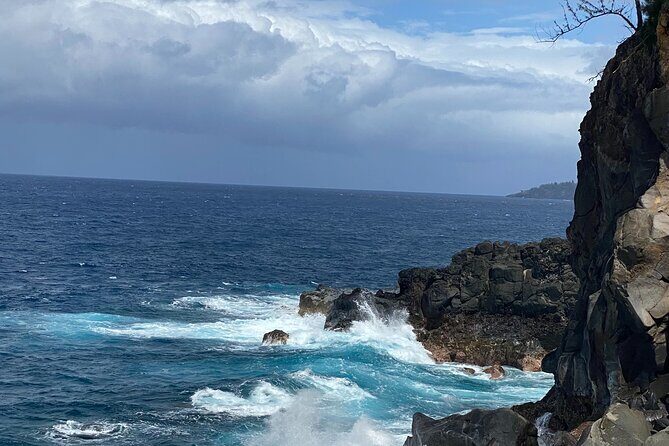
- Ocean views, not an ocean descent: You’ll enjoy coastline views from afar rather than going down to the water.
- Fresh fruit sampling: Plan on tasting fruit grown on the ranch.
- Small group for a more personal ride: Max 8 travelers means you’re not lost in a crowd.
- Real guide personalities: Guides like Micah, Nia, Patricia, Moses, Trisha, and Tess may be part of your experience.
WOH Ranch in Honokaa: what you’re really riding through
This ride centers on WOH Ranch, a working livestock ranch and farm operation with views toward the ocean. The area is known for Hamakua scenery and the way the land holds history—from old settlement remnants to fishponds and the plants that grow here naturally.
What I like for first-timers is that the setting does the work. You don’t need to be an expert rider to enjoy the trip because the trail is built around interesting stops: ranch roads, fruit trees, and viewpoints. A lot of people go home talking about how relaxing the ride feels while still being scenic and varied.
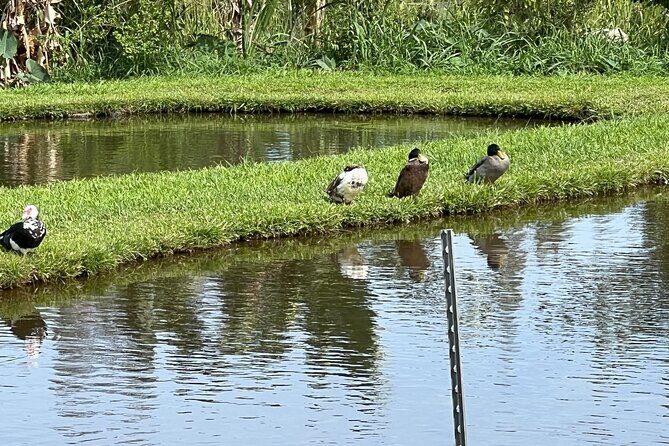
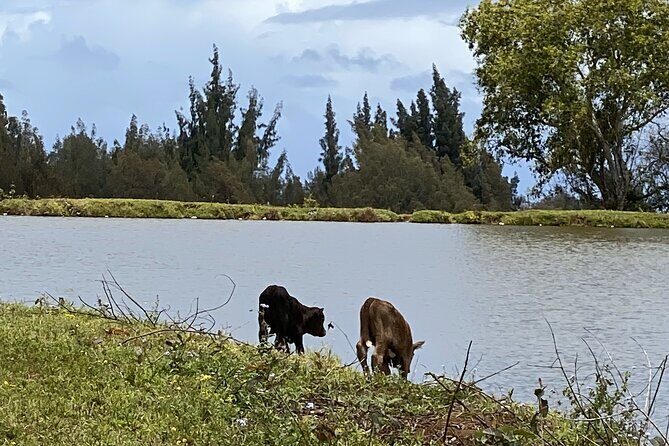
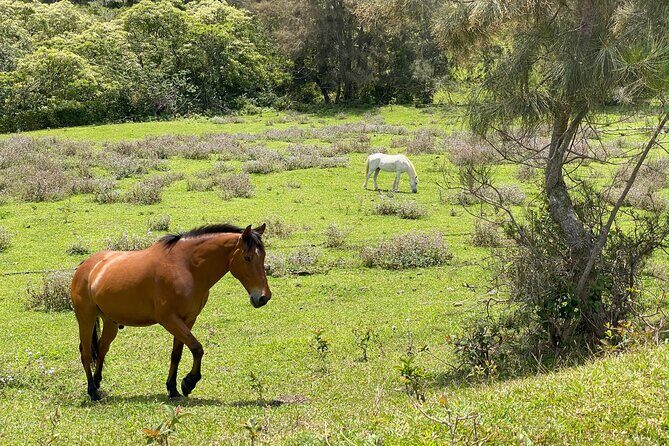
Also, you’ll likely see a mix of ranch animals and signs of ranch life. Based on the descriptions and feedback people share, it’s common to spot cattle, horses, turkeys, chickens, ducks, and sometimes wild pigs or black sheep in the area.
If you’re the type who loves to connect scenery with how people lived, you’re in the right place. This isn’t just “look left, look right.” It’s “here’s how the land supported life from mountain to sea.”
If you're still narrowing it down, here are other tours in Big Island of Hawaii we've reviewed.

From Ahupua’a history to fishponds: how the guide teaches
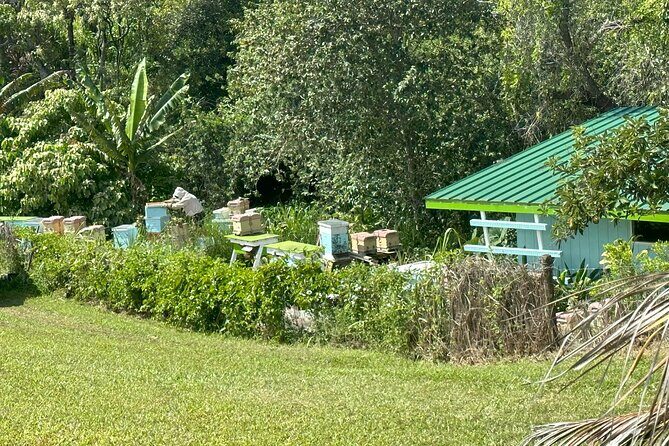
One of the biggest strengths here is the guide’s storytelling. You’re not just getting directions for the horse ride—you’re learning how the region fits into a traditional Ahupua’a setup, where one land division historically stretched from higher elevations down toward the ocean.
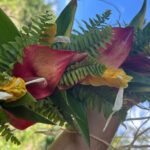
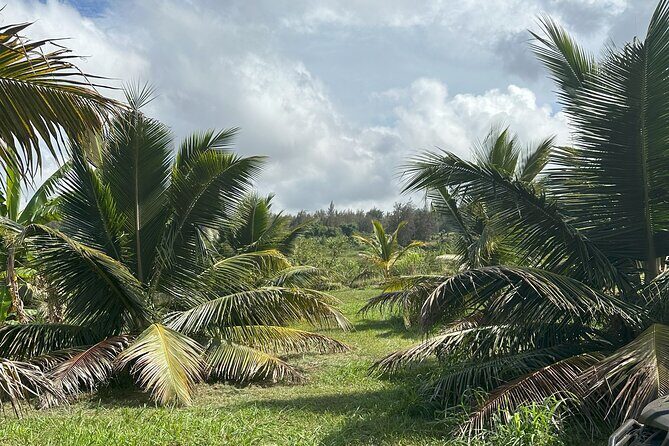
Expect the guide to point out what’s growing and why. You may see a long list of plants, including dwarf coconut, breadfruit, kukui nut, sugar cane, taro, sweet potato, and multiple varieties of heirloom bananas. Your route also includes stops around fishponds where Hamakua sunfish are mentioned, plus views near a historic Hamakua ditch.
There’s a practical reason this matters. When you understand what you’re looking at—taro fields, fishpond systems, ditch remnants—you start to “read” the land instead of just photographing it. The result is a more meaningful outing, especially if this is one of only a few structured activities you’ll do on the Big Island.
If you want a specific example of how the guides connect people to the land: guides such as Micah and Nia are often praised for answering questions about local plants and animals. Patricia, Moses, Trisha, and Tess also come up in shared experiences for making the ride feel personal and clear from start to finish.
The ride itself: ironwood canopies and a calm, well-paced trail
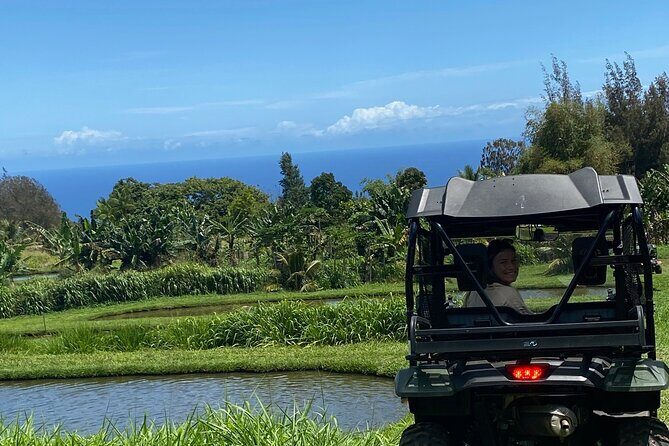
Your ride starts at WOH Ranch, and the trail works through a mix of terrain and ranch property. Along the way, you may pass through shaded areas under ironwood trees and near remnants of old Hawaiian settlements. The pace tends to be steady and unhurried, with time to look around rather than sprint from one photo spot to another.
A lot of riders love that the horses seem well handled and responsive. People describe the horses as gentle and well trained, with saddles that feel comfortable enough even for first-timers. If you’re totally new, you can still enjoy the ride because you’re not expected to show off skills—you’re expected to follow directions and stay balanced.
Another thing: it’s not just “horse time.” There’s also a short break at the ocean area to take in the coastline views. On a clear day, you can even see Maui from this part of the coast.
The ride distance isn’t measured in the details you have here, but feedback suggests it’s a few miles total through the ranch on a loop-style route. The key takeaway is that you’ll feel like you covered ground without it turning into an all-day endurance event.
Ocean views without going down to the shoreline
This is the part to get straight before you book. The experience is explicitly not a Waipio Valley tour, and it does not go down to the ocean.
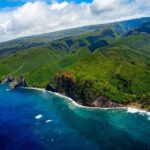
What you’ll get instead is “mountain to ocean” viewing—coastline views from higher up, with salt in the wind and the sound of waves pounding against cliffs. In other words, you may hear the ocean and feel that coastal air, but you won’t be taking the dramatic ride down to the beach.
Some people are surprised by this because marketing-style phrasing can sound like you’ll reach the water directly. So if your dream is actually standing at the shoreline in Waipio Valley, you’ll want a different tour option.
On the positive side, the viewpoint angle can be stunning. Even riders who felt the ocean connection wasn’t as close as they expected still called the views gorgeous, and they appreciated the balance of ranch life plus coastal scenery.
Fruit sampling: tasting the ranch at the end
The included food moment is simple but memorable: you get sample fruits grown on the ranch. Based on the plant list and what people describe afterward, the tasting can include items from common Big Island varieties and also some less familiar fruit trees you might not have seen outside a garden or farm visit.
This matters more than you might think. You’re not just eating something sweet—you’re tasting what the ranch grows in that specific Ahupua’a environment, which connects to the guide’s talk about the land and its fertility.
A few shared experiences also mention that some of the fruit comes from trees on the property. If you’re the type who likes farm-to-plate experiences, this is a nice payoff after the ride.
If you have allergies, I’d plan extra caution. One rider specifically mentioned discovering an animal allergy after the start of the trail and recommended bringing allergy meds if you have a history of animal-related reactions. That advice is worth taking seriously.


Horses, comfort, and who this tour fits best
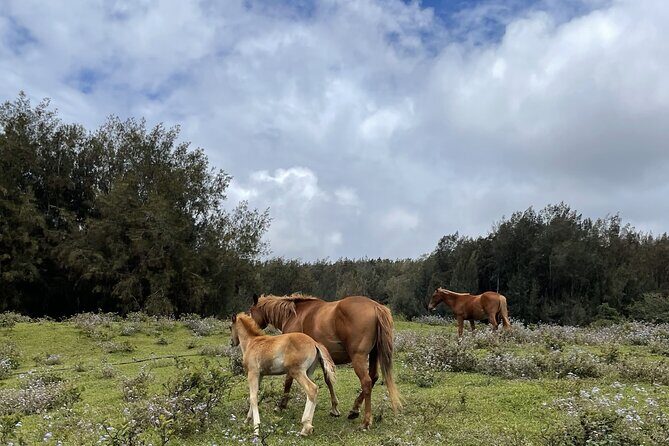
This experience is designed for ages 7 and up, and children 6 and under aren’t included. There’s also a weight limit of 200 lbs. Service animals are allowed, and the operator notes that most travelers can participate.
From the way riders describe the horses, the trail seems geared toward confidence-building rather than advanced riding. If you want to learn how it feels to sit in the saddle, follow cues, and enjoy the scenery without stress, this fits well.
At the same time, treat it as a real horseback ride, not a stroll. You’ll be moving at a walk and possibly other gentle paces depending on the horse and conditions, so balance and basic comfort matter.
The tour is also capped at 8 travelers, which is a big deal if you hate being stuck in a long line of riders. Small-group tours tend to give you more time with the guide and more chance to ask questions about plants, wildlife, and the ranch.
Price and value: is $160 for 2 hours fair?
At $160 per person for about 2 hours, this isn’t a budget activity. But it also isn’t just paying for “horse time.”
You’re paying for several layers of value:
- A working-ranch setting instead of a simplified trail
- A guided lesson on Ahupua’a history, plants, and local wildlife
- Ocean views from a meaningful vantage point
- Included fruit sampling grown on the ranch
- A small group size (max 8), which helps you get more attention
So the value depends on what you want out of your Big Island trip. If you mainly want a scenic photo and a quick thrill, you might feel it’s pricey. If you want a guided nature-and-farm experience with real context, it can feel worth it.
Also, the ride is popular enough that it’s often booked about a month in advance on average. If you’re traveling during a busy period, booking earlier can help you get the time slot you prefer.
Timing and logistics: how to make the start painless
You’ll meet at 48-5115 Waipio Rd in Honokaa. This matters because you need your own transportation—there’s no pickup. Plan on arriving early so you can check in well before the ride begins.
Check-in is 30 minutes before departure. Morning rides start at 9:30 with a 9:00 check-in, and afternoon rides start at 1:30 with a 1:00 check-in. There’s also a sunset-style ride starting at 4:30 with a 4:00 check-in.
Two practical tips:
- Don’t aim for a late arrival. The ride starts promptly.
- Build in extra driving time. The road to and through this region can take longer than you expect.
Weather is also a factor. The operator notes that good weather is required, and if weather cancels the experience, you’ll be offered a different date or a full refund.
Practical tips before you saddle up
Here’s what I’d do based on how this experience is described and what people commonly bring up:
- If you have animal allergies, plan ahead. One rider learned mid-tour and said allergy meds helped after. If you’ve reacted to animals before, talk to a pharmacist and carry meds.
- Wear sun protection. Even without inventing details, it’s Hawaii. Pack sunscreen and plan for sun exposure during viewpoint time.
- Go in expecting views, not a beach. If you want the shoreline, this isn’t it. If you want ocean air and coastline scenery from above, you’re set.
- Ask questions early. The guide is part of the value, and people praise guides like Micah and Nia for plant and island explanations. If something about Ahupua’a or the plants confuses you, ask at the start while you’re gathered.
Finally: ride comfort depends on your own body. If you’re unsure about sitting comfortably in a saddle for the duration, it’s smart to consider that before booking.
Should you book Waipio on Horseback?
Book it if you want a guided horseback ride that feels grounded in real ranch life—working cattle property, farm scenery, fruit tasting, and a clear explanation of the Ahupua’a land system. It’s a strong choice for couples and families who want something active but not extreme, and it’s especially good if you appreciate nature with context, not just a quick photo stop.
Skip it (or at least adjust your expectations) if your main goal is Waipio Valley itself or going down to the ocean and beach. This tour gives coastline views from high ground and a taste of the ocean atmosphere, but it doesn’t reach the shoreline.
If you’re on the Hamakua side already or you’re building a Big Island day around agriculture, native plants, and ocean viewpoints, this is one of those experiences that can anchor the trip. Just go in knowing what it is: an ocean-view ranch ride, not a beach descent.