REVIEW · BIG ISLAND OF HAWAII
Hawaii Volcanoes NP: Private Kilauea Eruption Insights Tour
Book on Viator →Operated by Wayfind Hawaii · Bookable on Viator
Kīlauea is loud, even when it is quiet. This private tour helps you understand what you’re seeing through expert guiding, multiple smart viewpoints, and a real shot at Kīlauea eruption viewing when conditions allow. I like that it’s set up for your group, not a cattle-call bus ride, and it starts with private pickup so you waste less time.
Two big things I think you’ll appreciate are the way the day flows from orientation to sensory geothermal spots to a lava tube walk, and the practical extras that make it easier—bottled water, lunch, snacks, soda, and even umbrellas and bug spray. One consideration: you can’t control volcanic conditions, so visible lava activity is never guaranteed, and the tour depends on weather being workable.
In This Review
- Key things to know before you go
- A private Kīlauea day that saves your energy and sharpens your eyes
- Getting there: Big Island pickup that actually works
- Stop 1: Kīlauea Visitor Center to get your bearings fast
- Stop 2: Kīlauea Overlook for the caldera and Halemaʻumaʻu
- Stop 3: Steam Vents where the volcano talks through smell
- Stop 4: Nāhuku (Thurston Lava Tube) for cool air and real lava history
- Stop 5: Volcano House rim stop for history and a quick breath
- Stop 6: Keanakākoʻi Overlook for the closest view when Halemaʻumaʻu is active
- Price and what you’re really paying for at $1,195 per group
- Comfort tips for a long day: what to expect during the 8 hours and the drive
- Who this tour fits best (and who might want a different style)
- Booking advice: picking your day and setting expectations
- Should you book this Kīlauea eruption insights tour?
- FAQ
- How many people can be in the private group?
- How long is the tour?
- Does pickup include airports and cruise ports?
- What stops are included during the day?
- Is there a chance to see the eruption?
- Is lunch included?
- Are park entry fees covered?
- What weather requirements should I know about?
Key things to know before you go
- Private hotel-to-park pickup across the Big Island in a 12–15 passenger Mercedes Sprinter
- Binoculars and/or a spotting scope set aside for lava viewing when visibility allows
- Flashlight support for the Nāhuku lava tube walk, plus guidance inside the cave
- Steam vents stop for real geothermal smells and heat (sulfur scent is often part of it)
- Keanakākoʻi Overlook is conditional and only added when there’s visible activity in Halemaʻumaʻu
- A packed, efficient day with lunch, bathroom breaks, and air-conditioned comfort between stops
A private Kīlauea day that saves your energy and sharpens your eyes
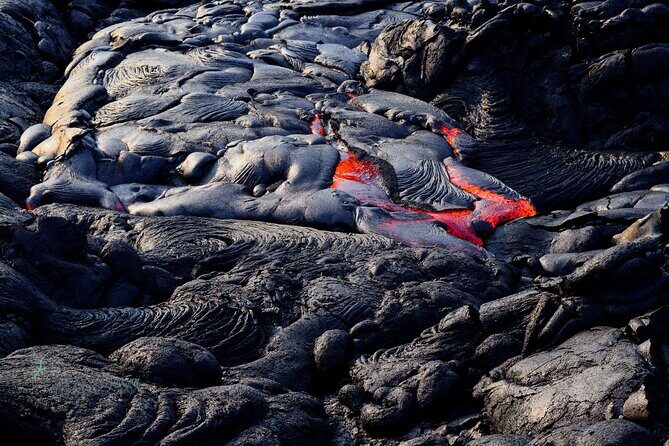
Kīlauea is not a theme park. The point isn’t just to look at a crater; it’s to learn how the volcano changes, and how to spot what matters when things are moving in real time. This is where a private setup helps, because you’re not rushing through stops while someone tries to herd 30 people.
I also like that the guiding is built for clarity. You get a fast park orientation, then you move to key viewpoints, then to geothermal and the lava tube—so it’s easy to connect the science to the sights as the day unfolds.
There’s also a family-friendly vibe in the way the day can be paced. In at least one shared experience, the guide adjusted timing to match a slower walking pace, and built in the quick breaks that make a long park day feel doable.
Other Volcanoes National Park tours in Big Island of Hawaii


Getting there: Big Island pickup that actually works
This is a private tour for your group of up to four, and pickup is included from many parts of the Big Island. That covers places like Kona and Hilo areas, Volcano Village, and it can include airports (KOA and ITO) and cruise ports (Hilo Cruise Port and Kona Pier tender port).
One practical detail I’m glad you’re getting: you’ll get your exact pickup time and location confirmed within 24 hours of departure, and you should be at the pickup spot about 15 minutes early. That’s not glamorous, but it cuts the stress.
The drive time is the part you should plan for. Expect about 2 to 2.5 hours each way depending on where you’re starting. So even though the tour is listed as about 8 hours, your full day on the island needs buffer. Pack snacks for yourself if you’re the type who hates being hungry, even though lunch and extras are included.
Stop 1: Kīlauea Visitor Center to get your bearings fast
Your day begins at the park orientation facility (the Kīlauea Visitor Center area), which is the smart move before you go chasing viewpoints. The guide’s job here is to set context: what the park is telling you right now, why the geology matters, and how Hawaiian culture fits into the bigger picture.
This is also where you can do the quick human stuff. You’ll have time for exhibits, restrooms, and a moment for souvenirs if you want them. That matters because once you’re out on the rim roads and in the tube, the day becomes less flexible.
At this point, you’ll start noticing details that otherwise blur together. A knowledgeable guide can point out what to watch for from the lookout points, and that helps later when you’re trying to interpret caldera scale and crater activity.
Stop 2: Kīlauea Overlook for the caldera and Halemaʻumaʻu
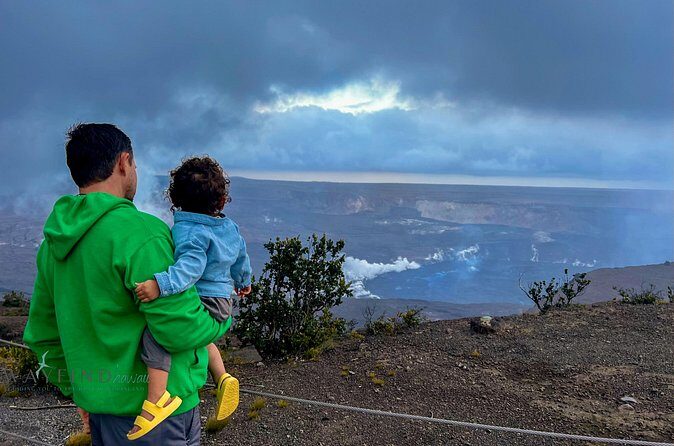
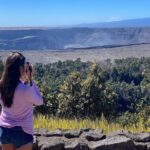
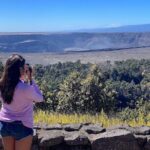
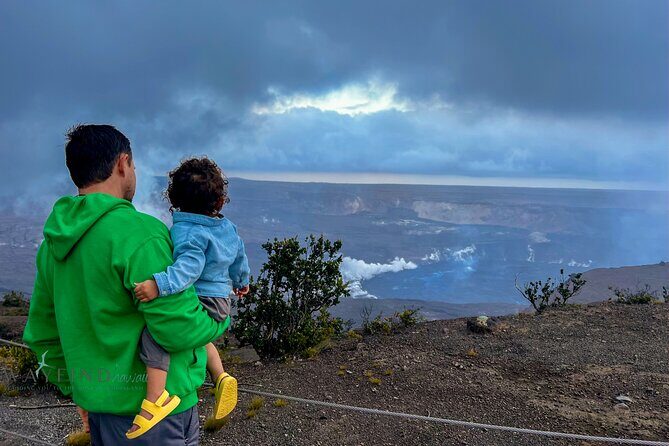
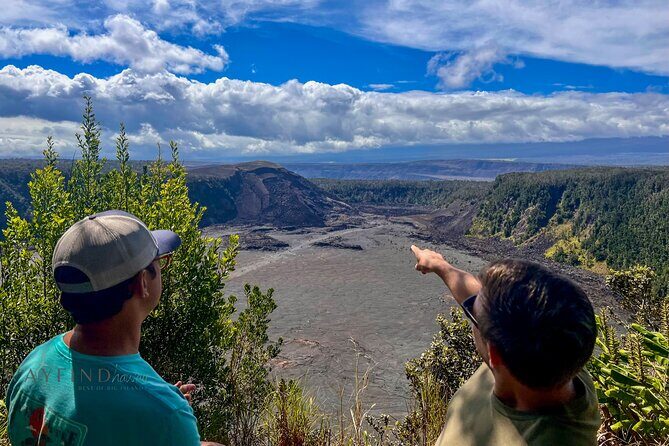
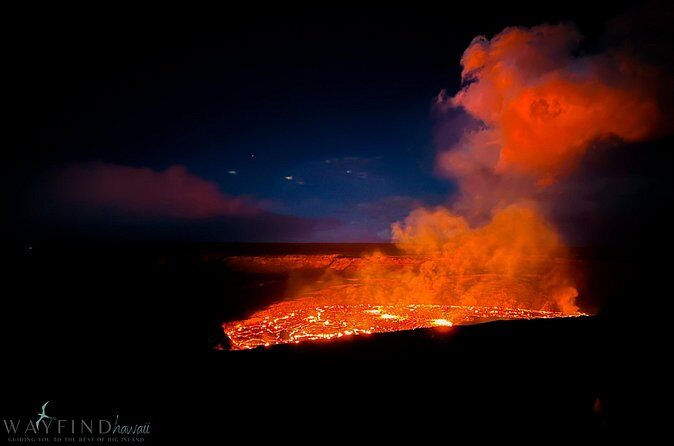
The Kīlauea Overlook is the main stage for big-picture viewing. From here you’re set up to see the immense Kīlauea caldera and look toward Halemaʻumaʻu crater, which is where the action often concentrates.
This is one of those stops where “time at the view” is only half the value. The other half is learning how to read the scene. Your guide shares the geological story behind what you’re looking at, then brings it back to present activity—so you know what you’re seeing rather than guessing.
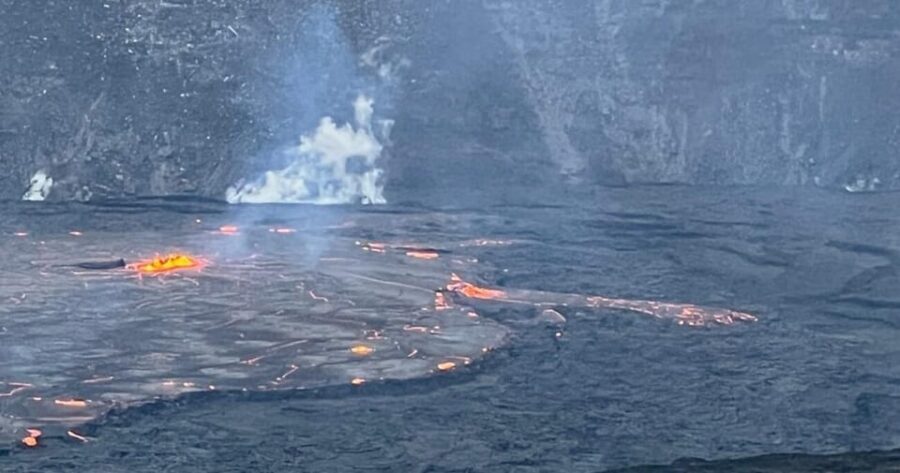
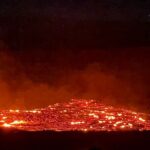
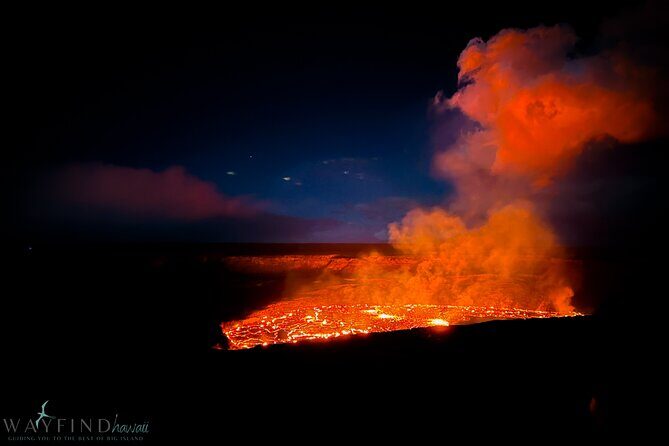
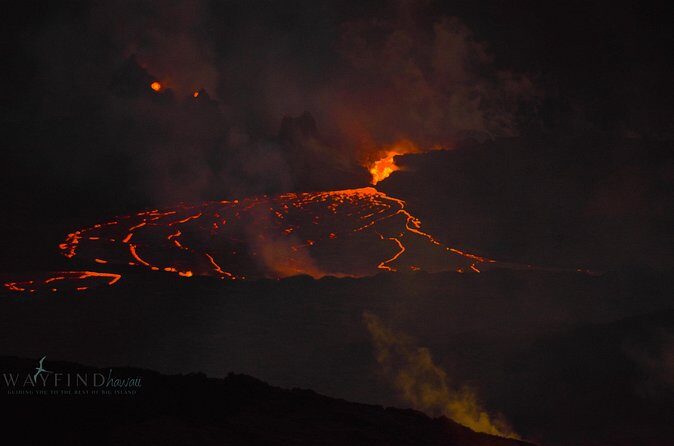
If conditions allow, this is also a prime chance to spot lava fountaining or glow. But here’s the realism: visible activity isn’t guaranteed. Still, you’ll be in one of the best positions to make the most of whatever the day gives you.
Stop 3: Steam Vents where the volcano talks through smell
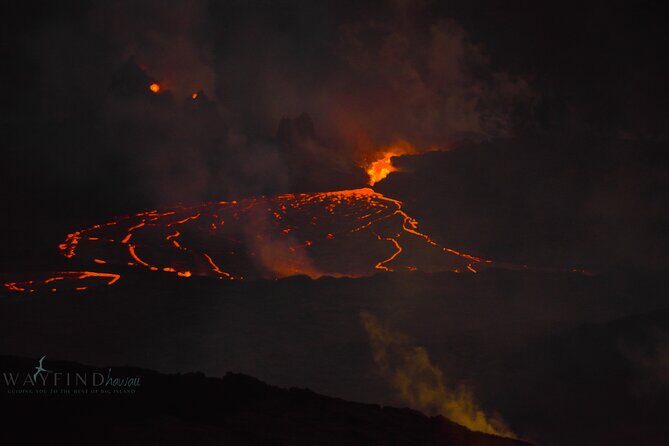
Steam vents are the sensory stop that turns the science into something you can feel. You see columns of steam rising from the earth, and you’ll likely notice the sulfur scent as well—your guide explains what’s happening and why the heat and gases matter.
This is short—about 10 minutes—but it’s memorable. The vents give you an up-close reminder that the volcano is working underneath your feet, not just sitting there as scenery.
Bring insect awareness into this stop. Bug spray is included, which is helpful because you’ll be in outdoor areas where insects can show up.
Other private tours in Big Island of Hawaii


Stop 4: Nāhuku (Thurston Lava Tube) for cool air and real lava history
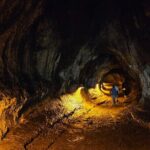
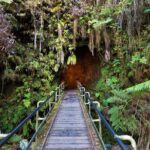
The Nāhuku lava tube is the most “wow, I didn’t expect this” stop on the day. You walk into a massive underground passage carved by ancient molten lava flows, and it stays cool and damp inside.
You’ll want to treat this like a cave walk, not a casual stroll. The damp air is part of the experience, and a good guide matters here because they can explain how lava moved, cooled, and shaped the tube.
One detail I appreciate: the guide experience includes flashlight support. In shared experiences, flashlights have been used to help you see inside and understand what you’re looking at. Even if lighting conditions are okay, having guided illumination helps you notice the tube’s textures and formations.
There’s also a contrast built into the experience. You step from humid rainforest conditions at the entrance area into a dark, cooling underworld. That change makes the geology feel physical.
Stop 5: Volcano House rim stop for history and a quick breath
Volcano House is an iconic historic hotel perched on the rim of Kīlauea caldera. Even though this stop is typically shorter, it’s a great chance to pause, take in panoramic views, and catch your breath before the later crater viewing options.
The guide can share stories tied to the hotel’s role in park history, which helps the stop feel more than just a pretty photo pause. You’ll also usually get the chance to use restrooms and browse quickly, if that helps your day.
This is the kind of stop that works especially well if your group needs a reset between more intense parts of the day, like the lava tube and any conditional lava-viewing overlook.
Stop 6: Keanakākoʻi Overlook for the closest view when Halemaʻumaʻu is active
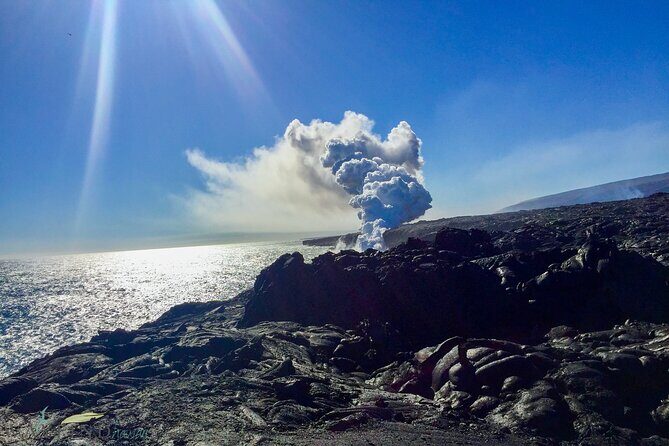
This is the conditional stop built for eruption visibility. The Keanakākoʻi Overlook includes a walk along an old section of the Crater Rim Drive that can give excellent vantage points when there is visible lava activity—like glow or fountaining—within Halemaʻumaʻu crater.
The big idea: you’re not guaranteed to add this stop every day. It depends on what the volcano is showing at that moment. If you do get it, it’s your best shot at a closer, more direct look.
If you don’t get visible lava, the tour still works because you’ve already built context through the visitor center, the main overlook, steam vents, and the lava tube. In other words, your day doesn’t collapse just because the volcano decides to be quiet for a while.
Price and what you’re really paying for at $1,195 per group
At $1,195 per group (up to four), this is clearly a premium, private experience. But the value isn’t just “a car and a guide.” You’re paying for a tight, guided way to spend scarce park time, plus the extras that keep you comfortable for a long day.
Here’s what you’re getting that tends to add real cost if you cobble it together yourself:
- Park entry fees covered
- Lunch, snacks, bottled water, and soda/pop
- Air-conditioned vehicle with private transportation
- Binoculars and/or a spotting scope for lava viewing (depending on availability)
- Umbrellas and bug spray
- Guide/driver with English narration
- A planned route that prioritizes key Kīlauea viewing spots and the lava tube
Also, your group size matters. Since it’s up to four, you can spread the cost without the awkwardness of paying full private pricing for two people only. If you’re traveling as a family or a small circle of friends, this can make sense compared to buying separate transport and guide time.
For first-timers, the biggest value is time efficiency. You’re not wandering the park trying to guess which viewpoint gives you the best odds that day.
Comfort tips for a long day: what to expect during the 8 hours and the drive
Even when the park time is efficient, the full day can stretch. The drive can be 2 to 2.5 hours each way, and you should plan for the total experience to feel like a day trip, not a quick outing.
A few practical points are built in, which I’d lean into:
- Lunch and snacks are included, so you won’t be hunting for food at the worst possible moment.
- Umbrellas and bug spray are provided, which helps if conditions shift.
- The lava tube is cool and damp, so expect it to feel different from the daylight parts of the park.
- You’ll do walking, including a short walk connected to the crater rim area when the Keanakākoʻi stop happens.
If you or someone in your group has mobility limits, this is one reason people choose a private format. In shared experiences, guides have adjusted timing for slower walking. Still, you’ll want to consider that any cave and viewpoint day involves uneven ground and steps.
Who this tour fits best (and who might want a different style)
This tour is a strong match if you want:
- A first visit to Hawaiʻi Volcanoes National Park with clear guidance
- A private setup where your group can move at a human pace
- A real attempt at lava viewing, without wasting time searching
- A mix of geology plus sensory stops, not just viewpoints
It can also work well for families, including kids who do okay with short walking and a cave visit. The day includes a range of activities—visitor center orientation, steam vents, lava tube, and rim views—so it doesn’t feel like one long look-only session.
If you’re the type who wants total control of every minute and likes to roam without structure, a private guided route may feel limiting. But if you want a guided plan with flexibility built in, this is the right shape of experience.
Booking advice: picking your day and setting expectations
Because lava visibility and weather both matter, you’re choosing a day to match conditions, not just a date on the calendar. If the day is clear enough for safe travel and decent visibility, you’ll be set up for the best odds.
Keep expectations grounded: eruption viewing is always an opportunity, not a promise. That’s not a trick. It’s just how real volcano watching works.
If you’re flexible with your schedule, booking in advance helps. This tour is commonly reserved about 54 days ahead on average, which is a sign the demand can be real.
Should you book this Kīlauea eruption insights tour?
I’d book it if you want a guided, efficient volcano day with real-world comfort and the best shot at visible activity. It’s especially worth it when you can share the group cost across up to four people, and when you value someone steering you toward the right viewpoints and explaining what you’re seeing.
I would hesitate if your main goal is guaranteed eruption visibility. Nobody can promise lava. You still get steam, a lava tube walk, and major caldera views—but the big “red stuff” moment depends on the volcano and the weather.
If you’re excited by the idea of understanding Kīlauea as it changes, and you want the convenience of private pickup plus food, this tour is an easy yes.
FAQ
How many people can be in the private group?
The tour is private for your group, and the group size is up to four people.
How long is the tour?
The tour duration is about 8 hours, and there’s additional driving time of roughly 2 to 2.5 hours each way depending on where you’re starting.
Does pickup include airports and cruise ports?
Yes. Pickup is offered from most accommodations across the Big Island, including KOA and ITO airports and cruise ports like Hilo Cruise Port and Kona Pier.
What stops are included during the day?
The day includes Kīlauea Visitor Center, Kīlauea Overlook, steam vents, Nāhuku (Thurston) Lava Tube, Volcano House, and Keanakākoʻi Crater Overlook (the last one is conditional based on visible lava activity).
Is there a chance to see the eruption?
Yes. The tour includes an opportunity to view the Kīlauea eruption, but visible lava activity is never guaranteed and depends on current volcanic and weather conditions.
Is lunch included?
Yes. Lunch is included, along with bottled water and snacks, plus soda/pop.
Are park entry fees covered?
Yes. Park entry fees are included in the tour.
What weather requirements should I know about?
The experience requires good weather. If it’s canceled due to poor weather, you’ll be offered a different date or a full refund.