REVIEW · BIG ISLAND OF HAWAII
Small-Group Snorkel at Kealakekua Bay in Captain Cook, Big Island
Book on Viator →Operated by Hawaii Oceanic · Bookable on Viator
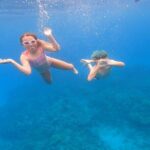
Spinner dolphins steal the show here. This small-group Kealakekua Bay snorkel aims for quieter water and starts you right at the Captain Cook Monument reef, with guides pointing out local culture while you look for marine life.
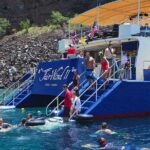
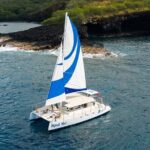
I love the pace: with a maximum of 11 to 12 people, you spend less time waiting around and more time snorkeling over coral. I also like the crew, from captains like Justin and Alan to mates such as Kayli and Erika, who keep things friendly, organized, and focused on getting you comfortable in the water.
One consideration: this trip is for solid swimmers (no floatation help) and there’s no restroom on the boat, so plan ahead before you board.
In This Review
- Key highlights you’ll feel on the water
- Why Kealakekua Bay is the Big Island snorkel you should plan around
- The value of a small boat: more water time, less crowd stress
- Stop-by-stop: from the Captain Cook Monument to the marine preserve
- Stop 1: Captain Cook Monument reef
- Stop 2: Kealakekua Bay snorkeling area
- Stop 3: Kealakekua Bay Marine Preserve
- Stop 4: Kealakekua Bay State Historical Park
- What marine life looks like here: dolphins, whales, mantas, and reef fish
- Price and what you get for $109
- What to pack: the stuff that makes or breaks snorkeling comfort
- Timing, weather, and how to get your best water session
- Who this tour is best for (and who should skip it)
- Should you book this Kealakekua Bay snorkeling tour?
- FAQ
- How long is the snorkeling tour?
- Where is the meeting point?
- How large is the group?
- What snorkeling gear is included?
- What snacks and drinks are provided?
- What should I bring with me?
- Do I need to be able to swim?
- Are there weight or medical limits?
- What happens if the weather is poor?
Key highlights you’ll feel on the water
- Small-group size (max 11 to 12): You’re not herded, and you get more actual time in the water.
- Kealakekua timing to avoid crowds: You’re set up for calmer, clearer snorkeling before the busiest rush.
- Spinner dolphins are a real target: Pods show up often, and you may see babies close to the boat.
- Whales in winter: Humpback whales can appear depending on the season.
- Coral reef full of fish: Expect variety right off the reef near the Captain Cook Monument and the marine preserve.
- Clean boat and solid gear: Masks and equipment are kept in good shape, and the staff stays attentive.
Why Kealakekua Bay is the Big Island snorkel you should plan around
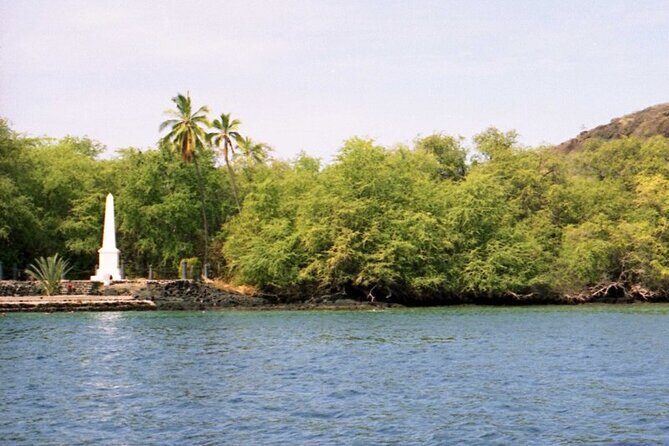
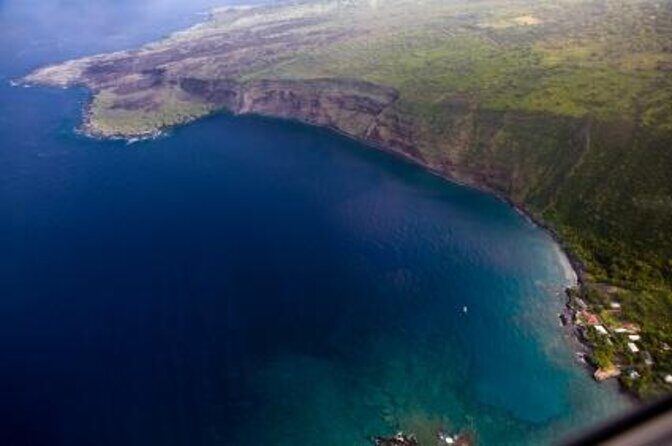
If you’re going to snorkel on the Kona side, Kealakekua Bay is the place that makes people say, okay, I get it. This is a protected marine sanctuary, and that protection matters: it supports a heavy mix of marine life right where you’re snorkeling.
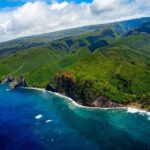
You’ll be working in an area tied to the Captain Cook Monument and nearby state historical park. That adds a nice layer beyond just seeing fish. Along the ride out and back, the crew points out historically and culturally significant spots along the Kona coastline—so your trip has context, not just scenery.
Other Captain Cook and Kealakekua Bay snorkel tours in Big Island of Hawaii
The value of a small boat: more water time, less crowd stress
A lot of snorkel trips in Kona run like group transportation: lots of people, quick in-and-out, and you end up racing the schedule. This one keeps the group small—up to 11 travelers, with the tour described as a maximum of 12 passengers—so boarding and getting back in sync tends to be quicker.
That speed shows up in your experience. When fewer people are changing masks, finding fins, and climbing in and out, the schedule stays calm. The result is simple: you get more time snorkeling and less time feeling rushed.
The staff attention also feels sharper on a smaller boat. You’ll see that in how they help you before you get in, and how they keep the experience comfortable for different comfort levels—so long as you meet the swimming requirement.
Stop-by-stop: from the Captain Cook Monument to the marine preserve
The tour is built around one main idea: get you into the best reef areas around Kealakekua Bay, with stops timed to support wildlife spotting and good snorkeling conditions.
Stop 1: Captain Cook Monument reef
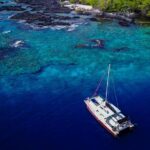
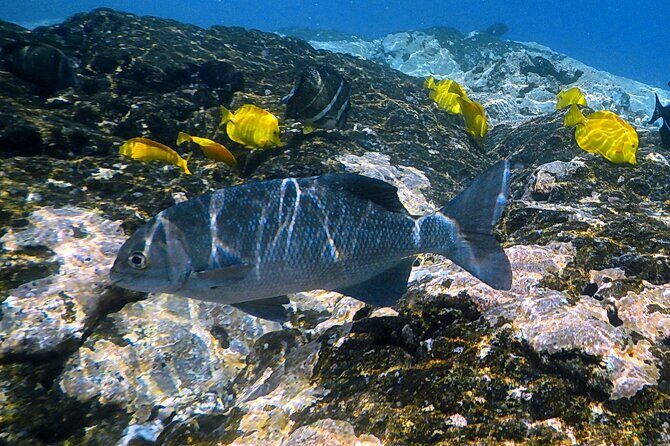
You start near the Captain Cook Monument area. This is where the snorkeling payoff tends to be immediate—clear water, coral structure, and lots of small and medium fish. In the water, you might see schools of colorful reef fish like yellow tang, plus other species that make the bay feel like an aquarium.
This is also a good spot for the “wow, it’s all around me” feeling. People often talk about how fast the snorkeling time passes when the reef life is constant.
Stop 2: Kealakekua Bay snorkeling area
Next you spend time in Kealakekua Bay itself, still within that protected environment. This is where wildlife sightings can overlap with the reef snorkeling—so you’re not only scanning for fish hiding in coral. You might also have chances for larger visitors while you’re out there.
It’s common to see the bay’s “main characters” here—especially Hawaiian spinner dolphins (naiʻa). You’re not guaranteed any specific animal, but the bay is where those chances are strongest.
Stop 3: Kealakekua Bay Marine Preserve
Then the plan shifts again to the Kealakekua Bay Marine Preserve zone. Preserve areas are exactly why this bay stays so productive. The protection supports reef health, which supports fish. When the ecosystem is healthy, snorkeling becomes more than a short look—it turns into a long, steady stream of what’s right in front of you.
This is also where you may notice variety in what people see. Some folks focus on fish, others spot bigger reef life like rays or larger swimmers cruising by.
Stop 4: Kealakekua Bay State Historical Park
The final stop centers on the Kealakekua Bay State Historical Park area. Think of this as part nature viewpoint, part cultural anchor. Even though you’re in the water earlier, you’ll feel a shift toward the broader setting—where the shoreline and park context connect to why the whole Captain Cook story is tied to this coast.
On the way back toward your meeting point, the crew may share extra coastal sights—things like caves or lava-tube style features when conditions allow. Those bonus moments can be a fun reset after time in the water.
What marine life looks like here: dolphins, whales, mantas, and reef fish
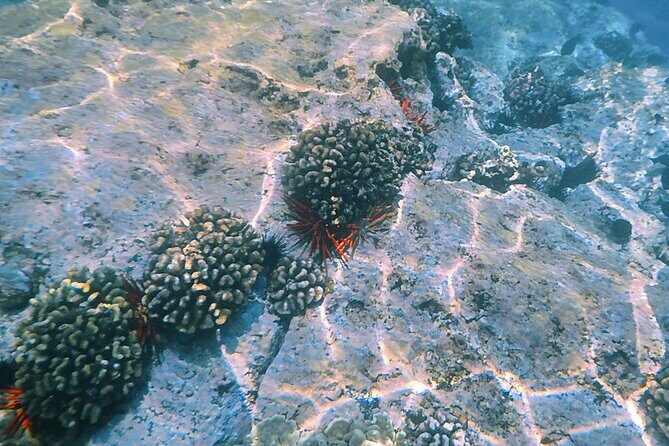
Kealakekua Bay is famous for a reason, and it’s not just one species. The best snorkeling happens when there’s “something happening” at multiple depths and angles.
Here’s what you can realistically plan around based on the tour’s typical wildlife options:
- Spinner dolphins (naiʻa): Often spotted near the boat and while you’re snorkeling. Pods can include babies, and people consistently mention the excitement of seeing them close up.
- Humpback whales in winter: The tour notes that winter months bring humpback whales into the mix. If you’re traveling in that season, keep your eyes up during the ride out.
- Reef fish variety: Expect a wide spread of reef life, including yellow tang and other reef species that make the bay feel crowded with color—without being “crowded” with people.
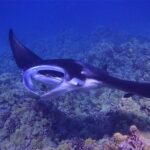
- Bigger wildlife opportunities: Some departures see rays and even mantas during the outing. You may also hear about sightings like eels and octopus during snorkeling time, which are the kind of surprises that make people book again.
One more tip: wildlife spotting improves when you stay relaxed in the water. The moment you’re tense, you rush your own scanning. On a smaller boat, guides can help you settle in and focus on the reef patterns and movement—where life actually tends to show up.
Price and what you get for $109
At $109 per person for about 3 hours, the key value isn’t just “snorkeling included.” It’s what’s packaged with the experience.
You get:
- Snorkeling equipment
- Bottled water
- Snacks (including island-sourced pineapple and chips)
- Nonalcoholic refreshments
That’s a real comfort win. After a couple of hours in the sun, having water and snacks ready means you’re not hunting for food immediately after. It also helps you keep snorkeling energy steady instead of running on empty.
You’re also paying for the small-group format. If you’ve done the big-boat version with dozens of people, you already know what usually happens: you spend more time managing logistics and less time watching. Here, the operator is clearly trying to reduce that friction by keeping the headcount low and timing the bay to avoid peak crowd conditions.
What to pack: the stuff that makes or breaks snorkeling comfort
The tour includes gear, water, and snacks, but you still need to bring your own comfort items.
Bring:
- Towel
- Sunscreen
- Sunglasses
- Hat
- Waterproof camera (or a waterproof phone setup)
And do yourself a favor: since there’s no restroom on the boat, go before boarding. It sounds minor until you’re standing at the ramp watching the boat pull away.
If you’re prone to cold water, consider a light layer change for after snorkeling. The time in the water is great, but getting out and drying off fast helps you stay comfortable.
Timing, weather, and how to get your best water session
This experience is designed for good conditions. The operator notes it needs good weather, and if the trip is canceled due to poor weather, you’ll be offered another date or a full refund.
When weather cooperates, timing becomes a big deal. The tour is set up to help you snorkel at Kealakekua Bay while crowds are lower. On morning outings, visibility tends to feel better, and the bay can feel calmer—so you get the reef without the constant swim-avoidance that happens when lots of people are in at once.
Season also matters. If you’re traveling during winter, your whale chances are part of the plan. If you’re there in other months, spinner dolphins and reef life are still strong targets.
Who this tour is best for (and who should skip it)
This is one of those tours that fits a specific swimmer type.
You should go if:
- You can swim without floatation assistance
- You’re okay with a moderate physical demand level
- You want a small-group experience where you’re not rushed
- You care about wildlife spotting, not just a quick reef pass
You should think twice if:
- You have neck problems (the tour isn’t recommended for this)
- You’re not comfortable swimming on your own in open water conditions
It also tends to work well for couples, friends, and families because the tone is relaxed—but still structured. You get guidance, and you’re not left to figure out reef snorkeling basics alone.
Should you book this Kealakekua Bay snorkeling tour?
I’d book it if your goal is simple: quality reef time, a smaller group, and a solid shot at spinner dolphins—with possible winter humpback whales. The small-boat setup is the deciding factor here, especially if you’ve ever felt like big snorkel boats cut your time in the water short.
Skip it or consider a different option if you don’t swim confidently without floatation, if you’re dealing with neck issues, or if you really need restroom access during the outing. Also, plan carefully for the meeting point: this isn’t a big storefront with lots of signage. Go by the provided address and show up with buffer time so you start relaxed.
If you want a Kona-area snorkeling trip that feels personal and focused on the reef, this one is a strong choice.
FAQ
How long is the snorkeling tour?
It runs for about 3 hours (approx.).
Where is the meeting point?
The tour starts at 78-7138 Kaleiopapa St, Kailua-Kona, HI 96740, USA, and it ends back at the same meeting point.
How large is the group?
It’s a small-group experience with a maximum of 11 travelers noted in the details, and it’s also described as a maximum of 12 passengers.
What snorkeling gear is included?
The tour includes use of snorkeling equipment.
What snacks and drinks are provided?
You’ll get bottled water, plus snacks such as island-sourced pineapple and chips, along with nonalcoholic refreshments.
What should I bring with me?
Bring a towel, sunscreen, sunglasses, a hat, and a waterproof camera.
Do I need to be able to swim?
Yes. You must be able to swim without the assistance of a floatation device.
Are there weight or medical limits?
There’s a maximum weight of 280 pounds per traveler. It’s also not recommended for travelers with neck problems.
What happens if the weather is poor?
The experience requires good weather. If it’s canceled due to poor weather, you’ll be offered a different date or a full refund.