REVIEW · BIG ISLAND OF HAWAII
10 Bar Hawaiian Craft Chocolate Tasting Experience
Book on Viator →Operated by Honolii Orchards · Bookable on Viator
Chocolate starts before the first bar.
This 1.5-hour stop on the Big Island mixes a scenic drive up Maunakea’s slopes with a family-owned cacao farm set above the Honolii River Valley, and it’s the kind of tasting that teaches you what you’re actually eating. I like that you get 10+ single-origin craft bars plus cacao fruit snacks, so it’s not just chocolate on chocolate. One thing to factor in: the experience needs good weather, so on a rainy day you may not get the same feel for the farm portion.
What made it click for me was the combination of views and a real guide. If you’re lucky, you’ll hear it all from Jude, the host people rave about for his farm talk and easy explanations, while you look out toward the Pacific. The only drawback is personal: if you don’t like guided comparisons and tasting notes, this can feel more like a class than a casual candy run.
In This Review
- Quick highlights
- From Hilo drive to Maunakea slopes: why the ride matters
- Honolii Orchards open-air tasting room: views you’ll remember
- The cacao lineup isn’t just chocolate: fruit, nectar, and tea
- 10+ single-origin bars: how to taste like you’re paying attention
- Snacks and sips that keep the flight moving
- What Jude and the farm story teach you about sustainability
- Who should book this 10 Bar tasting (and who might want to skip)
- Price and value: does $75 make sense?
- Should you book the 10 Bar Hawaiian Craft Chocolate Tasting?
- FAQ
- How long is the 10 Bar Hawaiian Craft Chocolate Tasting?
- How much does the tour cost?
- What’s included in the tasting?
- How many chocolate bars will I taste?
- Where does the tour start?
- Is the tour offered in English?
- What group size should I expect?
- What happens if the weather is poor?
- How does cancellation work?
- Are service animals allowed?
- Who is the tour provider?
Quick highlights
- Maunakea-slope backroads into Honolii Orchards, with a chance of whale sightings on good days
- Open-air tasting room above the canopy, looking out over the Honolii River Valley and Pacific Ocean
- 10+ exclusive single-origin bars made from Hawaiian-grown bean sources
- Cacao fruit tasting included, not only finished chocolate
- Farm snacks and drinks like cacao tea, brewed chocolate, lychee, rambutan, mangosteen, and fresh sugar cane
- Small group size (max 15) for questions without feeling rushed
From Hilo drive to Maunakea slopes: why the ride matters
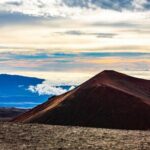
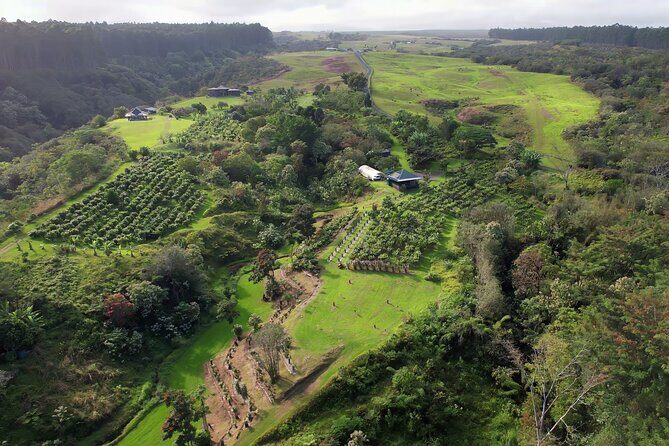
You start at 1533 Puia Rd, Hilo, HI 96720, and the experience begins with a scenic drive up Maunakea’s slopes. It’s not just transportation. This is the warm-up where you get oriented to the island’s texture—cattle pasture fields, historic macadamia orchards, and those quieter backroads you’d never “accidentally” find on your own.
The payoff is that you arrive already in vacation mode. You’re not stepping from parking lot to tasting table. You’re moving through the real Big Island rhythm first, then settling into the farm’s open-air setting. And yes, there’s a little nature luck built in: keep an eye out for the possibility of a breaching whale when conditions are right.
Other coffee and farm tours in Big Island of Hawaii
Honolii Orchards open-air tasting room: views you’ll remember
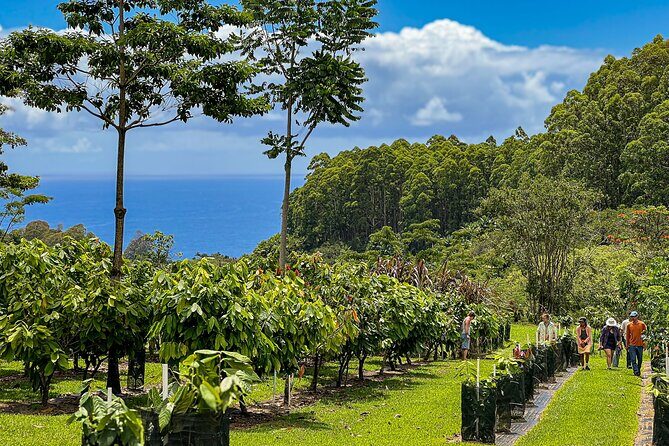
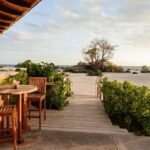
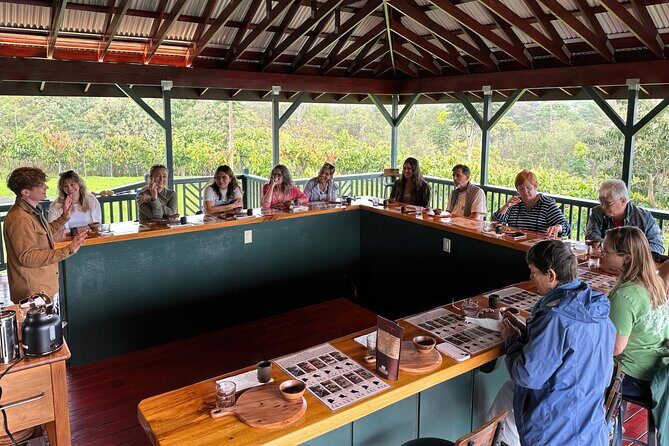
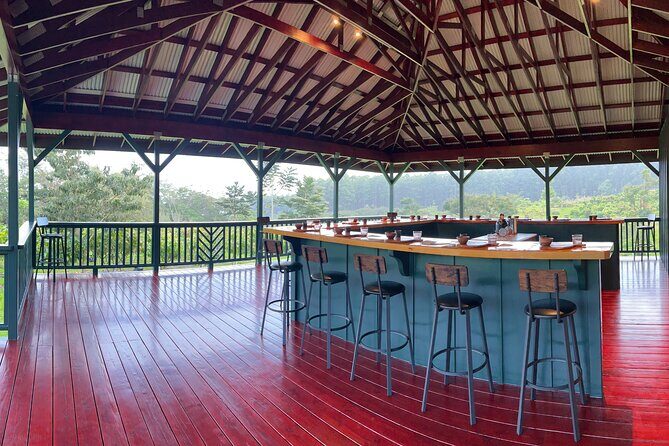
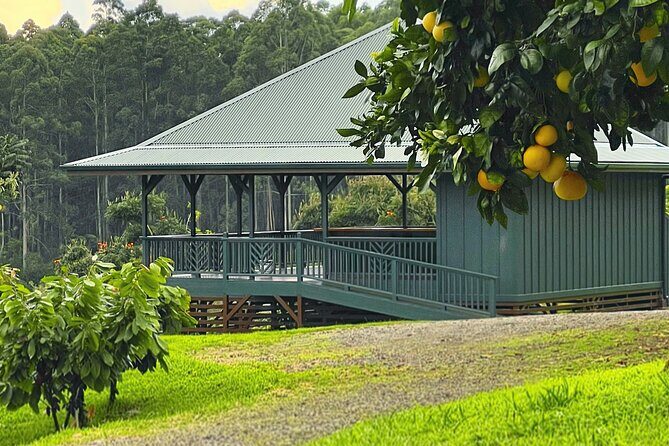
The tasting happens at a family-owned cacao farm in an open-air room perched above the canopy. That means two things for you: first, you get the smell-and-sound calm that farms tend to have, and second, your brain stays engaged because you’re looking out while you taste.
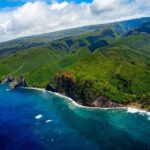
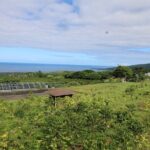
From this spot, you can take in panoramic views of the Honolii River Valley and the Pacific Ocean. It’s a smart setup because chocolate can be a little “flat” if you’re indoors the whole time. Here, your senses have something else to work with: light changing on the horizon, breeze across the tasting area, and that constant reminder that cacao is grown, not manufactured.
On a rainy day, don’t panic. The experience still centers on tasting and teaching, and you may just trade some outdoor farm ambience for more time enjoying the views and chocolate samples inside the tasting flow. The key point is weather matters, because the overall experience expects good conditions.
The cacao lineup isn’t just chocolate: fruit, nectar, and tea
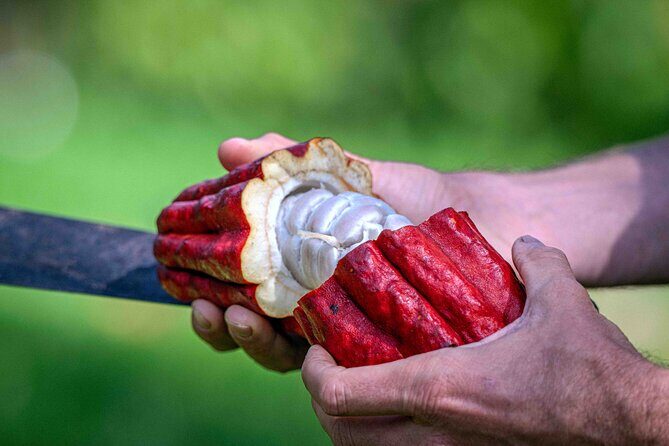
A big reason people love this tour is that it treats cacao like a full ingredient story. Before you even get to the bars, you’ll taste the building blocks.
You can expect:
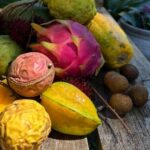
- Fresh cacao fruit varieties, so you can compare flavors before they become chocolate
- Cacao juice and fermented cacao beans, which help you understand why the transformation matters
- The “well-kept secret” sweet nectar from the cacao fruit, something treasured long before modern chocolate existed
- Cacao tea and brewing chocolate, giving you a sense of how cacao shows up in drink form too
I like this approach because it stops the tasting from being random. If you only taste bars, you’re guessing what you’re reacting to. With the fruit and nectar in the mix, you start making connections fast: sweetness, brightness, bitterness, and how fermentation changes the character.
Also, tasting fermented cacao beans and cacao tea isn’t just extra samples. It’s practical. It trains your palate to notice differences between raw-ish cacao experiences and finished chocolate flavor.
10+ single-origin bars: how to taste like you’re paying attention
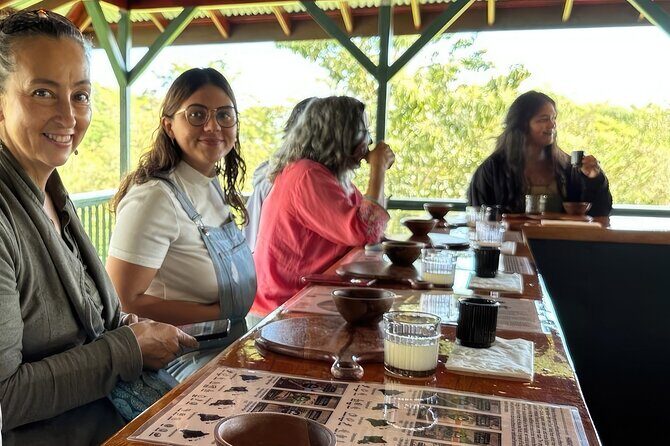
This is called the 10 Bar experience for a reason: you’ll sample 10+ exclusive single-origin craft bars. The bars are made from beans sourced from farms around Hawaii. That “single-origin” focus matters because it turns the tasting into something you can actually learn from.
Instead of “which one is sweetest,” you’ll start asking:
- How does bean origin affect the flavor profile?
- What changes when the chocolate is crafted from different Hawaiian farm sources?
- How do the stories behind the farms connect to what you taste?
And this is where Jude’s role really matters. A good host doesn’t just list facts. He ties the flavors to the people and the process—farm practices, sustainability efforts, and the meticulous techniques that turn seeds into bars.
A helpful mental trick: when you taste each bar, treat it like a mini assignment. Take a small piece, let it sit a few seconds, and notice what hits first (sweetness or acidity), what follows (cocoa depth), and what lingers (dryness, bitterness, or spice-like notes). Even if your palate isn’t trained, this kind of guided structure makes the learning feel natural.
Snacks and sips that keep the flight moving
Chocolate tastings go one of two ways: either you get full too fast, or you end up feeling underfed. This one handles that with included snacks that match cacao’s world.
Included with your ticket:
- Fresh cacao fruit and fresh cacao juice
- Fermented cacao beans
- Seasonal fruit from the farm such as lychee, rambutan, and mangosteen
- Fresh sugar cane
- Coffee and/or tea, plus cacao tea and brewing chocolate
That lineup is smart value for you. It keeps your palate from fatigue and it adds contrast. Sweet fruits like lychee and mangosteen can make chocolate flavors pop. Fresh sugar cane gives you a different kind of sweetness than chocolate sugar does. And the cacao fruit and juice keep the experience grounded in the ingredient itself.
If you tend to get hungry during tours, this is a plus. You’re not paying $75 and then leaving with only a chocolate grin. You’re walking out with a full tasting ecosystem.
Other food & drink experiences in Big Island of Hawaii

What Jude and the farm story teach you about sustainability
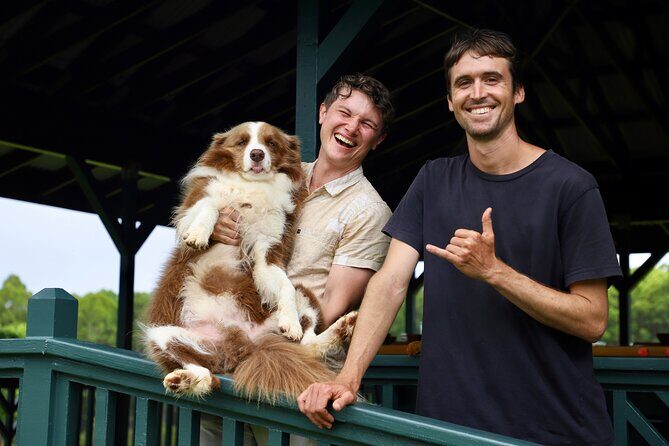
You’re not just tasting. You’re learning what’s happening at the farm level: the farmers, sustainable practices, and how beans move through careful, hands-on methods to become chocolate.
This matters because it changes how you shop back home. You’ll stop thinking of chocolate as a brand name and start thinking in terms of origin, craft process, and farming decisions. For many people, that’s the real “take-home value” of tastings like this: you learn enough to recognize quality without needing to read a book on cacao.
And because the group is limited to 15 travelers, you’re more likely to get direct answers. When you have questions—about cacao fruit, processing, or how single-origin chocolate differs—this format makes it easier to ask and actually get a useful response.
Who should book this 10 Bar tasting (and who might want to skip)
I think this fits best if you like:
- Craft food experiences with a strong teaching component
- Comparing flavors and learning the why behind the taste
- Small-group tours where the guide can answer questions
- Chocolate that’s tied to Hawaiian cacao farms, not anonymous imports
You might want to reconsider if you prefer a short, casual, self-guided snack stop. This tour is built around structured tasting and explanation, plus multiple cacao-based items beyond bars.
Also, the experience is weather-dependent. If you’re traveling in a season when rain is common, build flexibility into your day. The upside is that even when weather limits the farm feel, you still get the core tasting plus the scenic vibe.
Price and value: does $75 make sense?
At $75 per person for about 1 hour 30 minutes, the question isn’t just the cost. It’s what you get in that time.
Here’s the value math that actually matters for you:
- 10+ exclusive single-origin craft bars (not a tiny handful)
- Multiple included cacao tastings: cacao tea, brewing chocolate, cacao juice, and fermented cacao beans
- Real farm snacks and local fruit like lychee, rambutan, mangosteen, plus fresh sugar cane
- A scenic, guided experience that starts with a drive up Maunakea’s slopes and ends back at the meeting point
In other words, you’re paying for a structured education + a big tasting flight + a farm setting + drinks and snacks. If you care about chocolate beyond sweetness, this price can feel fair fast.
One more practical sign it’s worth planning for: it’s commonly booked about 34 days in advance on average. That suggests it’s popular enough that you should reserve sooner rather than waiting for the “maybe we’ll go” mood.
Should you book the 10 Bar Hawaiian Craft Chocolate Tasting?
If you want one Big Island food experience that feels both relaxing and educational, I’d book this. The best part is the balance: you get views, you get a calm farm setting, and you get enough tastings that you’ll understand why each bar tastes the way it does.
Book it if:
- You love craft chocolate and want to taste more than one style
- You’re curious about cacao fruit and how it becomes flavor
- You want a small-group experience with a host like Jude who can connect the farm to the chocolate
Skip it if you’re only chasing a quick sugar hit and don’t want guided comparisons.
FAQ
How long is the 10 Bar Hawaiian Craft Chocolate Tasting?
It lasts about 1 hour 30 minutes.
How much does the tour cost?
The price is $75.00 per person.
What’s included in the tasting?
You’ll get coffee and/or tea, cacao tea, brewing chocolate, snacks including fresh cacao fruit, fresh cacao juice, fermented cacao beans, seasonal farm fruits like lychee, rambutan and mangosteen, and fresh sugar cane.
How many chocolate bars will I taste?
The experience is described as the most extensive craft chocolate tasting in Hawaii and includes 10+ exclusive single-origin bars.
Where does the tour start?
The meeting point is 1533 Puia Rd, Hilo, HI 96720, USA, and it ends back at the meeting point.
Is the tour offered in English?
Yes, it’s offered in English.
What group size should I expect?
The tour has a maximum of 15 travelers.
What happens if the weather is poor?
The experience requires good weather. If it’s canceled due to poor weather, you’ll be offered a different date or a full refund.
How does cancellation work?
Free cancellation is available up to 24 hours in advance for a full refund.
Are service animals allowed?
Yes, service animals are allowed.
Who is the tour provider?
The provider is Honolii Orchards.