REVIEW · BIG ISLAND OF HAWAII
Kona Coffee Farm Tour from Tree to Tasting Room
Book on Viator →Operated by Bay View Farm · Bookable on Viator
One cup starts with a walk in the trees. This Bay View Farm tour on the Big Island takes you from shaded coffee rows to the roasting and tasting room, with real-life talk about volcanic soil and the steps that shape Kona coffee.
I especially like the small group feel, which makes it easy to ask questions, and the chance to see the process up close instead of just hearing about it. The tour also ends with fresh 100% Kona coffee you can actually buy to take home, often with an included discount voucher.
One possible drawback: because it is a small operation and the tour is short, some parts may feel more like a quick walkthrough than a full, behind-the-scenes show every single time. If you want every machine running and every tasting station fully staged, you should arrive on time and go in curious rather than expecting a big-city production.
In This Review
- Kona Coffee Farm Tour in Captain Cook: Key Points Worth Your Time
- Finding Bay View Farm From Painted Church Road
- Under Coffee Trees: Learning Kona’s Coffee Life Cycle
- Beyond Coffee Rows: Fruits and Plants That Share the Ground
- Mill and Drying Facility: Seeing the Work That Happens After Harvest
- Roasting Room and Tasting: Fresh 100% Kona Coffee, Not Old Stock
- The Value Equation: Why This Tour Feels Like a Bargain
- Gift Shop Stop: More Than Souvenirs
- What to Expect From the Pacing (and When It Can Feel Short)
- Weather, Private Moments, and the Human Touch
- Which Type of Traveler Should Book This?
- Simple Booking and Timing Tips
- Should You Book the Kona Coffee Farm Tour?
- FAQ
- How much does the Kona coffee farm tour cost?
- How long is the tour?
- Where do I meet for the tour?
- What language is the tour offered in?
- What will I do during the tour?
- Do I get to taste the coffee?
- Can I buy Kona coffee to take home?
- What if I need to cancel?
Kona Coffee Farm Tour in Captain Cook: Key Points Worth Your Time
- Tree-to-tasting format: you see the coffee journey start in the orchard and end in the tasting room.
- Small group, big conversation: with a maximum of 15 people, your guide has room for follow-up questions.
- Real processing stops: expect a look at mill and drying facilities, plus grading equipment like a USDA-classifying machine and gravity table.
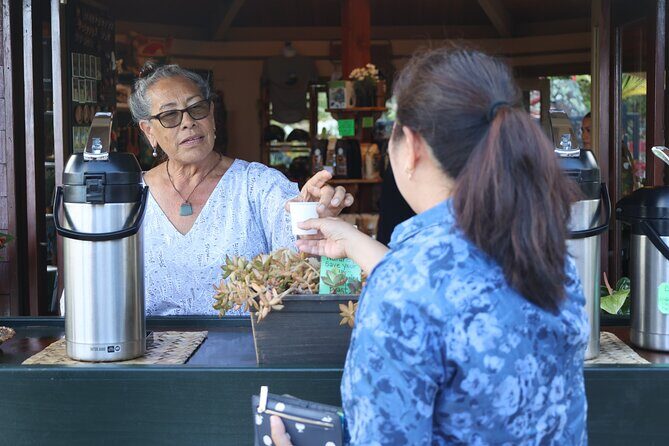
- Fresh-roasted samples: you taste 100% Kona coffee roasted on-site just days before.
- You can leave with coffee: purchasing comes with an included discount voucher.
Finding Bay View Farm From Painted Church Road
Your tour starts at 83-5249 Painted Church Rd in Captain Cook, and it loops back to the same meeting point. This matters because the drive out to farms in this area can take more time than you think, and you do not want to feel rushed when you arrive.
I also suggest you treat this stop like part of your day plan, not a grab-and-go detour. The experience is designed to be calm and paced, with a short walking route and a lot of explanation built in. If you are timing it with other Kona activities, give yourself a little buffer for slow roads and simple navigation.
And yes, roads can be narrow and winding getting out there, so if you get motion-sick easily, plan for that. One practical arrival tip from a past visitor: when you pull in, turn left right away toward the gift shop and avoid driving into someone’s driveway.
Other coffee and farm tours in Big Island of Hawaii
Under Coffee Trees: Learning Kona’s Coffee Life Cycle
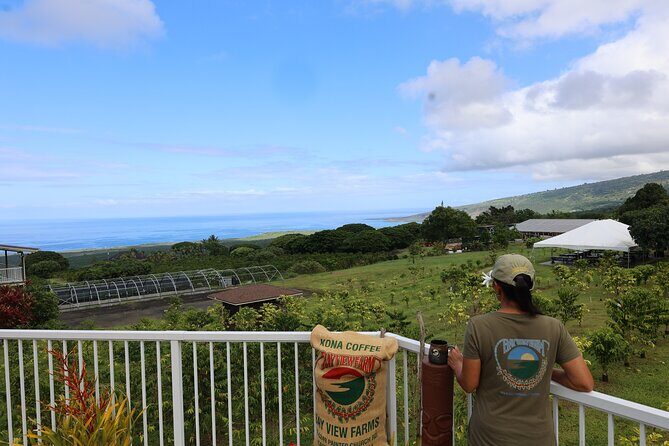
The first portion of the tour begins beneath coffee trees, where your guide sets the stage with Kona coffee specifics. You’ll learn that Kona coffee is tied to this region’s conditions, especially its volcanic soil, and you’ll hear how coffee trees grow through their life cycle.
What makes this portion useful is that it is not just trivia. It frames the why behind Kona’s reputation: pests and fungus are part of everyday farming reality, and those pressures shape how farmers care for their crop. That context helps you taste with understanding later, because you know what growers have to manage to get good beans.
This is also where the small group size pays off. Several visitors specifically praised guides for answering even tough agriculture questions with real detail. When you’re standing in the orchard, it is easier to ask, What does that look like in the field? and get an answer that connects to what you’re seeing.
Beyond Coffee Rows: Fruits and Plants That Share the Ground
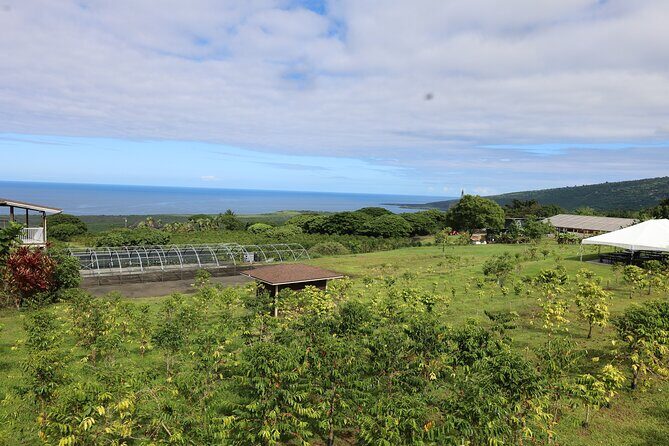
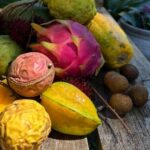
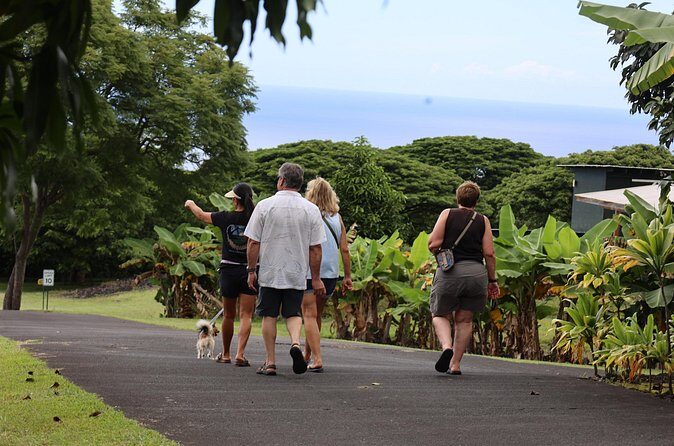
As you walk, you pass other plants grown around the farm, including mango, avocado, banana, and tea plants. This is more than a scenery add-on. It helps you understand that this is not just a single-crop operation; it is an agricultural space with multiple kinds of growth sharing the same environment.
If you like farm travel, this section gives you a more Hawaiian lens on food and growing, not just a coffee-only storyline. It also helps break up the tour physically. The walking is light enough for most people to handle comfortably, and you get plenty of time to stop and look.
If you are the kind of person who loves seeing the little signals of farm life, you might also meet the farm’s furry ambassadors, Dusty and Honey, mentioned in visitor feedback. They can make the whole experience feel more personal and less like a scripted classroom.
Mill and Drying Facility: Seeing the Work That Happens After Harvest
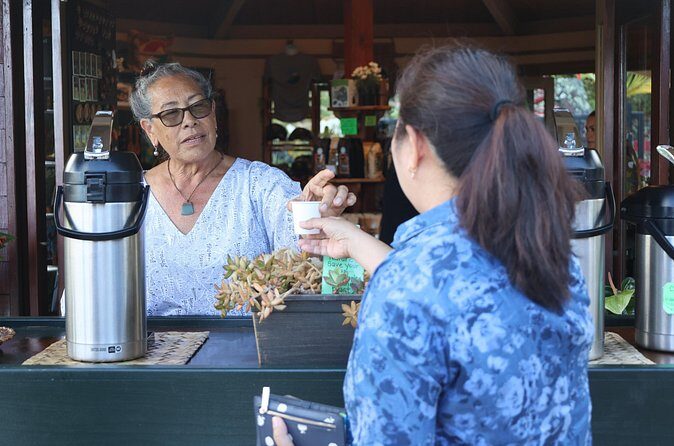
After the orchard intro, the tour moves toward the on-site mill and drying facility. This is where the experience turns from story-time to process-time.
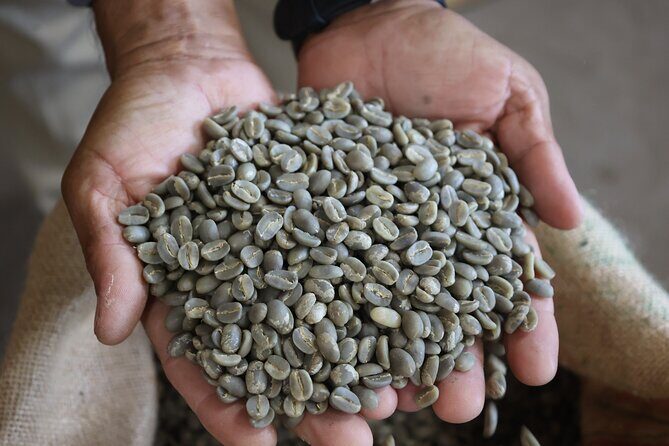
You’ll walk past the working spaces where coffee goes through key steps, including harvesting to hulling, grading, and roasting. The tour is designed so you can picture what happens between picking and the final cup. That gap is where a lot of “coffee tasting” experiences stay vague. Here, you get the full sequence in plain language.
Two specific pieces of equipment stand out because they are rare to see on a casual farm visit: a USDA-classifying machine and a gravity table. Seeing them matters because coffee quality is not only about growing; it is also about sorting and consistency. A gravity table, for example, helps separate beans by density and guides grading so roasted batches are more uniform.
This section is also a good moment to ask practical questions about what makes a bean different before it ever reaches your cup. If you like comparisons, you’ll probably enjoy hearing how the farm talks about challenges and outcomes while you are standing near the systems that handle those realities.
Roasting Room and Tasting: Fresh 100% Kona Coffee, Not Old Stock
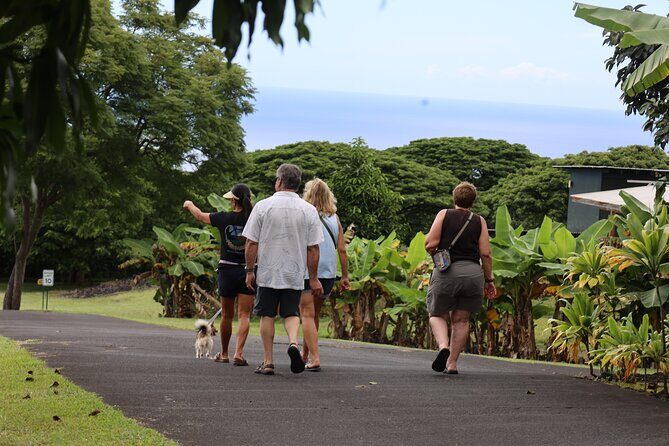
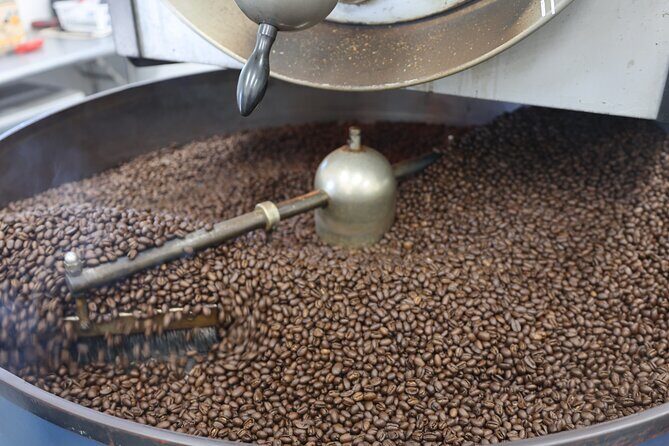
The tour ends in the roasting room and tasting area, where you sample 100% Kona coffee. The big selling point here is freshness: the coffee is roasted on-site just days before your visit.
That timing matters. Kona coffee can be expensive, and freshness affects flavor. You are not tasting a generic souvenir blend that might have been sitting on a shelf. You’re tasting what the farm considers ready to drink now.
Expect multiple samples. One visitor called out free samples of three kinds of coffee, which gives you a simple way to compare differences without needing to know anything technical. If you want to bring the experience home, this is also the moment when you can consider buying Kona coffee.
Another helpful detail from feedback: if you want, they can grind beans for you right there. That saves you time back at your rental, and it also keeps things simple if you prefer the taste of freshly ground coffee.
Other food & drink experiences in Big Island of Hawaii


The Value Equation: Why This Tour Feels Like a Bargain
The price is just $5 per group (up to 15 people). Even if you ignore everything else, the math is hard to beat: you get orchard context, processing visuals, and on-site tasting in about 1 to 2 hours.
What makes it better than a low-cost add-on is the voucher and the built-in buying logic. Purchase Kona coffee to take home, and the tour includes a discount voucher. One review also mentioned that when they bought mangoes and coffee in the gift shop, they were refunded the $5 tour cost. That may not be exactly universal, but it lines up with how the experience is designed: the tour is the introduction, and the shop is where you convert interest into a bag of coffee.
So here’s how I’d think about value for you: this tour is low risk. If you like coffee, you’ll likely walk away with beans. If you do not love coffee, you still get an agricultural lesson in how Kona coffee is made and why it takes work.
Gift Shop Stop: More Than Souvenirs
The gift shop is small but shows up again and again in visitor comments as well curated. It is a practical place to spend money thoughtfully, especially if you want to take Kona coffee home without guessing whether you are buying the real thing.
You also get a quieter moment to pause, smell, and compare options after the tour walk. If you like fruit foods too, the farm shop often includes local items, and visitors have pointed out mangoes as part of the buying experience.
One arrival note that can save you stress: when you pull in, look for the gift shop area right away and follow the farm’s setup. Avoid turning into a random driveway. It sounds basic, but it happens when directions are a little unclear.
What to Expect From the Pacing (and When It Can Feel Short)
This is not a long day in a bus. The tour is typically about 1 hour, with up to 2 hours depending on flow.
That short pacing is a double-edged sword. For many people, it is exactly right because you pack the key steps—orchard, mill/drying, roasting/tasting—into a manageable time window. For others, especially if you arrive when equipment or tasting service is not running at full energy, it can feel like you got the ideas without a dramatic production.
If you care about details, this tour usually rewards you. Several visitors specifically praised their guides for answering lots of questions, including deeper agriculture topics. I’d frame it like this: come ready to ask what you want to know, and you’ll likely leave feeling you got more than your $5 ticket.
Weather, Private Moments, and the Human Touch
A couple of practical points from feedback:
Rain can happen on the Big Island, and the tour can still happen. One visitor noted the guide took great care of them even in rain. So bring a light layer or something that can handle mist, especially if your itinerary runs in the afternoon.
Also, because the group is capped at 15, you might get a more personal experience than you expected. One visitor even had what felt like a private tour when only their party showed up. If you like one-on-one time, this is the kind of setup where it can happen.
If you are curious about the people behind the story, names mentioned in reviews include Sheri, Jason, Eva, and a few references to a friendly guide. Regardless of who leads your tour, the theme is consistent: clear explanations plus room for questions.
Which Type of Traveler Should Book This?
Book this tour if you want a working-farm experience that stays practical. It fits well for:
- People who want real processing steps, not just coffee talk
- Travelers who like small groups and Q&A
- Coffee buyers who want to taste first, then purchase with confidence
- Anyone who enjoys food agriculture and the connection between soil, pests, and quality
It might be less ideal if you want a long, high-production experience with nonstop activity and every tasting station staged to the max. In that case, manage expectations: it is a farm tour with real work going on, and sometimes that looks calm rather than theatrical.
Simple Booking and Timing Tips
The tour uses a mobile ticket and is offered in English. Confirmation is sent at booking time. On average, it gets booked about 20 days in advance, so if you have a Kona schedule that is tight, grab your spot sooner rather than later.
Timing-wise, I’d aim to arrive a bit earlier than you think you need. A farm tour lives and dies by punctuality. You’ll get more from the orchard walkthrough and tasting if you are not running on fumes.
Should You Book the Kona Coffee Farm Tour?
I think you should book this if you want to understand Kona coffee in plain language and you like learning while you walk around a real working farm. The $5 group price is such strong value that even a short visit can feel worthwhile, especially because you taste 100% Kona coffee roasted on-site just days earlier and can take home a discount voucher.
The only reason I’d hesitate is if you are chasing a very specific type of tasting show. This is a farm, not a museum with lights and buttons. Show up on time, ask questions, and expect a friendly, low-key experience that teaches you how the coffee actually gets made.
FAQ
How much does the Kona coffee farm tour cost?
It is $5.00 per group, with a maximum group size of 15 travelers.
How long is the tour?
The tour runs about 1 to 2 hours.
Where do I meet for the tour?
The meeting point is 83-5249 Painted Church Rd, Captain Cook, HI 96704, USA, and the tour ends back at the meeting point.
What language is the tour offered in?
The tour is offered in English.
What will I do during the tour?
You’ll visit the Bay View Kona Coffee Farm areas, learn about coffee trees and farming challenges, see the mill and drying process, then finish at the roasting room and tasting area.
Do I get to taste the coffee?
Yes. The tour includes sampling 100% Kona coffee roasted on-site just days before.
Can I buy Kona coffee to take home?
Yes. You can purchase Kona coffee, and there is an included discount voucher.
What if I need to cancel?
You can cancel for a full refund if you cancel at least 24 hours before the experience start time. If you cancel less than 24 hours before, the amount paid is not refunded.