REVIEW · BIG ISLAND OF HAWAII
Exotic Fruit Tasting Tour in Kona
Book on Viator →Operated by Aloha Adventure Farms · Bookable on Viator
Rare fruit time beats the usual Hawaii snack run. This Exotic Fruit Tasting Tour on the Big Island focuses on the fruits themselves, plus the stories behind them, and it stays friendly thanks to a small group. I like that you get a real Q and A with your guide, not just a walk-by sample. I also love the practical part: if you finish the tastings but still want more, you can pack up leftovers in provided containers. One possible drawback to consider is that because it’s about 1.5 hours, the experience can feel more like tasting stations and explanations than a long, hands-on farm exploration.
The tour happens at Aloha Adventure Farms in Holualoa. With a max of 15 people and an English-speaking guide, it’s an easy add-on to your Kona plans, especially if you want something different from beaches and roadside fruit stands.
In This Review
- Key things to know before you go
- What this Kona fruit tour really is (and why it works)
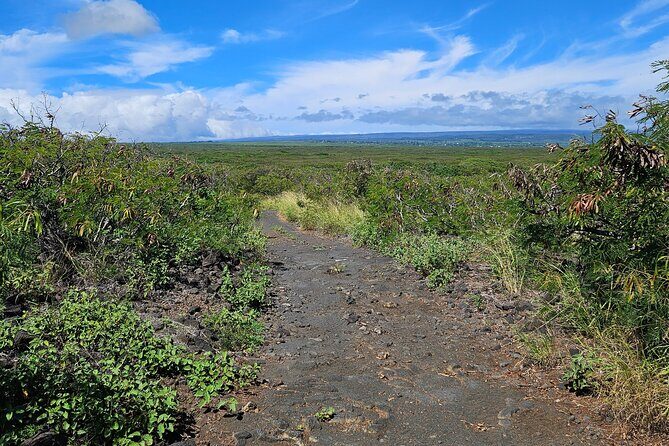
- Where you’ll go: Aloha Adventure Farms in Holualoa
- The heart of the tour: tasting stations at the farm
- What you’ll likely experience during the tastings
- The food extras that make it feel like a real activity
- The guide experience: lots of questions, short answers, clear explanations
- How much “farm tour” is it, really?
- What to eat: standout fruits (and how to approach unknown ones)
- Mosquito comfort: small effort that pays off
- Price and value: is $84.99 a good deal?
- Who should book this fruit tasting tour in Kona?
- Should you book the Exotic Fruit Tasting Tour in Kona?
- FAQ
- How long is the Exotic Fruit Tasting Tour in Kona?
- How much does the tour cost?
- Where is the meeting point?
- What’s included in the price?
- Can I take leftover fruit home?
- How big is the group?
- Is the tour offered in English?
- Do I get a mobile ticket?
- Are service animals allowed?
- Is there free cancellation?
Key things to know before you go
- Small group (up to 15): more chance to ask what you’re tasting and why it tastes that way.
- A tasting-first format: expect samples, stories, and short plant time, not a full-day farm adventure.
- Take-home fruit is built in: you’ll get utensils and containers so nothing goes to waste.
- Mosquito reality: citronella candles may be provided, but it still helps to bring your own repellent.
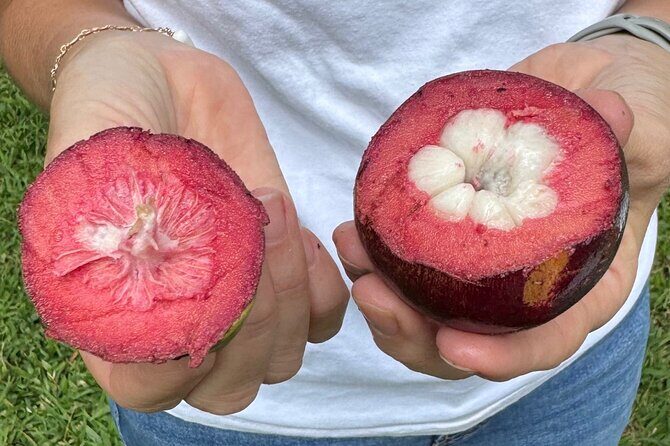
- Fruit selection can be wide: you may try lots of varieties, including mango types and less-familiar fruits like mangosteen and rambutan.
What this Kona fruit tour really is (and why it works)
This isn’t a gimmick “tropical souvenir” tasting. It’s a guided fruit session in Holualoa where the main event is eating and learning at the same time. You’re paying for time with someone who can connect each fruit to how it grows and what to expect with flavor, texture, and ripeness.
At $84.99 per person for about 1 hour 30 minutes, the value comes from the fact that the tour includes the fruits and the tools to taste them properly. You’re not just handed a few bites. You’re set up to try a broad range, then you can take extras home if there’s room in your plans and your cooler bag.
The best part for many people is the pace. A group capped at 15 keeps the atmosphere relaxed, so you can ask follow-up questions when something surprises you. That matters because exotic fruit can be confusing at first bite. Is this sweet or floral? Is it supposed to be creamy or crisp? A good guide helps you make sense of it fast.
Other food & drink experiences in Big Island of Hawaii



Where you’ll go: Aloha Adventure Farms in Holualoa
Your tour start and end point is Aloha Adventure Farms, 77-6261 Mamalahoa Hwy, Holualoa, HI 96725. The experience ends back at the meeting point, which is helpful if you’re building a busy day around Kona.
Holualoa sits a bit inland from the busier resort strip, so it can feel like you’re getting a different slice of Hawaii than the typical coast-and-activities rhythm. And since the tour is limited to one group at a time format (max 15), it’s not the kind of stop where you feel rushed out the second you’re done.
You’ll want to plan around the fact that this is a scheduled activity, not a “drop in whenever” farm visit. If rain shows up, the operation can adjust so you still get your tasting time. On one damp day, people reported the tastings happening under cover, which is a good sign that you won’t be stuck staring at a closed sign.
The heart of the tour: tasting stations at the farm
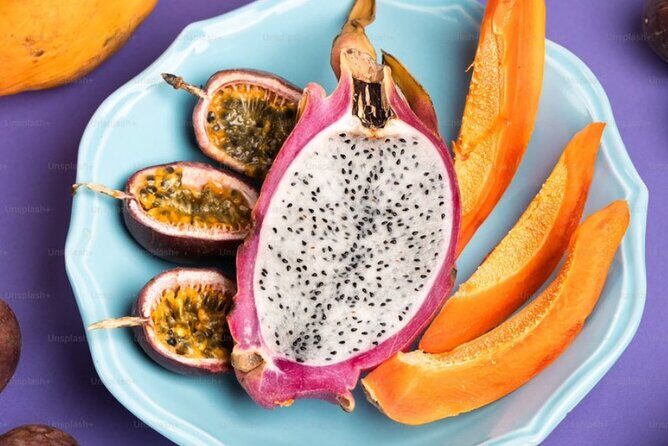
Since this is about 90 minutes, the tour format is compact. You’ll spend most of your time sampling fruits in a few rounds, guided through what each fruit is like and what to notice while you eat it.
What you’ll likely experience during the tastings
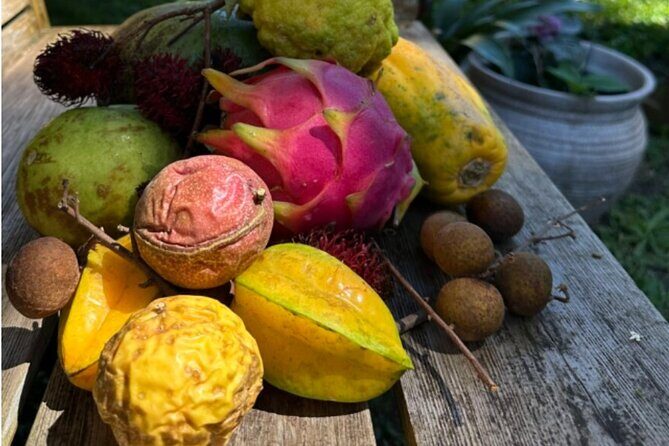
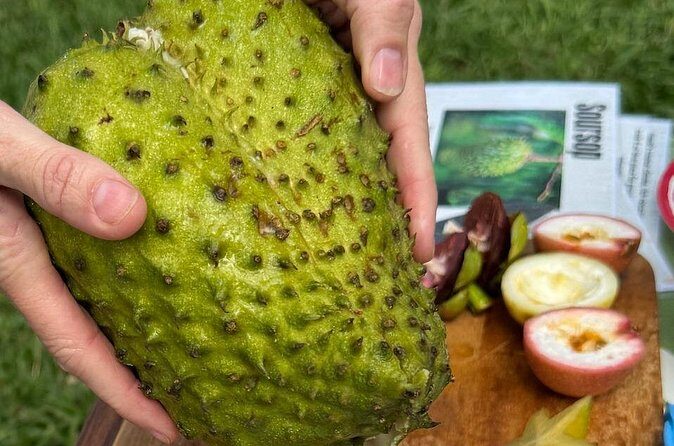
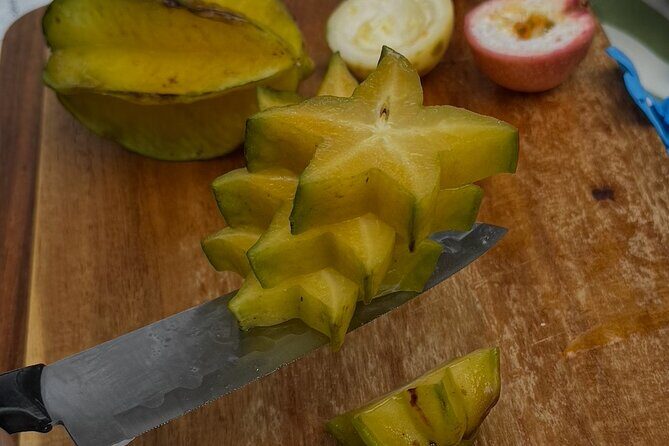
The fruit variety can be extensive. In past visits, people have described lineups that include multiple mango types, mangosteen, rambutan, longan, star fruit, lychee, lilikoi (passionfruit), cacao, and durian. There are also sweeter, more familiar options mixed in, like bananas and papaya, plus fruit flavors you may not find easily back home.
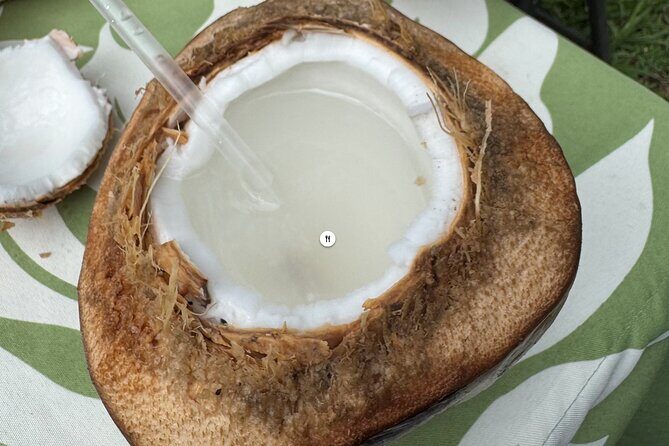
Some tours also include coconut and macadamia moments. One person described cracking a coconut with a Tongan blade, and others mentioned air-dried macadamia nuts at the end. Whether you get the coconut-blade moment depends on timing and what’s ready, but it’s a good example of the kind of hands-on touches you can hope for.
A lot of the “exotic” value here is that you don’t just sample one strange fruit. You get contrast. You might move from creamy to juicy to floral-sweet in a short span, which makes the learning stick. And because you’re tasting while the guide talks, you can compare notes in real time.
The food extras that make it feel like a real activity
This tour isn’t just fruit on a plate. You get utensils, and you’ll also receive containers so you can take home anything leftover. That sounds small, but it changes the entire payoff. You get to extend the tasting to later that day, or even pack fruit for tomorrow’s breakfast without paying another stop price.
Many people also appreciated the comfort details. Reports included water being provided and citronella candles used to cut down mosquitoes during the tasting time. Still, I’d treat that as helpful support, not a guarantee.






The guide experience: lots of questions, short answers, clear explanations
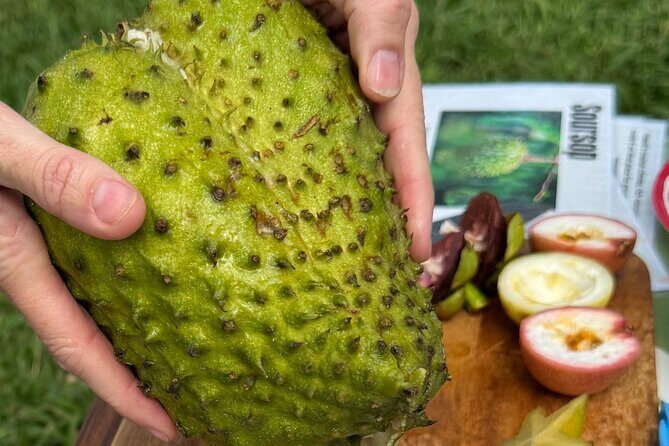
A good fruit guide makes the difference between “interesting tasting” and “I actually learned something.” One named guide, Leah, comes up in feedback for being fun to listen to and strong on explaining each fruit.
That’s what you should look for when you book. In a small group, the guide can adjust on the fly. If you’re confused by something like snake fruit or abiu (sometimes unfamiliar to North American palates), the guide can help you interpret it. If you love mango, you’ll likely get pointed toward what each mango type tastes like and how to eat it.
And because the group stays small, you’re not stuck waiting for your question to be “next.” You can ask right away and keep moving through the tastings without losing momentum.
How much “farm tour” is it, really?
Here’s the honest trade-off. This experience is first and foremost a fruit tasting. One review had a disappointed family because they expected a longer farm tour where the sampled fruit grew in front of them. Instead, they felt mostly seated at a picnic bench with fruit and printed explanations.
That doesn’t mean the farm is fake, though. Another review praised walking around the property, seeing fruit trees and bushes, and even checking out areas tied to vanilla, cacao, and apple bananas. The difference may come down to weather, timing, and how much fruit/plant time fits into the 1.5-hour window.
So if your top priority is a long, hands-on farm walkthrough with lots of time among plants, this might feel short. If your priority is eating lots of fruit with a guide and learning quickly, this format usually lands well.
What to eat: standout fruits (and how to approach unknown ones)
Even if you’ve eaten tropical fruit before, this tour is the kind of place where you’ll get a few surprises. The best strategy is to go in with curiosity, not expectations. Exotic fruit often has a texture that’s as important as flavor.
Here are some fruits that have shown up in tasting lineups, so you can mentally rehearse what to watch for:
- Mango varieties: multiple types can be offered, so compare sweetness and aroma rather than assuming all mango tastes the same.
- Mangosteen: people often describe it as a rich, sweet treat; eat it slowly and notice the thick, juicy segments.
- Rambutan and longan: these tend to be sweet and light; focus on how they sit on your tongue.
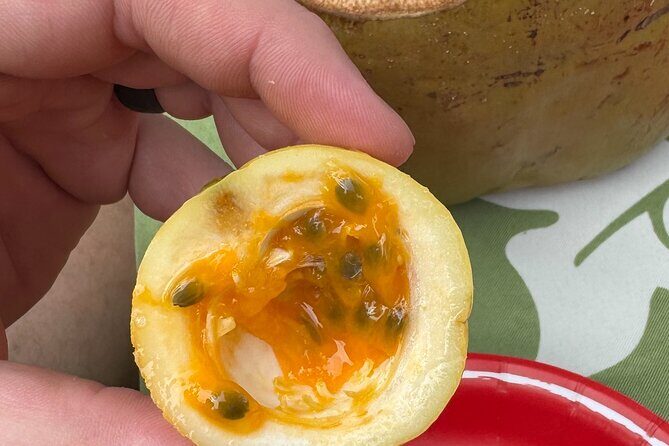
- Lilikoi (passionfruit): expect a tangy-sweet punch.
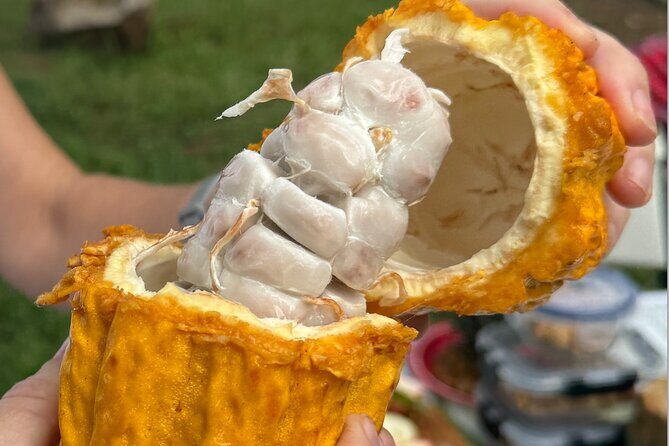
- Cacao: you may taste it as part of the fruit-to-farm story, not as a chocolate candy bar.
- Snake fruit, lychee, star fruit: each has its own profile; don’t force a comparison to a single familiar fruit.
- Durian (if offered): this is a strong one. If you love odd flavors, it can be a highlight. If you don’t, treat it like a curiosity tasting moment.
Also, keep in mind that fruit ripeness changes flavor. That’s part of the point, and it’s why being guided matters. You’ll get tips on what the fruit is like when eaten at its best stage.
Mosquito comfort: small effort that pays off
You’re on the Big Island. Mosquitoes are part of the reality. Citronella candles were reported as part of the setup, but one couple still got bites and recommended using repellent on your legs.
My practical advice: apply repellent before you arrive, especially if you’ll wear shorts. Bring a small personal bottle so you can reapply if you need to. And if you’re sensitive to bites, don’t count on candles alone.
Price and value: is $84.99 a good deal?
For many people, the answer is yes, mainly because of what you’re buying:
- Fruits are included, along with utensils.
- You can take extra fruit home, which extends the value beyond the hour and a half.
- The group is capped at 15, which makes it feel less like a conveyor-belt tasting.
- You get a guide who can explain what you’re eating as you go.
The only time the price feels steep is when someone expected a very long farm adventure or a deep, long walk among the plants. If that’s your expectation, you may end up comparing this to other food experiences and feeling like you paid for fruit without enough “tour” time.
The sweet spot is when you want a short, focused fruit education experience that saves you from guessing which fruit to try and how to eat it.
Who should book this fruit tasting tour in Kona?
This tour fits best if you like food, curiosity, and learning without homework. It’s a strong match for:
- Food lovers who want a break from standard tourist meals
- Families and teens who can handle an hour and a half of eating and asking questions
- Anyone who wants to try fruits they rarely see at home
- Travelers who enjoy small-group activities more than large group tours
It may be less ideal if your dream day includes long, hands-on farm work, or if you need a lot of walking time to feel like it was worth it.
Should you book the Exotic Fruit Tasting Tour in Kona?
Book it if you want a small-group, fruit-focused experience with the practical perk of taking leftovers home. With lots of fruit variety (sometimes around twenty items depending on what’s ready), plus a guide who can explain the basics clearly, it’s a memorable way to spend 90 minutes on the Big Island without turning it into a scavenger hunt.
Consider skipping or tempering expectations if you’re specifically chasing a long farm-walk adventure. This is tasting-first, so plan to enjoy it as a guided sampling session on farm property rather than a full-day farm tour.
If you do book, pack a little mosquito repellent, wear something comfortable for standing, and go in willing to taste first and judge later. That’s where the fun is.
FAQ
How long is the Exotic Fruit Tasting Tour in Kona?
It lasts about 1 hour 30 minutes.
How much does the tour cost?
The price is $84.99 per person.
Where is the meeting point?
You meet at Aloha Adventure Farms, 77-6261 Mamalahoa Hwy, Holualoa, HI 96725, USA.
What’s included in the price?
The tour includes fruits, utensils, a guide, and a take-home container for any fruit you didn’t finish.
Can I take leftover fruit home?
Yes. You’ll receive a container so you can pack up anything you don’t eat during the tour.
How big is the group?
The tour has a maximum of 15 travelers.
Is the tour offered in English?
Yes, it’s offered in English.
Do I get a mobile ticket?
Yes, the tour uses a mobile ticket.
Are service animals allowed?
Yes, service animals are allowed.
Is there free cancellation?
Yes. You can cancel up to 24 hours in advance for a full refund.