REVIEW · BIG ISLAND OF HAWAII
Coffee Brewing Workshop
Book on Viator →Operated by Hala Tree Coffee · Bookable on Viator
Coffee isn’t just coffee on the Big Island. This small class turns brewing technique into something you can actually repeat at home, with a guided walk through the process and hands-on tasting.
What I like most is that you get real access—you can go into the roasting room and ask questions instead of just listening. And you’re not stuck with one weak sample either: you’ll taste Medium and Dark 100% Kona Coffee and learn how different methods change the flavor in your cup.
One thing to consider: the whole experience is about an hour, so it’s practical and hands-on, not a long, full-day coffee immersion class. If you’re the type who wants every detail of processing, you’ll do best with a few focused questions ready.
In This Review
- Key things to know before you go
- Entering the Captain Cook Coffee Scene
- Your Hour-Long Plan: From Roasting Questions to 3 Brew Styles
- 1) Start with coffee people questions
- 2) Learn why brewing method changes your cup
- 3) Brew three ways: pour-over, French press, espresso
- 4) Taste, compare, and get your home baseline
- What You’ll Learn About Flavor (and Why Sugar-Free Tasting Matters)
- Roasting Room Access: Real Questions, Real Context
- The Optional Farm Tour: If You Want More Than Brewing
- Small Group Size: Why Four People Makes It Worth It
- Price and Value: What $20 Buys You on the Big Island
- Practical Tips to Get the Most From the Workshop
- Who This Coffee Workshop Is For
- Should You Book Hala Tree Coffee’s Brewing Workshop?
- FAQ
- How long is the Coffee Brewing Workshop?
- Where does the workshop start?
- What brewing methods will I learn?
- Is the coffee tasting included?
- Is there a farm tour option after the workshop?
- How many people are in the group?
- What is the cancellation policy?
Key things to know before you go

- Roasting room access so you can ask questions about the full coffee process
- 3 hands-on brew styles: pour-over, French press, and espresso
- Free tasting of Medium and Dark 100% Kona Coffee
- Small group of up to 4 for real one-on-one attention
- Optional farm tour after the workshop if you want more context
Entering the Captain Cook Coffee Scene
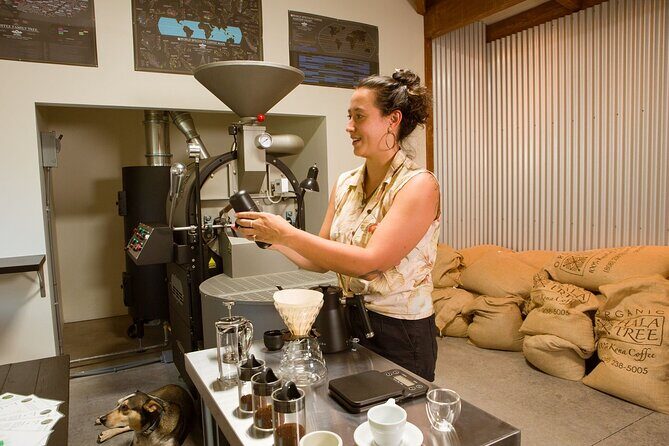
The workshop meets at Hala Tree Coffee in Captain Cook, on the Big Island. This matters because Kona coffee isn’t theoretical here. The whole session is built around how coffee moves from plant to cup, then how your technique changes what ends up tasting in your mouth.
If you enjoy coffee as a hobby—or if you’ve ever wondered why your home cup tastes different than what you get at cafés—this is the kind of experience that answers that question fast. You’ll spend your time learning the mechanics of brewing and tasting the results immediately.
And yes, it’s also a good stop if you want something more human than a standard tasting. The small group limit (just four people) keeps things from becoming a lecture where you’re quietly taking notes while the rest of the class gets attention.
If you're still narrowing it down, here are other tours in Big Island of Hawaii we've reviewed.


Your Hour-Long Plan: From Roasting Questions to 3 Brew Styles
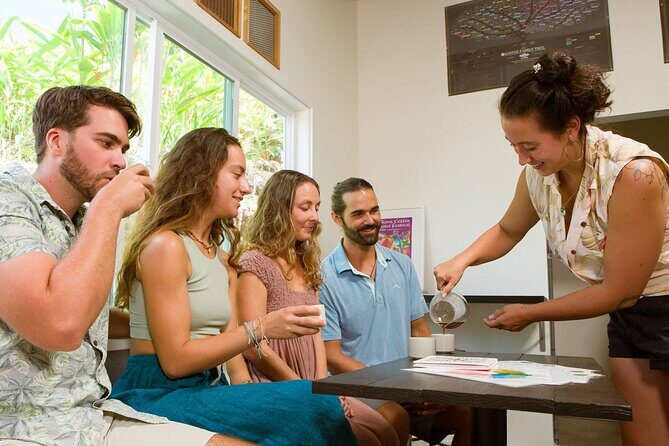
Expect a guided, hands-on class built around the idea that brewing changes flavor. The structure is simple, and that’s the point: you get a baseline for what creates good results at home.
1) Start with coffee people questions
You’ll begin by setting your understanding of Kona coffee in place, with time to ask questions. A key highlight is access to the roasting room, which gives you a behind-the-scenes view of how roasting ties into flavor.
In practical terms, roasting isn’t just a step on a checklist. It affects aroma, bitterness, sweetness, and how bright or heavy the coffee tastes. When you can see the roasting environment and ask questions on-site, you walk out with context you can actually use.
2) Learn why brewing method changes your cup
Then the class shifts into the brewing lesson. You’re not just told to try different methods—you learn what each method is doing to the coffee.
Here’s the core you’ll want to remember:
- Pour-over tends to highlight clarity and control. You can influence extraction by your pace and how you pour.
- French press often emphasizes body and a fuller mouthfeel because the grounds steep before pressing.
- Espresso is about concentration and pressure-driven extraction, so the cup is intense and structured.
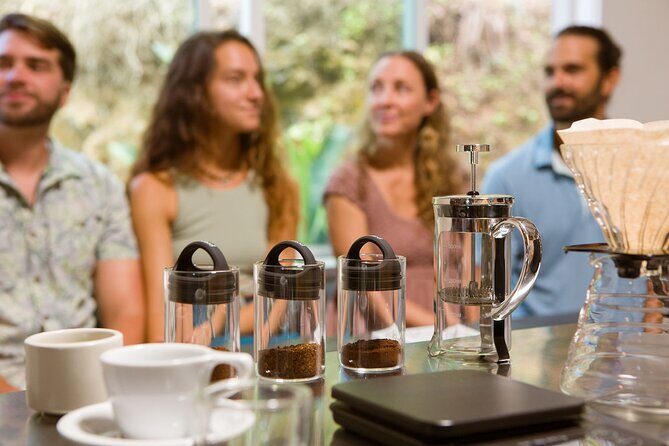
3) Brew three ways: pour-over, French press, espresso
You’ll do three different brews during the workshop. This is where the class earns its value. Tasting is one thing; brewing is where you learn how small choices affect the result.
In reviews, people especially loved the hands-on part—learning by doing, then tasting what changes.
A few more Big Island of Hawaii tours and experiences worth a look


4) Taste, compare, and get your home baseline
By the end, you should have a simple framework you can repeat at home. The goal isn’t to turn you into a barista overnight. It’s to give you enough method knowledge to stop guessing.
What You’ll Learn About Flavor (and Why Sugar-Free Tasting Matters)
One of the most memorable parts of this class is tasting coffee black. The point is not to be strict. It’s to teach your palate what’s actually there.
In the workshop, you’ll get free samples of Medium and Dark 100% Kona Coffee. And the instruction encourages you to taste without cream or sugar first, so you can notice richness and natural flavor.
Here’s what that does for you:
- If you always add sweeteners, you might not realize how much sweetness you’re already tasting.
- If you’ve ever had Kona and found it underwhelming, black tasting helps you separate brew-quality from bean quality.
A common takeaway from classes like this is that the coffee can feel satisfying on its own when the brewing method matches the beans. That’s a huge mental switch—because then you start choosing your brew style based on taste goals instead of relying on additives.
Also, if coffee is your thing, you might enjoy additional non-coffee offerings on-site. One review notes trying a cherry tea made there, which sounds like a fun extra break from straight espresso-and-brew mode.
Roasting Room Access: Real Questions, Real Context
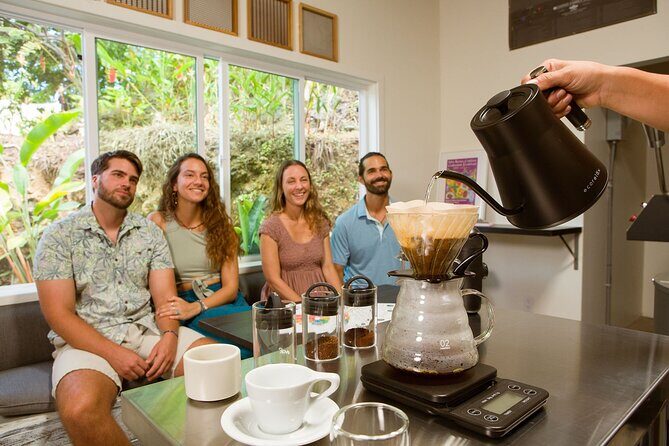
Many coffee tours stop at a scenic overlook or a short walk-through. This one builds in something more useful: access to the roasting room where you can ask questions about the whole process.
That access changes how you listen. Instead of saying, Oh okay, roasting exists, you can ask things like what roasting affects and why certain coffee tastes the way it does.
You’ll also hear how steps like growing, harvesting, and roasting connect to what you taste in the cup. A big theme in feedback is that the class covers those pieces without going so far into technical jargon that it becomes intimidating.
And if you’re the kind of person who likes practical advice, guides have been known to share local recommendations too. One guest even mentioned getting excellent suggestions for nearby poke options from Marissa—handy if you’re planning your meal after your coffee lesson.
The Optional Farm Tour: If You Want More Than Brewing
After the workshop, there’s an optional farm tour. If you’re curious about where Kona coffee comes from beyond the roasting room, this is the part that gives you the fuller picture.
It’s also a nice pacing choice. The brewing workshop is fast and hands-on; the farm tour can feel like the relaxing follow-through, where your brewing knowledge suddenly has a place in the bigger story.
If you only want the core skills and samples, you can skip this add-on and still leave with a home-brewing baseline from the three brew methods.
Small Group Size: Why Four People Makes It Worth It
The tour caps at 4 travelers, and that’s not a random number. It changes how learning happens.
With a small group:
- You get time to brew and taste without waiting around.
- You can ask more questions and get direct answers.
- The guide can watch how you’re doing each method and help you adjust.
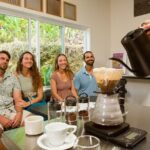
In feedback, people repeatedly highlight the personal attention and the friendly, high-quality experience at a legitimate coffee farm. When the class stays small, the workshop feels less like a sales stop and more like a lesson with coffee people who actually want you to get it right.
If you’re traveling as a couple, this is also a great setup because you can compare tastes together and talk through the differences immediately rather than trying to remember them later.
Price and Value: What $20 Buys You on the Big Island
At $20 per person for about an hour, this is one of those prices that feels fair for what you get—especially because you’re not just tasting. You’re learning three brewing methods and getting free samples of Medium and Dark 100% Kona Coffee.
Here’s the value math that matters:
- You’re paying for instruction and hands-on time, not just a drink.
- You’re tasting coffee that’s tied to the brewing lesson, so your palate learns faster.
- You can walk away with repeatable habits for home brewing, which is the real long-term benefit.
Compared to buying multiple single coffees in cafés, this class often feels like a better use of limited vacation hours. Even if you end up buying coffee afterward, you’ll be buying it with a clearer idea of how to brew it the way it’s supposed to taste.
Practical Tips to Get the Most From the Workshop
You’ll have the best time if you show up ready to taste and adjust. A few practical things help a lot:
- Ask at least one question early while you still have roasting room access. The best answers come when you’re looking at the process in real time.
- Taste the coffee black first, even if you usually add cream or sugar. You can always decide later. The learning happens when you notice the flavor directly.
- Take notes on one brew method at a time. It’s easy to leave with three new ideas and forget which one worked best for you.
- If you buy coffee, think in terms of brew style. Medium vs Dark and the method you choose will change how it tastes.
Also, since the tour is in English and runs about an hour, plan your schedule so you’re not rushing off right away. Give yourself time to enjoy a meal nearby after you’ve had your brewing lesson.
Who This Coffee Workshop Is For
This workshop makes the most sense if you:
- love coffee and want a hands-on lesson, not just a quick tasting
- want to understand how brewing affects flavor and how to improve home results
- are visiting Kona and want an authentic farm experience in a short amount of time
- like small-group tours where you can actually ask questions
It can also be a good choice for honeymooners and couples because it feels personal, not crowded, and it gives you a shared activity that doesn’t require advanced coffee knowledge.
If you hate hands-on activities, you may not feel fully satisfied. This class is built around doing three brews and tasting the results, so participation is part of the deal.
Should You Book Hala Tree Coffee’s Brewing Workshop?
If you’re torn between a quick coffee stop and something more skill-based, I’d lean toward booking this. For the price, the combination of roasting room access, free Medium and Dark 100% Kona tasting, and three brew methods you practice is exactly what makes it feel like more than another tourist activity.
Book it if you want a clear takeaway you can use at home and you like learning by tasting. Skip it if you only want a casual drink without any brewing work, or if you prefer longer tours that spend more time on processing details.
If you like to leave with a better routine—grind, brew, taste, adjust—this is the kind of hour that pays you back every time you make coffee after your trip.
FAQ
How long is the Coffee Brewing Workshop?
The workshop runs for about 1 hour.
Where does the workshop start?
It starts at Hala Tree Coffee, 82-5966 Mamalahoa Hwy, Captain Cook, HI 96704, USA.
What brewing methods will I learn?
You’ll learn three brew styles: pour-over, French press, and espresso.
Is the coffee tasting included?
Yes. The workshop includes free samples of Medium and Dark 100% Kona coffee.
Is there a farm tour option after the workshop?
Yes, there is an optional free farm tour after the workshop.
How many people are in the group?
This activity is limited to a maximum of 4 travelers.
What is the cancellation policy?
You can cancel for a full refund up to 24 hours before the experience start time. If you cancel within 24 hours of the start time, the amount paid is not refunded.