REVIEW · BIG ISLAND OF HAWAII
Hala Tree Coffee Farm Tour
Book on Viator →Operated by Hala Tree Coffee · Bookable on Viator
Coffee and trees, with ocean views.
This Hala Tree Coffee farm tour is a tidy, 1-hour hit of Kona culture, from red cherries on the plants to roasting smells in the air, capped with tastings on a scenic deck. You get the hands-on flow of how 100% Kona coffee moves from orchard to cup, and the whole thing feels unhurried instead of rushed.
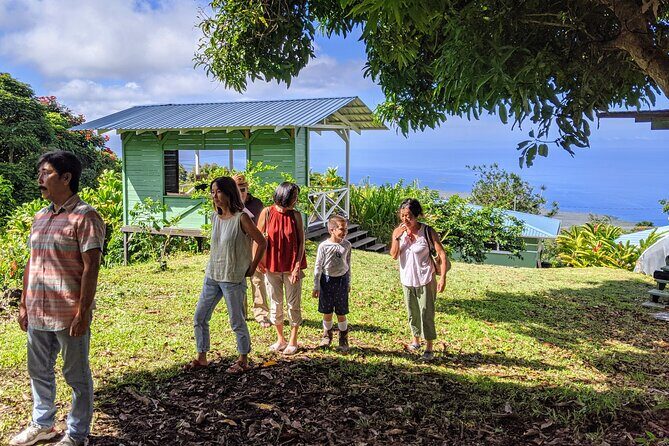
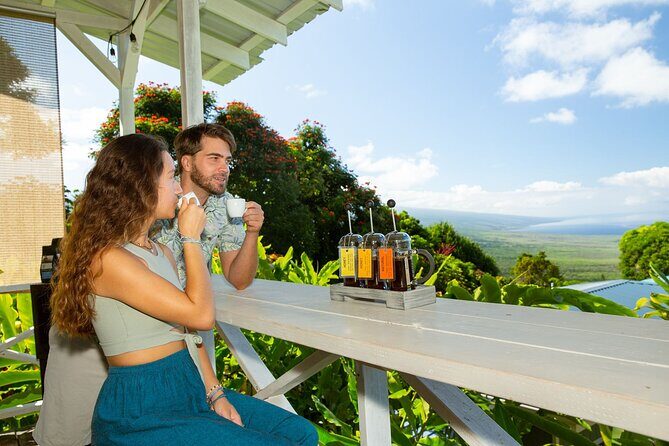
I love how the small-group size (max 12) keeps the pace relaxed and questions actually get answered. I also love the tasting setup: you sip a coffee flight with the chance to pick among different flavors, then compare notes while enjoying views from the shaded wood deck and a comfy seating area.
One possible drawback: the on-farm walk is compact, and a few people may find there is not much hiking or wandering beyond the coffee plants. If you want a long trail through rows and rows of scenery, this tour may feel too short.
In This Review
- Key highlights to know before you go
- Hala Tree Coffee on the Big Island: why this 1-hour tour fits real schedules
- Finding Hala Tree and getting your timing right from Captain Cook
- The shaded deck tasting: what the coffee flight really feels like
- The orchard walk: red cherries, harvest realities, and what 100% Kona means
- Processing and roasting: how one crop turns into different cups
- Views, comfort, and the small-group feel (max 12 people)
- Price and value: what $10 gets you on the Big Island
- Who should book Hala Tree, and who might want a different option
- Should you book Hala Tree Coffee Farm Tour?
- FAQ
- How much does the Hala Tree Coffee Farm Tour cost?
- How long is the tour?
- Where does the tour start and where does it end?
- What’s included in the tour price?
- How big is the group?
- Do I get a ticket on my phone?
- How far in advance should I book?
- Can most people participate?
- Is it easy to find the farm?
- What’s the cancellation policy if I need to change plans?
Key highlights to know before you go
- 1 hour of 100% Kona coffee process: growing, harvesting, processing, roasting, and tasting in one tight schedule
- Max 12 people means more time with the guide and a calmer vibe
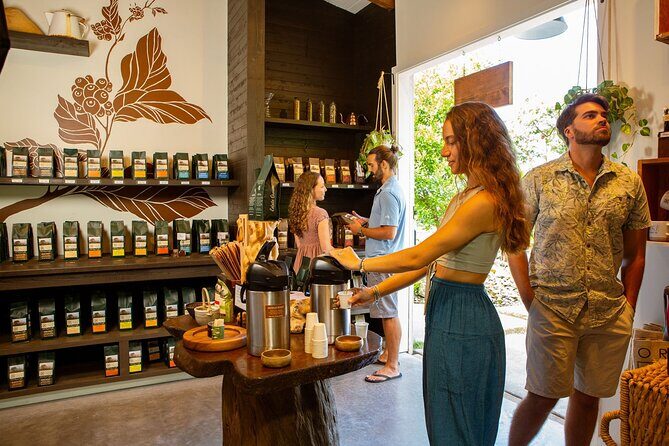
- Coffee flight tastings with options to choose flavors (often three)
- Shaded deck + ocean views make the tasting part feel like a mini break, not just sampling
- Hands-on moments may include tasting whole coffee beans and learning how flavor comes from processing
- Guide styles you might see: Sabrina, Margaret, Kat, or Danelle (all noted for clear, friendly explanations)
Hala Tree Coffee on the Big Island: why this 1-hour tour fits real schedules
On the Big Island, coffee tours come in two flavors: long and slow, or short and checklist-y. This one nails the middle. You spend about an hour learning how Kona coffee is grown and handled, then you actually taste the results. For $10, that’s a very focused use of your time.
This is the kind of stop you can slot into a day that already includes beaches, volcano stops, or a drive around the coast. It also works well if you don’t want to feel like you’re stuck in a big group with nowhere to put your questions.
Most importantly, you’re not just hearing about coffee. You’re watching how the farm goes from plant to roasted cup. That difference shows up in the tasting. When you understand the steps, you start tasting with a purpose.
Other coffee and farm tours in Big Island of Hawaii
Finding Hala Tree and getting your timing right from Captain Cook
The meeting point is at 82-5966 Mamalahoa Hwy, Captain Cook, HI 96704. The tour ends right back there. That’s helpful if you’re figuring out transport on your own, especially when you’re not staying near Kona town.
One practical tip: the farm can be a little tricky to spot from the highway. Using Google Maps is smart because the farm area is down a driveway and not always obvious from the road. If you’re the type who likes to arrive early and breathe, plan to do it.
Timing-wise, confirmation happens at booking, and the tour runs for about an hour. On average, it’s booked around 15 days in advance, so if you have a tight schedule, don’t wait too long.
You’ll also get a mobile ticket, which keeps your day simple—no paper tickets to manage.
The shaded deck tasting: what the coffee flight really feels like
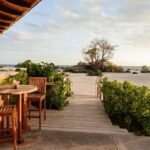
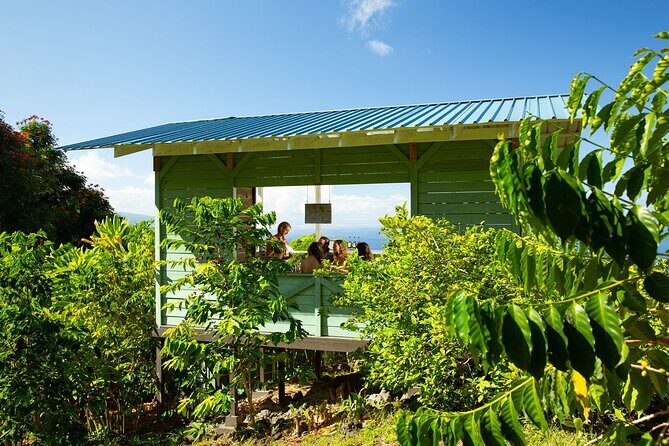
The tasting is the payoff. After the walk and lessons, you end up in a comfortable setting—often described as a shaded wood deck with great views, and then you sit and sip while you compare flavors.
The format that shows up repeatedly is a coffee flight, typically involving multiple flavors you can choose. More than once, people noted getting to pick three varieties to sample. That matters because it turns tasting into a little experiment. You’re not just getting what the staff thinks you should like. You can steer your own palate test.
You’ll likely taste hot Kona coffee in a way that encourages comparison: which roast or processing style feels brighter, which feels smoother, and which leaves you wanting another sip.
Also, the vibe here isn’t stiff. People describe it as laid-back and fun. That’s not a small detail. In a one-hour tour, your attention span is precious. A good tasting space keeps the experience lively instead of “sit, sample, leave.”
The orchard walk: red cherries, harvest realities, and what 100% Kona means
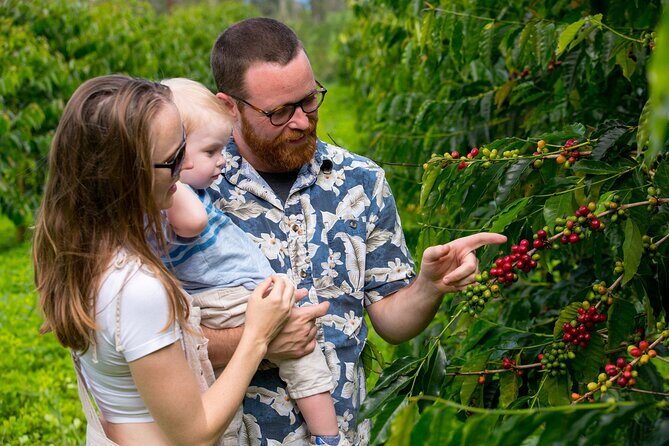
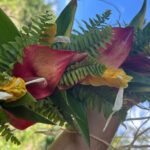
The tour begins on the farm with a guided stroll through coffee plants. If you’ve only ever seen coffee beans as brown, dry “things in a bag,” this part can be a shock in the best way. Kona coffee starts as something totally different: red cherries that contain the coffee beans inside.
Your guide explains what you’re looking at—how the cherries grow, when harvesting happens, and why the timing matters. You’ll hear that Kona coffee isn’t just one step. It’s a chain, with each link influencing the final cup.
One set of details I’d file away is the rhythm of the growing cycle. In explanation from the tour team, you’ll hear that the time from bloom to harvest is about 267 days, and that there are 7–8 harvests a year with hand-picked fruit. That’s a lot of work for one crop, and it helps you understand why Kona coffee has a price tag that doesn’t match “grocery store coffee.”
You’ll also learn about processing choices—how different steps can create different flavors even when you’re working with the same coffee source. It’s one of those moments where coffee stops being mysterious and starts becoming logical.
Processing and roasting: how one crop turns into different cups
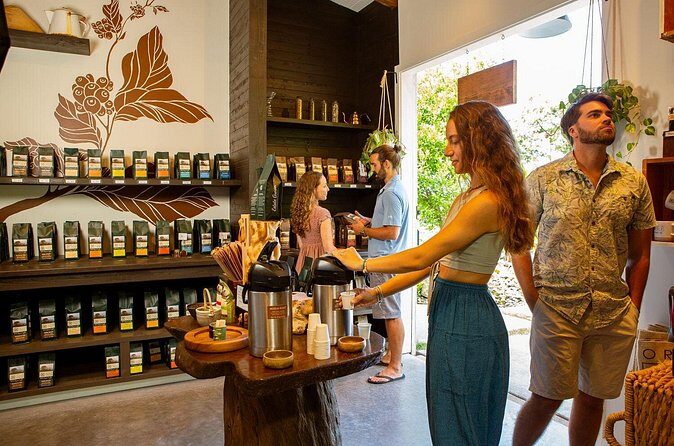
This tour does a good job connecting the dots between what you see in the orchard and what ends up in your cup. You’ll get an explanation of the coffee-making process from harvest through processing and roasting.
A big theme is that flavor comes from handling the cherries and the beans. People noted learning there are many steps and ways to create different flavors without adding anything to the coffee. That’s a helpful idea for you as a consumer: you’re tasting the result of farm and processing decisions, not flavoring tricks.
Roasting also enters the story. Guides explain how roasting changes aroma and taste, and you’ll notice the sensory part immediately—the smell of roasting that fills the air and puts you in coffee mode fast. Even if you don’t consider yourself a coffee person, your brain understands smell.
If you’re a bit of a coffee nerd, this is the part where you’ll feel more “in on it.” The explanations include how varieties and handling influence the cup, and the tasting then becomes a chance to test what you just learned.
A few more Big Island of Hawaii tours and experiences worth a look

Views, comfort, and the small-group feel (max 12 people)
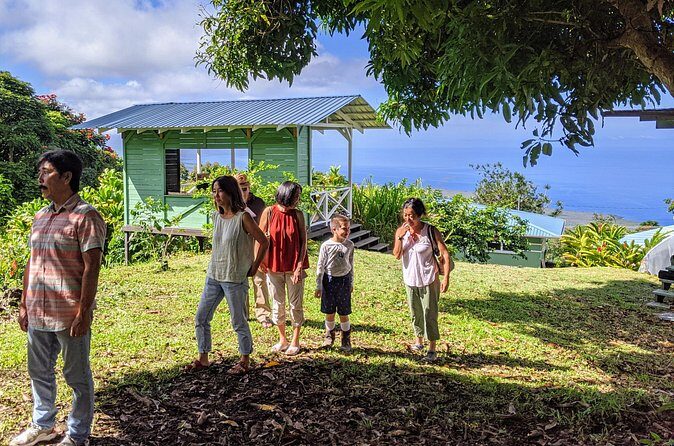
With up to 12 people, this tour avoids the usual big-tour pressure. That smaller size shows up in pacing. People describe the atmosphere as calm and personal, and that helps you actually listen.
Comfort also matters here. The tasting area is shaded, and there’s mention of a deck and seating that makes it easy to slow down for a while. For a one-hour tour, that’s smart design. It prevents the experience from feeling like you’re always standing.
There’s also a human touch. Some visits include dog greeters, and guides are described as friendly and upbeat. That isn’t just “nice.” It makes it more likely you’ll feel comfortable asking questions, even if you think your questions are too basic.
One more practical note: if mobility is a concern, you might find the team can adapt. In one example, the tour was handled in a way that avoided a rocky walk, with the explanation done under a guava tree. That doesn’t guarantee every situation, but it’s worth asking when you book if you have limited walking.
Price and value: what $10 gets you on the Big Island
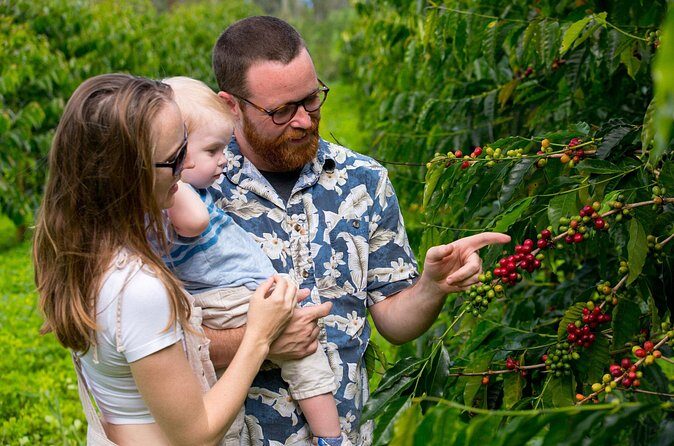
At $10 per person, this tour is one of the easier-priced coffee experiences to justify. You’re paying for more than a sample. You’re paying for an hour of farm instruction plus a tasting flight with multiple options.
Think of it like this: a coffee flight at many places is just a tasting. Here, you get the why behind the taste. You see cherries, hear about harvest timing and manual picking, and then you connect that to processing and roasting. That educational layer is what makes the value feel real.
And because the tour is compact, you’re also buying time efficiency. If you’re on the Big Island for a short visit, you likely don’t want a half-day commitment. This one gives you a meaningful coffee experience without hijacking your whole day.
The value also improves if you plan to buy coffee to take home. People often mention purchasing after tasting. When you understand what you liked and why, buying becomes less random and more personal.
Who should book Hala Tree, and who might want a different option
This is a great fit if you want:
- A quick, farm-to-cup experience in about an hour
- A chance to sample multiple Kona flavors (often with choice)
- A relaxed setting with ocean views during tasting
- Clear explanations from guides such as Sabrina, Margaret, Kat, or Danelle, depending on scheduling
You might want to choose something longer if you:
- Want a longer walking tour with lots of orchard time
- Prefer tours that include more distant stops or bigger production facilities (this one stays focused on one farm experience)
- Are expecting a lot of walking through rows rather than a compact loop and tasting
If you’re traveling with someone who drinks coffee only casually, this is also a strong pick. People note that even those who aren’t coffee fans still have a good time because it’s as much about the plant and process as it is about the drink.
Should you book Hala Tree Coffee Farm Tour?
If your goal is a high-value Kona coffee education without spending most of a day on logistics, I’d book it. The price-to-time ratio is hard to beat, and the tasting experience is set up to help you actually find what you like.
I’d also book it if you appreciate small-group settings. Max 12 keeps it friendly and question-friendly. And the combo of orchard lessons plus a shaded tasting area with views makes the hour feel like a proper break.
Skip it only if you want lots of hiking or a sprawling tour route. This one is built to be short, focused, and enjoyable, not epic-length.
If you’re on the Kona side of the Big Island and you want coffee that has a story attached, this is a smart stop.
FAQ
How much does the Hala Tree Coffee Farm Tour cost?
It’s $10.00 per person.
How long is the tour?
The tour runs for about 1 hour.
Where does the tour start and where does it end?
Meet at 82-5966 Mamalahoa Hwy, Captain Cook, HI 96704 and the tour ends back at the same meeting point.
What’s included in the tour price?
An admission ticket is included, and you’ll have a coffee tasting/flight as part of the experience.
How big is the group?
The tour has a maximum of 12 travelers.
Do I get a ticket on my phone?
Yes. It’s a mobile ticket.
How far in advance should I book?
On average, it’s booked about 15 days in advance, so booking ahead is wise if your dates are fixed.
Can most people participate?
The activity notes that most travelers can participate, but if you have mobility limits, it may help to ask ahead since there are examples of adapting the walking route.
Is it easy to find the farm?
The location may be a bit hard to spot from the highway, so using Google Maps is a good idea.
What’s the cancellation policy if I need to change plans?
Cancellation is free up to 24 hours before the start time for a full refund. If you cancel within 24 hours, you don’t get a refund.