REVIEW · BIG ISLAND OF HAWAII
Manta Ray Snorkel Experience
Book on Viator →Operated by C Big Island Tours · Bookable on Viator
Mantas swim under your feet. On this 2-hour Manta Ray Snorkel Experience from Kailua-Kona, you get a front-row seat to Hawaii’s manta action, with a crew guiding where to look while they feed near the boat lights. I love the viewing-board setup, because it makes spotting manta rays feel focused instead of random. I also like how beginner-friendly it is, with wetsuits, flotation help, and snorkel gear designed for kids and non-swimmers. One thing to consider: you’re relying on good ocean conditions, so the day’s weather can shape whether you go out as planned.
The staff here take real pride in getting the best moments for your group. In particular, the captain team is repeatedly praised for knowing what to do and adjusting to what you want to see; names like Kris Henry and David show up in the happiest stories. The tradeoff is simple: you should plan to get wet, and you’ll want to bring your own towel and sunscreen since those aren’t included.
In This Review
- Key Things to Know Before You Go
- Kona’s Manta Heaven Starts With the Boat Setup
- How You’ll See Manta Rays: Viewing Board, Lights, and the Best Chances
- Snorkeling Made Realistic: Gear, Buoyancy, and Confidence for Non-Swimmers
- The 2-Hour Flow: Ride Out, Underwater Viewing, Then Snorkel Time
- Crew Energy: Why Captain Kris Henry (and David) Matter
- Price and Value: What $139 Includes (and What It Does Not)
- Where It Starts: Meeting Point and What to Bring
- Who Should Book This Manta Ray Snorkel Tour
- Should You Book the Manta Ray Snorkel in Kailua-Kona?
- FAQ
- What is the duration of the Manta Ray Snorkel Experience?
- Where does the tour meet in Kailua-Kona?
- Is snorkel gear and equipment included?
- Do I need to be able to swim?
- What are the minimum age and weight limits?
- Can adults who do not snorkel still join?
- What is the cancellation policy?
Key Things to Know Before You Go
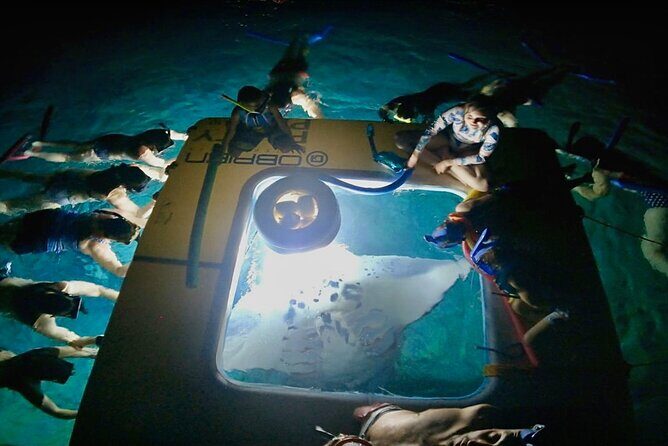
- Manta rays are viewed from underneath a board: the design helps you watch them glide rather than chase them.
- Underwater lights attract plankton: that’s why Kona manta rays are easier to find at night.
- Beginner-friendly gear and buoyancy support: wetsuits and flotation devices help first-timers feel steady.
- Small group size: the tour caps at 30, so you’re not lost in a crowd.
- You can go even if you do not snorkel: adults who ride along pay the same as a child.
- Crew quality matters: captains like Kris Henry and helpful helpers like David come up often in standout feedback.
Kona’s Manta Heaven Starts With the Boat Setup
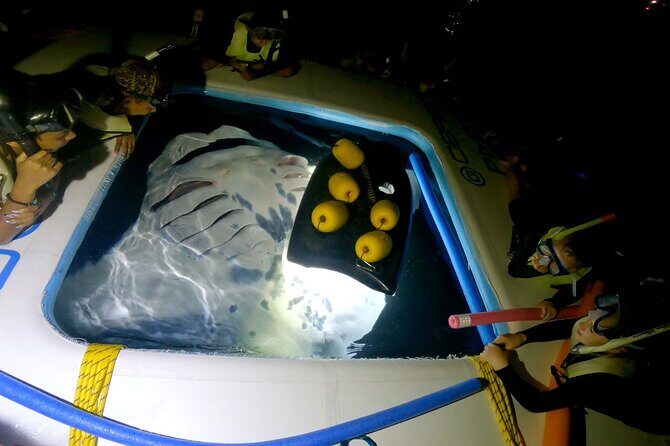
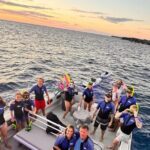
Kailua-Kona is one of Hawaii’s best bases for manta rays, and the whole experience is built around that advantage. You’ll board a comfortable 45-foot zodiac, the kind of craft that can move quickly and keep the experience active without feeling like a slow, generic cruise. The goal is simple: get you into the right viewing area and then keep your attention on what’s happening underneath.
You’re not just sitting around waiting. This is a boat-and-snorkel format where the crew runs the show: where you look, when you gear up, and how long you stay in the best spot. And because you’re watching manta rays swim beneath the viewing board, the moment feels close and immediate, even if you’re brand-new to the ocean.
Other Manta Ray night snorkel tours in Big Island of Hawaii
How You’ll See Manta Rays: Viewing Board, Lights, and the Best Chances
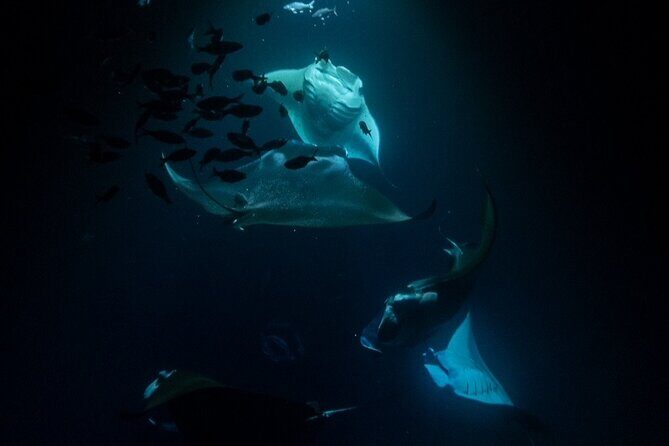
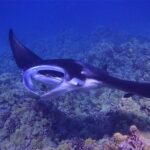
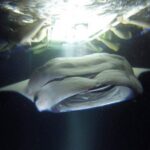
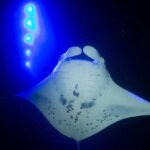
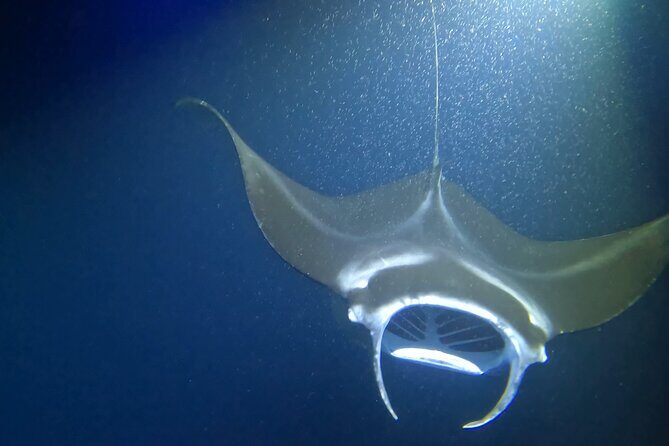
The highlight is the way manta rays come to you. The local pattern is that manta rays have become conditioned to nightly feeding routines in the Kona area, where plankton is attracted to the underwater lights used during the tour. Instead of trying to spot a far-off silhouette, you’re positioned for a more reliable pass beneath the board.
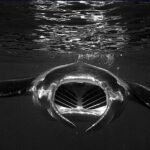
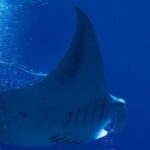
When a manta ray swims, it’s not a small fish moment. These animals can have a wing span over 20 feet across and can weigh over 1,000 pounds. That size difference changes your brain’s sense of scale. Even when you’re not in the water for long, you tend to look longer, because the movement is smooth and massive at the same time.
What I appreciate about this approach is that it respects reality. Manta sightings are always weather and timing dependent, but the tour’s method stacks the odds in your favor: the lights, the route, and the crew guidance all work together. You also get a clear reason for what you’re seeing, which makes the experience feel less like luck.
Snorkeling Made Realistic: Gear, Buoyancy, and Confidence for Non-Swimmers
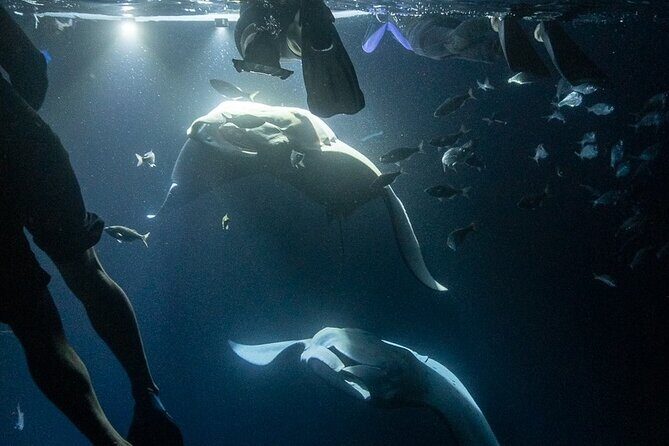
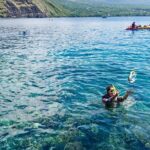
This isn’t a “hand you a mask and good luck” situation. You’ll get snorkel gear, and the operator notes that RX masks are available if you need prescription options. You’ll also get wetsuits and flotation devices, which matters more than people think.
For non-swimmers and kids, the flotation devices are the emotional anchor. They let you focus on breathing, staying calm, and following the crew’s direction, instead of panicking about balance. And for first-time snorkelers, patience is a big part of the value here, with helpful staff like David mentioned in the best stories.
One practical note: you’ll still want to treat this as real ocean time. Your mask fit matters, and staying relaxed matters. If you start feeling tense, tell the crew right away. The entire setup is meant to be easy, but it still works best when you communicate quickly.
The 2-Hour Flow: Ride Out, Underwater Viewing, Then Snorkel Time
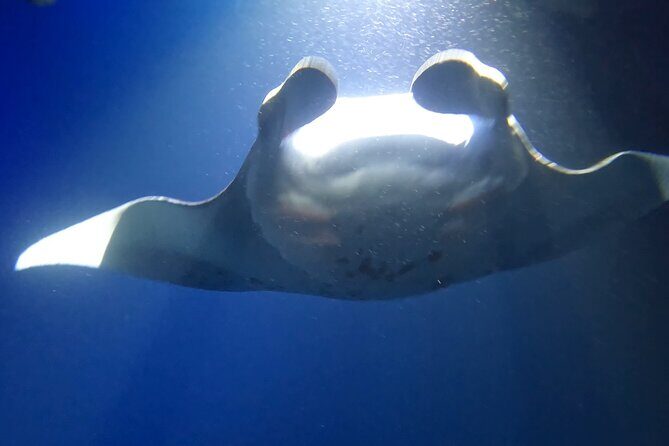
The tour is roughly 2 hours, so it’s designed to be efficient. You’re not committing to an all-day schedule where you lose the momentum. In practice, the flow usually includes:
- Getting aboard and getting equipped with wetsuit and snorkel setup.
- Moving to the manta viewing area where the underwater lights do their job.
- Watching manta rays swim underneath the board, which is often the most memorable part for first-timers.
- Then going snorkeling for your window of water time, which can include more than one stop depending on conditions and what the crew is able to find.
Some trips also include exciting extra wildlife moments beyond manta rays, like dolphins, before or around the snorkeling portion. Even if those animals don’t show up every time, the crew’s style stays the same: they look for what’s working and keep you engaged.
Because your time is short, your preparation pays off. Bring your energy. You’ll get the most out of the experience if you treat it like a focused wildlife hunt with a clear payoff.
Crew Energy: Why Captain Kris Henry (and David) Matter
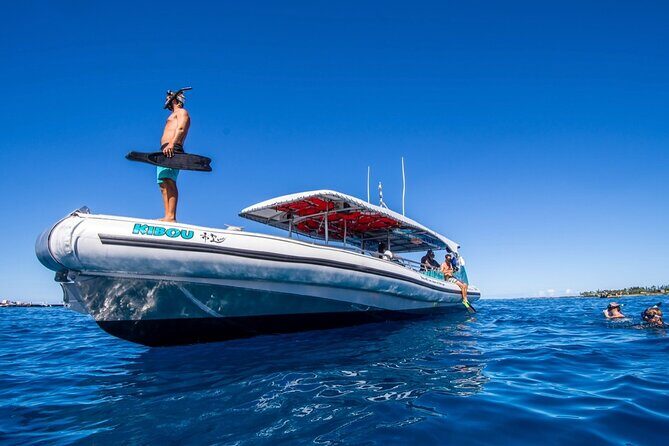
A lot of tours say they’re “easy” or “family friendly.” What makes this one rise above basics is that the crew runs it with confidence and personality.
Kris Henry shows up repeatedly in the standout feedback, and the praise isn’t vague. People call out that he knows exactly what he’s doing, asks what you want to see, and then delivers. That combo is rare: planning plus flexibility.
David also gets direct credit from first-timers for being helpful and patient. That matters if you want a tour where someone notices you’re learning, not just handing out equipment.
The difference you feel is in how quickly the group settles. You’re not spending half the trip figuring out where to look. The crew’s job is to help you see what they’re seeing, with clear direction and a calm tone.
Price and Value: What $139 Includes (and What It Does Not)
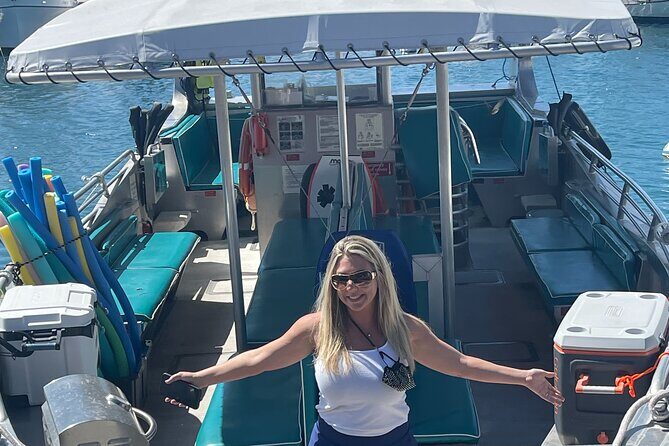
At $139 per person, this sits in the “worth it if you care about wildlife” zone. The value is in what you don’t have to buy or figure out.
Included:
- Snorkel gear, including RX mask availability
- Wetsuits and flotation devices
- Snacks and refreshments
- A guided experience with a professional captain and crew
- Suitability for kids and non-swimmers
Not included:
- Towel, sunscreen, sunglasses, and other personal items
Here’s the practical way to judge the price: you’re paying for trained guidance plus the equipment and ocean-readiness gear that makes the snorkeling portion comfortable. If you tried to do manta viewing on your own boat, or rented gear and then still needed the right conditions, the cost would usually climb quickly.
So think of the $139 as covering the “make it simple” part, not just the animal-watching part.
Where It Starts: Meeting Point and What to Bring
The meeting point is 74-380 Kealakehe Pkwy, Kailua-Kona, HI 96740, USA, and the tour ends back at the same location.
Because the tour includes wetsuits and snorkeling gear, you don’t need to do much shopping. But you should pack the basics:
- Bring your own towel and sunscreen (and sunglasses if you like them)
- Wear something you can rinse off afterward
- If you’re using RX masks, plan for that option ahead of time since it’s noted as available
One more consideration: there’s a 275 lb weight restriction, and the minimum age is 5 years. The operator also states that most travelers can participate, but it’s smart to check fit with the limits before you buy.
Who Should Book This Manta Ray Snorkel Tour
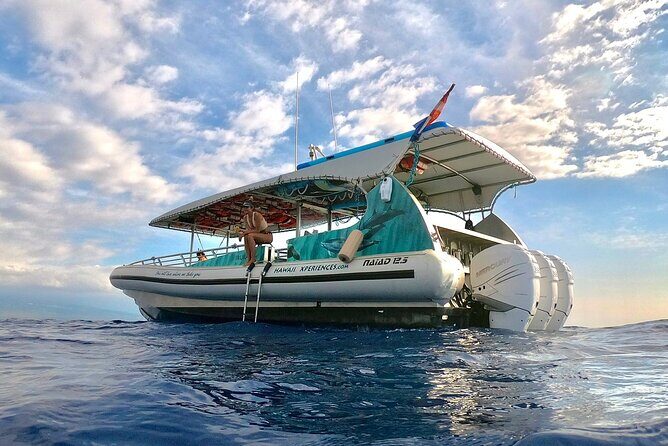
This tour is a strong match if you want a guided manta experience without technical snorkeling pressure. It’s especially good for:
- Kids and families who want a real nature moment with safety support
- First-time snorkelers who need a patient, gear-provided setup
- People who prefer a guided approach over searching on their own
- Adults who want to ride along and watch even if they do not snorkel (priced the same as a child)
If you’re an experienced, confident snorkeler who wants long water time, note the short 2-hour format. You’ll likely get plenty of joy and a memorable manta viewing window, but you’re not signing up for an all-day marathon.
Should You Book the Manta Ray Snorkel in Kailua-Kona?
If your priority is a memorable manta encounter with a setup that makes it easier to see the action, I think this is a good booking. The biggest reasons are the practical ones: the viewing-board design, the crew’s skill, and the fact that snorkeling is supported with wetsuits and flotation devices. Add in snacks and refreshments and a small group cap of 30, and it feels like a well-run outing rather than a big production.
Book it if you want an efficient, friendly, wildlife-focused experience that works even if you’re not a strong swimmer. Skip it only if you know you’re uncomfortable with ocean conditions or you want a long, multi-hour snorkeling itinerary. Otherwise, this is the kind of tour that turns a Hawaii vacation into a clear, story-worthy moment you’ll remember long after you’re back on land.
FAQ
What is the duration of the Manta Ray Snorkel Experience?
The tour runs for about 2 hours.
Where does the tour meet in Kailua-Kona?
It meets at 74-380 Kealakehe Pkwy, Kailua-Kona, HI 96740, USA, and returns to the same point.
Is snorkel gear and equipment included?
Yes. Snorkel gear is included, and RX masks are available. Wetsuits and flotation devices are also provided.
Do I need to be able to swim?
No. The experience is suitable for kids and non-swimmers, with flotation devices provided.
What are the minimum age and weight limits?
The minimum age is 5 years. The weight restriction is 275 lbs.
Can adults who do not snorkel still join?
Yes. Adults who prefer not to snorkel but just ride along can join, and the pricing is the same as a child.
What is the cancellation policy?
You can cancel for a full refund up to 24 hours before the experience starts. If you cancel less than 24 hours before, the amount paid is not refunded. The experience also requires good weather, and if it’s canceled due to poor weather, you’ll be offered a different date or a full refund.