REVIEW · BIG ISLAND OF HAWAII
Farm to Table Cooking Class at Kulaniapia Falls
Book on Viator →Operated by Kulaniapia Falls · Bookable on Viator
Harvest your lunch under Hilo skies. This farm-to-table class at Kulaniapia Falls pairs a guided garden walk with a fresh, plant-based lunch—plus food prep with views toward Hilo Bay and Mauna Kea.
I like two things most: the meal is built around what you help harvest (not just a token taste), and you leave with practical recipes you can actually use at home.
One heads-up: in at least some sessions, the hands-on cooking may be led more by staff or volunteers than by each guest personally, so go in expecting plenty of prep and harvesting time.
In This Review
- Key highlights worth planning for
- First stop: Kulaniapia Falls and the farm lunch mindset
- What farm-to-table really means here
- The morning flow: from garden walk to lunch
- Meeting and the “start slow” farm introduction
- Harvesting the ingredients for lunch
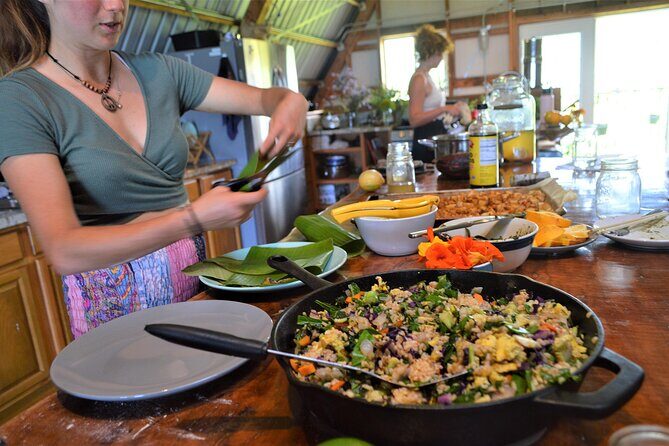
- Cooking and assembling the plant-based lunch
- Eating lunch with the views
- Who’s running the class (and why the guide matters)
- What you actually get for $169
- Is it “worth it” if you already cook?
- The farm setting: what else you might notice
- Best fit: who should book this cooking class?
- Practical tips so the day feels easy
- Wear the right shoes
- Expect a hands-on farm pace
- Come hungry and stay flexible
- Plan your budget for the tip
- Should you book the Farm to Table class at Kulaniapia Falls?
- FAQ
- Where does the cooking class meet?
- What time does it start?
- How long is the experience?
- What is included in the $169 price?
- Is the lunch plant-based?
- How big is the group?
- Is gratuity included?
- What should I wear for the farm part?
- Can I cancel for a full refund?
Key highlights worth planning for
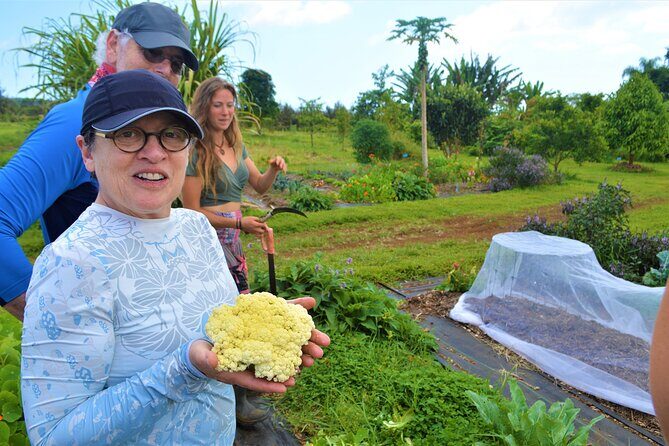
- 90%+ of your lunch comes from seasonal produce you harvest on-site
- Plant-based instruction tied directly to what grows in the farm’s volcanic soil
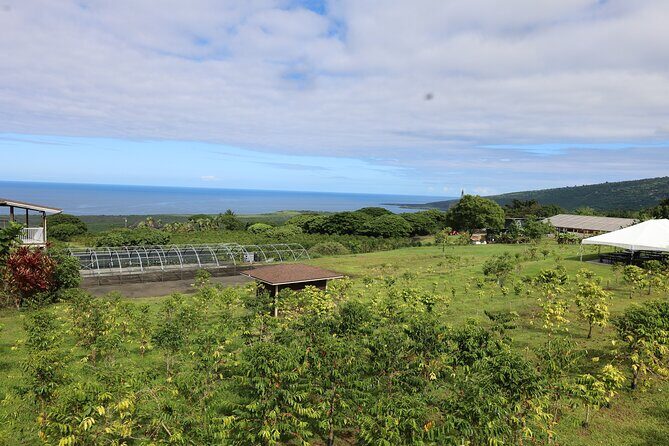
- Hilo Bay and Mauna Kea views while you prepare your meal
- Small group size (max 8) keeps the pacing relaxed and conversational
- You get take-home recipes, so the class doesn’t end when you finish lunch
First stop: Kulaniapia Falls and the farm lunch mindset
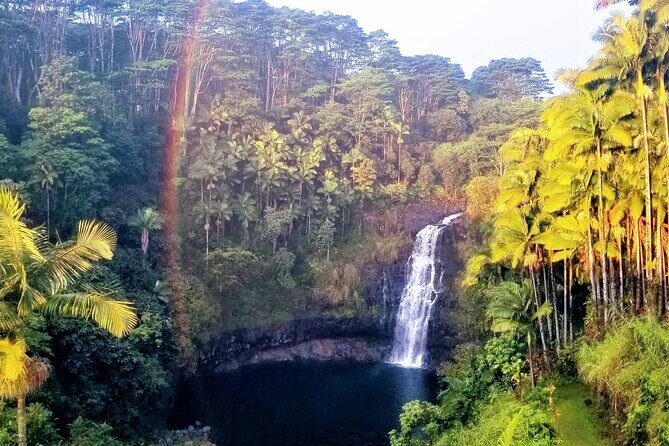
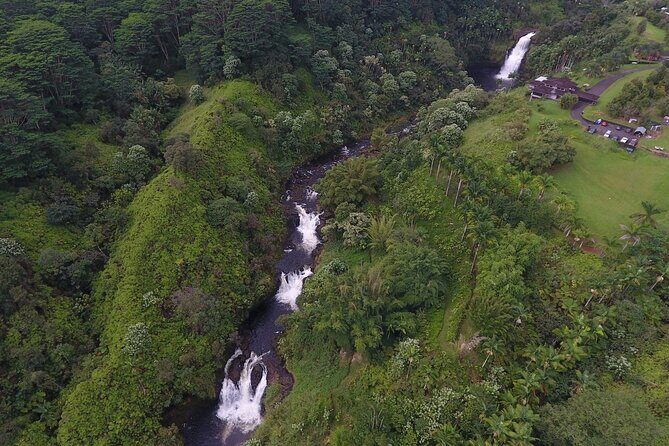
Kulaniapia Farms sits on the Big Island near Hilo, right around the water-and-garden energy of Kulaniapia Falls. The class is scheduled to start at 9:30 am, and it wraps back at the same meeting point at 100 Kulaniapia Dr, Hilo, HI 96720. Plan for about 4 hours total.
This isn’t a sit-and-watch cooking show. The core idea is simple: you walk the grounds, learn how food grows here, pick what’s ripe, then turn it into your lunch. That farm rhythm matters because it changes how you think about cooking. Instead of working from a grocery list, you’re working from the day’s harvest.
If you’re the type who likes to learn by doing, you’ll probably enjoy the slower, grounded pace. And with a maximum of 8 travelers, it has the feel of a small workshop rather than a big group activity.
Other cooking classes in Big Island of Hawaii
What farm-to-table really means here
Farm-to-table can mean a lot of things. At Kulaniapia, it’s more literal than marketing. You’ll be harvesting seasonal vegetables grown on the farm using its rich volcanic soil, then using that produce for most of your meal.
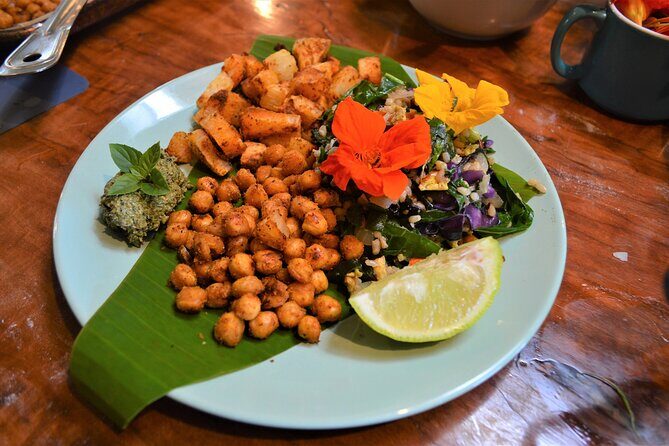
The class describes the experience as plant-based, and the structure backs that up: you create a fresh lunch together using farm produce you harvest yourself for 90%+ of the meal. That detail is important. You’re not just tasting a few samples; you’re selecting ingredients that shape the flavor and texture of what you eat.
The other part of the philosophy is environmental harmony. You’ll get explanations around living with the ecosystem rather than just extracting from it. It’s not preachy. It’s more like you’re learning why certain crops are grown and how the farm supports healthy food—so when you go home, you’re carrying a mindset, not just a recipe card.
The morning flow: from garden walk to lunch
Here’s how the class typically unfolds, based on how the experience is described and how it’s run.
Meeting and the “start slow” farm introduction
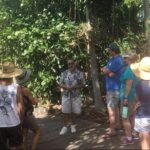
You arrive at 100 Kulaniapia Dr at the start time (9:30 am). From there, your group heads into the farm area for a guided stroll. You’ll learn about the tropical farm—what’s growing, how it’s cared for, and what makes the produce worth harvesting.
What I appreciate about this stage is that it sets expectations. Before you pick anything, you understand why certain plants look the way they do and why timing matters. That makes the harvesting feel purposeful instead of random.
Harvesting the ingredients for lunch
This is the part most people remember: actually getting your hands into the work. You harvest vegetables that will become your lunch, and the class provides what you need to harvest and prepare.
Wear practical shoes. One review specifically flags tennis shoes or other closed-toe flat shoes, because the ground can be uneven and there can be weedy areas. If you hate getting dirty, you’ll want to rethink that mindset for a few hours.
Also, this is the best moment to pay attention to how the produce looks and smells. It’s the difference between cooking with ingredients and cooking with ingredients that are truly fresh.
A few more Big Island of Hawaii tours and experiences worth a look

Cooking and assembling the plant-based lunch
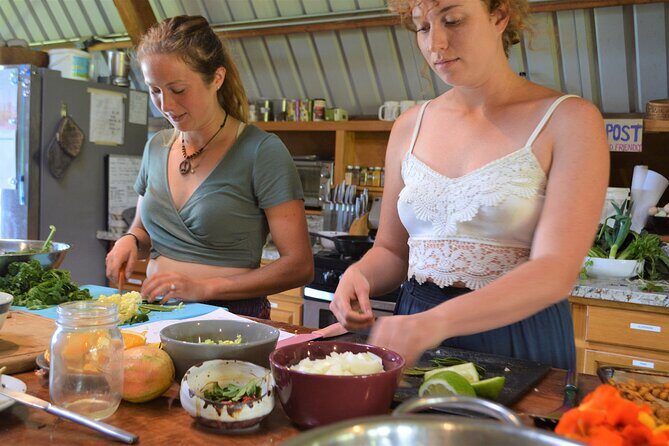
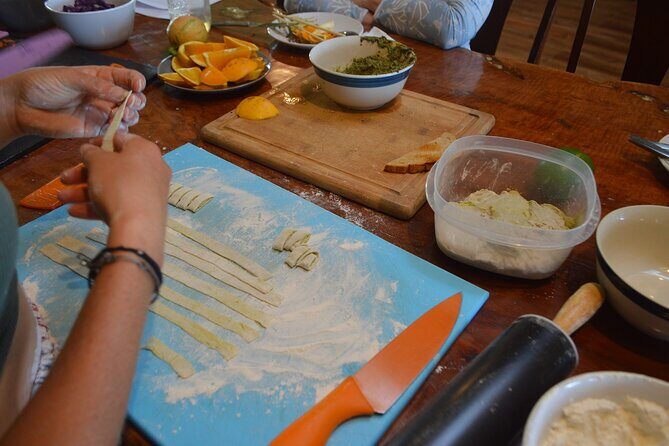
After prep, you move into the cooking stage and the lunch itself. The experience is built around a “create lunch together” format, but at least some sessions have staff or volunteers doing more of the final cooking steps than guests would expect. One guest even wished they could have done more of the actual cooking, though the result was still fantastic.
So here’s the smart expectation: you’ll help with major parts of the process—harvesting and prep for sure—and you’ll work alongside the team as the meal comes together. Then you enjoy the lunch after it’s made.
Eating lunch with the views
This is where the Big Island setting matters. Reviews mention a kitchen area with ocean views, and the class also points to scenery toward Hilo Bay and Mauna Kea while you prepare food. If you’re used to cooking classes in a bland studio, this one has natural payoff.
You’ll eat the lunch you helped create—built from seasonal farm produce, with the majority sourced directly from what you picked.
Who’s running the class (and why the guide matters)
In a small group, the instructor and support team really affect your experience. The class is community-led, and reviews mention different guides across sessions.
For example, people have named instructors including Natalie and Ayden, and a chef named Davey. One review describes Adrian as a fun, engaging guide, adding extra farm moments like feeding goats and picking eggs in the overall flow.
Even when the roles shift from guide to chef to volunteers, what stays consistent is the focus on farm knowledge, how food grows locally, and what to do with it in a kitchen setting. It’s the kind of class where you can ask real questions and get answers that connect directly to the food in front of you.
What you actually get for $169
At $169 per person, you’re paying for more than a meal. You’re paying for:
- a guided farm walk through an active growing space
- hands-on harvesting
- instruction and meal prep that’s tied to seasonal produce
- lunch included
- all tools/supplies needed for harvesting and prep
Then there’s the extra value of the small-group size (max 8). In practice, that usually means fewer distractions, more direct attention, and more chance to learn. If you’re trying to get something real out of your time in Hilo, this type of class can be more rewarding than a generic tour that just shows you places.
One cost detail to plan for: gratuity is not included, and a typical amount mentioned is $20 per guest. So if you’re budgeting, it’s smart to think in terms of the base price plus tip.
Is it “worth it” if you already cook?
If you cook often, you might still enjoy this. One review notes learning even with experience, because the focus is on seasonal ingredients and how to turn what’s growing that day into something delicious. The farm-to-plate connection can be a fresh way to approach familiar cooking skills.
The farm setting: what else you might notice
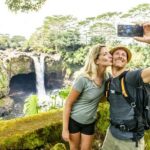
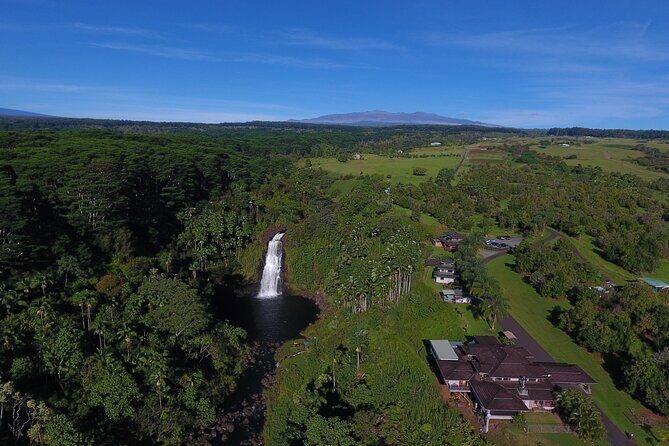
The class is centered on harvesting and lunch, but the overall farm environment adds a lot. Reviews describe bamboo gardens, the presence of a waterfall on-site, and farm animals like goats. Some people also mention tasting things like bananas right off the tree and sampling coffee.
Those extras are not the whole program, but they fit the same theme: you’re on a working farm with real food moments, not a set that’s been staged for visitors.
Best fit: who should book this cooking class?
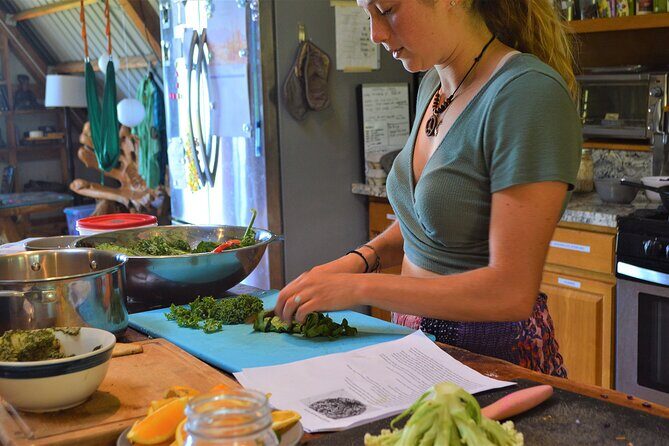
I’d point this class at travelers who like hands-on learning and local food. It’s especially good if you:
- want a plant-based cooking experience tied to real ingredients
- enjoy gardens and don’t mind getting a little dirt on your shoes
- prefer small groups over big bus-style excursions
- like leaving with usable recipes, not just photos
If you’re someone who wants a purely instructional, every-guest-cooks-every-step class, you may want to adjust expectations. The structure can involve staff or volunteers doing more of the final cooking steps than you might assume.
Practical tips so the day feels easy
A few small details will make your 4-hour morning smoother.
Wear the right shoes
Go for closed-toe flat shoes or tennis shoes. The farm has uneven ground and can include weedy areas. If you wear slip-on sandals, you’ll regret it fast.
Expect a hands-on farm pace
The class includes harvesting and prep. That means you’ll probably spend at least part of the morning with hands-on work, moving at a slower farm pace, and learning as you go.
Come hungry and stay flexible
Lunch is part of the experience, so bring a real appetite. Also, farm work can be affected by what’s ripe that day. The class is designed around seasonal produce, so the exact ingredients shift.
Plan your budget for the tip
Gratuity is not included, and $20 per guest is noted as typical for this activity. If you’re trying to avoid surprises, set that aside when you book.
Should you book the Farm to Table class at Kulaniapia Falls?
If your trip to Hilo includes time for something meaningful (not just quick sightseeing), I think this is a strong choice. The big reason: you’re not only eating farm-fresh food—you’re participating in the harvest that makes it possible. That’s the kind of experience you can talk about for years because it’s tied to a tangible process.
Book it if you want:
- a small-group cooking class
- a plant-based lunch grounded in local seasonal produce
- a hands-on way to understand farm-to-table
Skip it or adjust expectations if:
- you strongly want to do every cooking step yourself
- you’re uncomfortable with uneven ground and getting a bit messy
One more practical nudge: this class is often booked about 46 days in advance on average, so if your schedule is tight, prebooking is the way to lock in your day.
FAQ
Where does the cooking class meet?
It starts at 100 Kulaniapia Dr, Hilo, HI 96720, USA.
What time does it start?
The start time is 9:30 am.
How long is the experience?
The duration is about 4 hours.
What is included in the $169 price?
You’ll get lunch, and you’ll have everything you need to harvest and prepare the meal together.
Is the lunch plant-based?
Yes. The experience is described as a plant-based cooking class.
How big is the group?
The class has a maximum of 8 travelers.
Is gratuity included?
No. Gratuity is not included, and a typical gratuity mentioned is $20 per guest.
What should I wear for the farm part?
Wear tennis shoes or other closed-toe flat shoes, since you’ll walk on uneven ground and through weedy areas.
Can I cancel for a full refund?
Yes, there is free cancellation. You can cancel up to 24 hours in advance for a full refund. If you cancel less than 24 hours before the start time, the amount you paid is not refunded.