REVIEW · BIG ISLAND OF HAWAII
Manta Ray Night Snorkel Tour from Kona
Book on Viator →Operated by Kona Sunrise Charters · Bookable on Viator
Big wings meet you under moonlight. This 1.5-hour Kona manta ray night snorkeling tour puts you in the water near a known manta habitat, when they’re most active and feeding off plankton. I love how close manta rays can come, and the night dive lights make it easy to spot their graceful moves even in the dark. I also love the warm homemade soup and hot drinks waiting for you after you’re back onboard. One possible drawback: if you get cold easily or you’re not a confident swimmer, the night water and floating time on the viewing platform can feel like a lot.
I also like the down-to-earth approach from the Kona Sunrise Charters team. You meet at 78-7130 Kaleiopapa St in Kailua Kona about 30 minutes early, get geared up with a wetsuit and snorkel instruction, and then head out for a short run under moonlight. In reviews, Captain Tim Mitchell and the crew are repeatedly praised for making people feel steady and safe, which matters a lot when you’re snorkeling at night.
In This Review
- Key Things That Make This Manta Ray Night Snorkel Work
- Why Kona Manta Ray Night Snorkeling Feels So Special
- Price and Value: What $160.50 Actually Buys You
- Getting There: Meeting at 78-7130 Kaleiopapa St
- The Short Boat Ride Out Under Moonlight
- The Snorkel Setup: Wetsuit, Gear, and the Mask Rule
- Snorkeling at the Manta Habitat: What You’ll See
- How the Night Lights Change the Whole Experience
- After the Swim: Warm Soup, Hot Drinks, and a Real Recovery
- Who This Tour Is Best For (And Who Should Skip It)
- Tips That Make Your Kona Night Snorkel Smoother
- Should You Book This Manta Ray Night Snorkel in Kona?
- FAQ
- Where do I meet for the Manta Ray Night Snorkel Tour in Kona?
- How long is the Kona manta ray night snorkeling tour?
- What is included in the ticket price?
- Are full-face snorkel masks allowed?
- Is the tour suitable for children?
- What is the maximum group size?
- What happens if the tour is canceled due to weather?
Key Things That Make This Manta Ray Night Snorkel Work
- Night feeding beats daytime chances: Mantas feed more actively after dark when plankton rises toward the surface
- Manta-friendly viewing lights: Safe lights help bring the plankton in and improve what you can see
- Small-ish group size: A maximum of 26 travelers means you’re not packed in like a stadium
- Close-up viewing from a platform: You’re not hunting blindly; you float and watch where the action is
- Warm comfort after the swim: Soup, bread rolls, and hot drinks help you warm back up fast
- Multiple departure times: You can choose from four tour times, which helps you fit it into your itinerary
Why Kona Manta Ray Night Snorkeling Feels So Special
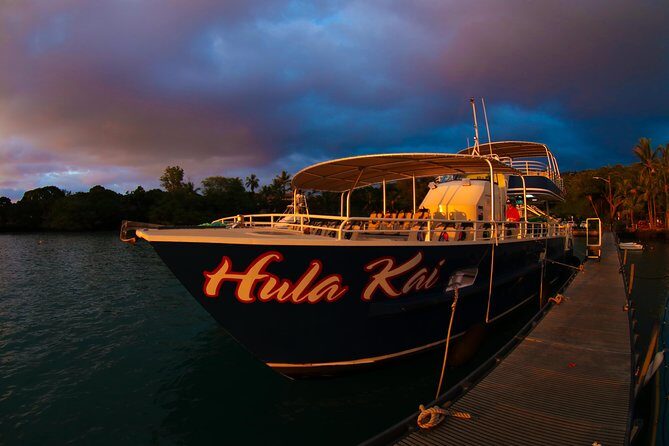
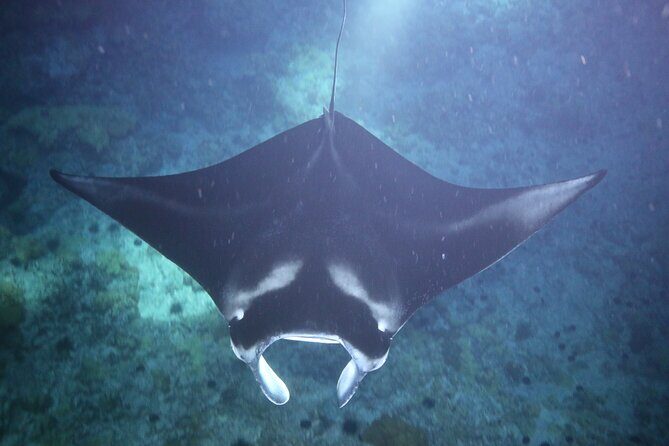
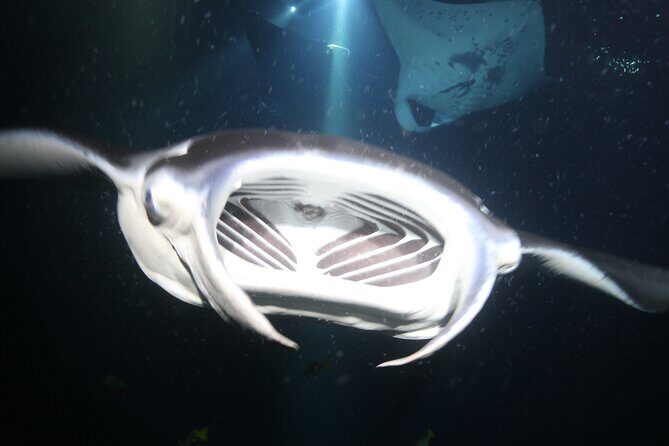
Kailua-Kona on the Big Island has a rare kind of wildlife tour: it’s built around manta behavior, not just luck. The big idea is simple. Manta rays are more active at night because that’s when plankton activity increases near the surface. And manta rays, with wingspans that can hit about 15 feet (4.5 meters), make for an unforgettable, up-close sight when they come in to feed.
The second smart piece is how the tour controls the viewing conditions. You’re not just getting thrown into the dark ocean and hoped for the best. The crew uses underwater lights that are described as safe for manta rays (and for you). Those lights improve visibility for your snorkeling time and help concentrate the plankton activity that mantas show up for.
One more reason this feels different from lots of “animal tours”: mantas are gentle. This is not a toothy, barbed situation. The tour information highlights that mantas don’t have teeth, stingers, or barbs, unlike sting rays. So the vibe you want to aim for is calm, float, watch, and let these giants do their thing.
Other Manta Ray night snorkel tours in Big Island of Hawaii
Price and Value: What $160.50 Actually Buys You
At $160.50 per person for about 1 hour 30 minutes, this is not a budget activity. But it’s also not just a ticket for a boat ride. For that price you get several things that add real value:
- Guided manta ray night snorkeling (the whole point of the outing)
- Snorkel equipment and wetsuit plus instruction
- Warm soup, bread rolls, and hot drinks after your swim
Also, the tour is capped at 26 travelers, which usually means less crowding than the big cattle-call tours. And it’s booked far enough in advance that you’ll often want to plan ahead. On top of that, you can choose between four different times, which helps you avoid forcing the whole day around one departure.
One practical value point: if you’ve ever paid extra for gear rental, you know how quickly that adds up. Here, the wetsuit and snorkel setup are part of the deal, and that matters more at night when you’re in the water longer than you might expect to be.
Getting There: Meeting at 78-7130 Kaleiopapa St
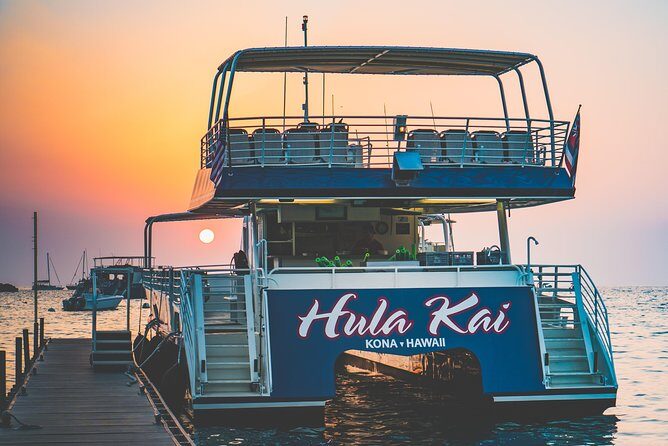
This tour has a straightforward meeting plan. You meet at 78-7130 Kaleiopapa St, Kailua-Kona, and the time to aim for is about 30 minutes before departure. That early arrival is not just for check-in. It also buys you sanity: you can find the right boat group, get parked, and avoid that last-minute sprint in wet flip-flops.
A big theme from reviews is that the parking and finding the correct group can be tricky. So I’d treat the 30-minute buffer as part of the real experience, not a boring admin task. Show up early, get your bearings, and you’ll start the tour in a calmer headspace.
You’ll also get a mobile ticket, and the tour is offered in English, which is handy if you want to focus on instruction rather than decoding.
The Short Boat Ride Out Under Moonlight
Once you’re checked in and ready, you hop aboard and head out under moonlight. The boat trip is meant to be quick and uncomplicated, and that’s a plus if you’re not thrilled about choppy water. Even so, this is the ocean at night, so it can still feel a bit rocky depending on conditions.
This is one area where I’d plan smart. If you’re prone to seasickness, consider using whatever approach works for you. People in reviews explicitly recommend taking Dramamine in advance, and also note that conditions can vary and some people get sick when the water is rough.
The goal of the ride is simple: get to the manta habitat zone without wasting your energy. When you’re about to be floating and watching in the dark, arriving rested matters.
The Snorkel Setup: Wetsuit, Gear, and the Mask Rule
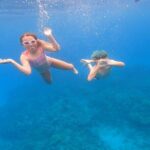
Before you enter the water, the crew gets you equipped. You’ll use snorkel gear and a wetsuit, and you get instruction on how to snorkel in this specific setup at night.
There’s also a clear equipment restriction: full face snorkel masks are not permitted on the vessel. If you own one, leave it for day snorkeling somewhere else. Bring standard snorkel gear if you like, but most of the equipment is provided, so you may just want to travel light and use what the tour supplies.
One detail that shows up in real-world experience: you’ll want to double-check how your mask seals before you get off the dock. A review notes a mask leaking around the nose and mouth caused water to keep coming in. That’s the kind of small problem that gets annoying fast when you’re trying to focus on mantas, not on fixing your face seal.
Other evening experiences in Big Island of Hawaii
Snorkeling at the Manta Habitat: What You’ll See
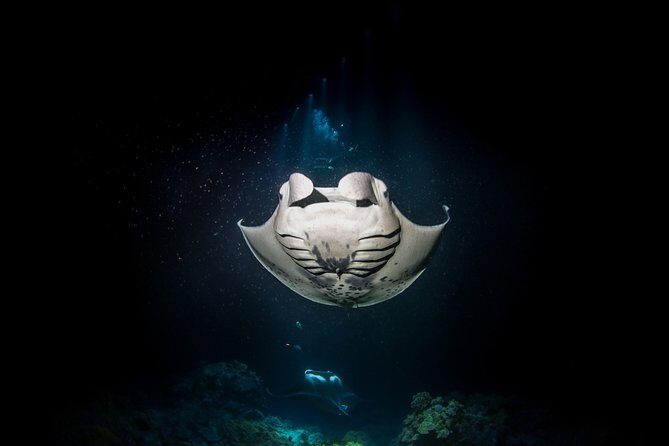
This is the star of the show. The crew stops the boat near an area known to be a manta ray natural habitat. Then you snorkel in the water alongside a lighted viewing setup.
Here’s what makes this part work:
- The lights are meant to be safe for manta rays and improve what you can see.
- The platform and lights help create conditions where plankton activity increases.
- The manta rays come in to feed, which is why you’re likely to see them when you go at night.
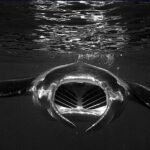
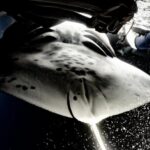
Manta rays are big. Even when you know the size, you can still be surprised by how massive they feel in your peripheral vision. The tour info calls out wingspans up to about 15 feet (4.5 meters), and reviews describe mantas coming very close—sometimes brushing people as they glide past.
You’re not meant to chase. Your best move is to settle in, stay calm, and let them come to you. You’ll be holding onto the viewing area as you float. One of the practical review tips is that your arms and shoulders can get tired from gripping, so loosen up and don’t clamp down harder than needed.
Also, there’s often a short swim from the boat to the viewing platform. One review says the ladder entry was easy and the swim to the platform wasn’t long. Still, at night, even a small swim can feel like more than it is. Keep your pace steady and follow the crew’s cues.
How the Night Lights Change the Whole Experience

Night snorkeling can sound intimidating, and it is—until the lights do their job. The lighted viewing area helps remove the fear factor because you can see what’s around you. One review even points out that the other boats in the area create a kind of glow in the water, which can make the night feel less empty and unknown.
And the glow isn’t just psychological. It changes how well you can track mantas underwater. With better visibility and concentrated plankton activity, you get more than quick passes. Reviews describe mantas “dancing,” twirling, and circling around close to the platform. It’s not just about seeing one ray—it’s about how they move when they’re feeding.
Just keep your expectations flexible. One review mentions that the area can get busy with multiple boats, and another mentions that manta activity can be limited. That’s the reality with wildlife at night: conditions can vary, and the best you can do is show up ready and let the habitat work.
After the Swim: Warm Soup, Hot Drinks, and a Real Recovery
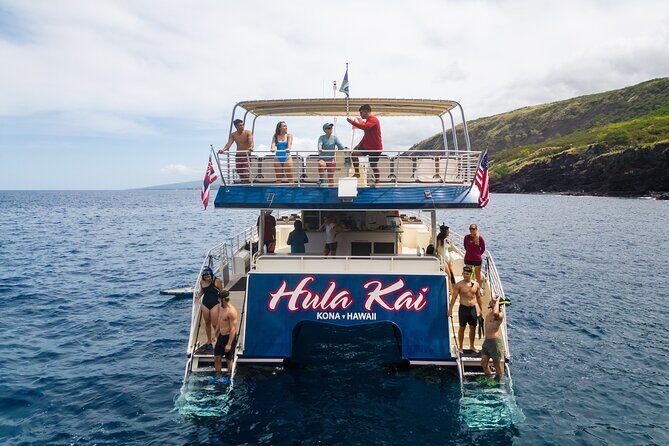
When you finish snorkeling, you’re back onboard and the tour doesn’t end with “good luck out there.” You dry off and get warm comfort: warm homemade soup, bread rolls, and hot drinks.
This part is surprisingly important. Night water temperatures can feel colder once you’re out of the wetsuit, and several reviews warn that getting cold fast after the swim is real. The fix is simple: bring a towel (or two) so you can dry off quickly, and consider a sweatshirt for the moment you step back onto the boat.
One review also notes that wetsuits can make you feel hot before you even get in, so the water feels good at first—then chilly again when you return. That matches what a lot of people learn the hard way on cooler-water snorkeling trips: warmth timing is everything.
Who This Tour Is Best For (And Who Should Skip It)
This is built for people who will enjoy snorkeling in open water at night. The tour info explicitly says it’s not recommended for non-swimmers, beginner swimmers, and those without snorkeling experience. It also says travelers should have a moderate physical fitness level.
So who fits?
- You’re comfortable floating and breathing calmly through a snorkel
- You’ve snorkeled before, or you’re confident in basic ocean swimming
- You want a short, guided wildlife experience and you like the idea of watching mantas feed
Who should reconsider?
- You’re not a confident swimmer
- You get very anxious in the ocean at night
- You know you get cold easily and you don’t have a towel or extra layer plan
Also, it’s for families too. Reviews include families and even mention someone being 6 months pregnant. Still, the tour rules say guests under 18 must be accompanied by an adult, and the comfort/safety match matters more than age alone.
Tips That Make Your Kona Night Snorkel Smoother
A few practical notes can upgrade this tour from exciting to genuinely easy:
- Bring a towel and something warm: Reviews repeatedly recommend this, and I agree. Cold hits fast after you pull your wetsuit off.
- Consider seasickness help: If you’re prone to it, reviews suggest Dramamine, and people noted that rougher water can make things worse.
- Plan your camera choice: One review calls out bringing a GoPro, ideally one you can strap around your head so you keep your hands free. Night water and gear can make it hard to manage a handheld camera.
- Check your mask fit early: If it leaks at the nose or mouth, fix it before you get in. Small water seep becomes a distraction.
- Don’t grip too hard on the platform: Arms and shoulders can tire. Support yourself with a relaxed hold and use any flotation help the crew gives you.
These aren’t flashy tips. They’re the stuff that makes you enjoy the mantas instead of negotiating gear.
Should You Book This Manta Ray Night Snorkel in Kona?
If you want an up-close wildlife experience that’s timed for when manta rays are most active, I think this tour is a strong choice. You get more than a distant view: you snorkel in a habitat area that’s designed around feeding behavior, with safe lights that improve visibility, and you’re not left cold and hungry after.
Book it if:
- You’re a confident swimmer and you’ve snorkeled before (or you’re truly comfortable with it)
- You want night-only manta behavior, not a daytime “maybe”
- You like guided experiences where gear and instruction are handled for you
Skip it or choose a different activity if:
- You’re a non-swimmer or a very new snorkeler
- You know night ocean conditions stress you out
- You get very cold and you don’t plan to bring the right post-swim layers
If you’re the right fit, this is the kind of Big Island experience you’ll remember for the sheer scale of those wings and the calm way they glide through the light.
FAQ
Where do I meet for the Manta Ray Night Snorkel Tour in Kona?
You meet at 78-7130 Kaleiopapa St, Kailua-Kona, HI 96740, USA, and the tour ends back at the same meeting point.
How long is the Kona manta ray night snorkeling tour?
The tour is listed as approximately 1 hour 30 minutes.
What is included in the ticket price?
The included items are manta ray night snorkel, use of snorkel equipment, a wetsuit, and instruction, plus warm homemade soup, bread rolls, and hot drinks.
Are full-face snorkel masks allowed?
No. Full face snorkel masks are not permitted on the vessels.
Is the tour suitable for children?
Guests under 18 must be accompanied by an adult.
What is the maximum group size?
The tour has a maximum of 26 travelers.
What happens if the tour is canceled due to weather?
If it’s canceled due to poor weather, you’ll be offered a different date or a full refund.