REVIEW · BIG ISLAND OF HAWAII
Night Manta Ray Snorkel
Book on Viator →Operated by Ocean Eco Tours · Bookable on Viator
Sunset plus manta rays equals a pretty great plan. This Big Island night snorkel starts with a sunset cruise and manta facts, then shifts after dark to watch these calm giants feed just under the surface. I also love the small group size and how the guides keep things calm and personal. One thing to keep in mind: it’s a night water activity, so your comfort level with ocean conditions matters.
What makes this tour feel practical is how much support you get once it’s dark—snorkeling gear and wetsuits are included, and the guides focus on helping you enjoy the sightings without feeling rushed. If you wear glasses or need a prescription mask, plan ahead: they don’t provide prescription snorkel masks, so bring yours (or rent one).
In This Review
- Key Points You Should Know Before You Go
- Night Manta Rays Off Kona: The Simple Promise and the Real Expectations
- The Sunset Cruise: Warm Light, Manta Facts, and Settling In
- After Dark in the Water: Gear, Wetsuits, and Flotation That Works
- What you’ll be given
- Flotation: what to expect
- Prescription masks
- Seeing Mantas: How to Think About Sightings and Timing
- What to do when you don’t see them instantly
- The Guides Make It: Monet and Brandon’s Calm, Hands-On Style
- Small Group Value: Why $150 Feels Reasonable
- You’re paying for reduced crowding
- You’re paying for the right gear and comfort
- You’re paying for guidance quality and footage
- What to Bring for a Smooth Night Snorkel in Kona
- Logistics That Matter: Meeting Point, Timing, and Getting Back
- Who Should Book This Night Manta Ray Snorkel (and Who Might Rethink It)
- Consider rethinking it if…
- Should You Book It? My Practical Verdict
- FAQ
- FAQ
- How long is the Night Manta Ray Snorkel?
- What’s included in the tour?
- Do I need to bring a towel?
- Are prescription snorkel masks provided?
- Where do I meet for the tour?
- How many people are in the group?
- What happens if the weather isn’t good?
- Is the tour offered in English?
Key Points You Should Know Before You Go
- Small-group zodiac rides (maximum 12 people) mean less crowding and more attention in the water
- Sunset cruise first, so you’re not thrown into darkness right away
- Wetsuits and snorkeling equipment included, which matters on a cool night
- Flotation setup is typically waist noodles, not traditional life vests
- Video sharing after the tour is part of the experience, and some guests got it quickly after returning
Night Manta Rays Off Kona: The Simple Promise and the Real Expectations
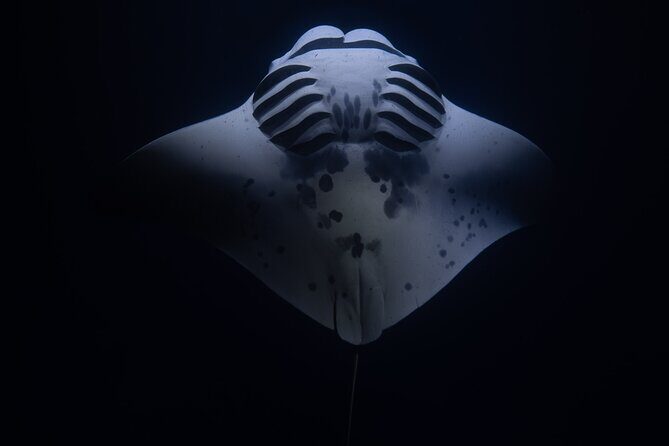
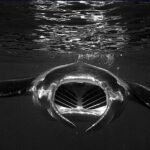
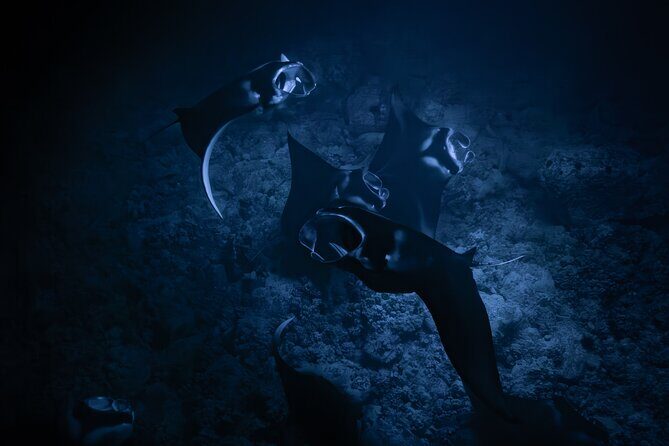
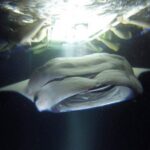
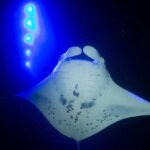
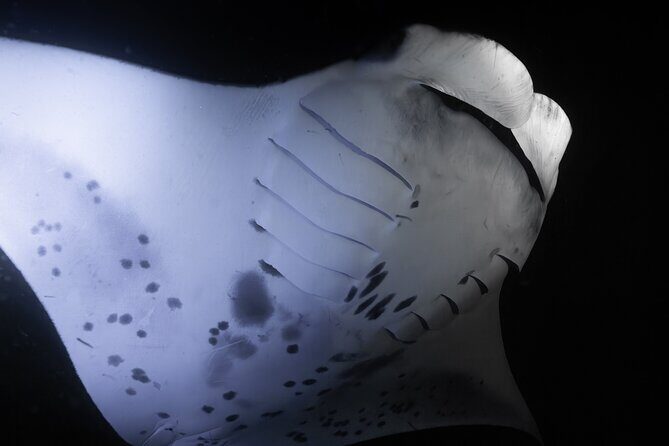
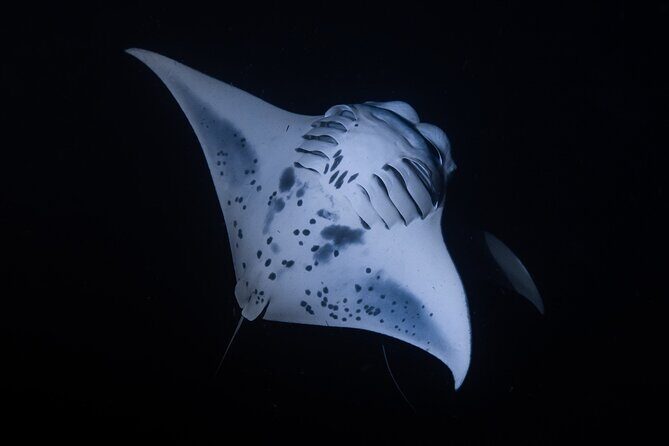
This is a straightforward activity with one main goal: see manta rays feeding at night, from the water. The key word is feeding. Mantas are not a zoo show; you’re watching a natural behavior that depends on currents and what they’re up to that evening. The good news is the guides are running a dedicated manta program, so you’re not just hoping for the best—you’re going to the right place and staying focused once you’re in.
The tour runs about 2 hours, which is a sweet spot for a night outing. You get the warm-up of a sunset cruise and then the after-dark snorkeling window. With a max of 12 on board, it’s easier to manage your gear, your breathing, and your excitement without feeling squeezed or rushed.
Still, it’s not a guarantee that you’ll see a specific number of mantas. One guest recorded around three manta rays during about 30 minutes in the water. That gives you a realistic feel for how it can look—sometimes it’s quick sightings, sometimes it takes patience.
Other Manta Ray night snorkel tours in Big Island of Hawaii
The Sunset Cruise: Warm Light, Manta Facts, and Settling In
Before it gets dark, the night starts the right way: a relaxing sunset cruise. Instead of jumping straight into cold water and low visibility, you ease into the evening. You’ll get interesting facts about manta rays as the light fades. That matters more than you might think, because it helps you recognize what you’re actually looking at—shape, movement, and the subtle ways they feed.
The cruise also gives you time to get your bearings. On the Big Island, conditions can change fast. Being on the water before snorkeling helps you understand how the boat ride feels, whether you get seasick, and how comfortable you are with night skies and ocean sounds. It’s also simply nicer than starting the entire trip in darkness.
Another practical plus: with a small operation and a limited group size, the vibe tends to stay calm. You’re not trapped in a long line of gear, and the guide can still explain things clearly when the day turns to night.
After Dark in the Water: Gear, Wetsuits, and Flotation That Works
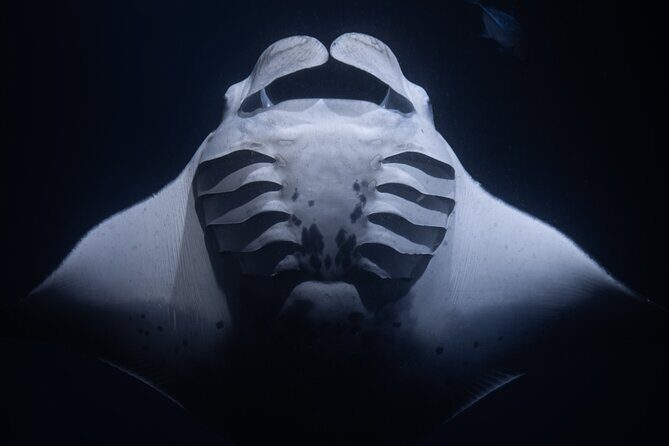
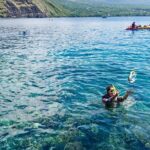
Once it’s dark enough to run the manta plan, you slip into the water to observe mantas feeding beneath you. This is the moment most people booked for, so it’s worth talking about the comfort side.
What you’ll be given
- Snorkeling equipment is included
- Wetsuits are included
That’s a big deal for night snorkeling in Kona. Even if you’re comfortable at the beach in daytime, night temperatures can feel different once you’re in the water and moving slowly.
Flotation: what to expect
One guest noted that the setup uses a waist floatation noodle rather than a traditional life vest. That can be totally fine if you’ve snorkeled before and are comfortable floating, but it’s a detail worth knowing. If you prefer a life vest, mentally plan for the noodle style and make sure you’re comfortable with it before you go in.
Other evening experiences in Big Island of Hawaii
Prescription masks
They do not provide prescription snorkel masks. If you need one, bring your own or rent one. This is one of those avoidable trip-killers—nothing ruins a night manta moment faster than blurry vision under low light.
Seeing Mantas: How to Think About Sightings and Timing
Night manta snorkeling is basically a timing game. Mantas feed when conditions line up, and your view depends on where they are in the water column at that moment. That’s why the tour structure matters: you’re not random-wandering around. You’re going to a place where manta behavior is expected, and you stay with the plan long enough to make it worthwhile.
In one example from the experience, a group saw about three mantas during around 30 minutes in the water. That doesn’t mean you’ll see exactly three. But it does show the math of the experience: the snorkeling window isn’t “all night,” so focus on being ready the moment you get in.
What to do when you don’t see them instantly
If it feels slow, don’t panic-scan. The guides are there to help you find manta movement and to stay aligned with where the mantas are working. Your best move is to stay calm, keep your breathing steady, and give the guides a second to reposition you as needed.
Also, remember: you’re watching gentle giants. The best moments often come from slow, steady observation—floating quietly while the guides manage the group.
The Guides Make It: Monet and Brandon’s Calm, Hands-On Style
A big part of this tour’s success is the way the guides run it. Guests highlighted Monet and Brandon (and you may see the name spelled Brendan in some records) for being friendly, supportive, and focused on making sure people feel comfortable.
One of the most repeated points is that Monet stays in the water with you the whole time. That’s helpful for two reasons:
1) You get real-time support if you’re adjusting your snorkel, struggling with buoyancy, or trying to spot a manta at the right angle.
2) The guide can focus on feeding behavior instead of simply checking in and moving on.
Another strong point from the reviews: Brandon handled piloting the zodiac in a way that kept the ride to the dive site pleasant. When the boat ride is smooth and the group is small, you start your snorkeling session feeling more ready and less scattered.
You’ll also hear that the guiding approach is respectful—this is not about fast grabs for photos. It’s about watching mantas naturally, without crowding or chaos.
Small Group Value: Why $150 Feels Reasonable
At $150 per person for about two hours, it’s not a bargain ticket. But here’s why it often feels worth it:
You’re paying for reduced crowding
A max of 12 travelers changes the whole snorkeling experience. One guest compared it to other operators at the same site with 30+ people on board. More people can mean more noise, more jostling, and less personal attention when you’re in the water.
You’re paying for the right gear and comfort
Snorkeling equipment and wetsuits are included. That’s not just a line item. On a night snorkel, it reduces your prep stress and improves comfort once you’re in the water.
You’re paying for guidance quality and footage
Some guests mentioned video being sent quickly after the tour, with strong quality. Even if you don’t care about editing, that’s a nice add-on because it gives you something memorable without needing to bring your own camera rig.
Is it still a premium? Yes. But this is the kind of premium that’s about quality control—small group, clear guidance, and comfort you can actually feel.
What to Bring for a Smooth Night Snorkel in Kona
This is a “bring what matters” tour. Here’s your short checklist based on what’s required or not provided.
- Towels (bring your own)
- Reusable water bottle (for before and after)
- Your prescription snorkel mask if you need one (they do not provide it)
They do provide snorkeling equipment and wetsuits, so you don’t need to show up shopping for gear.
Also, plan for night conditions. Even with wetsuits, you’ll want to be comfortable on the ride back and ready to dry off after. A small towel and a bottle sound boring, but they’re the difference between a great finish and a “we should’ve planned better” ending.
Logistics That Matter: Meeting Point, Timing, and Getting Back
You’ll start at 74-380 Kealakehe Pkwy, Kailua-Kona, HI 96740, USA. The activity ends back at the meeting point, so you’re not left figuring out a second drop-off after dark.
The tour is offered in English, and it’s described as near public transportation. If you’re staying in Kona, that’s a convenience factor—night tours can make last-minute rides more stressful than they need to be.
It also requires good weather. If conditions aren’t right, the tour can be canceled and you’ll be offered a different date or a full refund. That’s not a detail to skim past. Ocean weather affects safety and manta viewing, and this tour is built around going at the right time.
Who Should Book This Night Manta Ray Snorkel (and Who Might Rethink It)
This tour is ideal if:
- you want a small-group Big Island water experience
- you’re excited about watching manta rays feeding, not just surface-level sightseeing
- you appreciate guides who stay close and help you succeed in the water
It’s also a good fit for non-experts in the water. One guest said they’re not good swimmers but are comfortable snorkeling using flotation support. If you can handle snorkeling gear and you feel okay with the floatation noodle style, you’ll likely enjoy it.
Consider rethinking it if…
- you need a prescription snorkel mask and you don’t have a plan to bring or rent one
- you’re very nervous about night ocean conditions
- you expect a guaranteed manta count
If you want to do more than one manta-focused activity, you might also consider adding an offshore safari later in your trip since one guest called that the highlight after the night snorkel.
Should You Book It? My Practical Verdict
Book this if you want a focused, small-group night manta experience with real support in the water. The combination of a sunset cruise, included wetsuits and snorkeling equipment, and guides like Monet and Brandon who stay engaged with you is what separates this from the larger, busier versions of the same idea.
Don’t book this if you’re counting on a specific number of manta sightings or you’re unprepared for a prescription mask situation. Also, if night water makes you freeze up, take that seriously. A manta ray sighting is amazing, but only if you can relax enough to watch it properly.
If you’re flexible, prepared, and comfortable with the basics of snorkeling at night, this is an easy yes for a Big Island bucket-list moment.
FAQ
FAQ
How long is the Night Manta Ray Snorkel?
The tour runs for about 2 hours (approx.).
What’s included in the tour?
Snorkeling equipment and wetsuits are included.
Do I need to bring a towel?
Yes. Towels are not provided, so bring your own.
Are prescription snorkel masks provided?
No. Prescription snorkel masks aren’t provided. Bring your own or rent one.
Where do I meet for the tour?
You meet at 74-380 Kealakehe Pkwy, Kailua-Kona, HI 96740, USA.
How many people are in the group?
The tour has a maximum of 12 travelers.
What happens if the weather isn’t good?
This experience requires good weather. If it’s canceled due to poor weather, you’ll be offered a different date or a full refund.
Is the tour offered in English?
Yes, the tour is offered in English.