REVIEW · BIG ISLAND OF HAWAII
Kawaihae Whale Watch
Book on Viator →Operated by Hawaii Nautical · Bookable on Viator
Up close with whales is hard to beat, especially on the Kona side. The Kawaihae Whale Watch runs along the Kohala Coast first, where you can spot lava-stone cliffs and sandy stretches, then heads toward a spot other boats don’t often use. You get complimentary soda, juice, and water while learning what to look for, with a small group that keeps things calm out on the water.
The two things I really like are the setup for whale time (the boat targets less-visited waters) and the guiding style from the crew, including captains such as Captain Brian and guides like Tobias or Gail. One thing to think about: this is a fast power-catamaran style ride, so sea spray is very likely, and if the water turns rough the trip can end early for safety.
In This Review
- Key Highlights You Should Know Before You Go
- Kohala Coast Views That Start the Trip Off Right
- The Boat and the Crew: Small Group, Big Effort
- Whale Watching Moments: Spouts, Breaches, and Splashes
- What the Ride Feels Like: Spray, Rocking, and Weather Reality
- Departure Time Choices: Midday vs Late Afternoon
- Included Drinks and Taxes: Where the Price Feels Fair
- What to Bring: Hat, Sun Protection, and a Light Layer
- How to Make Your Whale Watch More Productive
- Who This Tour Fits Best (and Who Might Reconsider)
- Should You Book the Kawaihae Whale Watch?
- FAQ
- Where is the meeting point for the Kawaihae Whale Watch?
- How long is the tour?
- How much does the tour cost?
- What’s included in the price?
- Are gratuities included?
- When are whale sightings guaranteed?
- How many people are on the boat?
- What should I bring for the trip?
- Are service animals allowed?
- What is the cancellation policy, and what if weather cancels the trip?
Key Highlights You Should Know Before You Go
- Whale-sighting guarantee Dec–Apr: the season window when the operator aims to deliver sightings.
- Small group size (max 6 people): more time watching, less waiting around.
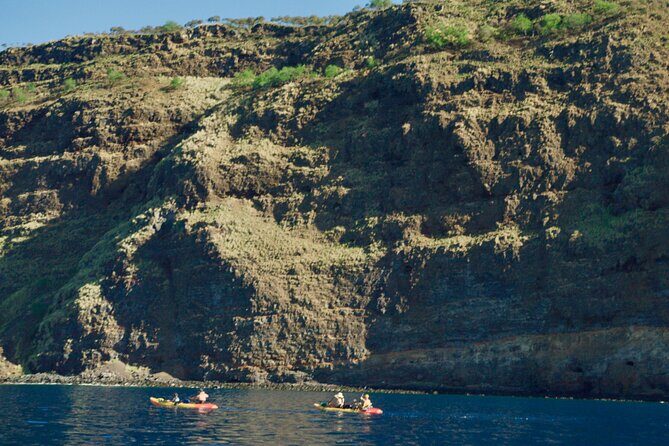
- Kohala Coast cruise first: lava walls, sandy beach views, and open-water scanning.
- Near-exclusive whale-spotting zone: fewer boats in your immediate area when conditions line up.
- Fast boat, wet ride: plan for sea spray and sudden rocking if swells build.
Kohala Coast Views That Start the Trip Off Right
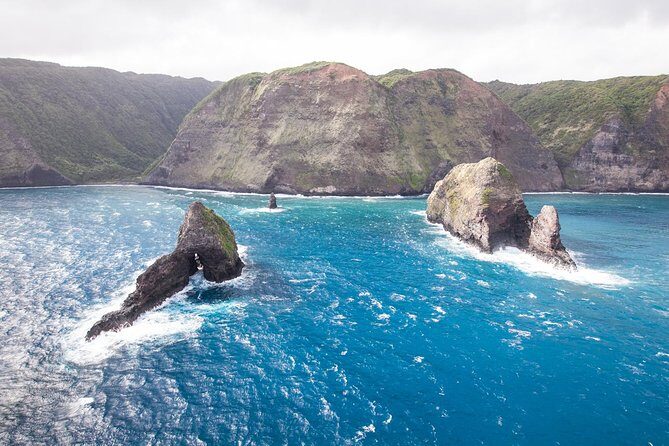
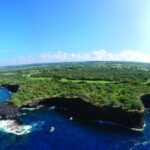
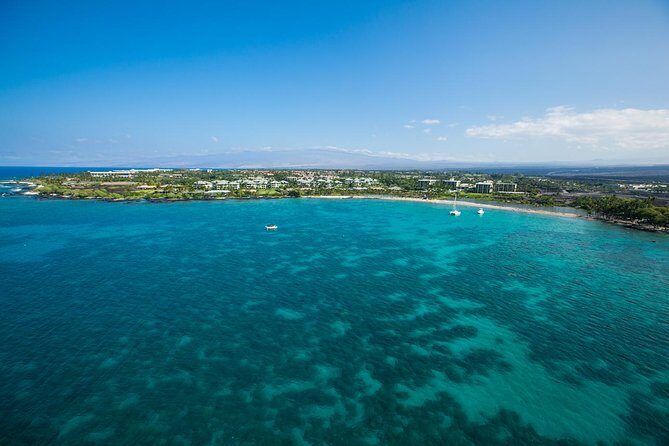
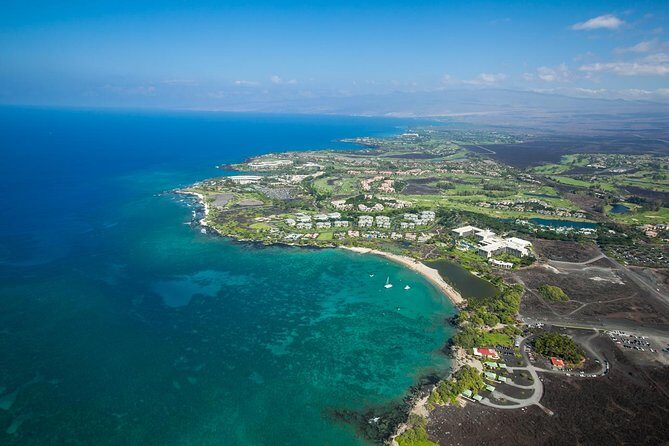
This tour starts with a scenic run along the Kohala Coast, and that matters even if whales take a bit to show. From the water you’re looking at shoreline textures you don’t see from land—rocky lava edges, open stretches of sand, and long horizons that make it easier to spot movement.
It’s also a nice way to settle into the day. You’re not just rushing to a “look, whales or leave” moment. Instead, the captain can read the water and position the boat while your eyes get trained on the surface.
The ride also gives you that classic Big Island feeling: volcanic geology up close, but with the calm rhythm of a coastline cruise before the action.
Other whale watching tours in Big Island of Hawaii
The Boat and the Crew: Small Group, Big Effort
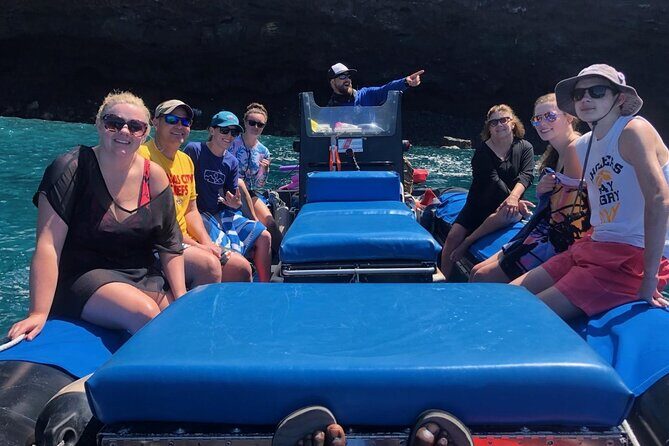
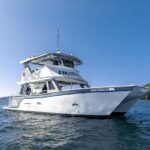
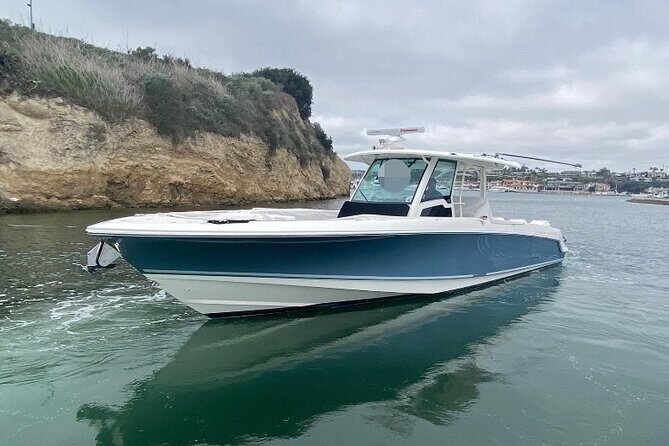
You’ll be on a powerful catamaran designed for comfort compared with smaller craft, but it’s still a fast ride. The operator keeps the group tight—a maximum of 6 people—which is a big deal on whale trips. Fewer people means less jostling at the rail and less crowding when someone spots a blow.
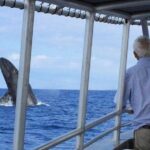
What stands out from guide performance is how quickly they get to work once whales are likely. Accounts include fast location-finding, with crews like Captain Brian and guides such as Tobias guiding the boat to where whales are active. When you’re watching for spouts, breaches, and splashy surface time, having a captain who can react quickly is everything.
And the on-board teaching helps you focus. You’ll get whale info during the trip while you’re actively searching—so you’re not just staring at water hoping for a miracle.
Whale Watching Moments: Spouts, Breaches, and Splashes
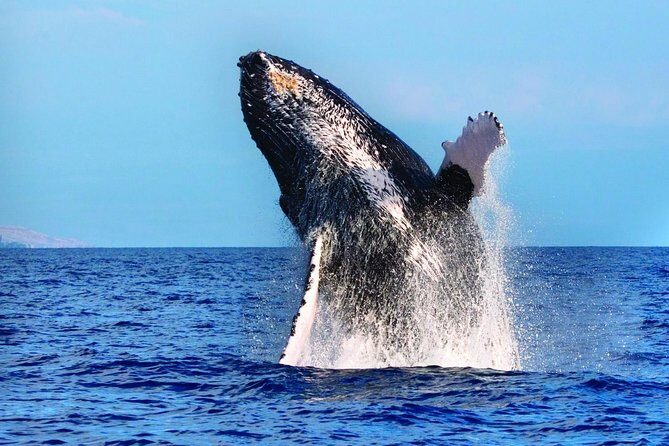
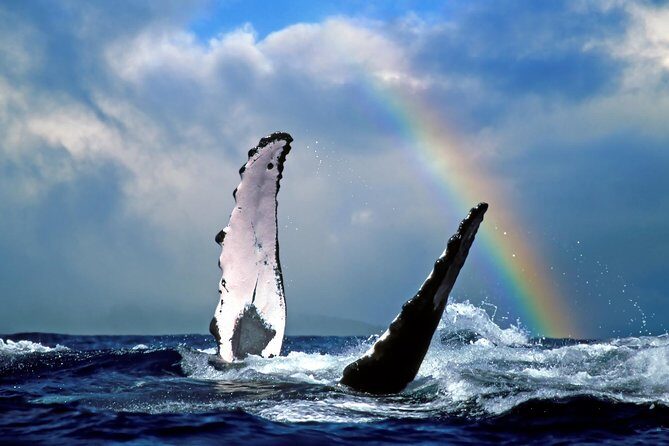
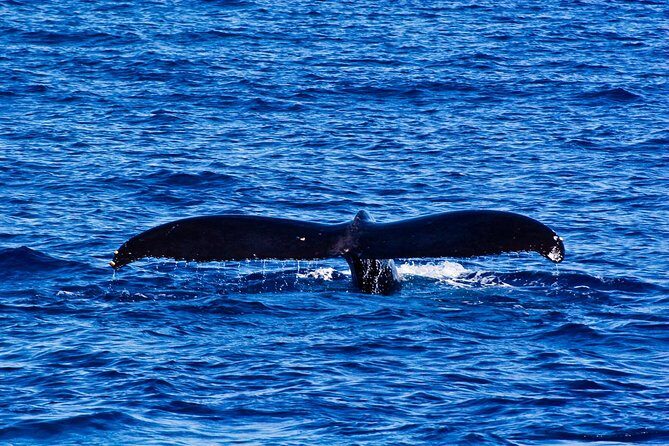
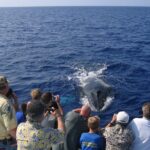
The main attraction is obvious: whales. The tour is advertised with whale sightings guaranteed between December and April, which is the prime seasonal window. In that period, you should expect the captain to spend time with whales once they’re sighted, not just do a quick pass.
When sightings are good, the action can be varied. Look for:
- Spouting: the blow that tells you where the whale is before it dives.
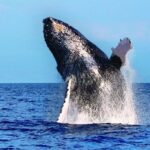
- Breaching: the big visible jump that’s often the most memorable.
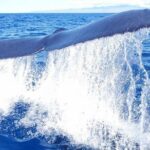
- Splashing: quick movements that can be easy to miss unless you’re watching the waterline.
Even when the whale show isn’t perfect, you may still get something lively. One account called out spinner dolphins as a strong consolation—so you’re not automatically stuck with “nothing at all” if the whales aren’t in reach.
Still, keep your expectations grounded. Even with a guarantee window, nature has its own schedule. If whales are farther out, you might spend more time in scanning mode, and sometimes you’ll see mostly distant splashes rather than dramatic breaches.
What the Ride Feels Like: Spray, Rocking, and Weather Reality
Here’s the practical truth: this is a water-world tour, and WET SEA SPRAY is very likely. The boat is fast, and the ocean can toss water up. If you hate getting wet, bring a plan—light rain gear or just expect to embrace it.
One more thing: the ocean can get pushy. Accounts include situations where swells built and the trip got cut short, with passengers tossed around a bit. It didn’t stop the experience from being fun, but it is a reminder that conditions matter.
So I’d think of it like this:
- On a calm day, you’ll enjoy a smooth coastal cruise plus whale scanning.
- On a rougher day, you’ll still go looking, but you may lose time if safety requires a return.
You don’t need special “marine” experience to do this, but you do need to be ready for motion and spray.
Departure Time Choices: Midday vs Late Afternoon
You get a convenient departure time choice—midday or late afternoon. That’s not just about matching your schedule. Timing can influence comfort and visibility.
Midday often means stronger sun overhead, which can be great for spotting, but it also means heat and glare. Late afternoon can be more comfortable on your face and eyes, especially when you’re wearing sunglasses and scanning for spouts.
I’d pick based on two things:
- Your tolerance for sun exposure.
- Your plan for the rest of the day after the tour.
Because the tour runs about two hours, you want to leave yourself enough buffer for parking, getting back to your car, and drying off.
Other whale watching tours in Big Island of Hawaii

Included Drinks and Taxes: Where the Price Feels Fair
At $148 for about two hours, this is not a budget-only activity. But the value is clearer when you look at what’s bundled.
You get:
- Soda, juice, and water
- All taxes, fees, and handling charges
That means you’re not nickel-and-diming the checkout total at the end. For many whale watch options, drinks and fees can add up once you arrive. Here, the “real” price is closer to what you pay up front.
The small group also feeds into value. A maximum group of 6 means you’re buying more attention and less waiting. If you’re traveling as a couple or family unit that values a quieter ride, that can be worth real money.
One last price note: gratuities aren’t included. If you’re used to tipping as part of your travel budget, set aside a little extra.
What to Bring: Hat, Sun Protection, and a Light Layer
This is an outdoor ocean activity in strong sun and salty air. The tour advice is simple and smart: bring a hat, sunglasses, and sunscreen. If you forget one of those, you’ll feel it quickly once you’re out there.
Also plan for wind and cool water spray. Even if Hawaii feels warm on land, it can get chilly on the ocean—especially with wet sea spray blowing across your face and arms. A light jacket is a good idea if you run cold or if you’re going on the late afternoon slot.
If you’re prone to motion sickness, take it seriously. The boat is designed for comfort, but it’s still a fast ride on real ocean conditions. Dress in layers so you can adjust if you get hot or soaked.
How to Make Your Whale Watch More Productive
You’ll do better if you treat this like a hunt with short bursts of excitement.
First, keep your eyes moving. Spouts and breaches can be short-lived. When the captain shifts position, don’t stare at the last spot—scan the new water the moment you hear a cue.
Second, stay ready for spray. People tend to get distracted once they’re getting splashed, then they miss the next surface moment. Sunglasses help you keep focus, and sunscreen prevents that “sunburn revenge” later.
Third, ask questions during the quiet scan time. The tour includes whale education as you go, and that makes spotting easier. If you know what blow patterns look like, you spend less time wondering and more time watching.
Who This Tour Fits Best (and Who Might Reconsider)
This whale watch is a strong fit if you want:
- Close-up attention with a small group
- A mix of coastal scenery plus whale time
- A guided experience with real captains and working search skills
It also works well for people who like structure: there’s a clear two-hour flow, with time on the water, learning along the way, and targeted spotting.
It might be a tougher choice if:
- You really hate being wet.
- You’re very sensitive to rocking swells.
- You’re arriving without checking the exact meeting point on Kawaihae Road near Waimea. The title can be location-friendly, but you should still confirm where you’re going so you don’t lose half your day on driving.
Overall, it’s built for people who want to maximize time watching and keep the group experience calm.
Should You Book the Kawaihae Whale Watch?
If you’re visiting during December through April, and you want the best odds for whales with a small group, I think this is a smart booking. The included drinks, the near-exclusive spotting approach, and the way captains like Captain Brian and guides such as Tobias or Gail focus on finding whales all point to a tour designed to work.
I’d only hesitate if you’re uncomfortable with spray or motion, because this is a fast ocean ride. If that’s you, bring the right gear, sit where you feel most stable, and plan to enjoy the hunt even if the whales take their time.
If you want, tell me your travel month and whether you’ll choose midday or late afternoon—I can help you pick the option that matches your comfort level and schedule.
FAQ
Where is the meeting point for the Kawaihae Whale Watch?
The meeting point is at 61-3527 Kawaihae Rd, Waimea, HI 96743, USA.
How long is the tour?
The tour runs about 2 hours.
How much does the tour cost?
The price is $148.
What’s included in the price?
The tour includes soda, juice, and water, plus all taxes, fees, and handling charges.
Are gratuities included?
No. Gratuities are not included.
When are whale sightings guaranteed?
Whale sightings are guaranteed between December and April.
How many people are on the boat?
The vessel has a maximum of 6 travelers.
What should I bring for the trip?
Bring a hat, sunglasses, and sunscreen. A light jacket can help if it’s cool on the water.
Are service animals allowed?
Yes. Service animals are allowed.
What is the cancellation policy, and what if weather cancels the trip?
Free cancellation is available up to 24 hours in advance for a full refund. If the tour is canceled due to poor weather, you’ll be offered a different date or a full refund.